How Do 3-Piece Forged Wheels Reduce Weight While Increasing Strength?
The automotive industry continuously seeks innovative solutions that deliver superior performance without compromising safety or durability. Among the most significant advancements in wheel technology, 3-piece forged wheels represent a revolutionary approach that challenges traditional manufacturing methods. These sophisticated components utilize advanced metallurgy and precision engineering to achieve what was once considered impossible: simultaneously reducing weight while dramatically increasing structural strength. Understanding the science behind these remarkable wheels reveals why they have become the preferred choice for high-performance vehicles, luxury automobiles, and racing applications worldwide.
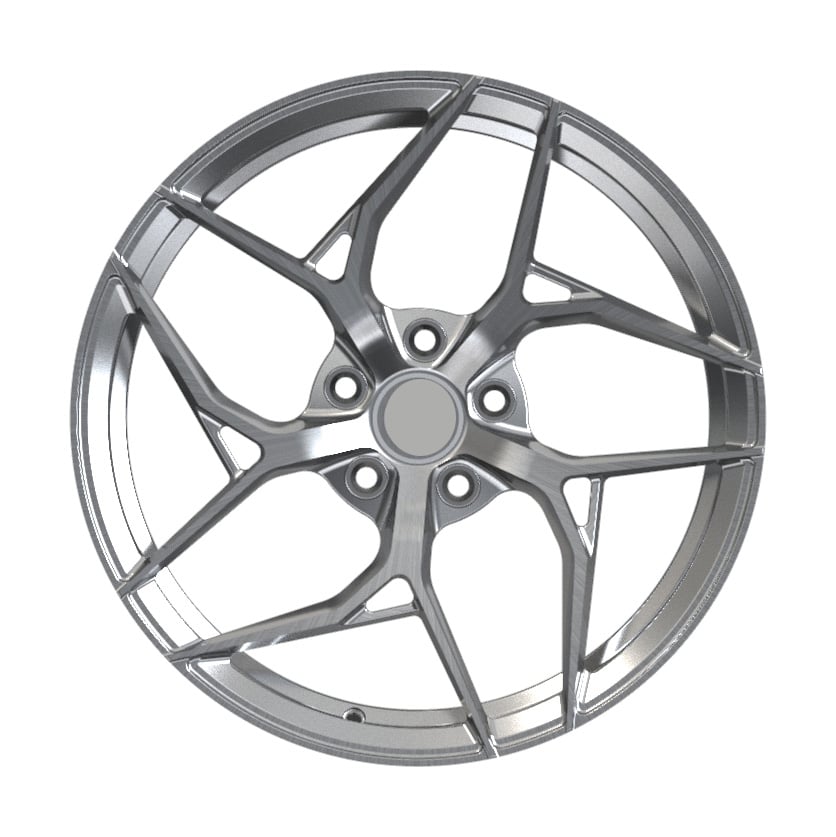
The Revolutionary Forging Process Behind Lightweight Strength
Understanding the Forging Manufacturing Method
The forging process that creates 3-piece forged wheels begins with high-grade aluminum billets heated to precise temperatures. This controlled heating allows the metal's crystalline structure to become malleable while maintaining its inherent strength properties. During the forging process, massive hydraulic presses apply tremendous pressure, typically ranging from 8,000 to 12,000 tons, to shape the aluminum into its final form. This extreme pressure compresses the metal's grain structure, eliminating internal voids and creating a denser, stronger material than traditional casting methods could ever achieve.
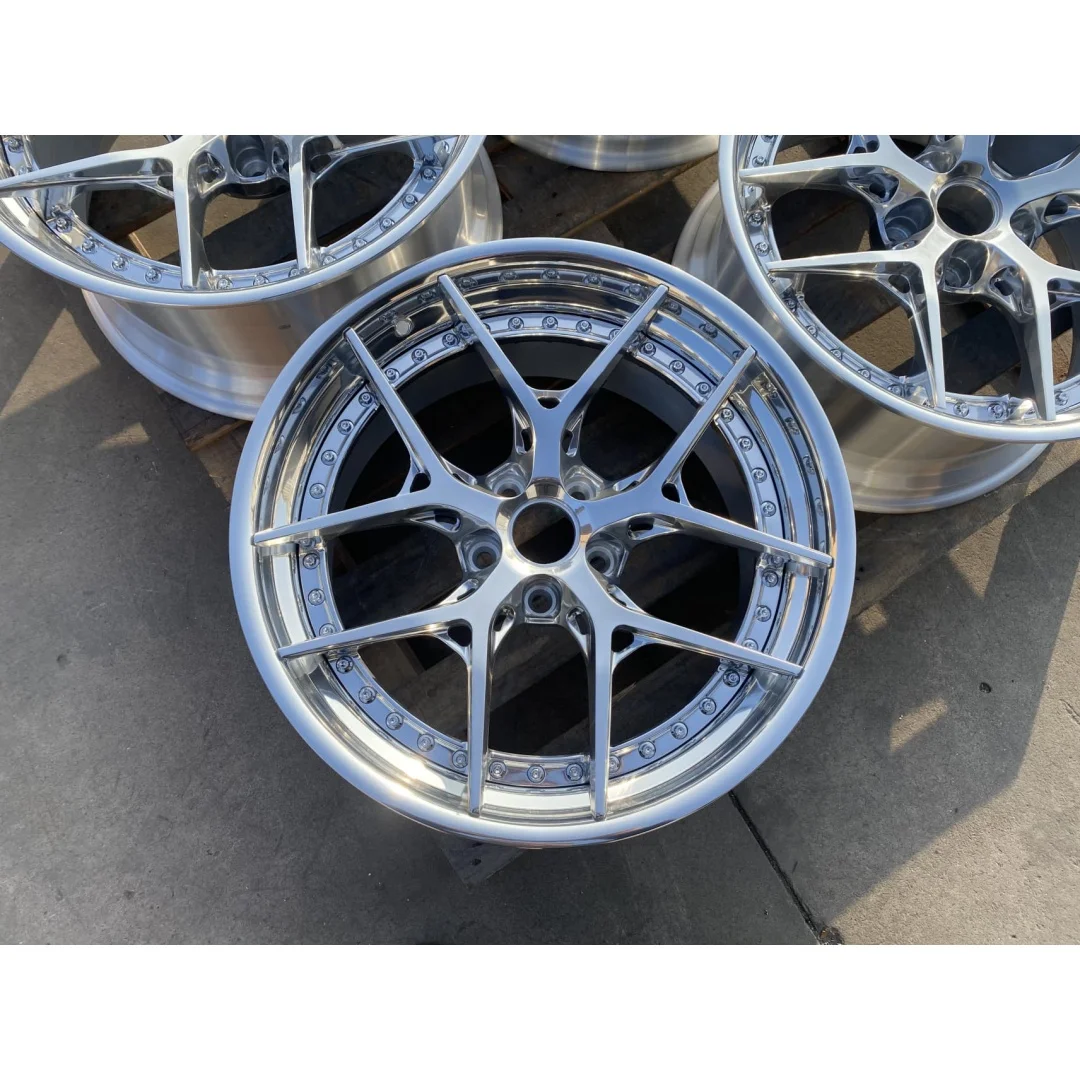
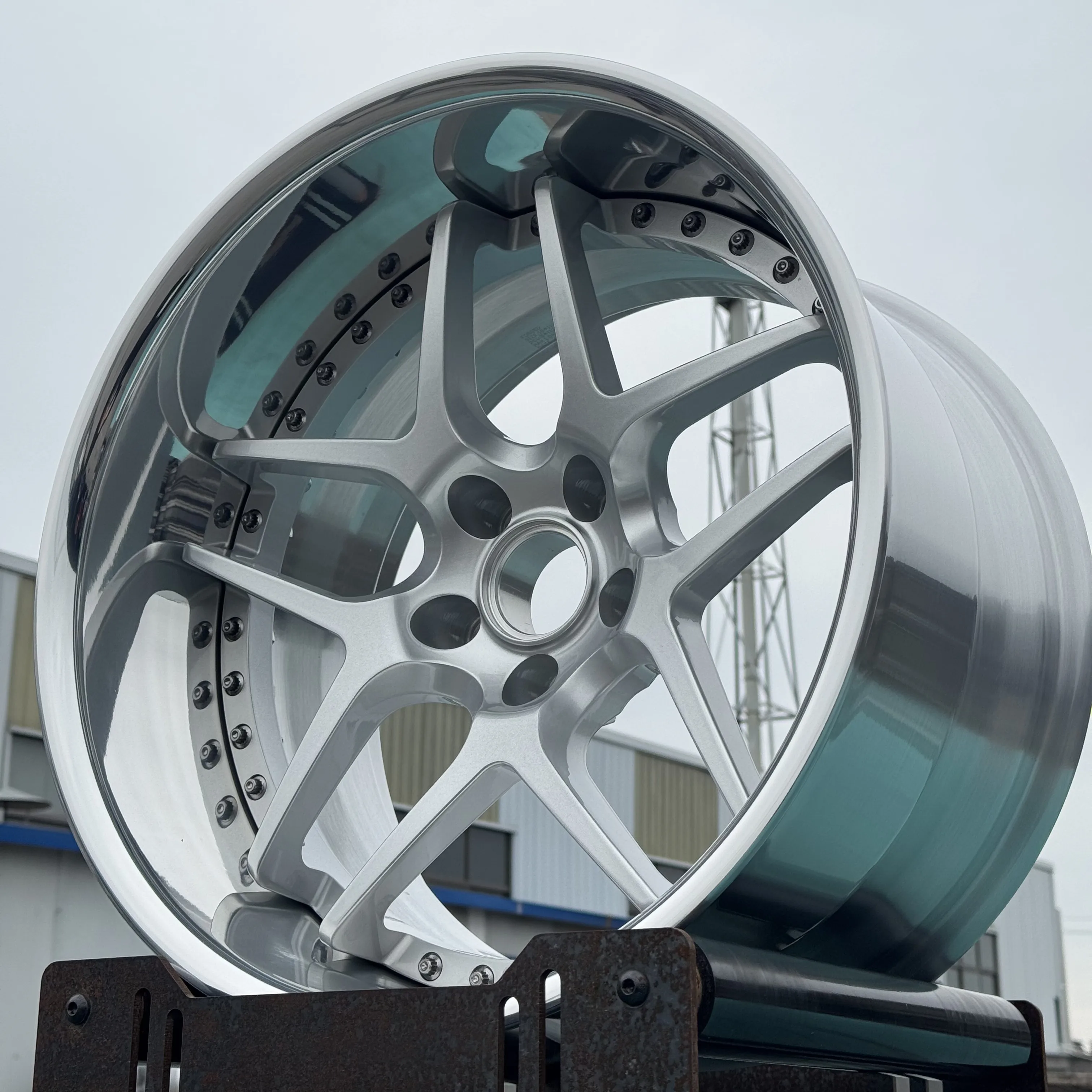
The three-piece construction method separates each wheel into distinct components: the center section, inner barrel, and outer barrel. Each piece undergoes individual forging processes optimized for its specific structural requirements and stress patterns. This segmented approach allows engineers to tailor the material properties and thickness of each component, resulting in optimal weight distribution and enhanced performance characteristics. The center section, which bears the most rotational stress, receives the heaviest forging treatment, while the barrel sections can be optimized for reduced weight without compromising structural integrity.
Grain Structure Refinement and Material Properties
During the forging process, the aluminum's grain structure undergoes significant refinement that directly impacts the final product's strength-to-weight ratio. Traditional casting methods create random, large grain structures with inherent weaknesses and inconsistencies. In contrast, forging aligns and compresses these grains into uniform, directional patterns that follow the wheel's stress lines. This alignment creates what engineers call "flow lines" – continuous grain boundaries that distribute load forces more effectively throughout the entire structure.
The refined grain structure in 3-piece forged wheels exhibits superior fatigue resistance compared to cast alternatives. Fatigue failure typically occurs at grain boundaries where stress concentrations develop over time. By creating smaller, more uniform grains with stronger inter-granular bonds, the forging process significantly extends the wheel's operational lifespan. Laboratory testing demonstrates that forged wheels can withstand millions of stress cycles that would cause cast wheels to fail, making them ideal for demanding applications where reliability is paramount.
Weight Reduction Strategies in Three-Piece Design
Strategic Material Distribution and Thickness Optimization
The modular design of 3-piece forged wheels enables engineers to optimize material distribution in ways impossible with one-piece construction. Each component can be manufactured with varying wall thicknesses precisely calculated to handle specific load requirements. Areas experiencing high stress receive additional material thickness, while sections under minimal stress can be reduced to save weight. This selective reinforcement approach, known as "variable geometry design," allows manufacturers to remove unnecessary material without compromising structural performance.
Computer-aided finite element analysis guides the thickness optimization process, identifying stress concentration points and load distribution patterns unique to each wheel design. Engineers can reduce material thickness in low-stress areas by up to 40% compared to traditional wheels while maintaining safety margins that exceed industry standards. The barrel sections, in particular, benefit from this approach, as their primary function involves containing tire pressure rather than bearing rotational loads. This strategic material removal contributes significantly to the overall weight reduction achieved by 3-piece forged wheels.
Advanced Hollow Spoke Architecture
Modern 3-piece forged wheels incorporate hollow spoke designs that dramatically reduce weight while maintaining exceptional strength characteristics. Traditional solid spokes contain significant amounts of material that contribute little to structural performance beyond basic load transmission. Hollow spokes eliminate this excess material by creating internal cavities that reduce weight by 15-25% per wheel without affecting load-bearing capacity. The hollow design also provides improved heat dissipation properties, allowing better brake cooling during high-performance driving conditions.
The manufacturing process for hollow spokes requires sophisticated tooling and precise control over the forging parameters. Each spoke begins as a solid section that undergoes controlled deformation to create the internal cavity while maintaining wall thickness uniformity. This process demands exceptional precision to ensure consistent spoke thickness and prevent weak points that could lead to failure. Quality control measures include ultrasonic testing to verify internal structure integrity and ensure that no voids or inclusions compromise the spoke's performance characteristics.
Strength Enhancement Through Modular Construction
Load Distribution and Stress Management
The three-piece design philosophy distributes operational stresses more effectively than monolithic wheel construction. Each component handles specific types of loads: the center section manages rotational forces and wheel mounting stresses, while the barrel sections contain tire pressure and provide the mounting interface for the tire bead. This division of responsibilities allows engineers to optimize each component's design for its primary function, resulting in superior overall performance compared to compromise designs required in one-piece wheels.
The bolted assembly method used in 3-piece forged wheels creates a mechanically fastened joint that can handle dynamic loads more effectively than welded or cast connections. High-tensile bolts, typically made from aerospace-grade materials, create clamping forces that distribute loads across multiple attachment points. This distribution prevents stress concentration at individual points, which commonly causes failure in other wheel designs. The mechanical connection also allows for differential thermal expansion between components without creating internal stresses that could compromise long-term durability.
Customizable Offset and Sizing Benefits
The modular nature of 3-piece forged wheels provides unprecedented flexibility in sizing and offset configurations without requiring completely new tooling for each application. Manufacturers can combine different barrel depths with various center sections to create hundreds of size and offset combinations from a relatively small inventory of components. This modularity enables precise fitment for specific vehicle applications while maintaining the strength benefits of the forged construction process.
Custom offset capabilities allow vehicle manufacturers and enthusiasts to optimize suspension geometry and handling characteristics without compromising wheel strength. Traditional one-piece wheels require significant design modifications and new tooling for offset changes, making custom applications expensive and time-consuming. The three-piece system eliminates these constraints by allowing barrel selection based on required offset specifications while maintaining consistent center section and spoke patterns optimized for strength and appearance.
Material Science and Metallurgical Advantages
Aluminum Alloy Selection and Properties
Premium 3-piece forged wheels utilize specially formulated aluminum alloys designed specifically for high-stress applications. These alloys typically contain carefully balanced amounts of magnesium, silicon, and copper to optimize strength, corrosion resistance, and workability during the forging process. The most common alloys used include 6061-T6 and 7075-T6, each offering distinct advantages depending on the specific application requirements and performance objectives.
The T6 heat treatment process applied to these alloys involves solution treatment followed by artificial aging, which precipitates strengthening compounds throughout the material matrix. This heat treatment increases the material's yield strength by 200-300% compared to the annealed condition while maintaining excellent ductility and fracture toughness. The combination of optimized chemistry and proper heat treatment enables 3-piece forged wheels to achieve strength levels approaching those of steel wheels while maintaining aluminum's inherent weight advantages.
Corrosion Resistance and Surface Treatments
The forging process creates a refined microstructure that exhibits superior corrosion resistance compared to cast aluminum wheels. The elimination of porosity and inclusions removes potential initiation sites for corrosion, while the compressed grain structure creates a more uniform surface chemistry. This improved corrosion resistance extends wheel lifespan and maintains appearance quality even in harsh environmental conditions including road salt exposure and coastal marine environments.
Advanced surface treatment options further enhance the corrosion protection and aesthetic appeal of 3-piece forged wheels. Anodizing treatments create a controlled oxide layer that provides excellent corrosion protection while enabling various color options. Physical vapor deposition processes can apply ceramic or metallic coatings that offer both protection and unique visual effects. These surface treatments work synergistically with the forged substrate to create wheels that maintain their appearance and performance characteristics throughout extended service life.
Performance Benefits in Real-World Applications
Unsprung Weight Reduction Impact
The weight reduction achieved through 3-piece forged wheels construction directly translates into improved vehicle dynamics and performance characteristics. Unsprung weight reduction affects multiple aspects of vehicle behavior, including acceleration, braking, handling response, and ride comfort. Each pound of unsprung weight reduction provides benefits equivalent to reducing sprung weight by approximately four pounds, making wheel weight optimization one of the most effective performance modifications available.
Reduced rotational inertia from lightweight 3-piece forged wheels enables faster acceleration and more responsive braking performance. The decreased moment of inertia allows the drivetrain to overcome wheel inertia more easily, resulting in quicker throttle response and reduced acceleration times. Similarly, reduced wheel mass enables brake systems to change wheel speed more rapidly, improving stopping distances and brake feel. These performance improvements are particularly noticeable in high-performance driving situations where rapid speed changes are common.
Suspension System Optimization
The reduced unsprung weight from lightweight forged wheels allows suspension systems to maintain better tire contact with road surfaces over irregular terrain. Lower mass reduces the energy required to accelerate suspension components over bumps and road irregularities, enabling springs and dampers to control wheel motion more effectively. This improved control translates into better traction, more predictable handling, and enhanced ride comfort across various driving conditions.
Suspension tuning becomes more precise with reduced unsprung weight, as engineers can focus on optimizing spring rates and damping characteristics without compensating for excessive wheel mass. This tuning freedom enables more aggressive suspension settings that would be impractical with heavier wheels, allowing vehicles to achieve superior handling performance while maintaining acceptable ride quality. The benefits are particularly pronounced in motorsports applications where precise vehicle control is essential for competitive performance.
Manufacturing Quality and Testing Standards
Quality Control and Inspection Processes
Manufacturing 3-piece forged wheels requires stringent quality control measures to ensure consistent performance and safety characteristics. Each forged component undergoes multiple inspection stages, beginning with incoming material verification and continuing through final assembly. Non-destructive testing methods including ultrasonic inspection, dye penetrant testing, and radiographic examination verify internal structure integrity and detect any defects that could compromise performance.
Dimensional accuracy verification ensures proper fit and function of assembled components, while surface finish inspection confirms that machined surfaces meet specification requirements for both appearance and functionality. Torque verification during assembly ensures that bolted connections achieve specified clamping loads, while final balance testing confirms that assembled wheels meet strict dynamic balance requirements. These comprehensive quality measures ensure that every wheel meets or exceeds performance specifications before leaving the manufacturing facility.
Performance Testing and Validation
Extensive testing protocols validate the performance characteristics of 3-piece forged wheels under simulated real-world conditions. Fatigue testing subjects wheels to millions of load cycles that simulate years of normal driving conditions, while impact testing verifies resistance to road hazard damage. Cornering fatigue tests apply lateral loads that simulate aggressive driving maneuvers, ensuring that wheels maintain structural integrity under maximum design loads.
Environmental testing exposes wheels to temperature extremes, corrosive environments, and ultraviolet radiation to verify long-term durability and appearance retention. These tests often exceed requirements specified in industry standards, providing additional safety margins and ensuring reliable performance throughout the wheel's service life. Test results validate the superior performance characteristics achieved through the combination of advanced materials, optimized design, and precision manufacturing processes used in 3-piece forged wheels construction.
FAQ
What makes 3-piece forged wheels stronger than cast wheels?
The forging process compresses and aligns the aluminum's grain structure, eliminating internal voids and creating a denser, stronger material. This refined microstructure, combined with the three-piece design that optimizes each component for its specific function, results in wheels that can withstand significantly higher stress levels than cast alternatives while maintaining reduced weight.
How much weight can be saved with 3-piece forged wheels?
Weight savings typically range from 25-40% compared to equivalent cast wheels, depending on the specific design and size. For a set of four wheels, this can represent a reduction of 40-80 pounds of unsprung weight, which provides performance benefits equivalent to removing 160-320 pounds of vehicle weight while improving handling dynamics and acceleration response.
Are 3-piece forged wheels worth the additional cost?
The value proposition depends on specific application requirements and performance priorities. For high-performance vehicles, racing applications, or luxury automobiles where weight reduction and strength are critical, the benefits typically justify the premium cost. The improved performance, enhanced durability, and customization flexibility often provide long-term value that exceeds the initial investment.
How long do 3-piece forged wheels typically last?
With proper maintenance and normal driving conditions, quality 3-piece forged wheels can last the lifetime of the vehicle. The superior fatigue resistance and corrosion protection inherent in the forged construction typically provide service life measured in decades rather than years, making them an excellent long-term investment for vehicles where performance and reliability are priorities.
Recommended Products
 Hot News
-
Forged Carbon Products
2024-05-21
-
Forged Off-Road Accessories
2024-05-21
-
GVICHN Introduces Revolutionary Forged Two-Piece Product
2024-05-21
 ONLINE