What Makes Alloy Wheels a Popular Upgrade for Modern Cars?
Modern automotive enthusiasts and everyday drivers alike have embraced alloy wheels as one of the most impactful upgrades available for contemporary vehicles. These lightweight, durable wheel solutions have transformed from luxury accessories into mainstream automotive components that enhance both performance and aesthetics. The growing popularity of alloy wheels stems from their unique combination of engineering excellence, visual appeal, and practical benefits that traditional steel wheels simply cannot match. Understanding what drives this widespread adoption reveals the compelling advantages that make alloy wheels an essential consideration for modern car owners seeking to optimize their vehicle's capabilities and appearance.
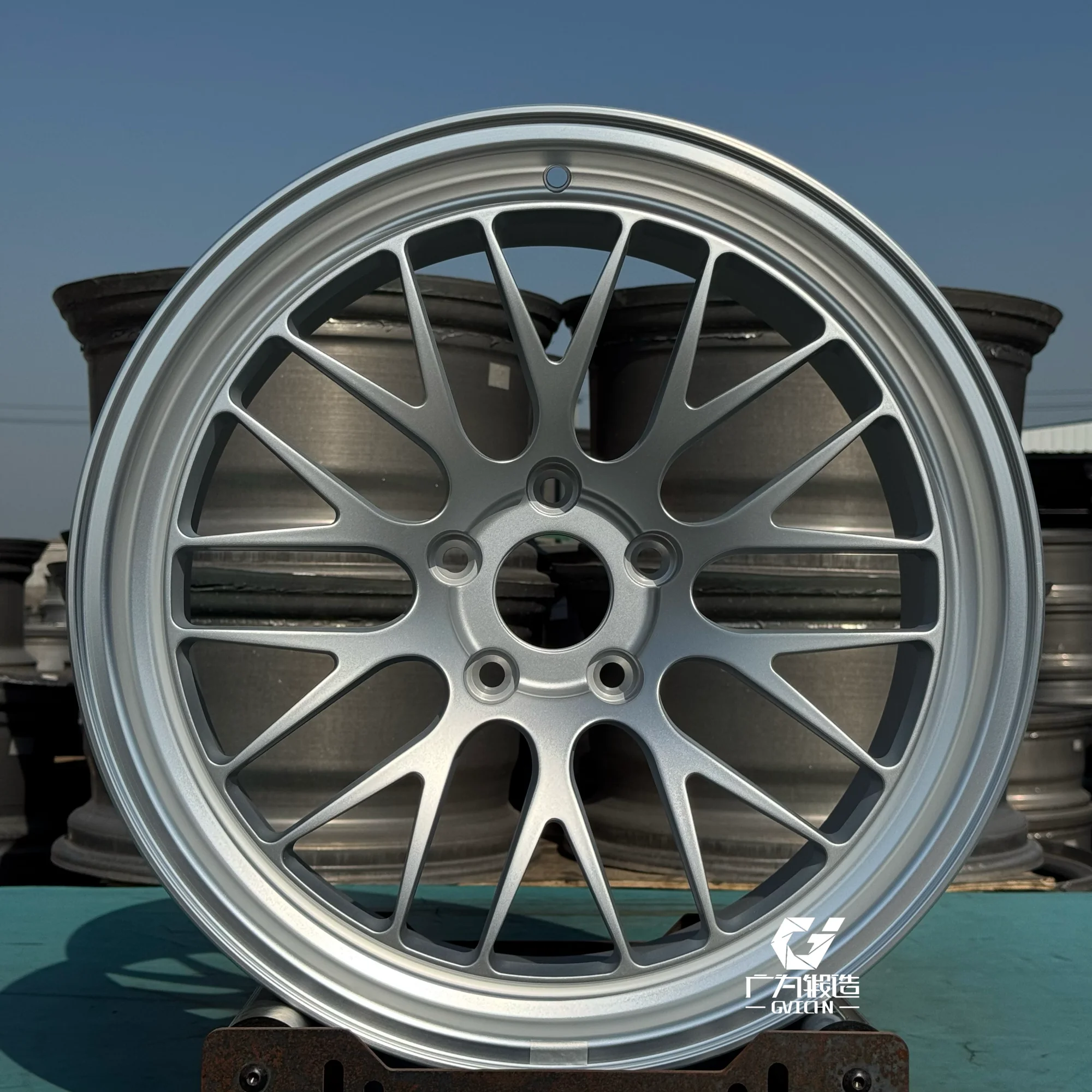
Superior Performance Characteristics
Weight Reduction and Handling Enhancement
The fundamental advantage of alloy wheels lies in their significantly reduced weight compared to traditional steel alternatives. This weight reduction, known as unsprung weight reduction, directly impacts vehicle dynamics and performance. When alloy wheels replace heavier steel counterparts, the reduction in rotational mass allows for quicker acceleration, improved braking response, and enhanced steering precision. The decreased inertia means that engines require less energy to spin the wheels, resulting in better fuel efficiency and more responsive handling characteristics that drivers immediately notice.
Professional racing applications have long recognized the performance benefits of lightweight wheel construction, and these advantages translate directly to everyday driving scenarios. The reduced unsprung weight also minimizes the load on suspension components, allowing shock absorbers and springs to work more effectively. This improvement in suspension efficiency translates to better road contact, improved traction, and a more controlled driving experience across various road conditions and driving styles.
Enhanced Heat Dissipation Properties
Modern alloy wheels excel at thermal management, providing superior heat dissipation compared to steel wheels. The aluminum alloy construction conducts heat more effectively, drawing thermal energy away from brake components during intense braking scenarios. This enhanced cooling capability prevents brake fade, maintains consistent braking performance, and extends the lifespan of brake pads and rotors. The improved heat management becomes particularly crucial during spirited driving, mountain descents, or repeated heavy braking situations where brake temperatures can reach critical levels.
The design flexibility of alloy wheels also allows manufacturers to incorporate cooling features such as directional spokes, ventilation channels, and optimized airflow patterns. These design elements work in conjunction with the material properties to create a comprehensive thermal management system that keeps braking components operating within optimal temperature ranges, ensuring safety and performance consistency.
Aesthetic and Design Advantages
Customization and Style Options
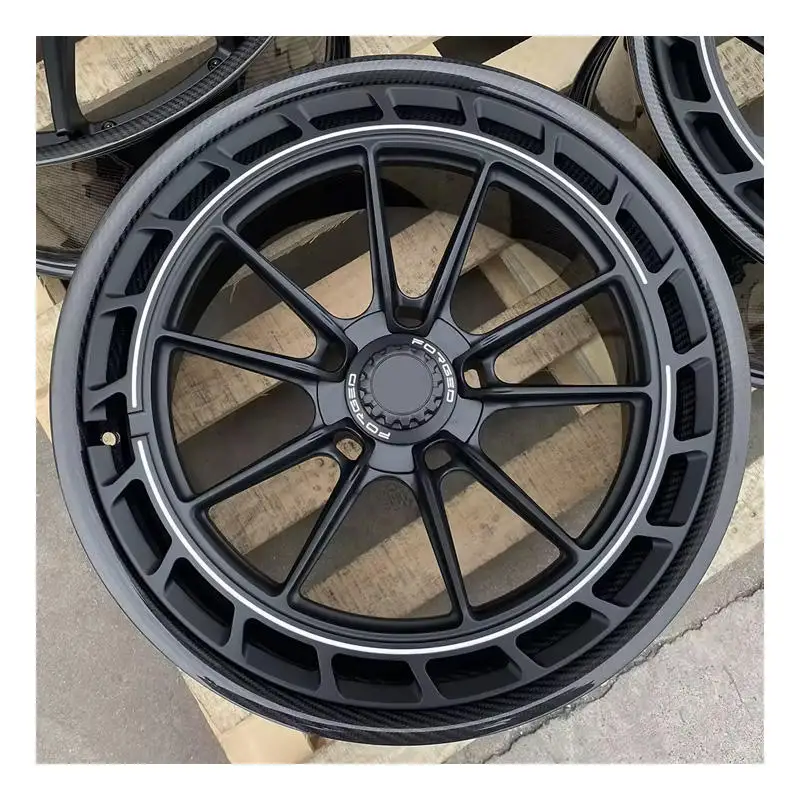
The manufacturing process for alloy wheels enables virtually unlimited design possibilities that cater to diverse aesthetic preferences and vehicle styles. Unlike steel wheels, which are limited by stamping constraints, alloy wheels can be cast or forged into intricate patterns, complex geometries, and sophisticated spoke configurations. This design freedom allows manufacturers to create wheels that complement specific vehicle aesthetics while providing opportunities for personal expression and customization.
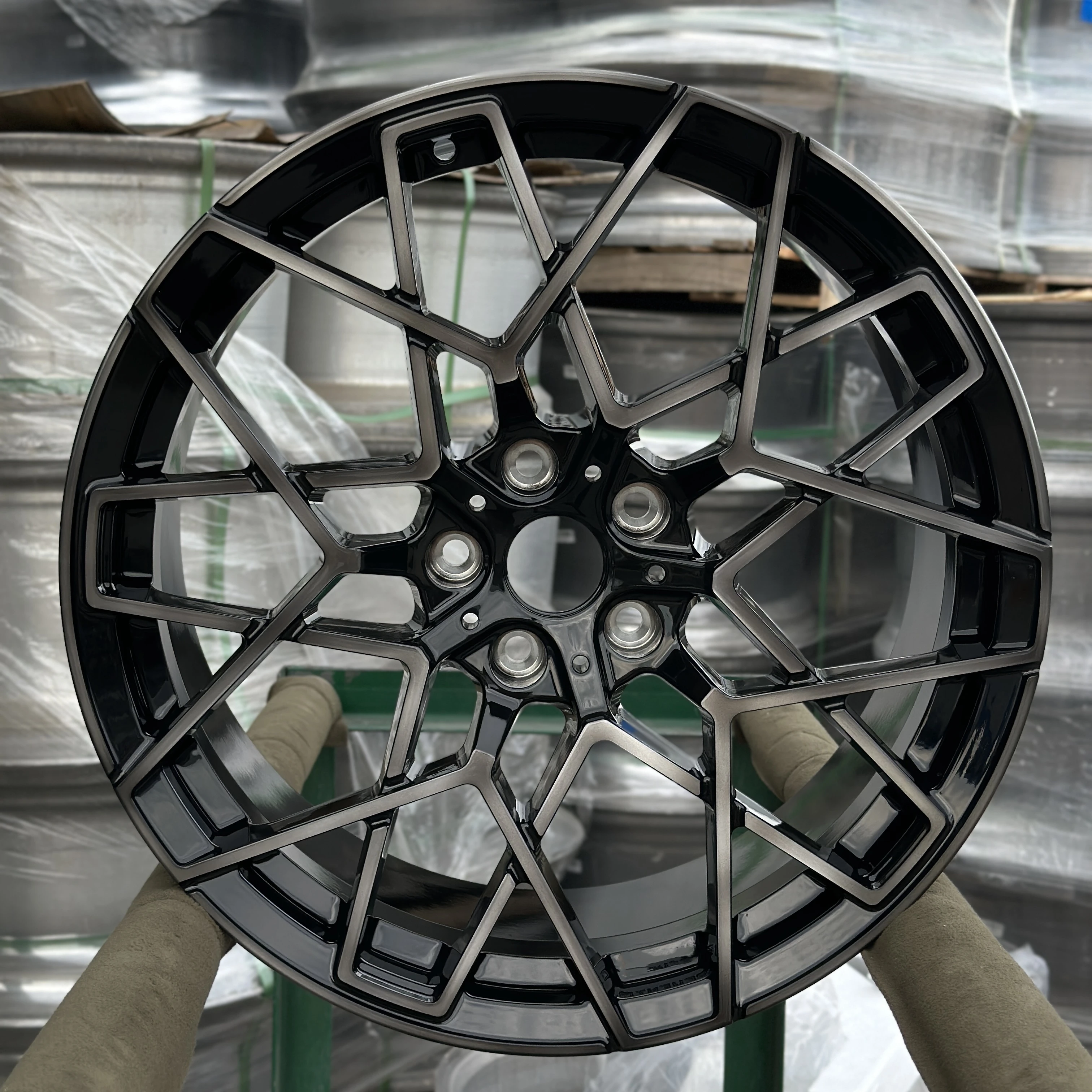
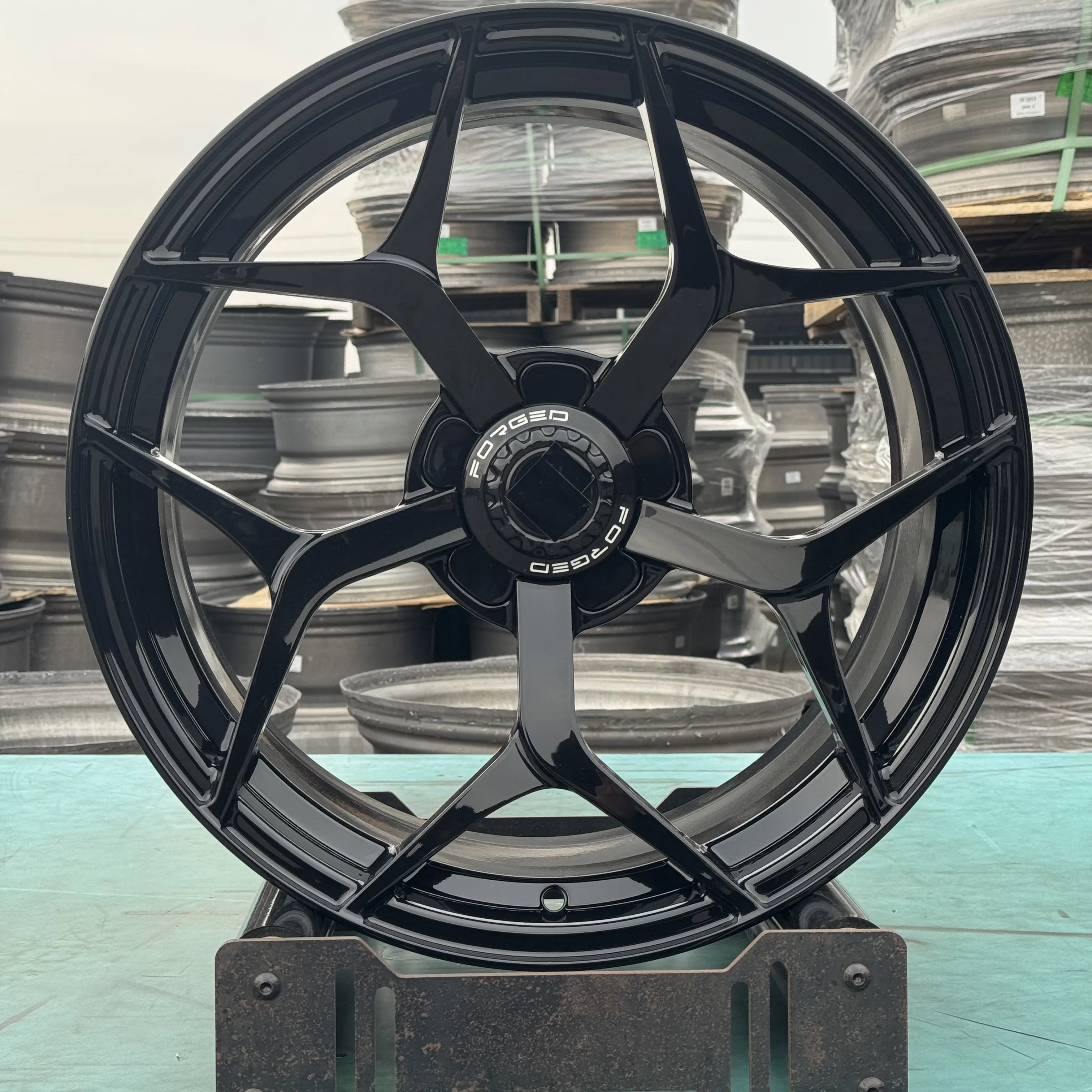
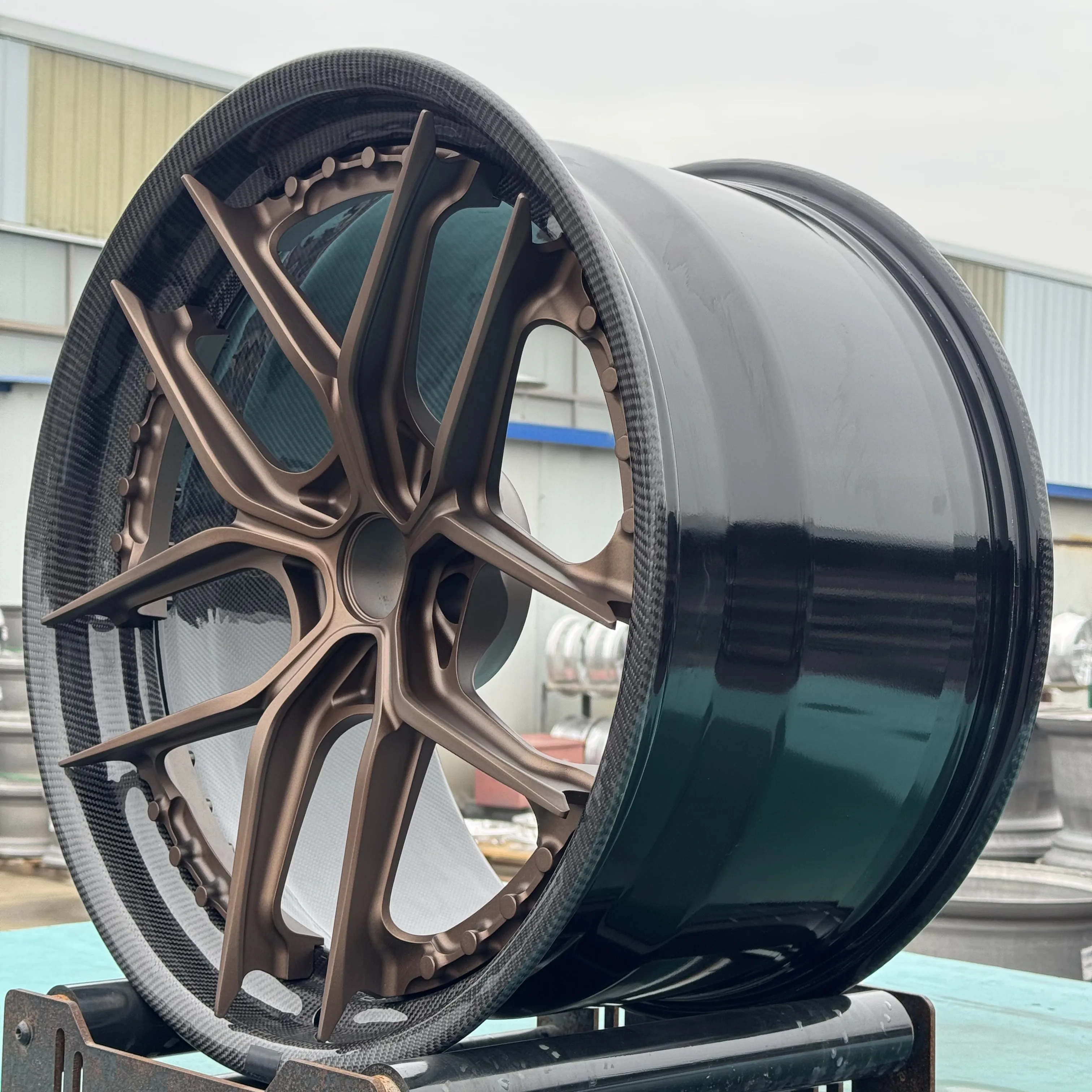
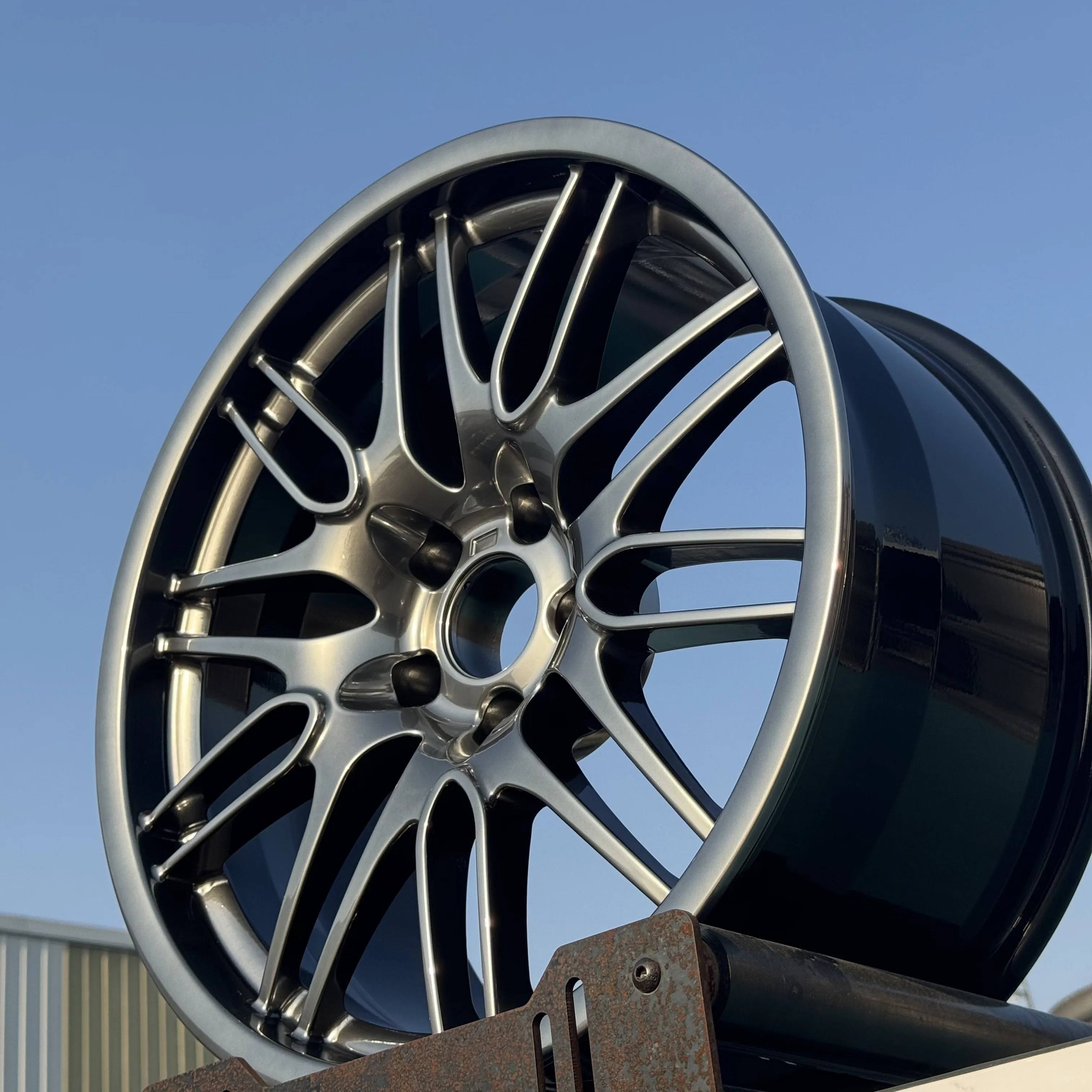
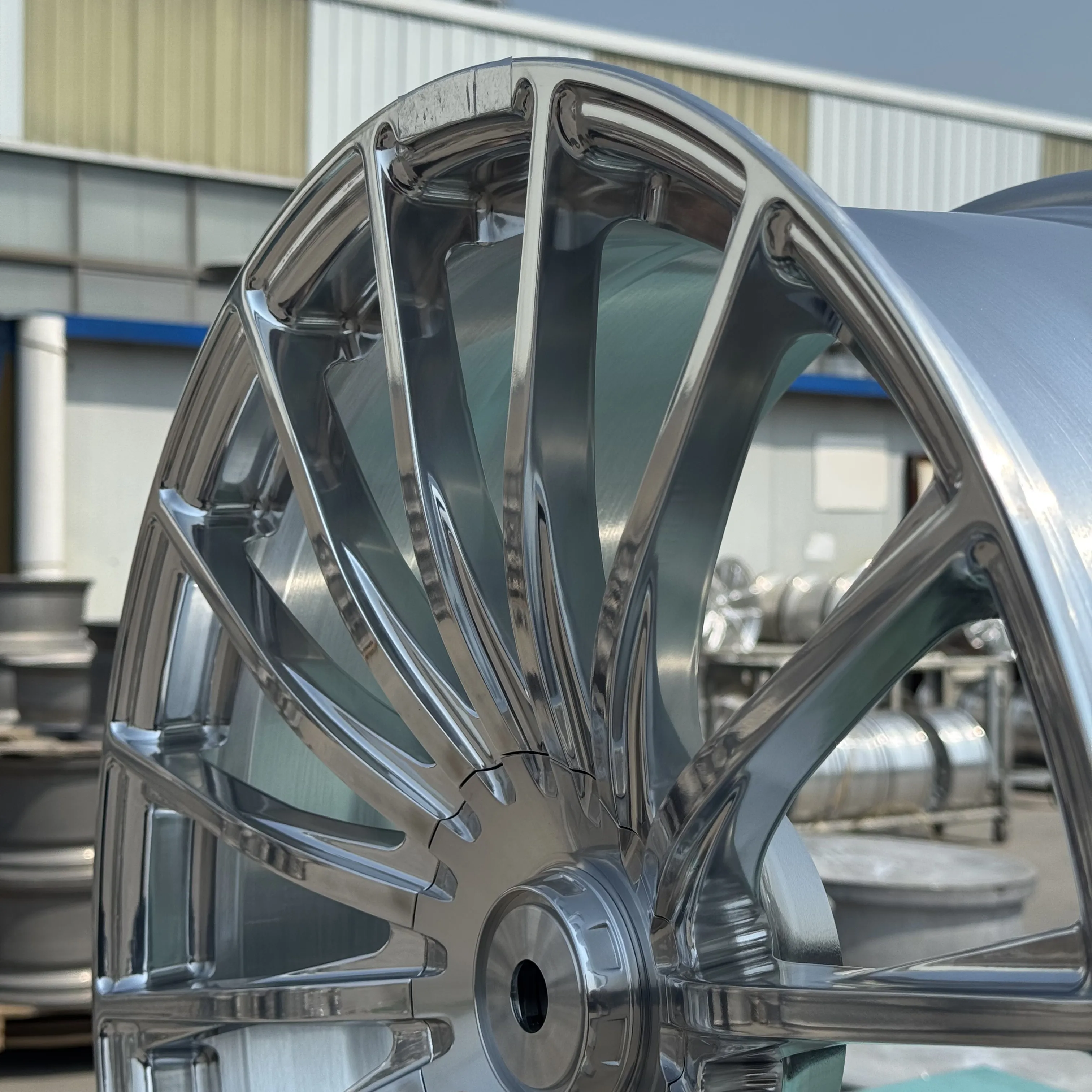
The surface treatment options for alloy wheels further expand their aesthetic appeal, with finishes ranging from polished chrome and brushed aluminum to painted surfaces in virtually any color. Advanced coating technologies enable specialized finishes such as matte black, bronze, gunmetal, and multi-tone combinations that create distinctive visual impacts. These finishing options allow vehicle owners to coordinate their wheels with other exterior elements or create striking contrasts that enhance their vehicle's overall appearance.
Size and Fitment Flexibility
Modern alloy wheels offer extensive sizing options that accommodate various performance and aesthetic goals. The strength-to-weight ratio of aluminum alloys enables the production of larger diameter wheels without excessive weight penalties, allowing for plus-sizing configurations that enhance vehicle stance and accommodate larger brake systems. This sizing flexibility enables drivers to optimize their wheel and tire combinations for specific applications, whether prioritizing comfort, performance, or visual impact.
The precision manufacturing capabilities associated with alloy wheels also ensure consistent fitment tolerances and hub-centric designs that eliminate vibrations and ensure proper load distribution. Custom offset options and specialized fitments accommodate vehicle modifications, suspension upgrades, and specific performance requirements that may not be achievable with standard steel wheel offerings.
Durability and Longevity Benefits
Corrosion Resistance Properties
High-quality alloy wheels demonstrate exceptional resistance to environmental corrosion, significantly outperforming steel wheels in challenging conditions. The aluminum alloy composition naturally forms a protective oxide layer that prevents further oxidation, while advanced coating systems provide additional protection against road salt, chemicals, and environmental contaminants. This corrosion resistance ensures that alloy wheels maintain their appearance and structural integrity throughout extended service lives, even in harsh climates where steel wheels would typically show significant deterioration.
The maintenance requirements for alloy wheels remain minimal compared to steel alternatives, requiring only regular cleaning to maintain their appearance and performance characteristics. The smooth surfaces and protective finishes resist brake dust accumulation and environmental staining, making routine maintenance more efficient and effective. This ease of maintenance contributes to the long-term value proposition of alloy wheels, as they retain their appearance and functionality with minimal ongoing investment.
Structural Integrity and Safety
Engineering advances in alloy wheel manufacturing have produced components that meet or exceed the structural requirements of their steel counterparts while providing additional safety benefits. Modern alloy wheels undergo rigorous testing protocols including impact resistance, fatigue testing, and load capacity verification to ensure they meet automotive safety standards. The controlled failure characteristics of aluminum alloys provide predictable behavior under extreme conditions, often cracking rather than catastrophically failing like steel wheels might under similar circumstances.
Quality assurance processes in alloy wheel production include dimensional verification, material testing, and finish quality control measures that ensure consistent performance across production runs. These manufacturing standards contribute to reliable service life and consistent performance characteristics that drivers can depend on across various operating conditions and applications.
Economic and Value Considerations
Fuel Economy Improvements
The weight reduction achieved through alloy wheels directly translates to measurable fuel economy improvements, particularly in urban driving scenarios with frequent acceleration and deceleration cycles. Independent testing has demonstrated that reducing unsprung weight through alloy wheels can improve fuel efficiency by two to three percent under typical driving conditions. Over the lifespan of vehicle ownership, these fuel savings can offset a significant portion of the initial investment in upgraded wheels.
The aerodynamic advantages of well-designed alloy wheels also contribute to fuel economy improvements at highway speeds. The ability to design wheels with optimized airflow characteristics reduces drag and turbulence around the wheel wells, further enhancing overall vehicle efficiency. These combined effects make alloy wheels an environmentally conscious choice that reduces both fuel consumption and associated emissions.
Resale Value Enhancement
Vehicles equipped with quality alloy wheels typically command higher resale values and attract more potential buyers in the used car market. The perceived value enhancement extends beyond the actual cost of the wheels, as they signal to buyers that the vehicle has been maintained and upgraded with quality components. This market perception can result in resale value improvements that exceed the depreciated cost of the original wheel investment.
The durability and appearance retention of alloy wheels also contribute to maintaining vehicle aesthetics throughout ownership, preventing the deteriorated appearance that often accompanies aged steel wheels. This aesthetic preservation helps maintain the vehicle's market appeal and supports stronger resale values when compared to vehicles showing signs of wheel corrosion or damage.
FAQ
How long do alloy wheels typically last compared to steel wheels
Quality alloy wheels often outlast steel wheels due to their superior corrosion resistance and structural properties. While steel wheels may show rust and deterioration within 5-7 years depending on climate conditions, well-maintained alloy wheels can provide 10-15 years of service while retaining their appearance and performance characteristics. The longevity depends on factors such as driving conditions, maintenance practices, and the quality of the original manufacturing and finishing processes.
Are alloy wheels more expensive to repair than steel wheels
Alloy wheels can be more expensive to repair than steel wheels, but they are often repairable where steel wheels might require complete replacement. Minor curb damage, scratches, and small cracks in alloy wheels can frequently be professionally repaired and refinished to restore original appearance and performance. Steel wheels with significant rust or impact damage typically require replacement, as welding repairs may compromise structural integrity and safety.
Do alloy wheels require special tire mounting procedures
Alloy wheels require careful handling during tire mounting to prevent damage to the wheel finish and ensure proper sealing. Professional tire mounting equipment includes protective measures such as plastic rim protectors and specialized mounting techniques that prevent scratching or gouging. The precise tolerances of alloy wheels also require proper balancing procedures and quality valve stems to ensure optimal performance and prevent air leaks.
Can alloy wheels be used year-round in harsh winter conditions
Modern alloy wheels are engineered to withstand harsh winter conditions including road salt, freeze-thaw cycles, and temperature extremes. Quality alloy wheels with appropriate protective coatings perform reliably in winter environments and often show less deterioration than steel wheels exposed to the same conditions. However, regular cleaning to remove road salt and chemical residues helps maximize their lifespan and appearance retention during winter months.
Recommended Products
 Hot News
-
Forged Carbon Products
2024-05-21
-
Forged Off-Road Accessories
2024-05-21
-
GVICHN Introduces Revolutionary Forged Two-Piece Product
2024-05-21
 ONLINE