How to Choose the Right Forged Wheels for Your Performance Car?
Performance car enthusiasts understand that every component matters when it comes to optimizing their vehicle's capabilities. Among the most critical upgrades you can make to enhance both aesthetics and performance are forged wheels. These precision-engineered components offer superior strength, reduced weight, and improved handling characteristics compared to traditional cast wheels. Choosing the right forged wheels for your performance car requires careful consideration of multiple factors including material composition, sizing specifications, load ratings, and compatibility with your vehicle's suspension system.
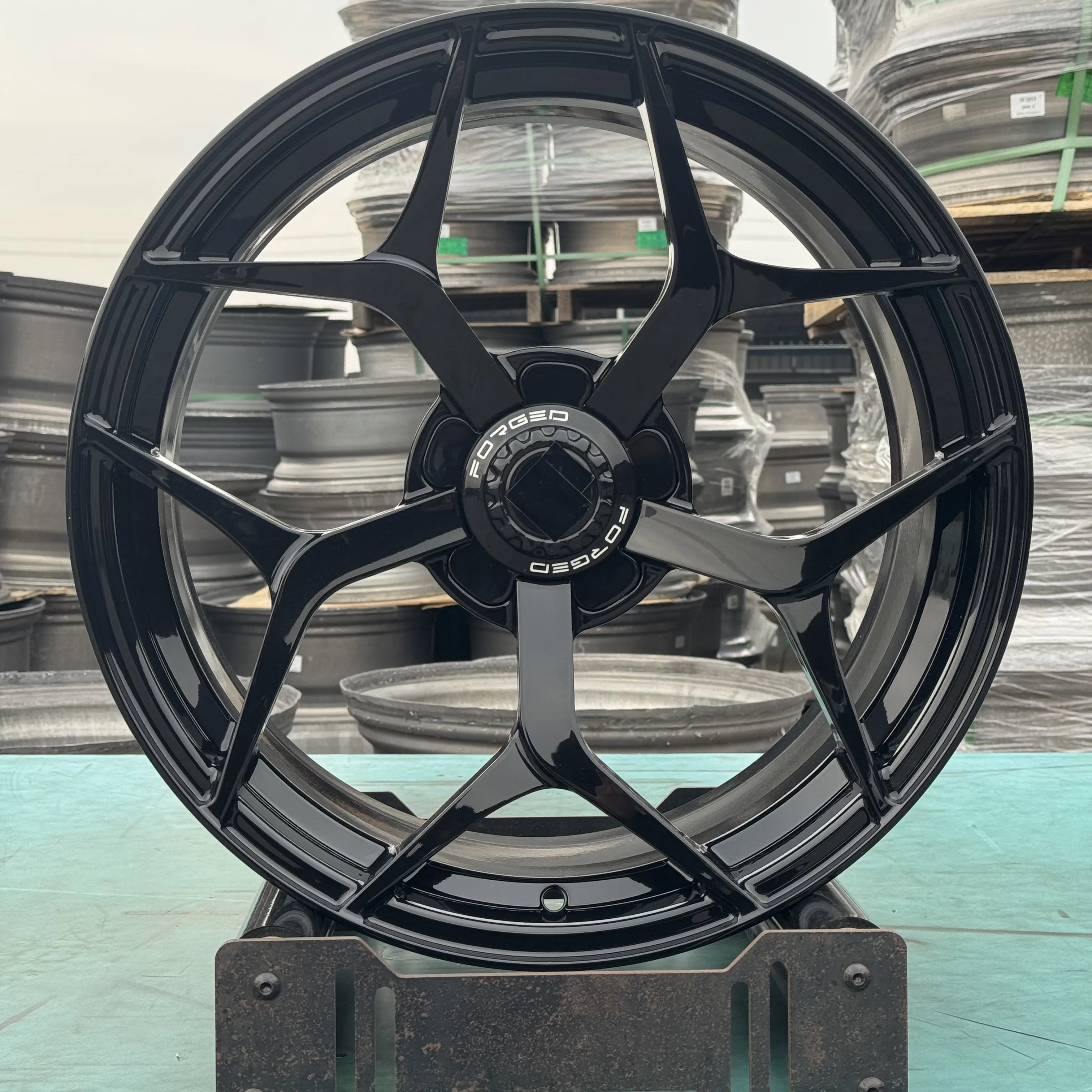
The manufacturing process behind forged wheels involves compressing aluminum alloy under extreme pressure to create a denser, stronger material structure. This process eliminates the air pockets and impurities commonly found in cast wheels, resulting in components that can withstand higher stress levels while maintaining lighter overall weight. When selecting forged wheels for your performance application, understanding these fundamental differences will help you make an informed decision that aligns with your driving goals and budget considerations.
Material Composition and Alloy Selection
6061-T6 Aluminum Alloy Benefits
The most prevalent material used in high-quality forged wheels is 6061-T6 aluminum alloy, which offers an exceptional balance of strength, weight, and corrosion resistance. This specific alloy composition contains magnesium and silicon as primary strengthening elements, creating a material that can handle the extreme forces generated during high-performance driving. The T6 heat treatment process further enhances the alloy's mechanical properties by solution heat treating and artificially aging the material to achieve optimal hardness and tensile strength.
Performance cars benefit significantly from 6061-T6 forged wheels because this material maintains structural integrity under repeated stress cycles. Unlike cast aluminum wheels that may develop micro-cracks over time, forged wheels manufactured from 6061-T6 alloy demonstrate superior fatigue resistance. This characteristic becomes particularly important for track-focused vehicles that experience repeated acceleration, braking, and cornering forces that can compromise lesser wheel materials over extended periods.
Strength-to-Weight Ratio Considerations
The strength-to-weight ratio represents one of the most crucial factors when evaluating forged wheels for performance applications. Premium forged wheels typically weigh 20-30% less than equivalent-sized cast wheels while providing 2-3 times greater tensile strength. This weight reduction translates directly into improved acceleration, braking performance, and handling responsiveness since reducing unsprung weight has a multiplicative effect on overall vehicle dynamics.
Engineers designing forged wheels optimize material distribution to achieve maximum strength where stress concentrations occur while minimizing material in areas that don't contribute to structural performance. This approach results in wheels that can handle extreme loads without unnecessary weight penalty, making them ideal for both street performance and competitive motorsport applications.
Sizing Specifications and Fitment Requirements
Diameter Selection Strategy
Modern forged wheels are available in diameters ranging from 19 to 24 inches, with each size offering distinct advantages for different performance applications. Larger diameter wheels allow for bigger brake components and lower-profile tires, which can improve handling precision and steering response. However, increasing wheel diameter also raises the risk of impact damage from road hazards and typically results in a harsher ride quality due to reduced tire sidewall height.
Performance car owners should consider their primary usage scenarios when selecting wheel diameter. Street-driven vehicles often benefit from 19-20 inch forged wheels that provide an optimal balance between performance enhancement and daily driving comfort. Track-focused applications may justify larger 21-22 inch wheels to accommodate aggressive brake systems and maximize tire contact patch characteristics, while extreme builds might utilize 23-24 inch wheels for ultimate visual impact and handling precision.
Width and Offset Optimization
Wheel width directly influences tire selection options and overall handling characteristics of performance vehicles. Wider forged wheels allow for larger tire contact patches, which can improve grip levels during acceleration, braking, and cornering. However, excessive width can lead to hydroplaning issues in wet conditions and increased susceptibility to impact damage from road debris or curb contact.
Offset specifications determine how the wheel positions relative to the suspension components and vehicle body. Proper offset selection ensures adequate clearance for brake calipers, suspension arms, and fender wells while maintaining optimal scrub radius for predictable steering characteristics. Performance forged wheels often feature aggressive offset configurations to maximize track width and improve stability, but these must be carefully matched to specific vehicle applications to avoid interference issues.
Load Rating and Safety Standards
JWL and VIA Certification Importance
Safety certifications play a critical role in ensuring forged wheels meet stringent performance and reliability standards. The JWL (Japan Light Alloy Wheel) standard requires wheels to pass rigorous impact and fatigue testing procedures that simulate real-world driving conditions. VIA (Vehicle Inspection Association) certification adds additional quality assurance by verifying manufacturing processes and material specifications meet established industry benchmarks.
Performance car applications demand forged wheels that exceed minimum safety requirements due to the increased stress levels generated during spirited driving. Wheels meeting both JWL and VIA standards demonstrate proven ability to withstand extreme loading conditions without structural failure. These certifications provide peace of mind for enthusiasts who regularly track their vehicles or participate in high-performance driving events where wheel failure could have catastrophic consequences.
Load Capacity Calculations
Determining appropriate load capacity for forged wheels requires understanding your vehicle's gross weight distribution and any additional loading from performance modifications. Standard passenger car wheels typically carry 1500-2000 pounds per wheel, but performance modifications like roll cages, racing fuel cells, or aerodynamic components can significantly increase these loads.
Premium forged wheels often exceed OEM load specifications by substantial margins, providing additional safety factors for modified vehicles. This extra capacity becomes particularly valuable for cars equipped with heavy brake upgrades, turbo systems, or other performance modifications that increase overall vehicle weight. Always verify that your selected forged wheels can handle not just current vehicle weight but also any planned future modifications.
Bolt Pattern and Hub Compatibility
5-Hole Bolt Pattern Advantages
The 5-hole bolt pattern represents the most common configuration for performance vehicles, offering superior load distribution compared to 4-hole patterns while maintaining reasonable complexity. This configuration distributes wheel mounting forces across five attachment points, reducing stress concentrations at individual bolt locations and improving overall reliability under high-performance conditions.
Forged wheels designed with 5-hole patterns typically accommodate a wide range of vehicle applications through careful engineering of bolt circle diameters and hub bore specifications. This versatility makes 5-hole forged wheels an excellent choice for enthusiasts who may change vehicles or want maximum compatibility with future upgrades. The symmetrical loading pattern also contributes to improved vibration characteristics and smoother operation at high speeds.
Hub-Centric vs Lug-Centric Designs
Hub-centric forged wheels utilize the vehicle's hub pilot diameter to center the wheel, while lug-centric designs rely on wheel bolts for centering. Hub-centric configurations provide superior concentricity and reduced vibration potential, making them preferable for high-performance applications where precision is critical. This design approach also reduces stress on wheel bolts since centering loads are carried by the hub rather than the threaded fasteners.
Performance forged wheels often incorporate hub-centric designs with tight manufacturing tolerances to ensure perfect fitment across multiple vehicle platforms. When hub diameters don't match exactly, hub-centric rings can adapt larger wheel hub bores to smaller vehicle hubs while maintaining the centering benefits. This flexibility allows single wheel designs to accommodate multiple vehicle applications without compromising performance or safety.
Customization and Aesthetic Options
Finish Selection and Durability
Surface finishes on forged wheels serve both aesthetic and protective functions, with options ranging from natural brushed aluminum to complex multi-stage powder coating systems. Popular finishes for performance applications include anodizing, which creates a durable oxide layer that resists corrosion while maintaining the metallic appearance of the underlying aluminum.
High-quality forged wheels often feature proprietary finishing processes that combine multiple techniques for optimal appearance and longevity. These advanced finishes resist brake dust accumulation, road salt corrosion, and UV degradation better than standard automotive paints. For track-focused vehicles, consider finishes that can withstand high temperatures generated by aggressive braking systems without discoloration or degradation.
Design Aesthetics and Vehicle Harmony
Selecting forged wheels that complement your performance car's design language requires balancing personal preferences with aerodynamic considerations and functional requirements. Spoke patterns, rim profiles, and overall proportions should enhance rather than conflict with existing vehicle styling elements while providing necessary clearance for brake components and suspension travel.
Modern forged wheels offer extensive customization options including spoke count variations, concave profiles, and unique design elements that can transform a vehicle's appearance. However, aesthetic modifications should never compromise structural integrity or functional performance. The best forged wheels achieve stunning visual impact while maintaining the engineering excellence required for demanding performance applications.
Installation and Maintenance Considerations
Professional Installation Requirements
Installing forged wheels requires specialized knowledge and equipment to ensure proper fitment and safety. Professional installers verify hub runout, check for suspension clearance issues, and confirm proper torque specifications for wheel bolts or lugs. Improper installation can lead to vibration problems, premature wear, or catastrophic failure during operation.
Performance forged wheels often require specific mounting procedures including hub preparation, thread cleaning, and sequential torque application patterns. Many manufacturers provide detailed installation instructions that must be followed precisely to maintain warranty coverage and ensure optimal performance. Professional installation also includes verification of tire pressure monitoring system compatibility and proper balancing procedures for high-speed stability.
Long-Term Maintenance Protocols
Maintaining forged wheels in peak condition requires regular cleaning, inspection, and periodic refinishing as needed. Use pH-neutral cleaning products specifically formulated for aluminum alloys to prevent chemical damage to protective finishes. Avoid harsh brushes or abrasive compounds that can scratch delicate surface treatments and compromise corrosion resistance.
Regular inspection protocols should include checking for impact damage, stress cracks, and finish degradation that could indicate underlying structural issues. Performance forged wheels subjected to track use require more frequent inspection due to higher stress levels and potential for debris damage. Establish maintenance schedules based on usage patterns and environmental conditions to maximize wheel longevity and performance.
FAQ
What makes forged wheels superior to cast wheels for performance applications
Forged wheels offer significantly higher strength-to-weight ratios compared to cast wheels due to their manufacturing process. The forging process compresses aluminum alloy under extreme pressure, creating denser material structure without air pockets or impurities. This results in wheels that are typically 20-30% lighter while providing 2-3 times greater tensile strength. For performance cars, this translates into improved acceleration, braking, and handling characteristics while maintaining superior durability under extreme driving conditions.
How do I determine the correct size forged wheels for my performance car
Selecting the appropriate size requires balancing performance goals with practical considerations. Start by consulting your vehicle's specifications for bolt pattern, hub bore, and load requirements. Consider your primary usage scenario: street driving typically benefits from 19-20 inch diameter wheels for optimal comfort and performance balance, while track applications may justify larger 21-22 inch wheels for maximum handling precision. Always verify clearance with brake components, suspension parts, and fender wells before final selection.
Are aftermarket forged wheels safe for daily driving and track use
High-quality forged wheels with proper certifications like JWL and VIA standards are engineered to exceed OEM safety requirements and are perfectly safe for both daily driving and track use. Premium manufacturers subject their wheels to rigorous testing including impact, fatigue, and load testing that simulates extreme operating conditions. However, always ensure your selected wheels meet or exceed your vehicle's load rating and are properly installed by qualified professionals following manufacturer specifications.
What maintenance is required to keep forged wheels in optimal condition
Regular maintenance includes cleaning with pH-neutral aluminum-safe products, periodic inspection for damage or wear, and proper torque checking of mounting hardware. Avoid harsh chemicals, abrasive cleaners, or automatic car washes that can damage protective finishes. For track-driven vehicles, increase inspection frequency to identify potential stress cracks or impact damage early. Professional refinishing may be required periodically to maintain appearance and protective properties of wheel finishes, especially in harsh environmental conditions.
Recommended Products
 Hot News
-
Forged Carbon Products
2024-05-21
-
Forged Off-Road Accessories
2024-05-21
-
GVICHN Introduces Revolutionary Forged Two-Piece Product
2024-05-21
 ONLINE