What Are the Performance Advantages of Forged Wheels for High-End Vehicles?
High-end vehicles demand components that match their exceptional performance capabilities, and forged wheels represent the pinnacle of automotive wheel technology. These precision-engineered components offer superior strength, reduced weight, and enhanced durability compared to traditional cast wheels. Understanding the performance advantages of forged wheels is essential for automotive enthusiasts, racing professionals, and luxury vehicle owners who seek to maximize their vehicle's potential while maintaining the highest standards of safety and performance.
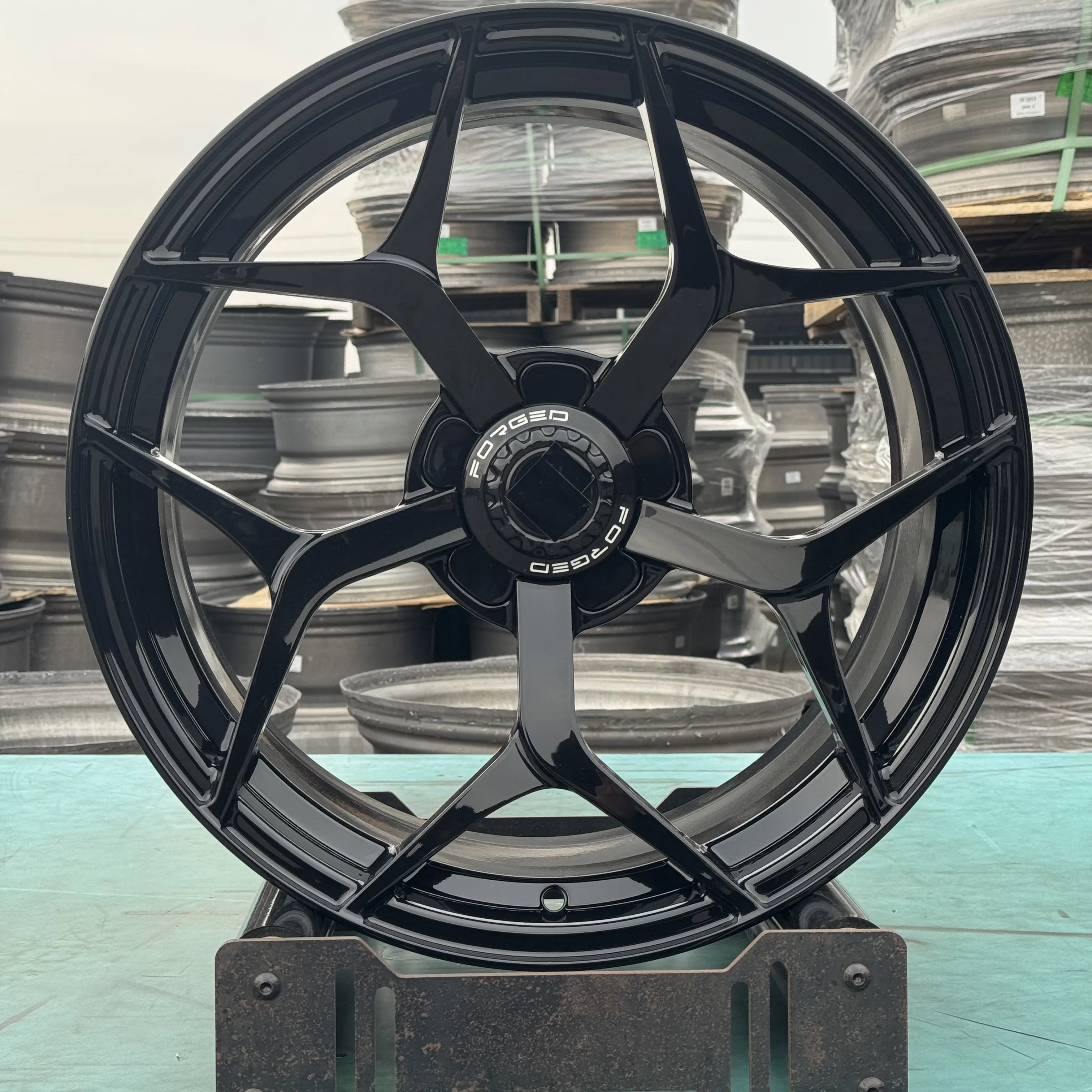
Superior Strength and Structural Integrity
Enhanced Material Properties Through Forging
The forging process fundamentally transforms aluminum alloy into a stronger, more durable material through controlled deformation under extreme pressure. This manufacturing technique aligns the grain structure of the aluminum, creating continuous metal flow that eliminates weak points commonly found in cast wheels. The result is a wheel that can withstand significantly higher stress levels without compromising structural integrity. Professional racing teams consistently choose forged wheels because of their ability to handle the extreme forces generated during high-speed cornering, braking, and acceleration without failure.
The molecular-level changes that occur during forging create a material density that is 10-15% higher than cast alternatives. This increased density translates directly into improved impact resistance and fatigue life. High-end vehicles operating under demanding conditions benefit from this enhanced durability, as forged wheels maintain their structural properties even after extended periods of aggressive driving. The superior material characteristics also contribute to better dimensional stability under thermal cycling, ensuring consistent performance across varying temperature conditions.
Resistance to Stress and Fatigue
Forged wheels demonstrate exceptional resistance to cyclic loading, which is particularly important for vehicles that experience frequent acceleration and deceleration cycles. The refined grain structure achieved through forging eliminates the porosity and internal defects that can serve as crack initiation points in cast wheels. This characteristic makes forged wheels ideal for track applications where wheels must endure thousands of loading cycles without developing stress-related failures. The improved fatigue resistance extends the service life of the wheels, providing better long-term value for high-performance applications.
Testing data consistently shows that forged wheels can withstand impact loads that would cause cast wheels to crack or fail completely. This enhanced impact resistance is crucial for high-end vehicles that may encounter road hazards at elevated speeds. The ability to absorb and distribute impact energy more effectively protects both the wheel and the vehicle's suspension components from damage, contributing to overall vehicle safety and reliability.
Weight Reduction and Performance Benefits
Unsprung Weight Optimization
One of the most significant performance advantages of forged wheels lies in their reduced weight compared to cast alternatives of equivalent strength. The superior material properties allow engineers to design wheels with thinner sections while maintaining structural integrity, resulting in weight savings of 15-25% in typical applications. This reduction in unsprung weight has profound effects on vehicle dynamics, improving acceleration, braking performance, and suspension responsiveness. High-performance vehicles benefit dramatically from this weight reduction, as every pound removed from the wheels translates into improved power-to-weight ratios and enhanced handling characteristics.
The reduced rotational mass of forged wheels decreases the gyroscopic effect during steering inputs, allowing for more precise and responsive handling. This characteristic is particularly valuable in sports cars and racing applications where quick directional changes are essential for optimal performance. The lower rotational inertia also reduces the load on the drivetrain components, potentially improving fuel efficiency and reducing wear on transmission and differential components.
Improved Heat Dissipation
The manufacturing process used to create forged wheels results in improved thermal conductivity compared to cast wheels. The refined material structure facilitates better heat transfer from the brake components to the surrounding air, helping to maintain optimal braking performance during extended high-speed driving. This enhanced heat dissipation capability is particularly important for high-end vehicles equipped with high-performance brake systems that generate substantial thermal energy during aggressive driving or track use.
Better thermal management contributes to consistent braking performance and reduces the risk of brake fade during demanding driving conditions. The improved heat dissipation also helps protect brake fluid from excessive temperature buildup, maintaining proper brake system function even under extreme conditions. This thermal advantage makes forged wheels an essential component for vehicles designed for track use or spirited driving on challenging roads.
Enhanced Vehicle Dynamics and Handling
Improved Suspension Performance
The reduced unsprung weight of forged wheels allows suspension systems to function more effectively by reducing the mass that must be controlled during wheel movement. This improvement enables the suspension to better maintain tire contact with the road surface over irregular terrain, improving both traction and ride quality. High-end vehicles with sophisticated suspension systems realize the full potential of their engineering when equipped with lightweight forged wheels that don't compromise the suspension's ability to respond quickly to changing road conditions.
The enhanced suspension performance translates into better handling characteristics, particularly during dynamic maneuvers such as lane changes or emergency avoidance situations. The reduced unsprung mass allows the tires to follow road contours more precisely, maintaining optimal contact patch area and improving overall vehicle stability. This characteristic is especially valuable for luxury vehicles that must balance performance capabilities with ride comfort.
Precision and Responsiveness
Forged wheels contribute to improved steering precision through their enhanced stiffness characteristics and reduced weight. The combination of structural rigidity and lower rotational inertia results in more immediate steering response and better feedback to the driver. This enhanced precision is particularly noticeable during high-speed cornering or when navigating technical driving routes where accurate wheel placement is critical for optimal performance.
The improved responsiveness extends beyond steering inputs to include acceleration and braking performance. The reduced rotational mass allows engines to spin the wheels more quickly during acceleration, improving launch performance and reducing the time required to reach desired speeds. Similarly, the lower mass requires less energy to decelerate during braking, contributing to shorter stopping distances and improved overall vehicle dynamics.
Durability and Long-Term Performance
Extended Service Life
The superior material properties and manufacturing quality of forged wheels result in significantly extended service life compared to cast alternatives. The elimination of porosity and internal defects through the forging process creates a wheel that maintains its structural integrity over extended periods of use. High-end vehicle owners appreciate this durability, as it reduces the frequency of wheel replacement and provides consistent performance characteristics throughout the wheel's service life.
The enhanced durability is particularly valuable for vehicles that experience varied driving conditions or frequent use. Forged wheels maintain their dimensional accuracy and balance characteristics even after extended periods of use, contributing to consistent ride quality and performance. This long-term stability reduces maintenance requirements and ensures that the vehicle's performance characteristics remain consistent over time.
Resistance to Environmental Factors
Forged wheels demonstrate superior resistance to environmental factors such as corrosion, thermal cycling, and mechanical wear. The refined material structure and surface treatments applied during manufacturing provide enhanced protection against the elements, maintaining both appearance and performance over extended periods. This resistance is particularly important for luxury vehicles that must maintain their aesthetic appeal while delivering consistent performance in various environmental conditions.
The improved environmental resistance extends to resistance against road salt, brake dust, and other contaminants that can degrade wheel performance and appearance over time. High-quality forged wheels maintain their finish and structural properties even when exposed to harsh conditions, providing long-term value for discerning vehicle owners who demand both performance and appearance.
Manufacturing Excellence and Quality Control
Precision Manufacturing Processes
The production of forged wheels involves sophisticated manufacturing processes that ensure consistent quality and dimensional accuracy. Computer-controlled forging presses apply precise pressure patterns to shape the aluminum alloy while maintaining optimal material properties throughout the wheel structure. This precision manufacturing approach results in wheels that meet strict tolerances and deliver consistent performance characteristics across production runs.
Advanced quality control systems monitor every aspect of the forging process, from initial material preparation through final finishing operations. This comprehensive approach ensures that each wheel meets the demanding specifications required for high-performance applications. The attention to detail in manufacturing translates directly into improved reliability and performance consistency for end users.
Material Selection and Treatment
Premium forged wheels utilize carefully selected aluminum alloys that are specifically formulated for high-performance applications. The most common alloys, such as 6061-T6, provide an optimal balance of strength, weight, and machinability while maintaining excellent corrosion resistance. The heat treatment processes applied during manufacturing further enhance material properties, creating wheels that exceed the performance characteristics of standard cast alternatives.
The material selection process considers factors such as fatigue resistance, thermal properties, and compatibility with various finishing processes. This comprehensive approach to material engineering ensures that forged wheels deliver consistent performance across a wide range of operating conditions while maintaining their appearance and structural integrity over extended service periods.
Cost-Benefit Analysis for High-End Applications
Performance Value Proposition
While forged wheels represent a significant initial investment, their performance advantages and extended service life provide compelling value for high-end vehicle applications. The combination of weight reduction, improved strength, and enhanced durability translates into measurable performance improvements that justify the premium cost for serious automotive enthusiasts. Professional racing teams consistently choose forged wheels despite their higher cost because the performance advantages directly contribute to competitive success.
The long-term cost benefits become apparent when considering factors such as reduced maintenance requirements, extended service life, and improved fuel efficiency due to weight reduction. High-end vehicle owners who prioritize performance and quality find that forged wheels provide excellent value when evaluated over the entire ownership period rather than just initial purchase price.
Total Ownership Experience
Forged wheels contribute to an enhanced ownership experience through their combination of performance, durability, and aesthetic appeal. The confidence that comes from knowing your vehicle is equipped with the finest wheel technology available enhances the driving experience and provides peace of mind during demanding driving situations. This intangible benefit is particularly important for luxury vehicle owners who expect the highest levels of quality and performance from every component.
The reduced maintenance requirements and consistent performance characteristics of forged wheels contribute to lower total cost of ownership over the vehicle's lifetime. The ability to maintain optimal performance characteristics without frequent replacement or service makes forged wheels an intelligent investment for serious automotive enthusiasts who demand the best from their vehicles.
FAQ
What makes forged wheels stronger than cast wheels
Forged wheels achieve superior strength through a manufacturing process that compresses and shapes aluminum alloy under extreme pressure, aligning the material's grain structure and eliminating internal defects. This process creates a denser, more uniform material structure that can withstand significantly higher stress levels than cast wheels, which are formed by pouring molten aluminum into molds and may contain porosity or weak points.
How much weight can be saved by switching to forged wheels
Typical weight savings from switching to forged wheels range from 15-25% compared to cast wheels of equivalent size and strength. For a set of four wheels, this can represent a reduction of 20-40 pounds of unsprung weight, depending on wheel size and design. This weight reduction has significant benefits for acceleration, braking, suspension performance, and fuel efficiency.
Are forged wheels worth the additional cost for street driving
For high-end vehicles and performance-oriented drivers, forged wheels provide measurable benefits even in street driving applications. The improved handling response, better brake cooling, enhanced durability, and weight reduction contribute to a superior driving experience. While the initial cost is higher, the extended service life and performance benefits often justify the investment for owners who prioritize quality and performance.
How do forged wheels improve braking performance
Forged wheels enhance braking performance through multiple mechanisms: their lighter weight reduces the rotational mass that must be decelerated, their improved thermal conductivity helps dissipate heat from brake components more effectively, and their structural rigidity provides better support for high-performance brake systems. These factors combine to deliver shorter stopping distances and more consistent braking performance under demanding conditions.
Recommended Products
 Hot News
-
Forged Carbon Products
2024-05-21
-
Forged Off-Road Accessories
2024-05-21
-
GVICHN Introduces Revolutionary Forged Two-Piece Product
2024-05-21
 ONLINE