How Can Alloy Wheels Improve Your Vehicle's Fuel Efficiency and Handling?
Modern vehicle performance demands more than just a powerful engine or advanced suspension system. The choice of wheels plays a crucial role in determining how efficiently your car operates and how well it handles on various road conditions. Alloy wheels have emerged as a superior alternative to traditional steel wheels, offering significant improvements in both fuel efficiency and vehicle handling characteristics. Understanding the science behind these benefits can help drivers make informed decisions about upgrading their vehicle's performance components.
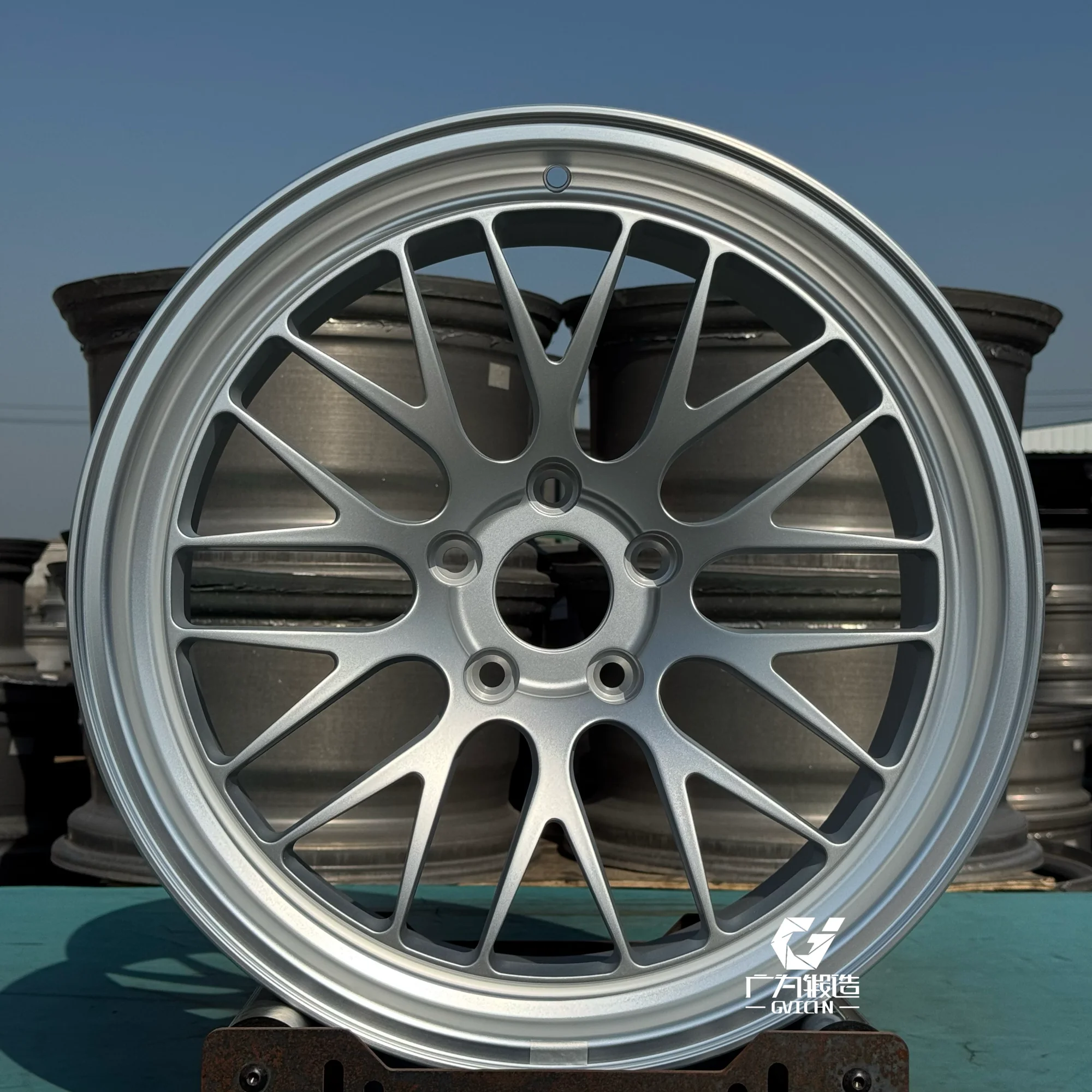
The automotive industry has witnessed a remarkable shift toward lightweight materials in recent decades, with alloy wheels leading this transformation. These precision-engineered components combine aluminum with other metals to create wheels that are significantly lighter than their steel counterparts while maintaining superior strength and durability. This weight reduction translates directly into improved vehicle dynamics, reduced fuel consumption, and enhanced overall performance across various driving conditions.
The Science Behind Alloy Wheel Weight Reduction
Material Composition and Manufacturing Advantages
The fundamental advantage of alloy wheels stems from their unique material composition, which typically combines aluminum with magnesium, silicon, or other lightweight metals. This sophisticated metallurgy creates a wheel structure that weighs approximately 30-50% less than equivalent steel wheels. The reduced unsprung weight directly impacts vehicle performance by decreasing the energy required to accelerate, decelerate, and change direction.
Manufacturing processes for alloy wheels involve advanced techniques such as casting, forging, or flow forming, each contributing to optimal weight distribution and structural integrity. These methods allow engineers to create complex designs with varying thickness profiles, placing material precisely where strength is needed while removing excess weight from non-critical areas. The result is a wheel that maximizes performance benefits while maintaining safety standards.
Impact on Vehicle Dynamics
Unsprung weight reduction through alloy wheels creates a cascading effect throughout the vehicle's suspension system. When wheels are lighter, the suspension components can respond more quickly to road irregularities, improving tire contact with the road surface. This enhanced contact patch directly translates to better traction, more predictable handling characteristics, and improved braking performance across various driving scenarios.
The reduced rotational mass of alloy wheels also means that less energy is required to overcome inertia during acceleration and braking. This fundamental physics principle explains why vehicles equipped with lightweight wheels often demonstrate superior acceleration performance and shorter stopping distances. The energy savings from reduced rotational mass contribute significantly to overall fuel efficiency improvements.
Fuel Efficiency Benefits of Alloy Wheels
Reduced Energy Requirements for Acceleration
The primary mechanism through which alloy wheels improve fuel efficiency lies in their reduced rotational inertia. When a vehicle accelerates, the engine must overcome both the linear inertia of the vehicle's mass and the rotational inertia of the wheels and tires. Lighter wheels require less energy to spin up to speed, allowing the engine to operate more efficiently during acceleration phases.
Studies conducted by automotive engineers have demonstrated that reducing wheel weight by just one pound can result in fuel economy improvements of up to 1-2%. For a typical set of four wheels, this weight reduction can translate to measurable improvements in miles per gallon, particularly in stop-and-go driving conditions where frequent acceleration is required. These savings become especially significant for fleet operators or drivers who cover substantial daily distances.
Enhanced Aerodynamic Properties
Modern alloy wheels feature sophisticated designs that can improve vehicle aerodynamics compared to traditional steel wheels with plastic hubcaps. The precise manufacturing capabilities of alloy wheel production allow for complex spoke patterns and surface treatments that can reduce air turbulence around the wheel wells. Some alloy wheels incorporate aerodynamic features specifically designed to channel airflow in ways that reduce drag coefficient.
The improved aerodynamic characteristics become increasingly important at highway speeds, where air resistance represents a significant portion of the energy required to maintain velocity. Well-designed alloy wheels can contribute to reduced wind noise, improved stability at high speeds, and measurable fuel economy gains during highway driving conditions.
Handling Performance Improvements
Enhanced Steering Response and Precision
The reduced unsprung weight of alloy wheels creates immediate improvements in steering response and overall handling precision. When drivers turn the steering wheel, lighter wheels require less force to change direction, resulting in more immediate and predictable vehicle response. This enhanced responsiveness becomes particularly noticeable during cornering maneuvers, emergency avoidance situations, or precise driving requirements.
Professional racing applications have long recognized the handling advantages of lightweight wheels, with competition vehicles utilizing advanced alloy wheel designs to maximize performance. These same principles apply to street driving, where improved steering precision translates to increased driver confidence, reduced fatigue during long drives, and enhanced overall vehicle control in various weather conditions.
Improved Suspension Performance
The relationship between wheel weight and suspension performance extends beyond simple weight reduction. Lighter alloy wheels allow suspension components to work more effectively by reducing the mass they must control. This improved suspension performance manifests as better ride quality, more consistent tire contact with road surfaces, and enhanced traction during acceleration, braking, and cornering events.
Shock absorbers and struts can respond more quickly to road irregularities when controlling lighter wheel assemblies, resulting in improved bump absorption and reduced body roll during cornering. The enhanced suspension performance contributes to both comfort and safety, particularly on uneven road surfaces or during aggressive driving maneuvers where maintaining tire contact is crucial for vehicle control.
Heat Dissipation and Brake Performance
Superior Thermal Management
Alloy wheels provide superior heat dissipation characteristics compared to steel wheels, which becomes particularly important during braking operations. The aluminum construction of alloy wheels conducts heat more efficiently than steel, allowing brake heat to dissipate more rapidly through the wheel structure. This improved thermal management helps prevent brake fade during demanding driving conditions.
The spoke designs common in alloy wheels create additional surface area for heat dissipation and allow improved airflow around brake components. This enhanced cooling capability becomes especially valuable during mountain driving, towing operations, or performance driving scenarios where brake systems generate substantial heat. Cooler brake components maintain more consistent performance and demonstrate improved longevity.
Brake System Integration Benefits
Modern alloy wheels are often designed to accommodate larger brake disc diameters and caliper configurations, enabling brake system upgrades that would be difficult or impossible with steel wheels. The structural strength of quality alloy wheels supports the increased forces generated by high-performance brake systems while maintaining appropriate safety margins.
The precise manufacturing tolerances achievable with alloy wheels also contribute to improved brake rotor alignment and reduced runout, resulting in smoother brake operation and reduced vibration during braking events. These factors combine to create a more refined driving experience and improved overall vehicle safety performance.
Long-Term Cost Considerations
Fuel Savings Over Vehicle Lifetime
While alloy wheels represent a higher initial investment compared to steel alternatives, the fuel efficiency improvements they provide can result in significant long-term savings. For drivers who cover substantial annual mileage, the cumulative fuel savings from improved efficiency can offset the additional wheel cost over the vehicle's ownership period.
Fleet operators and commercial vehicle applications often realize even greater returns on investment due to higher annual mileage figures and the compounding effect of fuel savings across multiple vehicles. The improved handling characteristics also contribute to reduced tire wear and potentially lower maintenance costs over time, further enhancing the economic benefits of alloy wheels.
Durability and Maintenance Factors
Quality alloy wheels demonstrate excellent durability characteristics when properly maintained, often lasting the lifetime of the vehicle without requiring replacement. The corrosion resistance of aluminum alloys surpasses that of steel wheels, particularly in climates where road salt is used during winter months. This enhanced corrosion resistance helps maintain both appearance and structural integrity over extended service periods.
The improved brake cooling provided by alloy wheels can extend brake component life by reducing thermal stress on pads, rotors, and brake fluid. These secondary benefits contribute to lower overall vehicle maintenance costs and improved reliability, factors that enhance the total value proposition of upgrading to alloy wheels.
Selection Criteria for Optimal Performance
Size and Fitment Considerations
Proper alloy wheels selection requires careful attention to size, offset, and bolt pattern specifications to ensure optimal performance benefits. Wheels that are too large or improperly fitted can actually reduce fuel efficiency and handling performance despite their lightweight construction. Professional consultation or careful research is essential to identify wheels that provide maximum benefits for specific vehicle applications.
The relationship between wheel size and tire sidewall height affects both ride quality and performance characteristics. Larger diameter alloy wheels often accommodate lower profile tires, which can improve handling precision but may result in a firmer ride quality. Balancing these factors according to individual driving preferences and requirements ensures optimal results from wheel upgrades.
Quality and Manufacturing Standards
The performance benefits of alloy wheels depend significantly on manufacturing quality and material specifications. Wheels produced to higher standards using superior alloys and precision manufacturing processes deliver better performance, durability, and safety characteristics. Investment in quality wheels ensures that the expected fuel efficiency and handling improvements are realized over the vehicle's service life.
Professional installation and proper torque specifications are crucial for realizing the full benefits of alloy wheels while maintaining vehicle safety. Regular inspection and maintenance help preserve both performance benefits and structural integrity, ensuring that the wheels continue to deliver their intended advantages throughout their service life.
FAQ
How much fuel efficiency improvement can I expect from switching to alloy wheels?
The fuel efficiency improvement from alloy wheels typically ranges from 1-5% depending on your driving conditions, vehicle type, and the weight difference between your original wheels and the new alloy wheels. Stop-and-go city driving shows more dramatic improvements than highway driving, as the reduced rotational inertia provides the greatest benefit during acceleration phases. For most drivers, this translates to savings of 0.5-2 miles per gallon, which can result in meaningful cost savings over time.
Will alloy wheels improve my vehicle's handling in all weather conditions?
Alloy wheels improve handling characteristics in all weather conditions through reduced unsprung weight and enhanced suspension response. However, the tire compound and tread pattern have a much greater impact on wet or snow traction than the wheel material itself. The improved steering precision and suspension performance from alloy wheels do contribute to better vehicle control in challenging conditions, but appropriate tires remain the primary factor for weather-specific traction performance.
Are there any disadvantages to upgrading to alloy wheels?
The primary disadvantages of alloy wheels include higher initial cost, potential for cosmetic damage from curb impacts, and in some cases, a firmer ride quality when paired with lower profile tires. Alloy wheels may also require more careful maintenance to preserve their appearance compared to steel wheels with hubcaps. However, for most drivers, the performance benefits in fuel efficiency and handling outweigh these considerations, particularly when quality wheels are properly selected and maintained.
How do I know if aftermarket alloy wheels will fit my vehicle properly?
Proper wheel fitment requires matching several specifications including bolt pattern, center bore diameter, offset, and load rating to your vehicle's requirements. The wheel diameter and width must also be compatible with your vehicle's suspension clearances and tire size requirements. Consulting with tire and wheel professionals or using manufacturer fitment guides ensures that your selected alloy wheels will provide optimal performance benefits without compromising safety or causing clearance issues with brake components or suspension parts.
Recommended Products
 Hot News
-
Forged Carbon Products
2024-05-21
-
Forged Off-Road Accessories
2024-05-21
-
GVICHN Introduces Revolutionary Forged Two-Piece Product
2024-05-21
 ONLINE