Custom Fit and Finish: Core Advantages of 3-Piece Forged Wheels
The automotive industry has witnessed a revolutionary transformation in wheel manufacturing technology, with 3-piece forged wheels emerging as the pinnacle of performance and aesthetics. These sophisticated wheel systems represent the perfect fusion of engineering excellence and customizable design, offering vehicle owners unprecedented control over their ride's appearance and functionality. Unlike traditional cast wheels, 3-piece forged wheels provide superior strength-to-weight ratios while maintaining the flexibility to accommodate specific fitment requirements across diverse vehicle platforms.
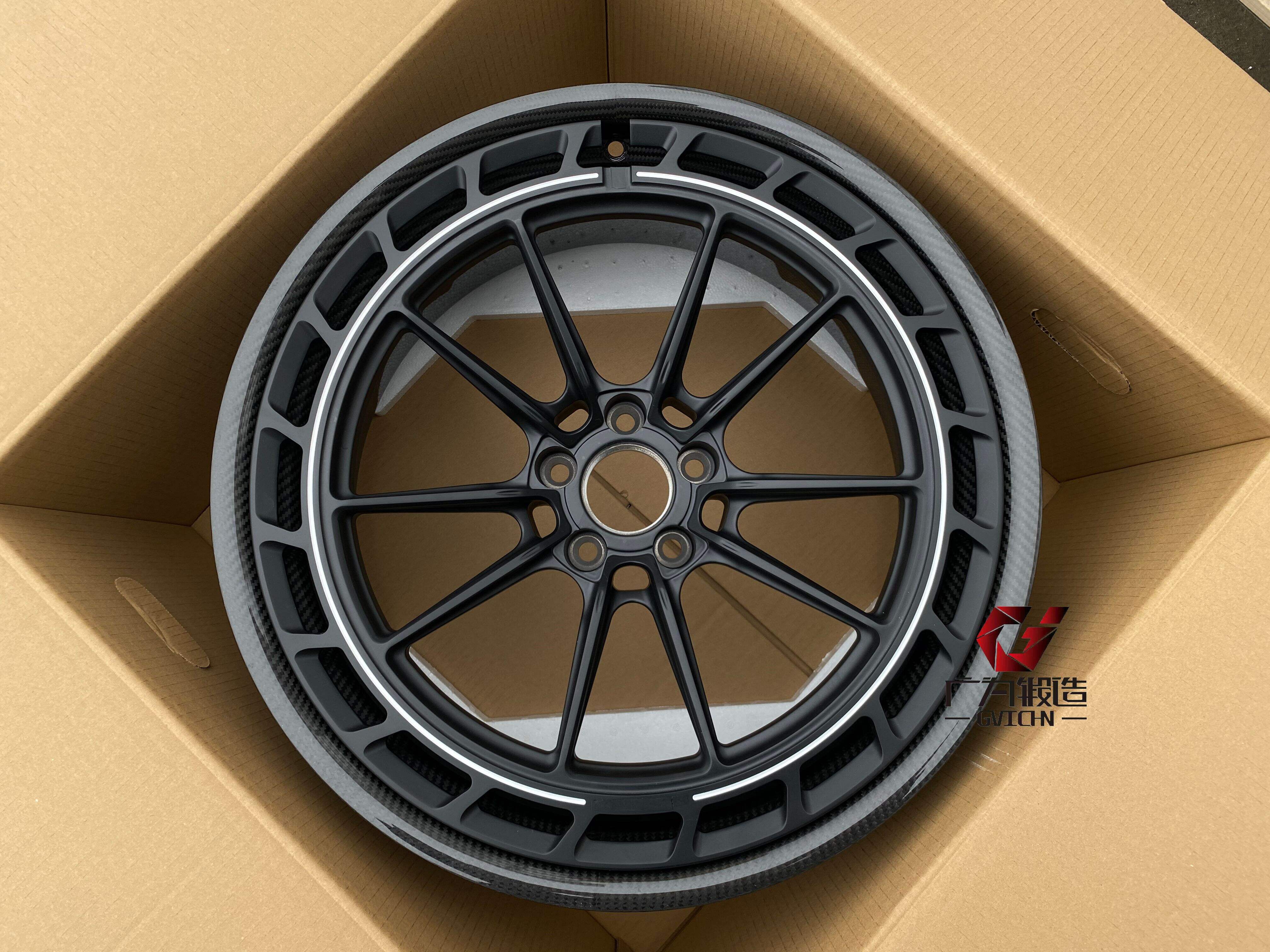
The modular construction of 3-piece forged wheels allows manufacturers to create virtually limitless combinations of barrel depths, face profiles, and finishing options. This flexibility addresses the growing demand for personalized automotive solutions in both high-performance and luxury vehicle segments. Professional racing teams and discerning enthusiasts have long recognized the technical advantages these wheels provide, from reduced unsprung weight to enhanced heat dissipation capabilities.
Engineering Excellence in Modular Wheel Design
Advanced Manufacturing Processes
The production of 3-piece forged wheels involves sophisticated manufacturing techniques that far exceed the capabilities of conventional casting methods. Each component undergoes individual forging processes using high-grade aluminum alloys, typically 6061-T6 or similar aerospace-grade materials. The forging process applies tremendous pressure to compress the aluminum billet, eliminating porosity and creating a denser, stronger metal structure that can withstand extreme stress conditions.
Temperature control during the forging process plays a critical role in achieving optimal material properties. The aluminum billets are heated to precise temperatures before being shaped under hydraulic presses capable of generating forces exceeding 10,000 tons. This controlled environment ensures consistent grain structure throughout each component, resulting in predictable performance characteristics and enhanced fatigue resistance compared to cast alternatives.
Material Science Advantages
The metallurgical properties of forged aluminum significantly outperform cast materials in several key areas. Forged 3-piece forged wheels exhibit superior tensile strength, often exceeding 45,000 PSI compared to the 25,000-30,000 PSI typical of cast wheels. This increased strength allows for more aggressive wheel designs with thinner spoke sections and reduced overall weight without compromising structural integrity.
Heat treatment processes following the initial forging further enhance the mechanical properties of 3-piece forged wheels. The T6 temper treatment involves solution heat treatment followed by artificial aging, which optimizes the precipitation of strengthening phases within the aluminum matrix. This process results in peak strength and hardness while maintaining adequate ductility for impact resistance in demanding applications.
Customization Capabilities and Fitment Solutions
Barrel Configuration Options
One of the most significant advantages of 3-piece forged wheels lies in their ability to accommodate diverse barrel configurations for specific vehicle applications. The modular design allows manufacturers to adjust barrel depth and width independently of the face design, enabling perfect fitment for vehicles with unique offset requirements or brake clearance challenges. This flexibility is particularly valuable for high-performance vehicles equipped with large brake systems or custom suspension setups.
Professional wheel manufacturers can create custom barrel profiles ranging from conservative concave designs to aggressive deep-dish configurations. The ability to modify barrel parameters without redesigning the entire wheel structure reduces development costs and lead times while ensuring optimal performance characteristics. This modularity also enables the creation of staggered wheel setups with different front and rear specifications using common face components.
Finish and Aesthetic Versatility
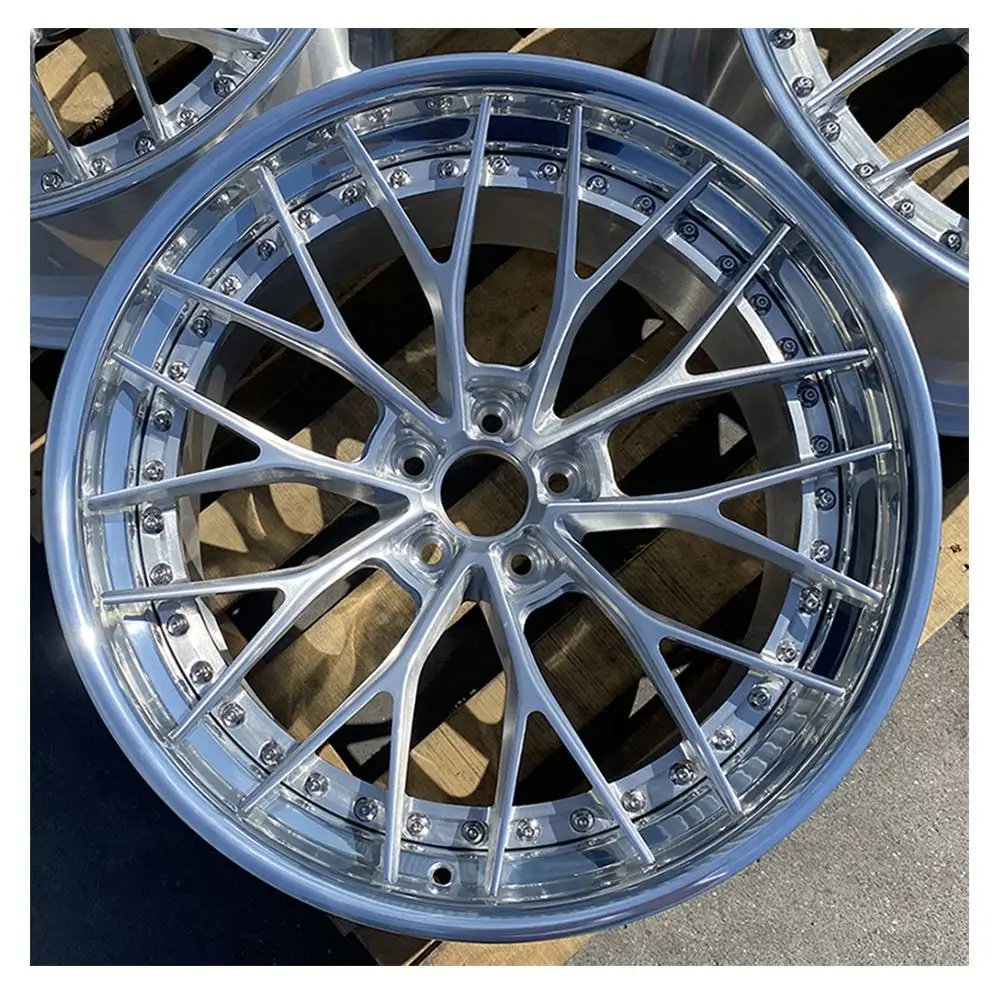
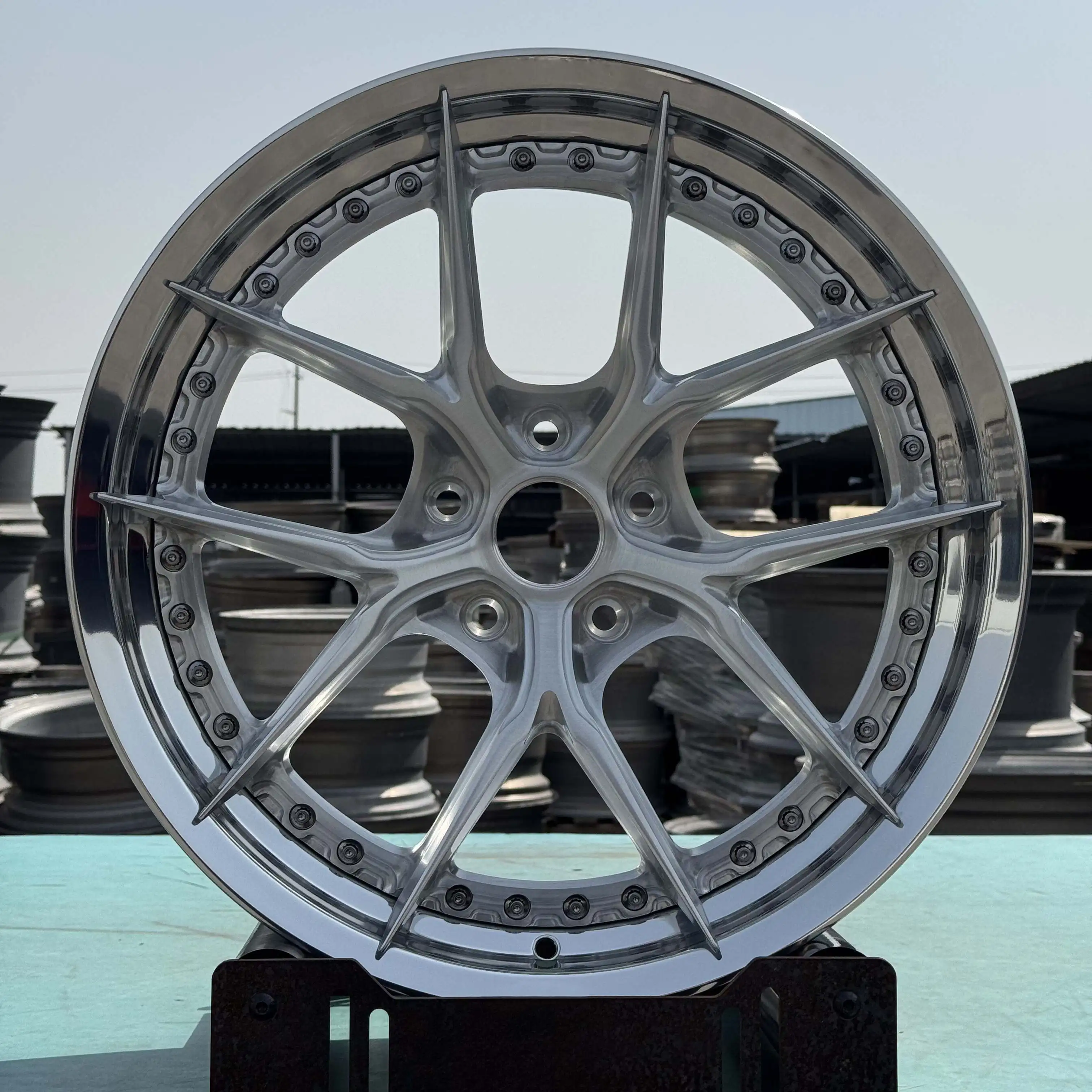
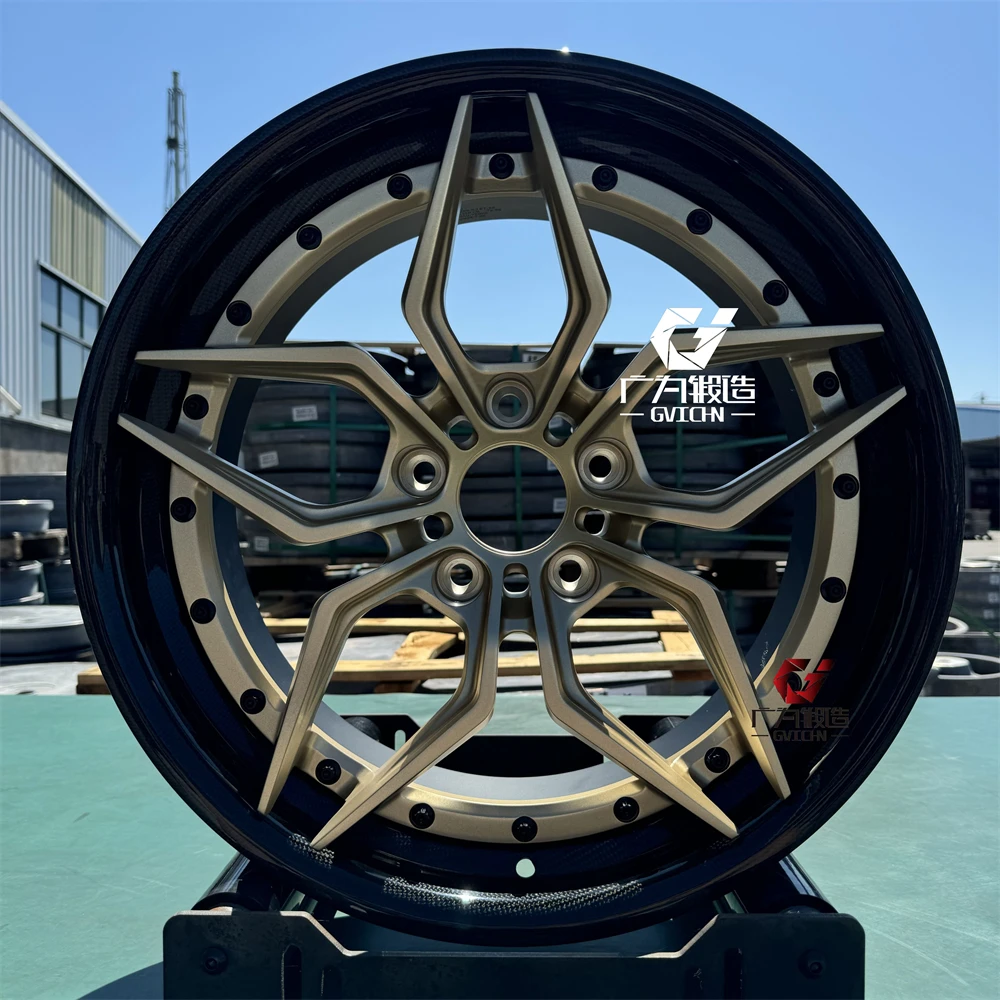
The three-piece construction of these premium wheels opens up extraordinary finishing possibilities that are simply not achievable with one-piece alternatives. Each component can receive different surface treatments, allowing for striking contrasts between polished lips, brushed faces, and powder-coated centers. Popular finish combinations include polished outer barrels with anodized centers, creating visual depth and highlighting the sophisticated engineering inherent in 3-piece forged wheels.
Advanced coating technologies available for 3-piece forged wheels include physical vapor deposition processes, ceramic coatings, and specialized anodizing treatments that provide both aesthetic appeal and enhanced durability. These finishing options not only improve corrosion resistance but also allow for precise color matching to complement specific vehicle themes or branding requirements in commercial applications.
Performance Benefits in Real-World Applications
Weight Reduction and Handling Enhancement
The superior strength-to-weight ratio achieved through forging processes allows 3-piece forged wheels to deliver significant weight savings compared to cast alternatives. Typical weight reductions range from 15-25% depending on the specific design and size, translating directly into improved vehicle dynamics. Reduced unsprung weight enhances suspension response, allowing dampers and springs to more effectively control wheel movement over irregular surfaces.
Lower rotational inertia resulting from lightweight 3-piece forged wheels improves acceleration and braking performance while reducing stress on drivetrain components. This benefit is particularly noticeable in high-performance applications where every pound of rotating mass affects overall vehicle responsiveness. Professional racing applications consistently demonstrate measurable lap time improvements when switching from cast to forged wheel systems.
Thermal Management and Brake Integration
The enhanced thermal conductivity of forged aluminum, combined with the ability to optimize spoke design for airflow, makes 3-piece forged wheels excellent heat management solutions for high-performance braking systems. The modular construction allows engineers to design spoke patterns that promote cooling air circulation around brake components, helping maintain optimal operating temperatures during demanding driving conditions.
Large brake system compatibility is another crucial advantage of 3-piece forged wheels, as the custom barrel manufacturing process can accommodate oversized brake calipers and rotors that would interfere with standard wheel designs. This capability is essential for vehicles equipped with high-performance brake upgrades or those requiring specialized stopping power for racing or heavy-duty applications.
Economic Considerations and Long-Term Value
Initial Investment Analysis
While 3-piece forged wheels represent a premium investment compared to cast alternatives, the total cost of ownership often favors forged options when considering long-term durability and performance benefits. The superior fatigue resistance of forged materials significantly extends service life, particularly in demanding applications where cast wheels might require frequent replacement due to stress-related failures.
The modular nature of 3-piece forged wheels also provides economic advantages through component replaceability. In the event of damage to a single component, such as curb damage to an outer barrel, only the affected piece requires replacement rather than the entire wheel. This serviceability feature can result in substantial cost savings over the wheel's operational lifetime, especially for high-value vehicle applications.
Market Positioning and Brand Value
Premium 3-piece forged wheels serve as significant differentiators in luxury and performance vehicle markets, often contributing to enhanced resale values and brand perception. The visible quality and craftsmanship associated with these wheels communicate attention to detail and performance orientation that resonates with discriminating buyers. This brand equity factor often justifies the initial premium through improved market positioning.
The customization capabilities inherent in 3-piece forged wheels also enable unique brand expressions and limited edition applications that create exclusivity and desirability. Automotive manufacturers and aftermarket companies leverage these capabilities to develop signature wheel designs that become integral parts of their brand identity and product differentiation strategies.
Installation and Maintenance Considerations
Professional Installation Requirements
The sophisticated nature of 3-piece forged wheels necessitates professional installation and proper torque specifications to ensure optimal performance and safety. The multi-piece construction requires specific assembly procedures and torque sequences that differ from standard one-piece wheel installations. Professional installers must understand the importance of proper sealant application and bolt tensioning to maintain structural integrity and prevent moisture intrusion.
Regular maintenance intervals for 3-piece forged wheels include periodic inspection of assembly bolts and sealing surfaces to ensure continued performance and appearance. The modular construction, while providing numerous advantages, requires attention to component interfaces to prevent corrosion and maintain proper fit. Professional service facilities familiar with these wheel systems can provide appropriate maintenance protocols to maximize service life.
Care and Preservation Techniques
Proper care of 3-piece forged wheels involves understanding the different materials and finishes present in the complete assembly. Each component may require specific cleaning products and techniques to maintain appearance and prevent damage to specialized coatings or surface treatments. Regular cleaning with appropriate pH-balanced products helps prevent corrosive buildup that could affect both appearance and structural integrity.
Seasonal maintenance considerations for 3-piece forged wheels include protection from road salt and other corrosive agents commonly encountered in harsh weather conditions. Protective coatings and regular inspection of sealing surfaces become particularly important in environments where these wheels are exposed to aggressive chemical agents or extreme temperature variations that could affect component expansion and contraction rates.
FAQ
What makes 3-piece forged wheels superior to cast alternatives
3-piece forged wheels offer superior strength, lighter weight, and enhanced customization options compared to cast wheels. The forging process creates denser aluminum with better material properties, while the modular design allows for precise fitment and unique aesthetic combinations that are impossible with one-piece cast construction.
How do I determine the correct specifications for my vehicle
Proper specification determination requires professional consultation considering your vehicle's bolt pattern, offset requirements, brake clearance, and suspension geometry. Experienced wheel specialists can analyze your specific application and recommend appropriate barrel depths, face designs, and offset combinations to ensure optimal performance and appearance.
What maintenance is required for 3-piece forged wheels
Regular maintenance includes periodic inspection of assembly bolts, cleaning with appropriate products for different finish types, and professional service to check torque specifications and sealing integrity. The modular construction requires attention to component interfaces to prevent corrosion and maintain proper fit over time.
Are 3-piece forged wheels suitable for daily driving applications
Yes, 3-piece forged wheels are excellent for daily driving when properly specified and maintained. Their superior strength and durability often make them more reliable than cast alternatives, while the weight savings improve fuel economy and driving dynamics. The key is selecting appropriate specifications for your driving conditions and maintaining them according to manufacturer recommendations.
Recommended Products

 Hot News
-
Forged Carbon Products
2024-05-21
-
Forged Off-Road Accessories
2024-05-21
-
GVICHN Introduces Revolutionary Forged Two-Piece Product
2024-05-21
 ONLINE