Why Choose Forged Wheels Over Cast Wheels for High-Performance Use?
High-performance automotive applications demand components that can withstand extreme conditions while delivering superior functionality. When it comes to wheel selection, the debate between forged wheels and cast alternatives has significant implications for vehicle performance, safety, and long-term reliability. Understanding the fundamental differences between these manufacturing processes helps enthusiasts and professionals make informed decisions that align with their specific performance requirements and budget considerations.
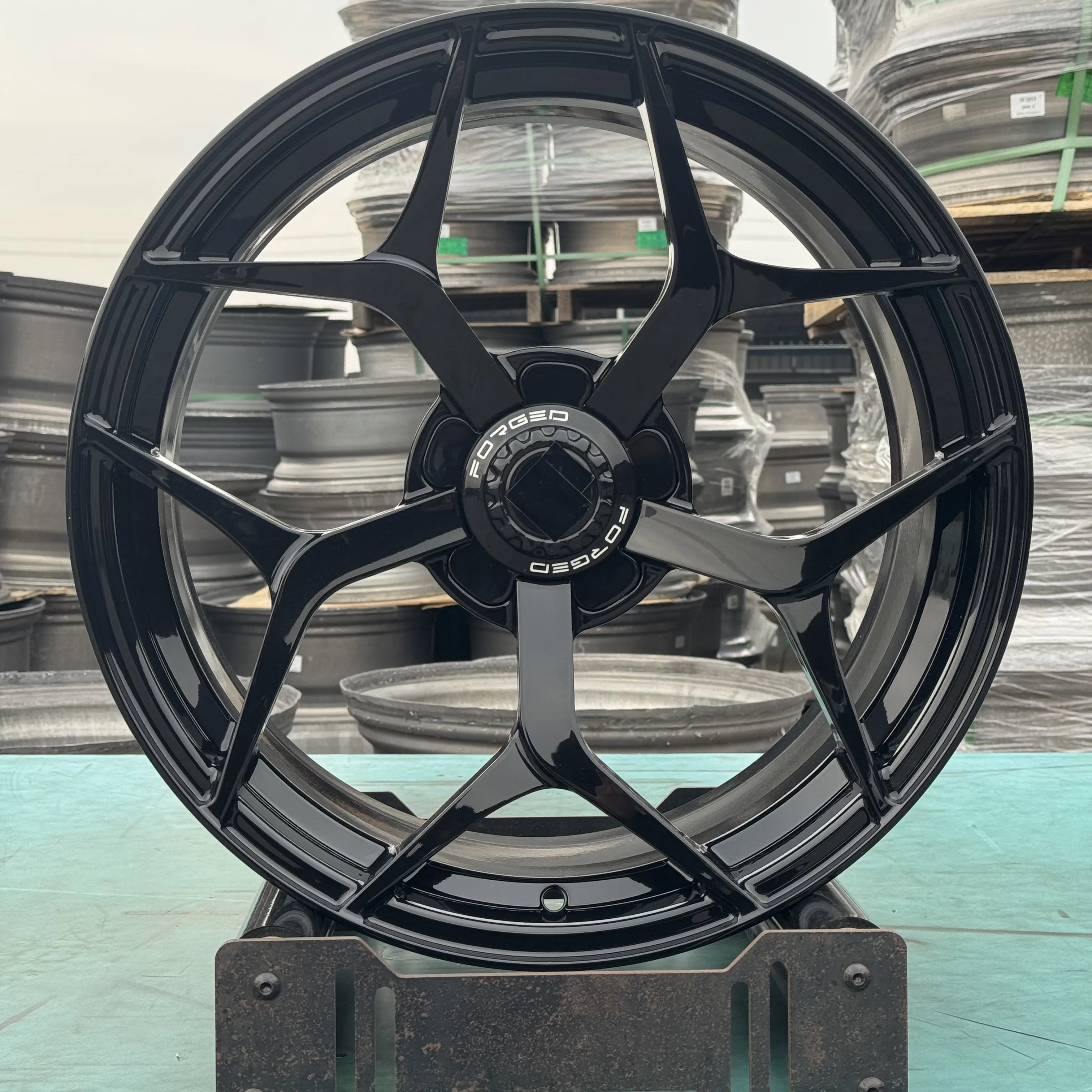
The manufacturing methodology behind forged wheels creates a product with distinctly different characteristics compared to traditional casting methods. This difference extends beyond mere production techniques, influencing every aspect of wheel performance from structural integrity to weight distribution. Professional racing teams and performance enthusiasts consistently choose forged wheels for applications where reliability and performance cannot be compromised, making this technology increasingly relevant across various automotive segments.
Manufacturing Process Fundamentals
Forging Technology Overview
The forging process begins with solid aluminum billets that undergo extreme pressure and heat treatment to create the final wheel structure. This manufacturing approach compresses the metal grain structure, eliminating porosity and creating a denser, stronger material composition. The process requires specialized equipment capable of applying thousands of tons of pressure while maintaining precise temperature control throughout the formation cycle.
During the forging operation, the aluminum material experiences plastic deformation that aligns the grain flow with the wheel's structural requirements. This alignment creates predictable stress distribution patterns that enhance the wheel's ability to handle dynamic loads encountered during high-performance driving scenarios. The controlled deformation process also eliminates internal voids and inconsistencies that can compromise structural integrity in demanding applications.
Quality control measures during forging ensure each wheel meets strict dimensional tolerances and material property specifications. Advanced monitoring systems track temperature, pressure, and timing parameters throughout the manufacturing cycle, creating consistent results that maintain the performance characteristics expected from forged wheels. This level of process control enables manufacturers to optimize material properties for specific applications while maintaining production efficiency.
Cast Wheel Production Methods
Cast wheels utilize molten aluminum poured into molds to create the desired wheel shape and configuration. This process allows for complex geometries and intricate designs but results in a different material structure compared to forged alternatives. The cooling process creates a crystalline structure with varying density throughout the wheel, potentially creating stress concentration points that affect long-term durability.
The casting process inherently introduces porosity into the aluminum structure as gases become trapped during the cooling phase. While modern casting techniques minimize these effects through vacuum assistance and controlled cooling rates, the fundamental material characteristics differ from forged wheels. This difference becomes particularly significant in high-stress applications where material consistency directly impacts performance and safety.
Production efficiency makes cast wheels more economical for high-volume manufacturing, enabling broader market accessibility. However, this cost advantage comes with trade-offs in material properties that become apparent in demanding performance applications. Understanding these compromises helps consumers make appropriate choices based on their specific usage requirements and performance expectations.
Structural Advantages and Performance Benefits
Strength-to-Weight Ratio Optimization
Forged wheels demonstrate superior strength-to-weight ratios compared to cast alternatives, enabling engineers to reduce material thickness while maintaining structural integrity. This optimization reduces unsprung weight, directly improving vehicle dynamics, acceleration, and braking performance. The weight reduction typically ranges from 15-25% compared to equivalent cast wheels, creating measurable improvements in vehicle responsiveness.
The enhanced material properties of forged wheels allow for more aggressive wheel designs with thinner spokes and reduced rim sections without compromising safety margins. This design flexibility enables aerodynamic optimization while maintaining the structural requirements for high-performance applications. Racing applications particularly benefit from this combination of reduced weight and maintained strength characteristics.
Unsprung weight reduction affects multiple vehicle systems simultaneously, improving suspension effectiveness, tire contact patch consistency, and overall handling precision. Professional drivers consistently report improved vehicle feedback and control when transitioning from cast to forged wheels, particularly during track-focused driving scenarios where performance margins become critical for competitive success.
Fatigue Resistance and Durability
The grain structure alignment achieved through forging creates exceptional fatigue resistance that extends wheel service life under demanding conditions. Repeated stress cycles from braking, cornering, and acceleration forces cause gradual material degradation in all wheel types, but forged wheels demonstrate superior resistance to these effects. This durability advantage becomes particularly important in racing and high-performance street applications.
Laboratory testing consistently shows forged wheels withstanding significantly more stress cycles before failure compared to cast alternatives. This testing translates to real-world reliability advantages, reducing the risk of unexpected failures during critical driving situations. Professional racing organizations often mandate forged wheels for safety reasons, recognizing their superior reliability characteristics under extreme conditions.
The predictable failure modes of forged wheels provide additional safety benefits, as material degradation typically occurs gradually rather than catastrophically. This characteristic allows for early detection of potential issues through routine inspection, enabling preventive maintenance that maintains safety margins throughout the wheel's service life.
Performance Applications and Use Cases
Racing and Motorsport Applications
Professional motorsport applications place extreme demands on wheel performance, requiring components that maintain structural integrity under conditions far exceeding normal driving scenarios. Forged wheels provide the reliability and performance characteristics necessary for competitive racing, where wheel failure can result in dangerous situations and competitive disadvantages. The consistent material properties enable precise engineering calculations for specific racing applications.
Track conditions create unique stress patterns that test wheel designs beyond their normal operating parameters. High-speed cornering generates lateral forces that stress spoke and rim connections, while aggressive braking creates thermal cycling that affects material properties. Forged wheels demonstrate superior performance under these conditions, maintaining dimensional stability and structural integrity throughout racing sessions.
Professional racing teams rely on forged wheels for their predictable performance characteristics and reduced maintenance requirements. The ability to operate reliably under extreme conditions reduces the need for frequent wheel changes and inspections, providing competitive advantages through improved operational efficiency. This reliability factor often justifies the higher initial investment in professional racing applications.
High-Performance Street Applications
Enthusiast drivers who participate in track days, autocross events, and spirited street driving benefit from the enhanced capabilities of forged wheels. These applications create intermittent high-stress conditions that exceed normal driving parameters but don't reach the extreme levels encountered in professional racing. Forged wheels provide performance margins that enhance safety and reliability in these scenarios.
The improved heat dissipation characteristics of forged wheels benefit high-performance braking systems by maintaining consistent thermal properties under demanding conditions. This thermal stability prevents performance degradation during extended high-performance driving sessions, maintaining braking effectiveness and safety margins throughout the driving experience.
Street performance applications also benefit from the aesthetic possibilities enabled by forged wheel construction techniques. The ability to create complex spoke patterns and detailed surface treatments allows for distinctive visual designs that complement high-performance vehicle aesthetics while maintaining the functional advantages of forged construction.
Economic Considerations and Value Analysis
Initial Investment Comparison
The higher initial cost of forged wheels reflects the sophisticated manufacturing processes and premium materials required for their production. While cast wheels offer lower entry costs, the total ownership experience must consider factors beyond initial purchase price to determine true value. Performance applications that demand reliability and durability often justify the premium investment through reduced replacement costs and enhanced safety margins.
Professional installation and maintenance costs remain similar between forged and cast wheels, as both utilize standard mounting and balancing procedures. However, the extended service life of forged wheels can reduce the frequency of replacement cycles, offsetting some of the initial cost premium over time. This economic advantage becomes more pronounced in demanding applications where wheel replacement frequency increases due to stress-related wear.
Market resale values typically favor forged wheels due to their premium positioning and performance reputation. Enthusiast buyers often seek vehicles equipped with quality forged wheels, creating residual value advantages that partially offset the initial investment premium. This factor becomes particularly relevant for limited-production vehicles where original equipment specifications influence long-term value retention.
Long-Term Ownership Benefits
The extended service life of forged wheels provides economic benefits that accumulate over time, particularly in demanding applications. Reduced replacement frequency translates to lower long-term costs when considering the total cost of ownership rather than just initial purchase price. Professional drivers and serious enthusiasts often find this longevity advantage justifies the initial investment premium.
Maintenance requirements for forged wheels typically involve standard cleaning and inspection procedures without specialized treatments or frequent replacement of components. The structural stability of forged construction maintains dimensional accuracy over extended service periods, reducing the need for frequent rebalancing or alignment corrections that can affect vehicle performance and tire wear patterns.
Insurance considerations may favor vehicles equipped with quality forged wheels, as the enhanced safety characteristics can influence risk assessments for high-performance applications. While individual policies vary, the documented reliability and safety advantages of forged wheels may provide indirect economic benefits through reduced insurance premiums or improved claim outcomes in certain situations.
Technical Specifications and Material Properties
Aluminum Alloy Compositions
Modern forged wheels utilize advanced aluminum alloys specifically formulated for high-strength applications, with 6061-T6 representing one of the most common specifications for performance wheels. This alloy composition provides optimal strength characteristics while maintaining workability during the forging process. The heat treatment designation indicates the specific thermal processing that optimizes material properties for wheel applications.
The chemical composition of forged wheel alloys includes carefully controlled percentages of magnesium, silicon, and other elements that influence strength, corrosion resistance, and manufacturing characteristics. These specifications ensure consistent material properties across production batches while maintaining the performance characteristics required for demanding applications. Quality control testing verifies alloy composition throughout the manufacturing process.
Alternative alloy compositions may be selected for specific applications requiring enhanced properties such as improved corrosion resistance or specialized strength characteristics. Racing applications sometimes utilize exotic alloy compositions that provide performance advantages for specific operating conditions, though these materials typically command premium pricing due to their specialized nature and limited production volumes.
Testing Standards and Certifications
Industry testing standards ensure forged wheels meet minimum performance requirements for safety and durability across various applications. Organizations such as the Society of Automotive Engineers establish testing protocols that evaluate wheel performance under standardized conditions, providing benchmarks for comparison between different wheel types and manufacturers.
Certification processes typically include impact testing, fatigue cycling, and load capacity verification to ensure wheels can withstand the stresses encountered during normal and emergency driving situations. These tests simulate thousands of miles of driving conditions in controlled laboratory environments, providing data that supports engineering calculations for specific vehicle applications.
Professional racing organizations often establish additional certification requirements that exceed standard automotive testing protocols. These enhanced standards reflect the extreme operating conditions encountered in competitive motorsport, requiring documentation of performance capabilities that demonstrate suitability for racing applications where safety margins become critical for participant protection.
Installation and Maintenance Considerations
Professional Installation Requirements
Proper installation of forged wheels requires attention to torque specifications and mounting procedures that ensure optimal performance and safety. Professional installation services possess the specialized equipment and expertise necessary to achieve manufacturer-specified mounting parameters while avoiding damage to wheel or vehicle components during the installation process.
Balancing procedures for forged wheels follow standard protocols but benefit from precision equipment that can detect minor imbalances that might affect high-speed performance. The reduced weight and enhanced precision of forged wheels often result in better initial balance characteristics, requiring less correction weight to achieve smooth operation across the entire speed range.
Compatibility verification ensures proper fitment between forged wheels and vehicle specifications, including brake clearance, suspension geometry, and load ratings. Professional installers can identify potential interference issues and recommend appropriate solutions to ensure safe operation while maintaining the performance benefits of forged wheel technology.
Ongoing Maintenance Protocols
Regular inspection procedures for forged wheels focus on detecting signs of stress, damage, or wear that might affect performance or safety. Visual inspections should examine spoke areas, rim sections, and mounting surfaces for cracks, deformation, or other anomalies that could indicate developing problems requiring professional attention.
Cleaning protocols for forged wheels utilize gentle methods that preserve surface finishes while removing brake dust, road grime, and other contaminants that can affect appearance and potentially influence corrosion resistance. Specialized wheel cleaning products designed for aluminum alloys help maintain the aesthetic and functional characteristics of forged wheels throughout their service life.
Periodic professional inspections can detect developing issues before they compromise safety or performance, particularly for wheels subjected to demanding operating conditions. Racing applications often require more frequent inspection intervals to maintain the safety margins necessary for competitive motorsport participation.
FAQ
What makes forged wheels stronger than cast wheels?
Forged wheels achieve superior strength through a manufacturing process that compresses aluminum under extreme pressure, aligning the grain structure and eliminating internal voids. This creates a denser, more consistent material with predictable stress distribution patterns that can withstand higher loads and repeated stress cycles compared to cast alternatives.
Are forged wheels worth the extra cost for street driving?
The value of forged wheels for street driving depends on your specific usage patterns and performance requirements. For normal commuting and occasional spirited driving, cast wheels may provide adequate performance at lower cost. However, if you participate in track events, autocross, or demand maximum performance and reliability, forged wheels offer significant advantages that often justify the investment.
How can I tell if my wheels are forged or cast?
Forged wheels typically display manufacturing markings indicating the forging process and often have more intricate spoke designs with thinner sections. Weight comparison with equivalent cast wheels will show significant differences, and professional inspection can identify the characteristic grain structure and material density associated with forged construction.
Do forged wheels require special maintenance procedures?
Forged wheels require the same basic maintenance as cast wheels, including regular cleaning, proper mounting, and periodic inspection. However, their enhanced durability often results in longer service intervals and reduced maintenance frequency. Professional inspection becomes more important for racing applications where wheels experience extreme stress levels that could affect long-term reliability.
Recommended Products
 Hot News
-
Forged Carbon Products
2024-05-21
-
Forged Off-Road Accessories
2024-05-21
-
GVICHN Introduces Revolutionary Forged Two-Piece Product
2024-05-21
 ONLINE