Why Carbon Fiber Wheels Are Becoming a Strategic Upgrade for OEM Performance Brands
The automotive industry is experiencing a transformative shift as manufacturers increasingly prioritize lightweight materials and advanced engineering solutions. Among these innovations, carbon fiber wheels have emerged as a game-changing technology that offers unprecedented advantages in performance, efficiency, and aesthetics. Original Equipment Manufacturers (OEMs) across the performance automotive sector are recognizing the strategic value of integrating these advanced wheel systems into their flagship models, driven by consumer demand for superior handling characteristics and fuel economy improvements.
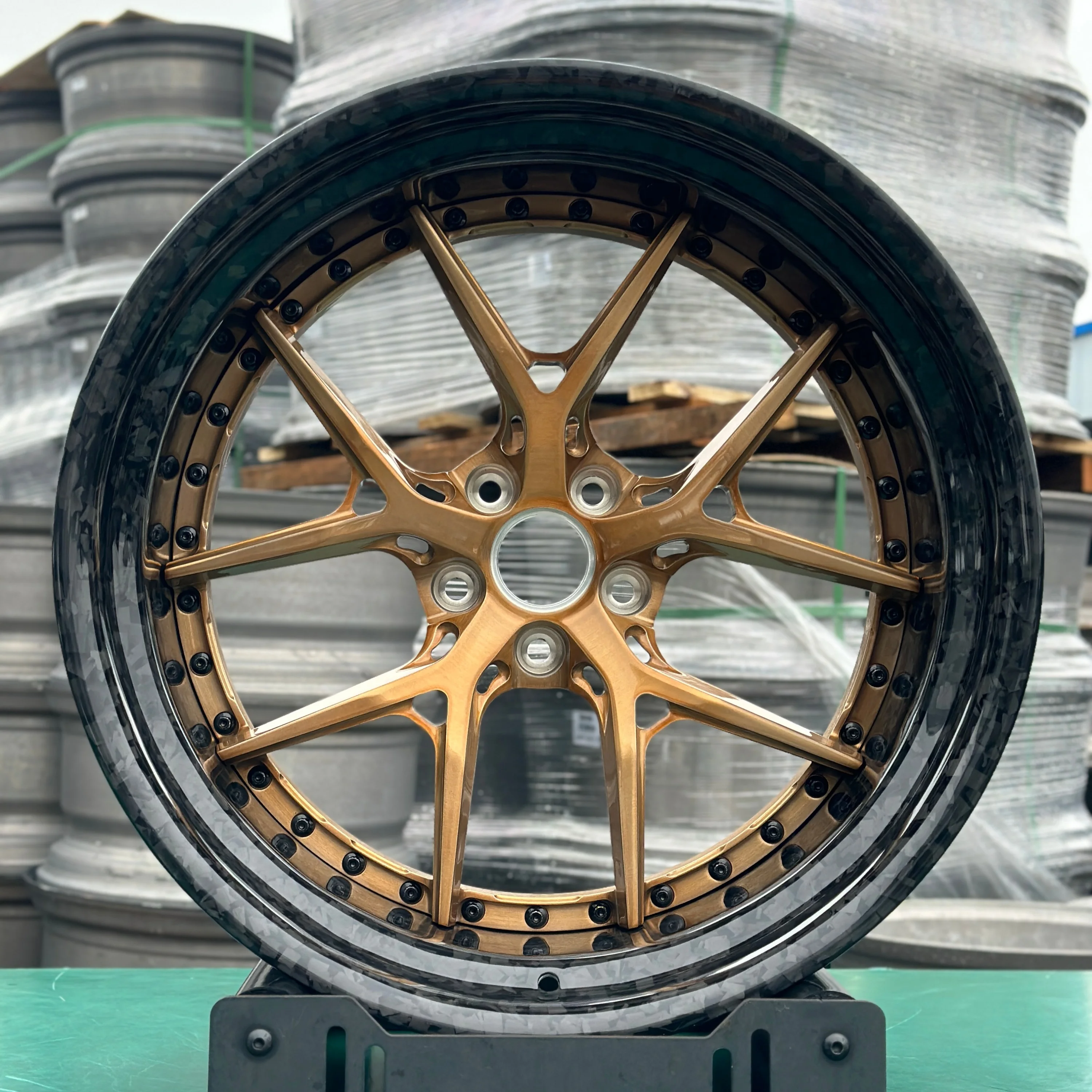
Performance brands are discovering that carbon fiber wheels represent more than just a premium upgrade option—they constitute a fundamental engineering advancement that addresses multiple challenges simultaneously. The unique properties of carbon fiber construction deliver substantial weight reduction compared to traditional aluminum alloy alternatives, while maintaining structural integrity under extreme operating conditions. This combination of reduced unsprung mass and enhanced durability creates measurable improvements in vehicle dynamics, acceleration response, and braking performance that resonate with performance-oriented consumers.
The strategic adoption of carbon fiber wheel technology reflects broader industry trends toward materials science innovation and sustainable manufacturing practices. As regulatory pressures intensify around fuel efficiency standards and emissions reduction, OEM manufacturers are exploring every avenue to optimize vehicle weight distribution and aerodynamic performance. Carbon fiber wheels contribute significantly to these objectives while simultaneously enhancing the premium positioning of performance vehicle lineups in increasingly competitive market segments.
Engineering Advantages and Performance Benefits
Weight Reduction and Unsprung Mass Optimization
The most compelling advantage of carbon fiber wheels lies in their dramatic weight reduction capabilities compared to conventional wheel materials. Traditional aluminum alloy wheels, while lighter than steel alternatives, still contribute significant unsprung mass that affects vehicle handling and performance characteristics. Carbon fiber construction can reduce wheel weight by 40-60% compared to equivalent aluminum designs, creating immediate benefits across multiple performance parameters.
Unsprung mass reduction directly translates to improved suspension responsiveness and enhanced tire contact patch consistency. When wheels are lighter, suspension systems can more effectively manage road surface irregularities, maintaining optimal tire-to-road contact under varying conditions. This improved suspension compliance results in better traction, more predictable handling characteristics, and enhanced overall vehicle stability during aggressive driving maneuvers.
The rotational inertia benefits of lightweight carbon fiber wheels extend beyond static weight considerations. Reduced rotational mass improves acceleration response by requiring less energy to change wheel speed during acceleration and deceleration cycles. This translates to measurable performance improvements in quarter-mile times, lap performance, and overall vehicle responsiveness that performance-oriented consumers actively seek in premium automotive applications.
Structural Integrity and Durability Characteristics
Despite their lightweight construction, carbon fiber wheels demonstrate exceptional structural integrity under extreme loading conditions. The directional fiber orientation in carbon fiber composite construction allows engineers to optimize strength characteristics for specific stress patterns encountered in wheel applications. This targeted reinforcement approach creates wheels that exceed traditional aluminum strength-to-weight ratios while maintaining dimensional stability under thermal cycling.
Carbon fiber's inherent vibration damping properties contribute to improved ride quality and reduced noise transmission through the vehicle structure. Unlike metallic wheel materials that can amplify road noise and vibration, carbon fiber construction naturally absorbs and dissipates these disturbances, creating a more refined driving experience without compromising performance capabilities.
The fatigue resistance of properly engineered carbon fiber wheels surpasses that of traditional materials under cyclic loading conditions. This enhanced durability translates to extended service life and reduced maintenance requirements, factors that appeal to both OEM manufacturers seeking to minimize warranty costs and consumers demanding reliable performance over extended ownership periods.
Market Positioning and Brand Differentiation Strategies
Premium Segment Positioning and Consumer Perception
Carbon fiber wheels serve as highly visible indicators of advanced engineering and premium positioning within competitive automotive segments. The distinctive appearance and well-known performance associations of carbon fiber materials create immediate visual impact that communicates technological sophistication to prospective buyers. This aesthetic appeal, combined with tangible performance benefits, justifies premium pricing strategies that enhance profit margins for OEM manufacturers.
Consumer perception of carbon fiber technology extends beyond mere visual appeal to encompass associations with motorsport heritage and cutting-edge engineering excellence. Performance automotive brands leverage these associations to strengthen brand identity and create emotional connections with target demographics who value technological innovation and engineering prowess. The presence of carbon fiber wheels becomes a tangible manifestation of these brand values.
The exclusivity factor associated with carbon fiber wheel technology creates opportunities for limited edition models and special variants that command premium pricing. OEM manufacturers can develop tiered product strategies where carbon fiber wheels represent the ultimate expression of performance capability, appealing to enthusiasts willing to invest in cutting-edge technology for marginal performance gains.
Competitive Differentiation and Market Advantage
The adoption of carbon fiber wheel technology provides measurable competitive advantages in performance benchmarking and comparative testing scenarios. Automotive journalists and industry analysts increasingly focus on weight reduction achievements and advanced materials integration when evaluating new vehicle introductions. Manufacturers incorporating carbon fiber wheels can demonstrate quantifiable advantages in acceleration, handling, and fuel efficiency metrics that influence buying decisions and media coverage.
Early adoption of carbon fiber wheel technology establishes manufacturers as innovation leaders within their respective market segments. This first-mover advantage creates opportunities to shape consumer expectations and establish performance benchmarks that competitors must match or exceed. The technological complexity of carbon fiber wheel production also creates barriers to entry that protect market position for early adopters.
Brand partnerships and supplier relationships developed around carbon fiber wheel integration can create lasting competitive advantages. Manufacturers who invest in carbon fiber technology development build expertise and supplier networks that support future innovation initiatives and maintain technological leadership positions as the technology matures and expands into broader market applications.
Manufacturing Considerations and Supply Chain Integration
Production Scalability and Quality Control
The transition from prototype carbon fiber wheel development to full-scale OEM production requires careful consideration of manufacturing scalability and quality control processes. Carbon fiber wheel production involves complex layup procedures, precision molding operations, and specialized curing processes that differ significantly from traditional aluminum wheel manufacturing methods. OEM manufacturers must evaluate production capacity requirements and quality assurance protocols to ensure consistent product delivery.
Quality control in carbon fiber wheel production demands sophisticated inspection techniques including non-destructive testing methods to verify structural integrity. X-ray inspection, ultrasonic testing, and computed tomography scanning become essential tools for identifying potential defects that could compromise wheel performance or safety. These advanced inspection requirements necessitate investment in specialized equipment and technician training programs.
Production cycle times for carbon fiber wheels typically exceed those of traditional manufacturing methods due to curing requirements and multi-step fabrication processes. OEM manufacturers must factor these extended lead times into production planning and inventory management strategies. However, the premium pricing potential of carbon fiber wheels often justifies the additional manufacturing complexity and associated costs.
Supplier Partnership Development and Technology Transfer
Successful integration of carbon fiber wheels into OEM product lines requires strategic partnerships with specialized suppliers who possess the technical expertise and production capabilities necessary for consistent quality delivery. These partnerships often involve technology transfer agreements and collaborative development programs that align supplier capabilities with OEM performance requirements and production schedules.
Supplier selection criteria for carbon fiber wheel production extend beyond cost considerations to include technical competency, quality certifications, and production capacity scalability. OEM manufacturers must evaluate potential suppliers' experience with automotive applications, their understanding of safety requirements, and their ability to support global production networks across multiple geographic regions.
Long-term supplier relationships in carbon fiber wheel production often involve joint investment in research and development activities, production equipment, and process optimization initiatives. These collaborative approaches help reduce development costs, accelerate time-to-market objectives, and ensure technology advancement continues to meet evolving performance requirements and market expectations.
Future Market Trends and Technology Evolution
Emerging Applications and Market Expansion
The success of carbon fiber wheels in premium performance applications is driving expansion into adjacent market segments including luxury SUVs, high-performance sedans, and specialized commercial vehicles. As production volumes increase and manufacturing costs decline, carbon fiber wheel technology becomes viable for broader market applications where weight reduction benefits justify premium pricing structures.
Electric vehicle manufacturers represent a particularly promising market segment for carbon fiber wheel adoption due to their heightened sensitivity to weight reduction and energy efficiency optimization. The range extension benefits achieved through carbon fiber wheels align perfectly with electric vehicle value propositions, creating natural synergies between advanced wheel technology and sustainable transportation objectives.
Aftermarket applications continue to drive innovation and market growth as performance enthusiasts seek to upgrade existing vehicles with carbon fiber wheel technology. This aftermarket demand provides valuable market feedback and application data that informs future OEM development initiatives while creating additional revenue streams for manufacturers and suppliers.
Technological Advancement and Material Science Innovation
Ongoing research in carbon fiber material science continues to improve strength characteristics, reduce production costs, and expand design possibilities for wheel applications. Advanced fiber architectures, improved resin systems, and innovative manufacturing techniques promise further weight reductions and enhanced performance capabilities in future carbon fiber wheel generations.
Hybrid construction approaches combining carbon fiber with other advanced materials offer potential solutions for cost optimization while maintaining performance advantages. These hybrid designs might integrate carbon fiber in high-stress areas while utilizing alternative materials in less critical applications, creating cost-effective solutions for broader market adoption.
Manufacturing automation and process optimization initiatives continue to reduce production costs and improve quality consistency in carbon fiber wheel production. Advanced manufacturing techniques including automated fiber placement, robotic assembly systems, and intelligent curing controls promise to make carbon fiber wheels more accessible to mainstream automotive applications over time.
FAQ
What are the main performance benefits of carbon fiber wheels compared to aluminum wheels
Carbon fiber wheels offer significant weight reduction of 40-60% compared to aluminum alternatives, resulting in improved acceleration, braking performance, and handling characteristics. The reduced unsprung mass allows suspension systems to work more effectively, maintaining better tire contact with road surfaces. Additionally, carbon fiber wheels provide superior vibration damping properties and enhanced fatigue resistance under cyclic loading conditions.
How do carbon fiber wheels impact fuel efficiency and vehicle range
The substantial weight reduction achieved with carbon fiber wheels directly contributes to improved fuel efficiency by reducing the energy required for acceleration and deceleration cycles. In electric vehicles, this weight reduction translates to extended driving range per charge. The rotational inertia benefits also reduce energy consumption during stop-and-go driving conditions, providing measurable efficiency improvements in real-world driving scenarios.
Are carbon fiber wheels suitable for daily driving conditions
Modern carbon fiber wheels are engineered to meet or exceed OEM durability and safety standards for daily driving applications. Proper engineering and quality control ensure these wheels can withstand normal road hazards, temperature variations, and long-term use. However, they may be more susceptible to damage from severe impacts compared to metal wheels, and repair options are typically more limited and expensive.
What factors should OEM manufacturers consider when integrating carbon fiber wheels
OEM manufacturers should evaluate production scalability, supplier capabilities, quality control requirements, and cost implications when considering carbon fiber wheel integration. Market positioning strategies, consumer acceptance, and competitive differentiation opportunities also require careful analysis. Additionally, manufacturers must consider warranty implications, service support requirements, and long-term technology roadmap alignment with overall brand strategy.
Recommended Products
 Hot News
-
Forged Carbon Products
2024-05-21
-
Forged Off-Road Accessories
2024-05-21
-
GVICHN Introduces Revolutionary Forged Two-Piece Product
2024-05-21
 ONLINE