Key Benefits of Carbon Fiber Wheels for High-End Tuning and Motorsport Supply Chains
The automotive tuning industry has witnessed a revolutionary transformation with the introduction of advanced lightweight materials, particularly in wheel manufacturing. Carbon fiber wheels represent the pinnacle of performance engineering, combining exceptional strength-to-weight ratios with aesthetic appeal that meets the demanding requirements of both professional motorsport teams and discerning automotive enthusiasts. These cutting-edge components have become essential elements in high-performance vehicle builds, offering unprecedented advantages in acceleration, handling, and overall driving dynamics.
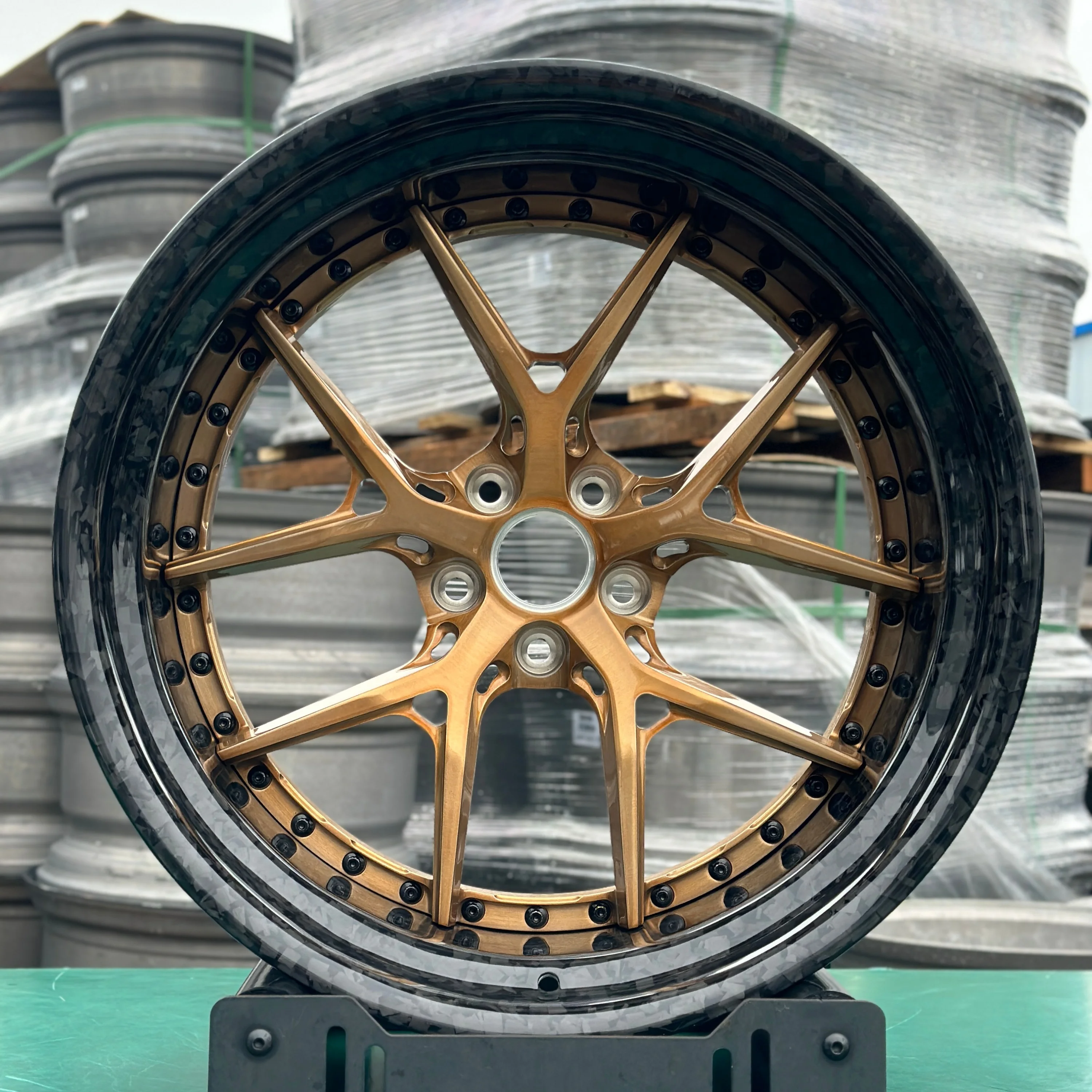
Modern motorsport supply chains increasingly prioritize components that deliver measurable performance improvements while maintaining durability under extreme conditions. The integration of carbon fiber technology into wheel design has created new opportunities for tuning professionals to achieve weight reduction targets without compromising structural integrity. This advancement has particularly benefited track-focused applications where every gram of unsprung weight reduction translates to improved lap times and enhanced vehicle responsiveness.
Performance Advantages in Motorsport Applications
Unsprung Weight Reduction Benefits
The primary advantage of carbon fiber wheels lies in their exceptional weight reduction compared to traditional aluminum or steel alternatives. Unsprung weight reduction directly impacts vehicle dynamics, improving acceleration, braking performance, and suspension responsiveness. Professional racing teams have documented lap time improvements of several tenths of a second when switching to carbon fiber wheels, particularly on technical circuits where frequent acceleration and deceleration cycles occur.
Weight savings of 30-50% compared to equivalent aluminum wheels are commonly achieved with modern carbon fiber construction techniques. This reduction in rotational mass decreases the gyroscopic effect that can hinder quick directional changes, allowing drivers to achieve more precise steering inputs and improved cornering capabilities. The cumulative effect of this weight reduction becomes particularly pronounced during endurance racing scenarios where sustained high-performance driving is required.
Enhanced Heat Dissipation Properties
Carbon fiber wheels demonstrate superior thermal management characteristics compared to traditional wheel materials. The unique fiber orientation and resin matrix construction allow for efficient heat distribution, reducing hot spot formation that can compromise tire compound performance. This thermal efficiency becomes critical during extended track sessions where brake temperatures can exceed 800 degrees Celsius.
Advanced carbon fiber wheel designs incorporate strategic ventilation patterns that promote airflow around brake components while maintaining structural integrity. This design approach has proven particularly valuable in professional motorsport applications where consistent braking performance throughout race duration is essential for competitive success. The improved heat dissipation also contributes to extended tire life and more predictable handling characteristics.
Manufacturing Excellence and Quality Standards
Advanced Production Techniques
The manufacturing process for high-quality carbon fiber wheels involves sophisticated autoclave curing techniques and precision layup schedules that ensure optimal fiber orientation and resin saturation. Modern production facilities utilize computer-controlled prepreg cutting systems and automated fiber placement technologies to achieve consistent quality across production runs. These manufacturing standards are essential for meeting the stringent safety requirements of professional motorsport sanctioning bodies.
Quality assurance protocols typically include non-destructive testing methods such as ultrasonic inspection and computed tomography scanning to verify internal structure integrity. The implementation of these advanced testing procedures ensures that each wheel meets or exceeds industry safety standards while maintaining the performance characteristics demanded by high-end tuning applications. Manufacturing traceability systems also enable comprehensive quality documentation for professional racing compliance requirements.
Customization and Design Flexibility
Carbon fiber wheel construction offers unprecedented design flexibility that allows for custom offset configurations, unique spoke patterns, and specialized fitment requirements. The moldable nature of carbon fiber enables manufacturers to create complex geometries that would be impossible or cost-prohibitive with traditional machining techniques. This flexibility has enabled tuning professionals to achieve perfect vehicle stance and suspension geometry optimization.
Custom color integration and surface finish options provide additional aesthetic customization possibilities that appeal to high-end automotive enthusiasts. The ability to incorporate specific corporate branding or personal design elements directly into the wheel structure has made carbon fiber wheels particularly attractive for custom vehicle builds and promotional applications in professional motorsport series.
Supply Chain Integration and Market Dynamics
Professional Team Adoption Patterns
The adoption of carbon fiber wheels within professional motorsport teams has followed a predictable pattern of initial testing in Formula One and high-level prototype racing, followed by gradual integration into touring car and GT racing series. This technology transfer pathway has established supply chain relationships that benefit the broader tuning industry through improved availability and competitive pricing structures.
Professional teams typically maintain strategic partnerships with wheel manufacturers to ensure consistent supply during racing seasons while contributing to ongoing product development initiatives. These relationships have accelerated the development of specialized carbon fiber wheel variants optimized for specific racing disciplines and operating conditions. The collaboration between teams and manufacturers has also led to improved manufacturing processes that benefit the entire supply chain.
Economic Considerations and ROI Analysis
While initial investment costs for carbon fiber wheels exceed traditional alternatives, the total cost of ownership analysis reveals compelling economic advantages for serious motorsport applications. Extended service life, reduced tire wear rates, and improved fuel efficiency contribute to operational cost reductions that can justify the premium pricing over multiple racing seasons or track day events.
Professional racing teams have documented significant cost savings through reduced tire degradation and improved fuel economy when utilizing carbon fiber wheels in endurance racing applications. The combination of performance advantages and operational efficiency improvements creates a compelling business case for teams operating under strict budget constraints while seeking competitive advantages.
Technical Specifications and Performance Metrics
Structural Integrity and Safety Standards
Modern carbon fiber wheels undergo rigorous testing protocols that exceed industry safety standards, including impact resistance testing, fatigue cycle analysis, and extreme temperature exposure evaluations. The composite material structure provides exceptional impact absorption characteristics while maintaining structural integrity under extreme loading conditions commonly encountered in motorsport applications.
Safety certification processes typically involve collaboration with major sanctioning bodies to ensure compliance with evolving technical regulations. The ability of carbon fiber wheels to meet or exceed these stringent requirements while delivering performance advantages has contributed to their acceptance in professional racing series worldwide. Ongoing safety research continues to refine design parameters and manufacturing processes to further enhance reliability.
Performance Validation and Testing Protocols
Comprehensive testing programs for carbon fiber wheels include real-world validation on professional racing circuits, controlled laboratory testing, and accelerated wear simulation studies. These testing protocols generate quantitative data that supports performance claims and provides confidence for professional teams making significant equipment investments.
Data collection from professional racing applications has contributed to the development of improved carbon fiber wheel designs that address specific performance requirements and operating conditions. The iterative design improvement process, supported by comprehensive testing data, has resulted in carbon fiber wheels that consistently deliver measurable performance advantages across diverse racing applications and vehicle platforms.
FAQ
How do carbon fiber wheels compare to traditional aluminum wheels in terms of durability
Carbon fiber wheels demonstrate superior fatigue resistance compared to aluminum wheels, particularly under repeated high-stress loading conditions typical of motorsport applications. While aluminum wheels may show stress cracking over time, carbon fiber wheels maintain structural integrity through millions of stress cycles. However, carbon fiber wheels require more careful handling to avoid impact damage that could compromise the composite structure.
What maintenance requirements are associated with carbon fiber wheels
Carbon fiber wheels require minimal routine maintenance beyond standard cleaning and inspection procedures. Regular visual inspection for surface damage, proper torque specifications during installation, and avoiding harsh chemicals during cleaning are the primary maintenance considerations. Professional racing teams typically implement inspection schedules that include non-destructive testing methods to verify continued structural integrity.
Are carbon fiber wheels suitable for street driving applications
Modern carbon fiber wheels designed for street applications incorporate design features that enhance durability and impact resistance for daily driving conditions. While initially developed for motorsport applications, street-oriented carbon fiber wheels offer significant performance advantages for high-performance vehicle enthusiasts while maintaining reliability for regular driving scenarios.
What factors should be considered when selecting carbon fiber wheels for specific applications
Key selection criteria include intended use profile, vehicle weight and power characteristics, tire compound compatibility, and budget considerations. Professional consultation with experienced wheel specialists can help identify optimal specifications for specific performance objectives while ensuring proper fitment and compliance with applicable safety standards.
Recommended Products
 Hot News
-
Forged Carbon Products
2024-05-21
-
Forged Off-Road Accessories
2024-05-21
-
GVICHN Introduces Revolutionary Forged Two-Piece Product
2024-05-21
 ONLINE