Why Do Carbon Fiber Wheels Offer Exceptional Strength While Being Incredibly Lightweight?
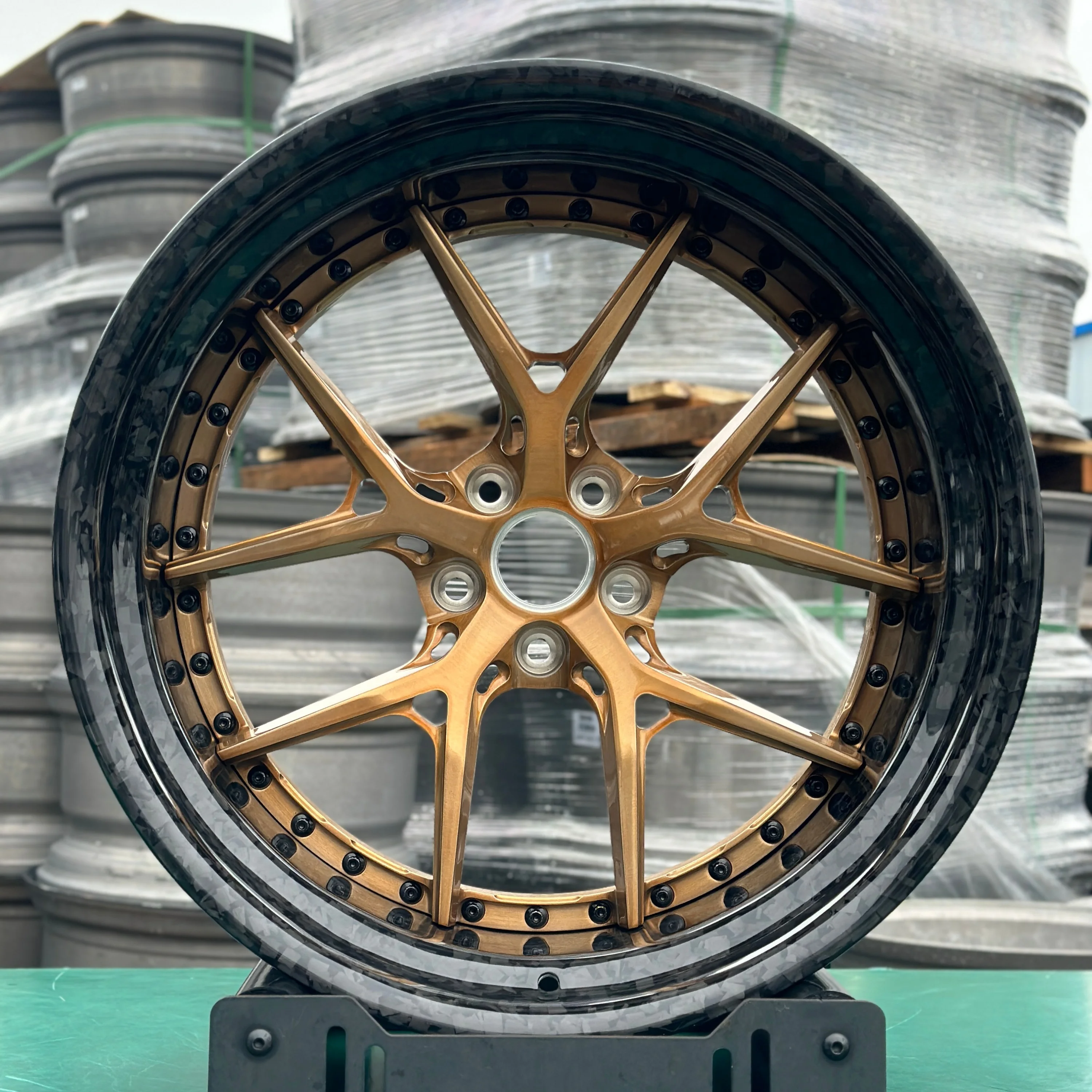
Carbon fiber wheels have revolutionized the automotive industry by delivering an unprecedented combination of strength and weight reduction. These advanced wheels represent the pinnacle of engineering innovation, utilizing cutting-edge materials science to create products that outperform traditional alternatives in virtually every metric. The unique properties of carbon fiber make these wheels ideal for high-performance vehicles, racing applications, and luxury automobiles where every pound matters. Understanding the science behind carbon fiber wheels reveals why they have become the preferred choice for discerning automotive enthusiasts and professional racers alike.
The Science Behind Carbon Fiber Construction
Molecular Structure and Material Properties
Carbon fiber wheels derive their exceptional properties from the unique molecular structure of carbon fiber composite materials. Each carbon fiber consists of thousands of carbon atoms bonded together in long chains, creating crystalline structures that exhibit remarkable tensile strength. These fibers are then woven together and impregnated with resin matrices, typically epoxy or thermoplastic polymers, to form composite sheets. The resulting material demonstrates a strength-to-weight ratio that surpasses traditional metals like steel and aluminum by significant margins.
The manufacturing process involves layering these carbon fiber sheets in specific orientations to optimize strength characteristics. Engineers carefully control fiber direction and density to ensure carbon fiber wheels can withstand the complex stress patterns encountered during vehicle operation. This precise engineering approach allows manufacturers to create wheels that are not only lighter than conventional options but also demonstrate superior resistance to fatigue and impact damage.
Composite Manufacturing Techniques
Modern production of carbon fiber wheels employs advanced manufacturing techniques such as autoclave curing, resin transfer molding, and filament winding. These processes ensure consistent quality and optimal fiber-to-resin ratios throughout the wheel structure. Autoclave curing, in particular, subjects the formed wheels to controlled temperature and pressure cycles, eliminating voids and achieving maximum density. This meticulous attention to manufacturing detail results in carbon fiber wheels that maintain structural integrity under extreme operating conditions.
Quality control during production involves non-destructive testing methods including ultrasonic inspection and X-ray analysis. These techniques verify that carbon fiber wheels meet stringent safety and performance standards before reaching consumers. The combination of advanced materials and precise manufacturing processes ensures that each wheel delivers consistent performance characteristics throughout its operational life.
Weight Reduction Benefits and Performance Impact
Unsprung Weight Advantages
The lightweight nature of carbon fiber wheels provides substantial benefits in terms of unsprung weight reduction. Unsprung weight refers to components not supported by the vehicle's suspension system, including wheels, tires, brake rotors, and associated hardware. Reducing unsprung weight improves vehicle dynamics by allowing suspension systems to respond more quickly to road surface changes. This enhanced responsiveness translates into better handling, improved ride quality, and more precise steering feedback.
Carbon fiber wheels typically weigh 40-60% less than equivalent aluminum wheels and up to 70% less than steel wheels. This dramatic weight reduction affects multiple aspects of vehicle performance, from acceleration and braking to fuel economy and tire wear patterns. The reduced rotational inertia of lightweight carbon fiber wheels allows engines to accelerate the vehicle more efficiently, while also reducing the energy required for braking operations.
Fuel Economy and Environmental Benefits
The weight savings achieved through carbon fiber wheels directly contribute to improved fuel economy across all driving conditions. Reduced vehicle weight decreases the energy required for acceleration and helps maintain momentum during highway cruising. Studies have shown that every 100 pounds of weight reduction can improve fuel economy by approximately 1-2%, making carbon fiber wheels an environmentally conscious choice for performance-oriented vehicles.
Beyond immediate fuel savings, the durability of carbon fiber wheels reduces the frequency of replacement cycles compared to traditional wheel materials. This longevity factor contributes to reduced environmental impact over the wheel's lifetime, as fewer resources are consumed in manufacturing replacement products. The combination of performance benefits and environmental considerations makes carbon fiber wheels an attractive option for both individual consumers and fleet operators.
Strength Characteristics and Durability
Fatigue Resistance Properties
Carbon fiber wheels demonstrate exceptional resistance to fatigue failure, a critical consideration for automotive applications subject to constant stress cycling. Unlike metallic materials that can develop microscopic cracks over time, carbon fiber composites maintain their structural integrity through millions of load cycles. This fatigue resistance stems from the material's ability to redistribute stresses throughout the fiber matrix, preventing localized failure points that commonly occur in traditional wheel materials.
Testing protocols for carbon fiber wheels include rigorous fatigue testing that simulates years of real-world driving conditions. These tests subject wheels to repetitive loading patterns that replicate the stresses encountered during normal vehicle operation, including cornering forces, braking loads, and impact scenarios. The results consistently demonstrate that properly manufactured carbon fiber wheels can exceed the fatigue life of conventional wheels by substantial margins.
Impact Resistance and Safety Considerations
The impact resistance of carbon fiber wheels represents a significant safety advantage in automotive applications. When subjected to sudden impacts, such as pothole strikes or curb contacts, carbon fiber wheels tend to absorb and distribute impact energy throughout their structure rather than failing catastrophically. This characteristic helps prevent sudden wheel failure that could result in loss of vehicle control or tire blowouts.
Modern carbon fiber wheels incorporate safety design features such as controlled failure modes that maintain wheel integrity even when damaged. These design elements ensure that carbon fiber wheels continue to function safely even after sustaining impact damage, allowing drivers to maintain control and reach service facilities. The predictable behavior of carbon fiber under extreme conditions makes these wheels particularly suitable for high-performance and racing applications where safety margins are critical.
Manufacturing Innovation and Quality Control
Advanced Production Technologies
The production of carbon fiber wheels has benefited from continuous technological advancement in composite manufacturing processes. Modern facilities employ computer-controlled fiber placement systems that ensure precise fiber orientation and consistent material distribution throughout each wheel. These automated systems eliminate human variability and produce carbon fiber wheels with repeatable quality characteristics that meet stringent performance specifications.
Innovative curing technologies, including out-of-autoclave processing and electron beam curing, have improved production efficiency while maintaining the high-quality standards required for automotive applications. These advanced manufacturing techniques allow producers to optimize cycle times and reduce production costs, making carbon fiber wheels more accessible to a broader range of vehicle applications and consumer segments.
Testing and Validation Procedures
Comprehensive testing protocols ensure that carbon fiber wheels meet or exceed industry safety and performance standards. These validation procedures include static load testing, dynamic fatigue testing, impact resistance evaluation, and environmental durability assessment. Each testing phase simulates specific operating conditions that carbon fiber wheels will encounter throughout their service life, providing confidence in their long-term reliability and safety.
Quality assurance programs for carbon fiber wheels often exceed standard industry requirements, incorporating additional testing phases and more stringent acceptance criteria. This commitment to quality reflects the premium nature of carbon fiber wheels and the critical safety role they play in vehicle operation. Manufacturers typically provide detailed test reports and certification documents that demonstrate compliance with applicable safety standards and performance specifications.
Applications and Market Segments
Motorsports and Racing Applications
Carbon fiber wheels have become standard equipment in professional motorsports, where their weight and performance advantages provide competitive benefits that can determine race outcomes. Formula One, endurance racing, and other high-level motorsports rely on carbon fiber wheels to minimize unsprung weight and maximize vehicle performance capabilities. The ability of carbon fiber wheels to maintain dimensional stability under extreme operating conditions makes them ideal for racing applications where precision and reliability are paramount.
Racing teams appreciate the customization possibilities offered by carbon fiber wheels, including the ability to optimize spoke configurations, rim depths, and weight distribution for specific track conditions and vehicle setups. This flexibility allows race engineers to fine-tune vehicle dynamics and achieve optimal performance characteristics for individual racing scenarios, contributing to the widespread adoption of carbon fiber wheels across professional motorsports disciplines.
Luxury and Performance Vehicle Markets
The luxury automotive segment has embraced carbon fiber wheels as a premium upgrade option that combines functional benefits with aesthetic appeal. High-end manufacturers offer carbon fiber wheels as both factory options and aftermarket upgrades, recognizing consumer demand for products that enhance both performance and exclusivity. The distinctive appearance of carbon fiber wheels, combined with their functional advantages, makes them particularly attractive to luxury vehicle owners who value both form and function.
Performance vehicle applications benefit significantly from the characteristics of carbon fiber wheels, particularly in terms of handling precision and acceleration capabilities. Sports car manufacturers increasingly specify carbon fiber wheels as standard equipment on their highest-performance models, recognizing that these wheels contribute materially to overall vehicle performance metrics and customer satisfaction levels.
Cost Considerations and Value Proposition
Initial Investment and Long-term Value
While carbon fiber wheels require a higher initial investment compared to traditional wheel materials, their long-term value proposition becomes apparent through reduced maintenance requirements and extended service life. The durability characteristics of carbon fiber wheels typically result in lower total cost of ownership when considering factors such as replacement frequency, maintenance costs, and performance benefits over the wheel's operational lifetime.
The premium pricing of carbon fiber wheels reflects the advanced materials, sophisticated manufacturing processes, and extensive testing required to produce these high-performance components. However, the combination of weight savings, performance improvements, and durability benefits often justifies the investment for applications where these characteristics provide meaningful advantages to vehicle owners and operators.
Market Trends and Future Developments
Ongoing developments in carbon fiber technology and manufacturing processes continue to improve the value proposition of carbon fiber wheels. Advances in automated production techniques, new resin systems, and innovative fiber architectures are gradually reducing production costs while maintaining or improving performance characteristics. These technological improvements suggest that carbon fiber wheels will become increasingly accessible to broader market segments over time.
The growing emphasis on vehicle electrification has created new opportunities for carbon fiber wheels, as electric vehicle manufacturers seek to maximize range and efficiency through weight reduction strategies. The performance benefits of carbon fiber wheels align perfectly with the requirements of electric vehicles, where every pound of weight reduction translates directly into improved range and efficiency metrics that are critical to consumer acceptance.
FAQ
How much lighter are carbon fiber wheels compared to aluminum wheels
Carbon fiber wheels typically weigh 40-60% less than equivalent aluminum wheels, depending on the specific design and size. For example, a standard 19-inch aluminum wheel might weigh 25-30 pounds, while a comparable carbon fiber wheel could weigh as little as 12-18 pounds. This significant weight reduction provides substantial benefits in terms of unsprung weight reduction, improved acceleration, better handling response, and enhanced fuel economy across all driving conditions.
Are carbon fiber wheels safe for daily driving applications
Modern carbon fiber wheels are designed and tested to exceed safety standards for street use, making them suitable for daily driving when properly manufactured and maintained. These wheels undergo extensive testing including impact resistance evaluation, fatigue testing, and environmental durability assessment to ensure they can withstand normal driving conditions safely. However, it's important to purchase carbon fiber wheels from reputable manufacturers who provide proper certifications and follow established safety protocols during production.
What maintenance requirements do carbon fiber wheels have
Carbon fiber wheels generally require minimal maintenance beyond regular cleaning and periodic inspection for damage. Unlike metal wheels, they don't corrode or oxidize, which eliminates many common maintenance issues. Regular cleaning with mild soap and water is typically sufficient, though harsh chemicals and abrasive cleaning methods should be avoided. Periodic visual inspection for cracks, chips, or other damage is recommended, and any significant damage should be evaluated by qualified professionals to ensure continued safe operation.
Can carbon fiber wheels be repaired if damaged
Minor damage to carbon fiber wheels can often be repaired using specialized composite repair techniques, though the feasibility and cost-effectiveness of repairs depend on the extent and location of the damage. Surface scratches and small chips can typically be addressed through professional refinishing processes, while more significant structural damage may require complete replacement. It's important to have any damage evaluated by professionals experienced with carbon fiber repair to determine the appropriate course of action and ensure continued safety and performance.
Recommended Products
 Hot News
-
Forged Carbon Products
2024-05-21
-
Forged Off-Road Accessories
2024-05-21
-
GVICHN Introduces Revolutionary Forged Two-Piece Product
2024-05-21
 ONLINE