How Should You Care for and Inspect Carbon Fiber Wheels to Ensure Long-Term Durability?
Carbon fiber wheels represent a pinnacle of automotive engineering, combining lightweight construction with exceptional strength and performance characteristics. These advanced wheel systems have become increasingly popular among performance enthusiasts and luxury vehicle owners who demand superior handling, reduced unsprung weight, and distinctive aesthetics. Understanding proper care and maintenance protocols for carbon fiber wheels is essential for maximizing their lifespan and preserving their performance benefits throughout years of use.
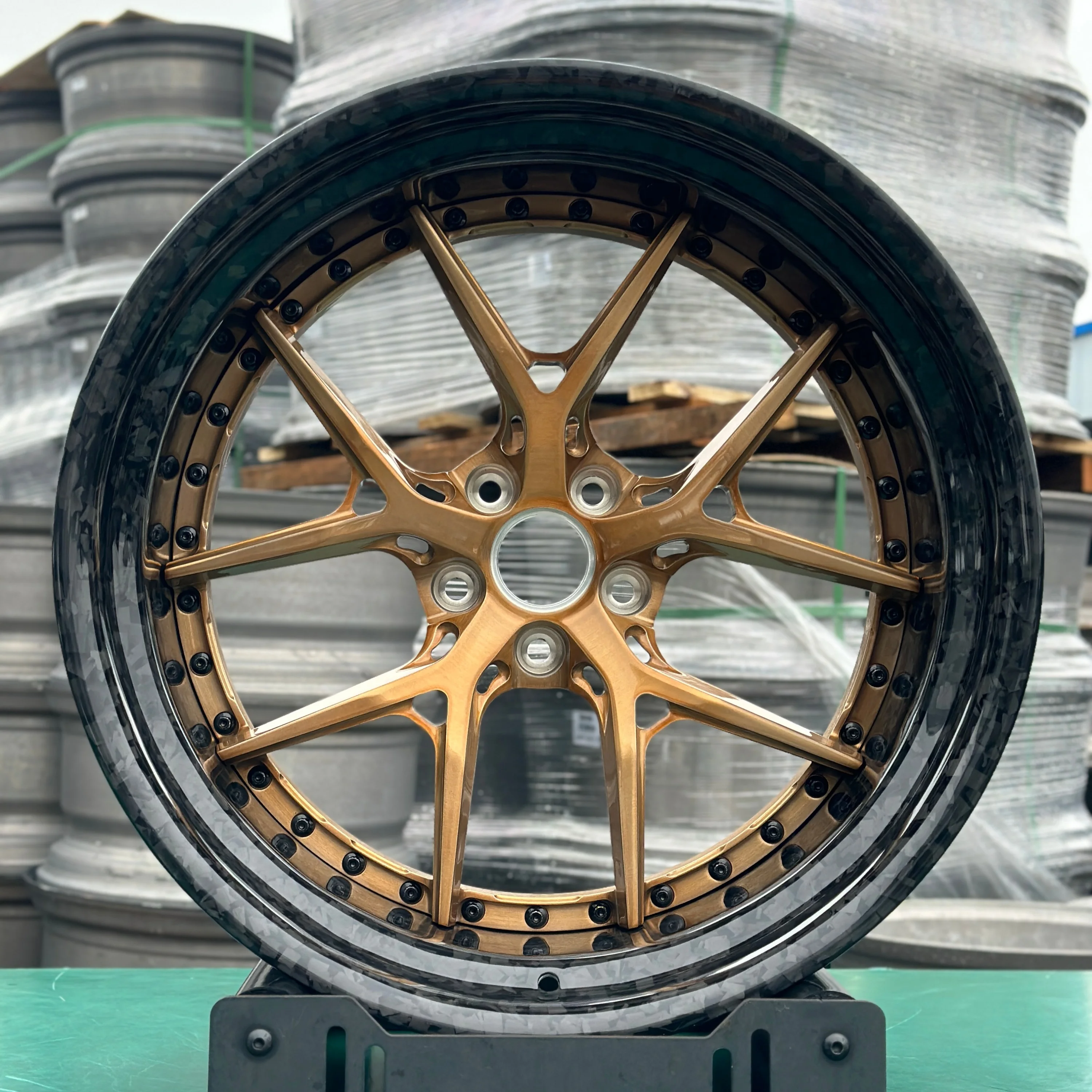
The unique properties of carbon fiber construction require specialized maintenance approaches that differ significantly from traditional aluminum or steel wheel care. Carbon fiber wheels feature a composite matrix that provides exceptional strength-to-weight ratios while maintaining durability under extreme conditions. However, this advanced material composition demands careful attention to cleaning methods, storage conditions, and regular inspection protocols to prevent degradation and ensure optimal performance over time.
Professional maintenance of carbon fiber wheels extends beyond basic cleaning routines to encompass comprehensive inspection procedures, environmental protection measures, and proper handling techniques. The investment in high-quality carbon fiber wheels justifies implementing thorough care protocols that preserve both their structural integrity and aesthetic appeal. Understanding these maintenance requirements enables owners to protect their investment while enjoying the performance benefits that make carbon fiber wheels a preferred choice for discerning automotive enthusiasts.
Essential Cleaning Procedures for Carbon Fiber Wheels
Proper Cleaning Techniques and Product Selection
Effective cleaning of carbon fiber wheels requires careful selection of appropriate cleaning products and techniques that preserve the integrity of the composite material. Avoid harsh chemical cleaners, abrasive compounds, or acidic solutions that can damage the carbon fiber matrix or protective coatings. Instead, utilize pH-neutral wheel cleaners specifically formulated for composite materials, combined with microfiber cloths and soft-bristled brushes to safely remove dirt, brake dust, and road debris without causing surface damage.
The cleaning process should begin with thorough rinsing using clean water to remove loose contaminants before applying any cleaning products. Apply the selected wheel cleaner according to manufacturer instructions, allowing adequate dwell time for effective cleaning action while avoiding prolonged exposure that might affect protective coatings. Use gentle circular motions with microfiber cloths or soft brushes to work the cleaner into crevices and detailed areas, paying particular attention to brake dust accumulation around the hub and spoke areas.
Temperature considerations play a crucial role in effective cleaning of carbon fiber wheels. Avoid cleaning hot wheels immediately after driving, as thermal shock from cold water on heated carbon fiber can potentially cause stress fractures or damage to the composite structure. Allow wheels to cool to ambient temperature before beginning cleaning procedures, and avoid exposing wet carbon fiber wheels to direct sunlight or extreme temperature variations during the cleaning process.
Post-Cleaning Protection and Finishing
After thorough cleaning, carbon fiber wheels benefit from appropriate protection products that enhance their durability and appearance. Apply specialized carbon fiber protectants or high-quality carnauba wax formulated for composite materials to create a protective barrier against environmental contaminants, UV radiation, and moisture penetration. These protective coatings help maintain the distinctive carbon fiber appearance while providing additional resistance to staining and surface degradation.
The application of protective products should follow proper preparation procedures, including complete drying of the wheel surface and ensuring no residual cleaning product remains. Use clean microfiber applicators to apply protection products in thin, even coats, allowing proper curing time between applications as specified by product manufacturers. Buff excess product using clean, dry microfiber cloths to achieve the desired finish while ensuring complete coverage of all exposed carbon fiber surfaces.
Regular application of protection products, typically every 4-6 weeks or as needed based on environmental exposure, helps maintain the longevity and appearance of carbon fiber wheels. Document protection product applications as part of a comprehensive maintenance schedule to ensure consistent care and optimal protection throughout the wheel's service life.
Comprehensive Inspection Protocols
Visual Inspection Procedures
Regular visual inspection of carbon fiber wheels forms the foundation of effective maintenance programs designed to identify potential issues before they compromise wheel integrity or performance. Conduct thorough visual inspections at least monthly, examining all accessible surfaces for signs of damage, wear, or deterioration. Look for hairline cracks, delamination, chips, scratches, or any irregularities in the carbon fiber weave pattern that might indicate structural compromise or manufacturing defects.
Pay particular attention to high-stress areas including the hub mounting surface, lug nut seats, and spoke-to-rim junction points where forces concentrate during vehicle operation. These critical areas experience significant loads and thermal cycling that can potentially lead to fatigue or stress-related damage over time. Use adequate lighting and magnification when necessary to thoroughly examine these areas for any signs of cracking, material separation, or other structural anomalies.
Document inspection findings with photographs and detailed notes to establish a baseline condition record and track any changes over time. This documentation proves invaluable for identifying progressive damage patterns and supporting warranty claims if manufacturing defects become apparent. Create a systematic inspection checklist covering all critical areas to ensure consistent and comprehensive evaluation during each inspection cycle.
Structural Integrity Assessment
Beyond visual inspection, carbon fiber wheels require periodic structural integrity assessments to verify their continued suitability for safe operation. These assessments involve checking for proper wheel balance, runout measurements, and verification that mounting surfaces remain flat and true. Any deviation from manufacturer specifications may indicate structural damage or wear that requires professional evaluation and potential wheel replacement.
Monitor wheel balance characteristics during regular tire service intervals, as changes in balance requirements may indicate internal damage or material degradation not visible during external inspections. Carbon fiber wheels should maintain consistent balance characteristics throughout their service life, and any significant changes warrant immediate professional inspection to determine the underlying cause.
Implement torque verification procedures during regular maintenance to ensure proper installation and prevent over-tightening that can damage carbon fiber structures. Use calibrated torque wrenches and follow manufacturer specifications precisely, as carbon fiber materials can be more sensitive to improper installation procedures than traditional metal wheels. Document torque specifications and installation procedures to maintain consistency across all wheel positions and service intervals.
Environmental Protection Strategies
Storage and Seasonal Considerations
Proper storage of carbon fiber wheels during extended periods of non-use significantly impacts their longevity and performance characteristics. Store wheels in clean, dry environments with stable temperatures and humidity levels to prevent moisture-related degradation or thermal stress cycling. Avoid storage in areas subject to extreme temperature fluctuations, direct sunlight exposure, or contact with chemicals that might affect carbon fiber materials over time.
When storing mounted carbon fiber wheels, maintain proper tire pressure to prevent rim damage from tire pressure loss and resulting load concentration on specific areas. Position stored wheels to distribute weight evenly and prevent distortion or stress concentration that might occur from improper support. Use appropriate wheel stands or storage systems designed to support the entire wheel structure without creating pressure points or stress concentrations.
For seasonal wheel changes, implement proper transition procedures that include thorough cleaning, inspection, and protection before storage. Apply appropriate protective coatings before storage and inspect storage conditions periodically to ensure environmental parameters remain within acceptable ranges. Document storage conditions and any changes observed during periodic checks to maintain comprehensive maintenance records.
Road Hazard Prevention and Management
Carbon fiber wheels require careful attention to road hazard avoidance and impact management to prevent damage that might compromise their structural integrity. Develop driving habits that minimize exposure to potholes, road debris, curb contact, and other hazards that can cause immediate damage or create stress concentrations leading to long-term failure. The relatively brittle nature of carbon fiber compared to metal wheels makes impact avoidance particularly important for maintaining wheel integrity.
Implement tire pressure monitoring systems to maintain optimal tire pressures that provide adequate cushioning and protection for carbon fiber wheels during normal driving operations. Properly inflated tires help distribute impact loads more effectively and reduce the likelihood of rim damage from road irregularities or debris impacts. Regular pressure checks and prompt attention to pressure loss help maintain this protective effect throughout the tire service life.
Consider seasonal tire selections that provide appropriate protection levels for expected road conditions, as tire characteristics significantly influence the protection provided to carbon fiber wheels. Winter tires with appropriate sidewall construction can provide additional impact protection during harsh weather conditions when road hazards may be more prevalent or difficult to avoid.
Professional Maintenance Integration
Service Provider Selection and Communication
Selecting qualified service providers familiar with carbon fiber wheel maintenance requirements ensures proper care and prevents damage from improper handling or service procedures. Research service providers with specific experience in carbon fiber wheel maintenance, appropriate equipment for safe handling, and understanding of the unique requirements for these advanced wheel systems. Verify that service providers use proper torque specifications, mounting procedures, and balancing techniques suitable for carbon fiber construction.
Establish clear communication protocols with service providers regarding the specific requirements and limitations of carbon fiber wheels. Provide documentation of manufacturer specifications, maintenance requirements, and any previous service history that might affect current service procedures. Ensure service providers understand the importance of proper handling techniques and the potential consequences of improper procedures on carbon fiber wheel integrity.
Develop ongoing relationships with qualified service providers to ensure consistency in care and familiarity with your specific carbon fiber wheels and their maintenance history. This relationship facilitates better communication, more effective problem identification, and improved service quality throughout the wheel's service life.
Integration with Vehicle Maintenance Programs
Carbon fiber wheels should be integrated into comprehensive vehicle maintenance programs that coordinate wheel care with related systems including brakes, suspension, and tires. This integration ensures that maintenance activities support overall vehicle performance while addressing the specific requirements of carbon fiber wheels. Schedule wheel inspections to coincide with other maintenance activities to maximize efficiency and ensure nothing is overlooked.
Coordinate brake system maintenance with carbon fiber wheel care to prevent brake dust accumulation and ensure proper clearances are maintained. Some high-performance brake systems may require specific considerations when used with carbon fiber wheels, including pad selection, rotor specifications, and cooling requirements that affect wheel longevity and performance.
Maintain detailed maintenance records that document all service activities, inspection results, and any issues identified during routine maintenance. These records provide valuable insight into wheel performance trends and help identify potential problems before they result in failure or safety concerns. Use maintenance records to optimize service intervals and procedures based on actual experience and observed wear patterns.
FAQ
How often should carbon fiber wheels be professionally inspected
Professional inspection of carbon fiber wheels should be conducted annually or every 12,000 miles, whichever occurs first, with additional inspections recommended after any significant impact or if unusual vibrations or handling characteristics are observed. These professional inspections complement monthly owner visual inspections and provide expert assessment of structural integrity, balance, and overall condition using specialized equipment and expertise not available to typical vehicle owners.
Can carbon fiber wheels be repaired if damaged
Carbon fiber wheels can sometimes be repaired depending on the type and extent of damage, but repairs must be performed by specialists with specific expertise in carbon fiber composite repair techniques. Minor surface damage, small chips, or cosmetic issues may be repairable, while structural damage, cracks, or delamination typically require wheel replacement to ensure safe operation. Professional assessment is essential to determine repairability and appropriate repair methods when damage occurs.
What cleaning products should be avoided when maintaining carbon fiber wheels
Avoid acidic wheel cleaners, harsh degreasers, abrasive compounds, steel wool, stiff brushes, and any products containing hydrofluoric acid or other aggressive chemicals that can damage carbon fiber matrices or protective coatings. Petroleum-based solvents and acetone should also be avoided as they can affect the resin systems used in carbon fiber construction. Always use pH-neutral cleaners specifically formulated for composite materials and test any new products on inconspicuous areas before full application.
How do temperature changes affect carbon fiber wheel maintenance requirements
Temperature changes affect carbon fiber wheels through thermal expansion and contraction cycles that can create stress concentrations and potentially affect long-term durability. Extreme temperature variations should be avoided during cleaning and storage, and gradual temperature transitions are preferred when possible. Cold weather may make carbon fiber more brittle and susceptible to impact damage, while high temperatures can affect protective coatings and potentially soften resin systems, requiring adjusted maintenance approaches based on seasonal conditions and climate exposure.
 Hot News
-
Forged Carbon Products
2024-05-21
-
Forged Off-Road Accessories
2024-05-21
-
GVICHN Introduces Revolutionary Forged Two-Piece Product
2024-05-21
 ONLINE