How Much Weight Can You Save by Switching to Carbon Fiber Wheels on Your Sports Car?
When it comes to enhancing your sports car's performance, few modifications offer the dramatic impact of upgrading to carbon fiber wheels. These lightweight marvels represent the pinnacle of automotive engineering, combining cutting-edge materials science with precision manufacturing to deliver unparalleled weight savings and performance benefits. For enthusiasts seeking to maximize their vehicle's potential, understanding the weight reduction capabilities of carbon fiber wheels becomes crucial in making informed upgrade decisions.
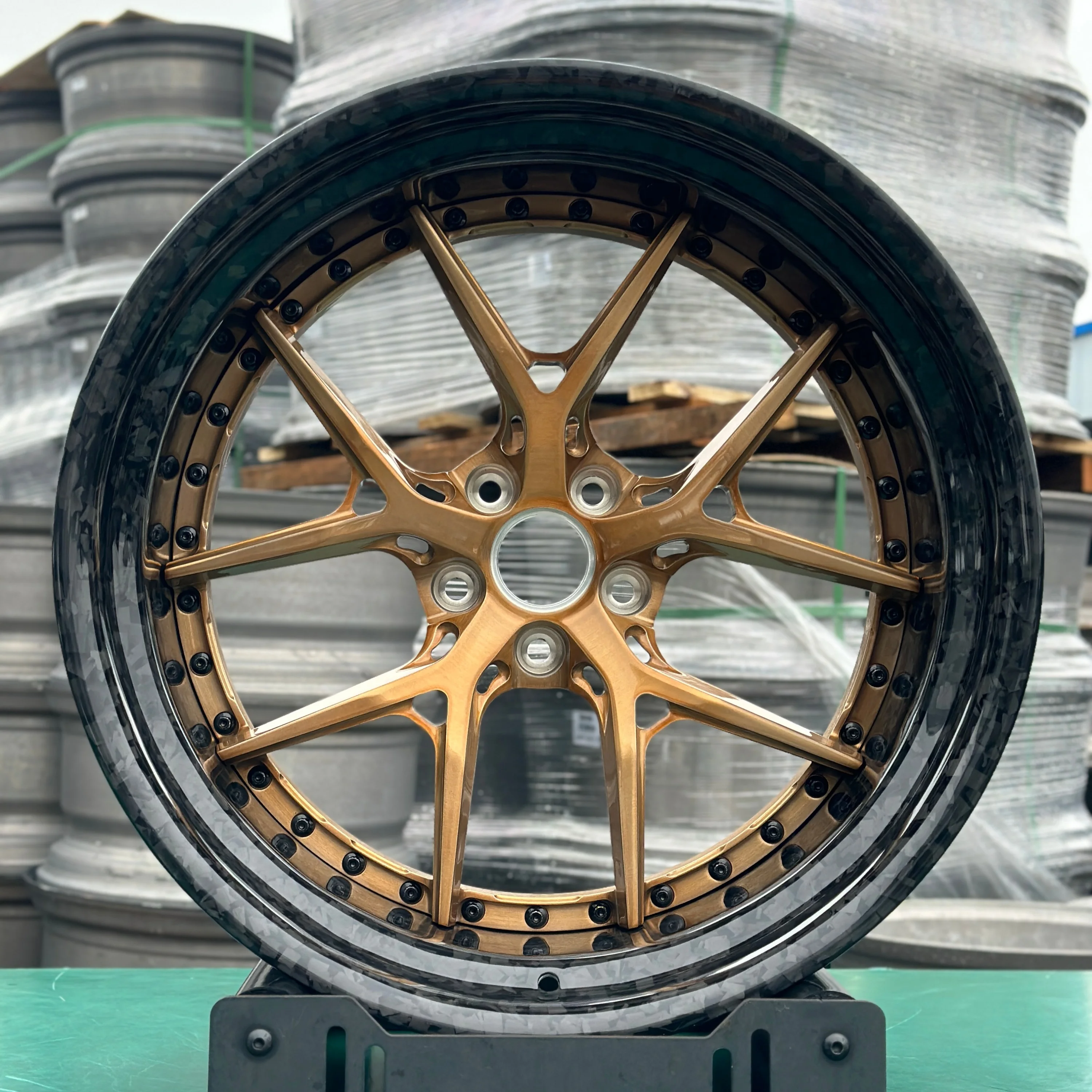
The transition from traditional aluminum or steel wheels to carbon fiber alternatives represents one of the most effective methods of reducing unsprung weight in modern sports cars. This reduction directly translates to improved acceleration, enhanced braking performance, and superior handling characteristics that every driving enthusiast craves. The engineering behind carbon fiber wheels involves intricate weaving patterns and advanced resin systems that create structures significantly lighter than conventional materials while maintaining exceptional strength and durability.
Understanding Carbon Fiber Wheel Construction and Weight Benefits
Advanced Manufacturing Techniques
Modern carbon fiber wheels utilize sophisticated manufacturing processes that maximize weight reduction while ensuring structural integrity. The construction typically involves multiple layers of carbon fiber fabric arranged in specific orientations to optimize strength-to-weight ratios. These layers are then infused with high-performance resins and cured under precise temperature and pressure conditions to create the final wheel structure.
The manufacturing process for carbon fiber wheels often incorporates autoclave curing, which applies controlled heat and pressure to eliminate voids and ensure consistent material properties throughout the wheel. This technique results in wheels that are not only lighter than their metal counterparts but also exhibit superior fatigue resistance and dimensional stability under extreme operating conditions.
Material Properties and Weight Characteristics
Carbon fiber's unique material properties make it an ideal choice for high-performance wheel applications. The material exhibits an exceptional strength-to-weight ratio, with some carbon fiber composites being up to five times stronger than steel while weighing significantly less. This characteristic allows manufacturers to create carbon fiber wheels that meet or exceed the safety requirements of traditional materials while achieving substantial weight reductions.
The density of carbon fiber composites typically ranges from 1.4 to 1.6 grams per cubic centimeter, compared to aluminum's 2.7 grams per cubic centimeter and steel's 7.8 grams per cubic centimeter. This fundamental difference in material density contributes significantly to the overall weight savings achievable with carbon fiber wheels, making them an attractive option for performance-oriented applications.
Quantifying Weight Savings Across Different Wheel Sizes
Typical Weight Reductions by Wheel Diameter
The weight savings achievable with carbon fiber wheels varies considerably based on wheel diameter, width, and design complexity. For 18-inch wheels, the typical weight reduction ranges from 8 to 12 pounds per wheel compared to equivalent aluminum wheels. This translates to a total unsprung weight reduction of 32 to 48 pounds for a complete set of four wheels, representing a significant performance enhancement.
Larger diameter wheels offer even more impressive weight savings potential. Carbon fiber wheels in 19-inch and 20-inch sizes can achieve weight reductions of 12 to 18 pounds per wheel, resulting in total system weight savings of 48 to 72 pounds. These substantial reductions become increasingly important in larger wheel applications, where traditional materials would otherwise add considerable mass to the vehicle's unsprung weight.
Impact of Wheel Width on Weight Savings
Wheel width plays a crucial role in determining the overall weight savings potential of carbon fiber wheels. Wider wheels require more material and structural reinforcement, but carbon fiber's superior strength-to-weight ratio maintains significant advantages over traditional materials. A typical 18x8.5-inch carbon fiber wheel might weigh 15-18 pounds, while an equivalent aluminum wheel could weigh 22-26 pounds.
Ultra-wide carbon fiber wheels designed for high-performance applications can achieve even more dramatic weight reductions. For example, a 20x12-inch carbon fiber wheel might weigh 20-24 pounds compared to a similar aluminum wheel weighing 32-38 pounds. These savings become particularly valuable in applications where wide wheels are necessary for optimal tire contact patches and handling performance.
Performance Implications of Reduced Unsprung Weight
Acceleration and Braking Improvements
The reduction in unsprung weight achieved through carbon fiber wheels directly impacts vehicle dynamics and performance characteristics. Every pound of unsprung weight reduction is equivalent to removing approximately four to seven pounds of sprung weight in terms of acceleration performance. This means that a 40-pound reduction in wheel weight can provide acceleration benefits similar to removing 160-280 pounds from the vehicle's total mass.
Braking performance also benefits significantly from reduced unsprung weight. Lighter carbon fiber wheels require less energy to decelerate, reducing the thermal load on brake components and improving overall stopping distances. The reduced rotational inertia of carbon fiber wheels allows brake systems to work more efficiently, particularly during repeated high-performance braking scenarios common in track driving or spirited road driving.
Handling and Suspension Response
The suspension system's ability to control wheel movement improves dramatically with the reduced mass of carbon fiber wheels. Lower unsprung weight allows suspension components to respond more quickly to road surface irregularities, maintaining better tire contact with the pavement and improving overall grip levels. This enhanced response translates to more precise steering input and improved vehicle stability during dynamic driving maneuvers.
The reduced gyroscopic effect of lighter carbon fiber wheels also contributes to improved handling characteristics. Traditional heavy wheels create significant gyroscopic forces that resist changes in direction, while lighter carbon fiber wheels minimize these effects and allow for quicker directional changes and more responsive handling. This benefit becomes particularly noticeable during high-speed cornering and rapid direction changes common in performance driving scenarios.
Comparing Weight Savings Across Different Wheel Materials
Carbon Fiber versus Aluminum Alloy Wheels
When comparing carbon fiber wheels to high-quality aluminum alloy alternatives, the weight savings are substantial but vary depending on the specific aluminum construction method. Cast aluminum wheels typically represent the heaviest option, with carbon fiber wheels offering weight reductions of 40-60% compared to equivalent cast aluminum designs. Forged aluminum wheels provide better weight characteristics than cast alternatives but still fall significantly short of carbon fiber performance.
Premium forged aluminum wheels represent the closest competition to carbon fiber wheels in terms of weight reduction, yet carbon fiber wheels still maintain advantages of 25-35% in weight savings. These improvements become more pronounced in larger wheel sizes where the material efficiency of carbon fiber becomes increasingly important for maintaining structural integrity while minimizing weight.
Steel Wheel Comparisons and Extreme Weight Reduction
The weight savings achieved when upgrading from steel wheels to carbon fiber wheels are truly dramatic, often exceeding 50-70% reduction per wheel. Steel wheels, while durable and cost-effective, represent the heaviest option available and create significant performance penalties in sports car applications. A typical 18-inch steel wheel might weigh 35-45 pounds, while an equivalent carbon fiber wheel weighs only 15-20 pounds.
This extreme weight reduction makes carbon fiber wheels particularly attractive for vehicles originally equipped with steel wheels, as the performance transformation can be remarkable. The total weight savings for a complete set of four wheels can exceed 80-120 pounds when transitioning from steel to carbon fiber wheels, representing one of the most effective single modifications for improving vehicle performance.
Cost Considerations and Value Analysis
Initial Investment and Long-term Benefits
While carbon fiber wheels require a significant initial investment compared to traditional wheel materials, the performance benefits and potential weight savings justify the cost for serious enthusiasts. The manufacturing complexity and advanced materials used in carbon fiber wheels contribute to higher prices, but the resulting performance improvements often exceed those achievable through other modifications of similar cost.
The durability characteristics of high-quality carbon fiber wheels also contribute to their long-term value proposition. Unlike aluminum wheels that can suffer from fatigue cracking or corrosion issues, properly manufactured carbon fiber wheels maintain their structural integrity and appearance over extended periods, potentially offering superior long-term value despite higher initial costs.
Performance per Dollar Analysis
When evaluating the cost-effectiveness of carbon fiber wheels, it's important to consider the comprehensive performance benefits relative to the investment required. The weight reduction achieved through carbon fiber wheels affects multiple aspects of vehicle performance simultaneously, including acceleration, braking, handling, and fuel economy. Few other modifications can provide such broad-based performance improvements from a single upgrade.
Comparing the cost per pound of weight reduction, carbon fiber wheels often provide competitive value when measured against other performance modifications. While individual carbon fiber wheels may cost more than aluminum alternatives, the performance benefits per dollar invested frequently exceed those of other common modifications such as exhaust systems, air intake modifications, or suspension upgrades.
Installation Considerations and Compatibility
Fitment Requirements and Vehicle Compatibility
Proper fitment represents a critical consideration when selecting carbon fiber wheels for sports car applications. The reduced weight of carbon fiber wheels can affect vehicle dynamics and may require adjustments to suspension settings or tire pressure recommendations to optimize performance. Additionally, the unique characteristics of carbon fiber wheels may influence brake cooling requirements, particularly in high-performance driving scenarios.
Compatibility with existing tire pressure monitoring systems and other vehicle sensors must also be evaluated when considering carbon fiber wheels. Some systems may require recalibration or modification to accommodate the different material properties and construction characteristics of carbon fiber wheels compared to the original equipment wheels.
Maintenance and Care Requirements
Carbon fiber wheels require specific care and maintenance procedures to preserve their appearance and structural integrity. Unlike traditional metal wheels that can be refinished or repaired relatively easily, carbon fiber wheels require specialized techniques for any necessary repairs or maintenance. Understanding these requirements is essential for maintaining the long-term performance and appearance of carbon fiber wheels.
The cleaning and maintenance procedures for carbon fiber wheels differ from those used for aluminum or steel wheels. Appropriate cleaning products and techniques must be employed to avoid damaging the carbon fiber surface or affecting the wheel's structural properties. Regular inspection for signs of impact damage or delamination is also important for ensuring continued safe operation.
FAQ
What is the typical weight difference between carbon fiber wheels and aluminum wheels
Carbon fiber wheels typically weigh 25-40% less than equivalent aluminum wheels, with weight savings ranging from 8-18 pounds per wheel depending on size and construction. For a complete set of four wheels, this translates to total weight reductions of 32-72 pounds, providing significant performance benefits through reduced unsprung weight.
Do carbon fiber wheels affect ride quality compared to traditional wheels
Carbon fiber wheels generally improve ride quality through reduced unsprung weight, which allows suspension components to better control wheel movement and maintain tire contact with the road surface. The improved suspension response typically results in better handling and more precise steering feedback while maintaining ride comfort.
Are carbon fiber wheels safe for daily driving and highway use
High-quality carbon fiber wheels are engineered to meet or exceed safety standards for automotive applications and are suitable for daily driving when properly manufactured and installed. They undergo rigorous testing for impact resistance, fatigue life, and structural integrity to ensure safe operation under normal and extreme driving conditions.
How much do carbon fiber wheels typically cost compared to premium aluminum wheels
Carbon fiber wheels typically cost 2-4 times more than premium forged aluminum wheels, with prices varying based on size, design complexity, and manufacturing quality. While the initial investment is higher, the performance benefits and potential long-term durability can justify the additional cost for enthusiasts seeking maximum performance improvements.
Recommended Products

 Hot News
-
Forged Carbon Products
2024-05-21
-
Forged Off-Road Accessories
2024-05-21
-
GVICHN Introduces Revolutionary Forged Two-Piece Product
2024-05-21
 ONLINE