Pse janë rrotat e forguara zgjedhja e preferuar për makinat luksuzoze dhe ekzotike?
Kur entuziastët e automobilizmit me kritikë dhe prodhuesit e veturave luksuese dhe ekzotike zgjedhin pjesët, ata i vendosin në krye performancën, estetikën dhe shkëlqimin e inxhinierisë. Në mes të zgjedhjeve më të rëndësishme në personalizimin e veturave dhe specifikimin e pajisjeve origjinale është zgjedhja e rrotave, ku rrotat e forguara kanë dalë si standardi dominues për aplikimet me performancë të lartë. Kjo preferencë nuk është thjesht çështje statusi apo pozicionimi i markës—ajo reflekton avantazhe themelore inxhinierike që ndikojnë drejtpërdrejt në dinamikën e veturës, në marzhina e sigurisë dhe në përvojën e zotërimit të gjatë kohësh. Kuptimi i arsyeve pse rrotat e forguara kërkojnë një besim të tillë në segmentin premium të automobilizmit kërkon një studim të pikës së prerjes së shkencës së materialeve, saktësisë së prodhimit dhe kërkesave reale të performancës që përcaktojnë këtë treg.
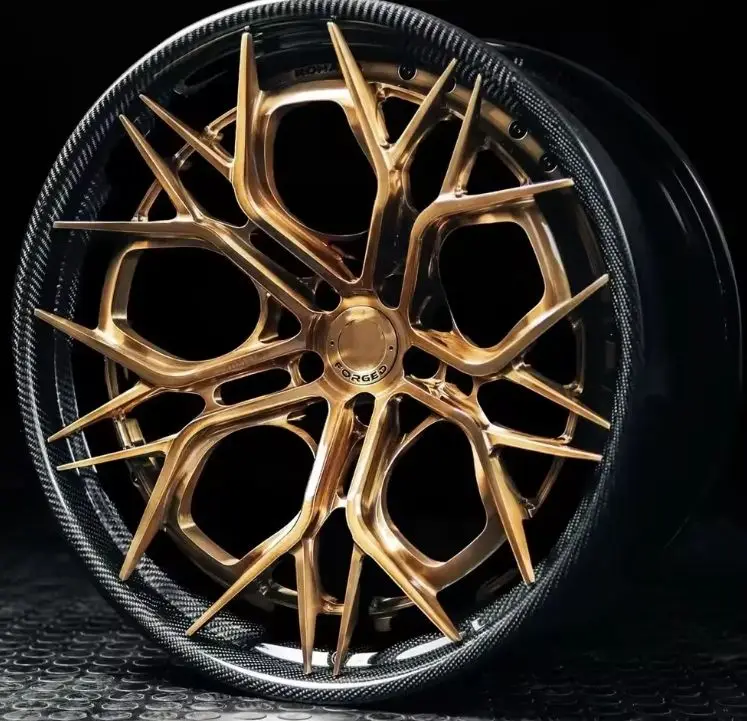
Segmentet e makinave luksuzoze dhe ekzotike funksionojnë nën kufizime dhe pritshmëri unike, të cilat metodat konvencionale të prodhimit të rrotave nuk mund t'i kënaqin. Makinat nga markat si Ferrari, Lamborghini, Porsche dhe McLaren gjenerojnë kapacitete performancësh të jashtëzakonshme, duke i nënshtruar rrotat forcave që do të dëmtonte pjesët më të ulëta brenda disa minutash të një drejtimi të fuqishëm. Në të njëjtën kohë, këto makinat shërbejnë si deklarata të lëvizshme të arritjeve teknologjike dhe të shijes personale, duke kërkuar një prezencë vizuale që përputhet me sofistikimin mekanik të tyre. Rrotat e forguara plotësojnë të dyja këto nevoja përmes një procesi prodhimi që ndryshon themelorisht strukturën e metalit në nivel molekular, duke krijuar komponentë që tejkalojnë alternativat e gjuara ose të formuara me rrjedhë në çdo metrikë të rëndësishme. Pyetja nuk është nëse rrotat e forguara ofrojnë avantazhe, por më tepër se si këto avantazhe përkthehen në përfitime të palpshme që justifikojnë pozicionimin e tyre premium në treg.
Baza Inxhinierike Përpara Superioritetit të Rrotullave të Forguara
Transformimi i Materialit Përmes Procesit të Forguar
Procesi i forguar i nënshton blloqet e ligaturave të aluminit presionit ekstrem—zakonisht mbi 10.000 ton—duke shtypur strukturën e grurëve të metali në konfigurime të dendura dhe të përshtatura, të cilat nuk mund të arrihen përmes kastimit. Kjo punë mekanike eliminon porozitetin e pranishëm në metalin e kastuar, ku boshllëqet mikroskopike krijojnë pika të përqendrimit të tensionit që shkaktojnë çarje nën ngarkesa ciklike. Te rrotat e forguara, rrjedha e vazhdueshme e grurëve ndjek konturët e rrotës pa ndërprerje, duke krijuar shtigje ngarkese që shpërndajnë tensionin uniformisht në tërë strukturën. Ky ndryshim themelor në mikrostrukturë shpjegon pse rrotat e forguara tregojnë vazhdimisht vlera të fortësisë së terheqjes 30–50% më të larta se sa rrotat e kastuara të përbërje identike, ndërkohë që reduktojnë peshën me 20–25% përmes shpërndarjes optimale të materialit.
Benefitet e metalurgjisë shtrihen jashtë matjeve statike të fortësisë në rezistencën ndaj lodhjes së goditjeve—faktori kritik që përcakton jetëgjatësinë e rrotave nën cikle të përsëritura të ngarkesës. Veturat luksuzoze dhe ekzotike i nënshtrojnë rrotat variacioneve ekstreme të ngarkesës: akselerimi i fortë transmeton momentin e kthimit përmes fytyrës së rrotës, frenimi agresiv gjeneron cikle termike dhe forca të zvogëlimit të shpejtësisë, ndërsa kthimi me shpejtësi të lartë krijon ngarkesa anësore që arrijnë deri në 2G për veturat me leje qarkullimi në rrugë. Rrotat e forguara ruajnë integritetin strukturor përmes miliona të këtyre cikleve, pasi struktura e tyre e përpunuar e grurëve reziston fillimit dhe përhapjes së çarjeve. Protokollet e testimeve të pavarura tregojnë se rrotat e forguara zakonisht mbijetojnë nga tre deri në pesë herë më shumë cikle lodhjeje se sa rrotat e gjuara para dështimit, duke ofruar margjinat e sigurisë që prodhuesit e luksit kërkojnë për komponentët që mbartin një përgjegjësi kaq të rëndësishme.
Toleranca në Procesimin e Saktësisë
Procesi i forjimit prodhon natyrshëm komponentë me toleranca dimensionale më të ngushta se metodat e kastimit me gravitet ose kastimit me presion të ulët. Kur prodhuesit prodhojnë rrotull dhe larg forgjat , deformimi i kontrolluar nën presionin hidraulik krijon një rrjedhë të parashikueshme të materialit, duke lejuar operacionet e përpunimit me CNC të arrijnë toleranca brenda 0,05 mm në sipërfaqet kryesore të montimit. Kjo saktësi ndikon drejtpërdrejt në dinamikën e automjetit duke siguruar ekuilibrin perfekt të rrotave, minimizuar transmetimin e vibracioneve dhe ruajtur gjeometrinë të njëjtë në të katër këndet. Për automjetet eksotike që janë projektuar me sisteme të varësisë të ndjeshme ndaj variacioneve nën milimetër, këto toleranca përfaqësojnë ndryshimin midis arritjes së objektivave të performancës së projektuara dhe komprometimit të karakteristikave të manovrimit që përcaktojnë karakterin e automjetit.
Përshtatshmëria dimensionale ndikon gjithashtu në menaxhimin e nxehtësisë në sistemet e frenimit me performancë të lartë. Automjetet ekzotike përdorin shpesh sisteme frenimi karbon-ceramike që gjenerojnë temperatura ekstreme mbi 800°C gjatë përdorimit në pistë. Rrotat e forguara ruajnë dimensione të qëndrueshme nën këto ngarkesa termike, duke ruajtur hapat kritikë të lirë midis barrës së rrotës dhe montimeve të kaliperëve të frenave. Rrotat e gjuara, për shkak të shpërndarjes më pak uniforme të materialeve dhe tensioneve të mbetura nga ftohja, mund të përjetojnë ndryshime dimensionale që zvogëlojnë efikasitetin e ftohjes së frenave ose, në raste ekstreme, mund të krijojnë kushte interferençe. Qëndrueshmëria dimensionale e rrotave të forguara nën ciklet termike jep inxhinierëve besimin se gjeometria e rrotave mbetet brenda specifikimeve në tërë gamën e operimit të automjetit, nga nisjet e para në temperaturat e ftohta arktike deri te sesionet e zgjatura në pistë në klima të kruara.
Optimizimi i peshës dhe inercia rrotulluese
Marrëdhënia midis peshës së rrotave dhe performancës së mjetit shtrihet shumë më tej se thjeshta zvogëlimi i masës. Rrotat përbëjnë masën e papërshtatshme—masën që sistemet e suspendimit duhet të kontrollojnë gjatë shtypjes dhe kthimit—dhe masën e rrotullueshme, e cila reziston nxitimit dhe ngadalësimit. Fizika dikton se zvogëlimi i inercisë së rrotullimit jep përfitime disproportionalisht të mëdha në performancë: një zvogëlim prej një kilogrami në peshën e rrotave sjell përmirësim në nxitim të barabartë me heqjen e 3–5 kilogramëve nga masa e përshtatshme e mjetit. Rrotat e forguara zakonisht janë 15–30% më të lehta se ato të gjuara, çka përkthehet në përmirësime të matshme në nxitim, distanca të frenimit dhe reagimin e sistemit të suspendimit, të cilat blerësit e mjetave luksuese mund t’i perceptojnë menjëherë gjatë drejtimit.
Kjo përparësi në peshë bëhet gjithnjë e më e rëndësishme kur performanca e mjetit rritet. Një makinë eksotike me motor të mesëm që prodhon 700 kuaj fuqi mund të shfrytëzojë disqe më të lehta të forguara për të përmirësuar kohën nga 0 deri në 100 km/h me 0,1–0,2 sekonda — ndryshime që janë shumë të rëndësishme për blerësit që krahasojnë specifikimet e performancës. Përtej nxitimit në vijë të drejtë, inercia rotacionale e ulur lejon sistemet e suspensionit të ruajnë kontaktin e gomave gjatë ndryshimeve të shpejta të drejtimit, duke përmirësuar forcën e kapjes në kthesa dhe saktësinë e drejtimit. Forcat giroskopike që gjenerohen nga disqet e rënda rezistojnë hyrjeve të drejtimit, duke krijuar karakteristikat e ngadaltësisë së përgjigjes, të cilat prodhuesit e makinerive luksuzoze punojnë me kujdes për t’i eliminuar. Duke minimizuar këto forca parazitare, disqet e forguara lejojnë inxhinierët e suspensionit të arrijnë përgjigje të menjëhershme dhe një ndjenjë të komunikimit të drejtimit që përcakton dinamikën e jashtëzakonshme të manovrimit.
Kërkesat e Performancës Unike për Makinat Luksuzoze dhe Eksotike
Skenario Ekstreme të Ngarkesës dhe Margjinat e Sigurisë
Veturat luksuzoze dhe ekzotike gjenerojnë ngarkesa forcash që e kalojnë me shumë marrëdhënien e veturave të zakonshme të udhëtarëve. Një supermakinë e kohëve të sotme që shpejtohet nga qetësia deri në 100 km/h në më pak se tre sekonda i nënshton rrotat e pasme kulmeve të menjëhershme të momentit të forcës që kalon 2.000 njuton-metra, ndërsa kur bën kthesa në kufirin e adhezionit gjeneron forca anësore që arrijnë afërsisht 1,5G, të mbajtura për periudha të gjata. Këto kushte ngarkimi kërkojnë struktura rrotash me faktorë sigurie që ofrojnë besnikëri absolute nën përdorim të vazhduar të dhunshëm. Rrotat e forguara ofrojnë rezistenca të shpërbërjes tipikisht mbi 450 MPa—gati dyfishi i vlerave të zakonshme të rrotave premium të gjuara—duke krijuar margjinat strukturore që lejojnë komponentët të mbijetojnë goditjet e rastësishme të bordurës, goditjet e gropave në rrugë dhe incidente të tjera reale pa dëmtim katastrofik.
Implikimet e sigurisë shtrihen edhe në karakteristikat e mënyrës së dështimit. Kur rrotat e derdhura pësojnë dështim strukturor, ato zakonisht çelën papritur, duke shkaktuar humbje të shpejtë ajri dhe mundësinë e humbjes së kontrollit mbi mjetin. Rrotat e forguara, për shkak të strukturës së grurëzave të tyre të duktila, tendencojnë të deformohen progresivisht para dështimit përfundimtar, duke lejuar shpesh që shoferët të ruajnë një kontroll pjesor dhe të ndalojnë sigurisht mjetin. Kjo karakteristikë e degradimit të butë përputhet me filozofinë e sigurisë të integruar në tërë dizajnimin e mjeteve luks, ku sistemet redundante dhe inxhinieria e sigurt kundër dështimeve mbrojnë pasagjerët edhe kur komponentët individualë arrijnë kufijtë e tyre. Për prodhuesit, reputacioni i brandit të të cilëve varet nga besnikëria absolute, kjo ndryshim në mënyrën e dështimit përfaqëson një argument të fuqishëm për specifikimin e rrotave të forguara si pajisje origjinale.
Menaxhimi i temperaturës në sistemet e frenimit me performancë të lartë
Veturat ekzotike përdorin rregullisht sisteme frenimi që prodhojnë ngarkesa termike të cilat do të shkatërronin pjesët konvencionale brenda disa minutash. Disket e frenave karbon-ceramike, ekuipim standard në shumicën e veturave me çmim mbi 100 000 dollarë, funksionojnë efikasht vetëm në temperaturë të lartë, por mund të ekspozojnë pjesët fqinje ndaj kushteve termike që kalojnë 600°C gjatë përdorimit në pistë. Rrotat e forguara tregojnë një përçueshmëri termike superiore dhe një stabilitet dimensional më të mirë në këto kushte, duke drejtuar nxehtësinë larg pjesëve të frenave, ndërkohë që ruajnë integritetin strukturor. Densiteti i njëtrajtshëm i arrijtur përmes forguarit eliminon pikat e nxehta dhe gradientët termikë të zakonshëm në rrotat e gjuara, ku poroziteti dhe variacionet e trashësisë krijojnë zgjerim të diferencuar që mund të shkaktojë deformim ose çarje pas cikleve të përsëritura termike.
Dizajni i rrotave për aplikime luksuzore duhet gjithashtu të lejojë modele rrjedhjeje ajri që maksimizojnë efikasitetin e ftohjes së frenave. Rrotat e forguara lejojnë inxhinierët të integrojnë gjeometri komplekse të shpatullave—përfshirë profile të thelluara, seksione të ndryshme të kryqit dhe formësim aerodinamik—që nuk mund të arrihen përmes hedhjes. Këto liri dizajni lejojnë krijimin e rrotave që funksionojnë si komponentë aktivë ftohës, duke drejtuar ajrin ambient mbi disket dhe kornizat e frenave për të zvogëluar temperaturën me 50–100 °C në krahasim me dizajnet konvencionale. Efikasiteti strukturor i rrotave të forguara ofron kursimet e materialeve që lejojnë inxhinierët të përqendrojnë masën drejt karakteristikave aerodinamike, në vend të kërkesave bazë strukturore, duke krijuar komponentë që njëkohësisht zvogëlojnë peshën dhe përmirësojnë menaxhimin termik në tërë gamën e performancës së automjetit.
Kërkesat estetike dhe kërkesat për personalizim
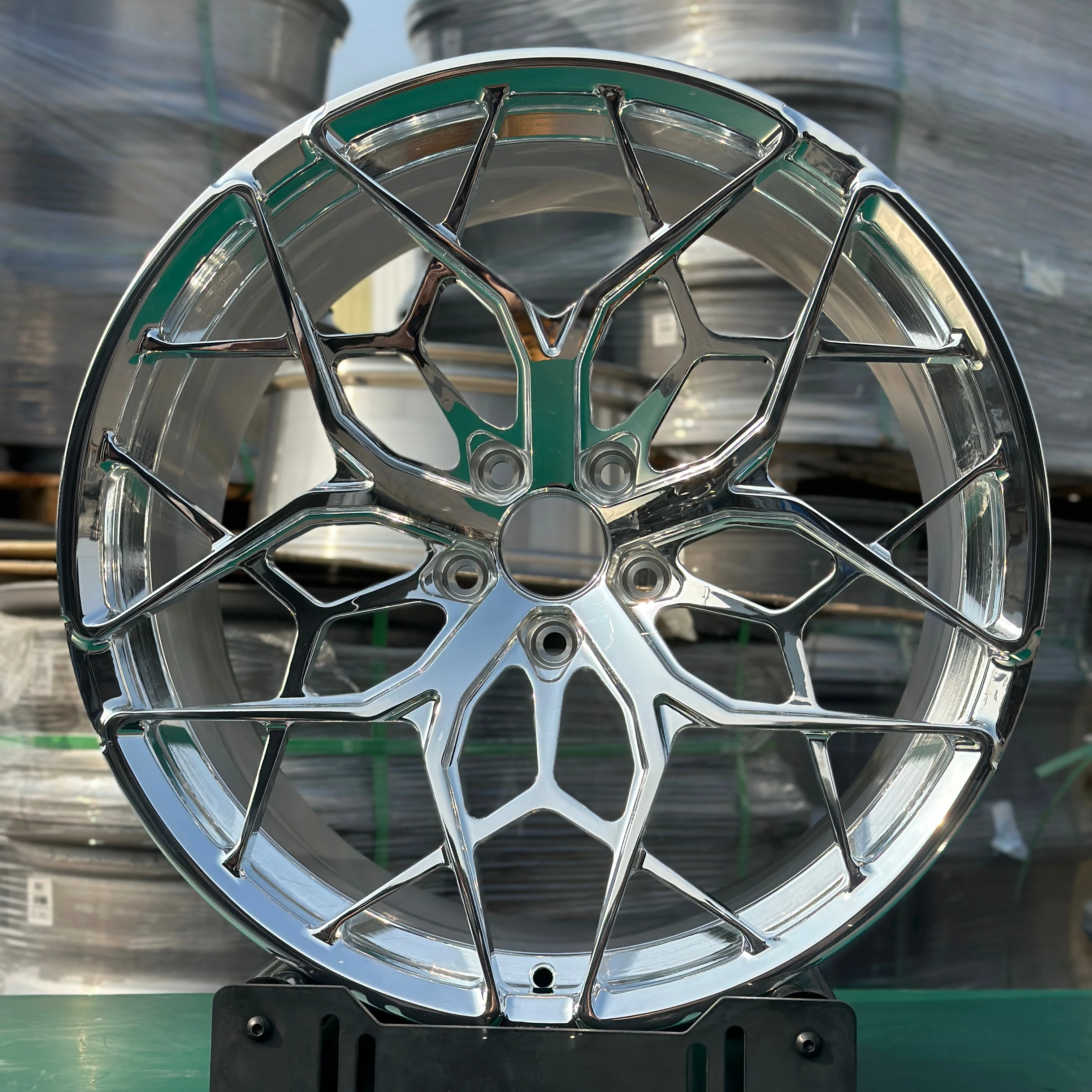
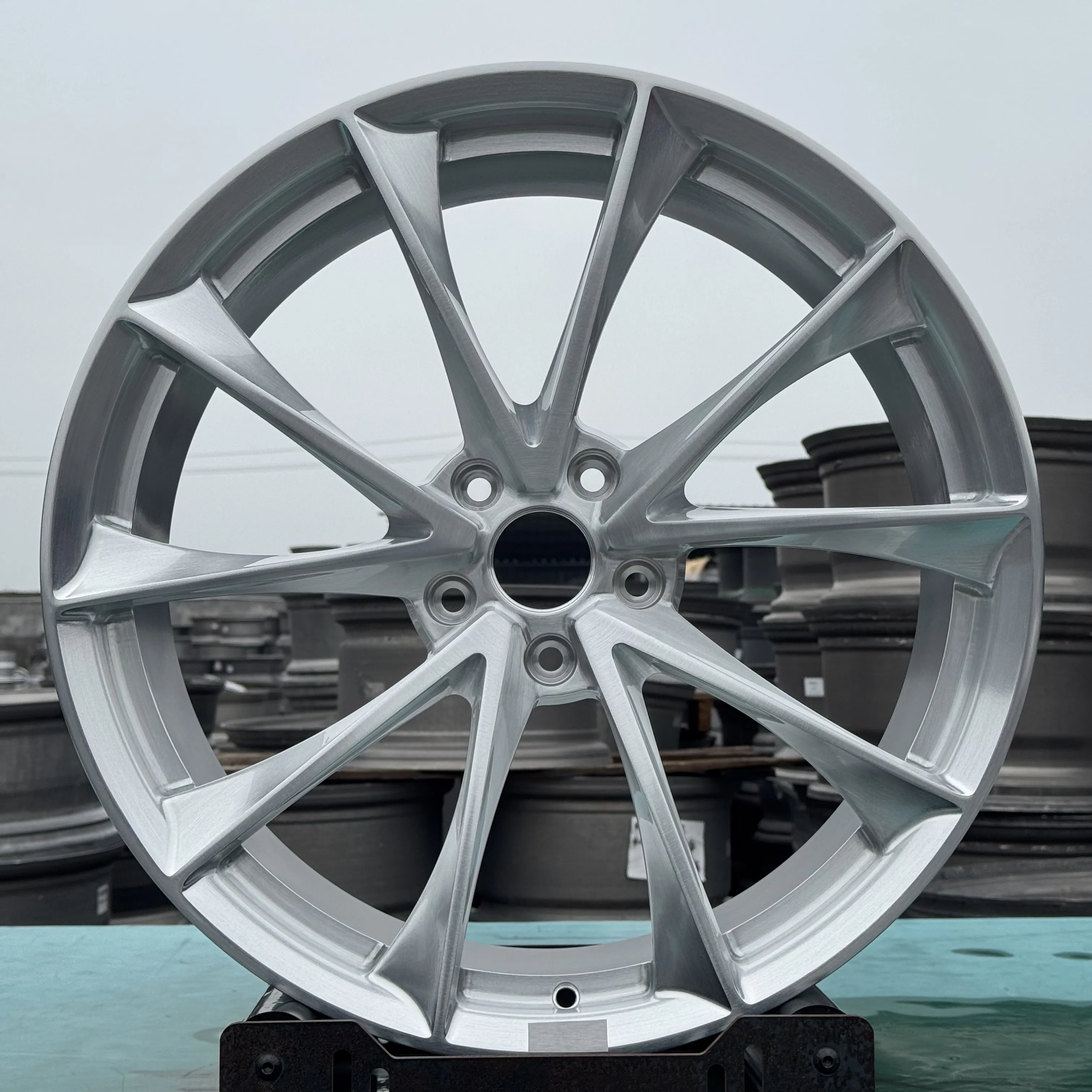
Pronarët e veturave të luxit kërkojnë një dallim vizual që reflekton investimin dhe gustin personal të tyre. Rrotat e forguara lejojnë kompleksitet dizajni që është i pamundur në rrotat e gjuara: profile të holla të shpatullave, skaje të mprehta, detaje të përpunuar me hollësi në sipërfaqe dhe gjeometri të thella konkave të fytyrës varen të gjitha nga efikasiteti strukturor që ofron forguarja. Një rrotë e gjuar që kërkon një trashësi minimale prej 10 mm për shpatullat për arsyet strukturore kufizon dizajnerët në proporcione të trasha dhe vizualisht të rënda. Rrotat e forguara arrijnë forcën e njëjtë me seksione 6–7 mm, duke mundësuar estetikën e hollë dhe të përpunuar me saktësi që blerësit e luksit e lidhin me cilësinë dhe ekskluzivitetin. Kjo liri e dizajnit shtrihet edhe në mundësitë e përfundimit—fytyra të poliruara, tekstura të fërkuar, detaje të prerë me diamant—që kërkojnë dendësinë e materialeve dhe cilësinë e sipërfaqes të pranishme natyrisht në rrotat e forguara.
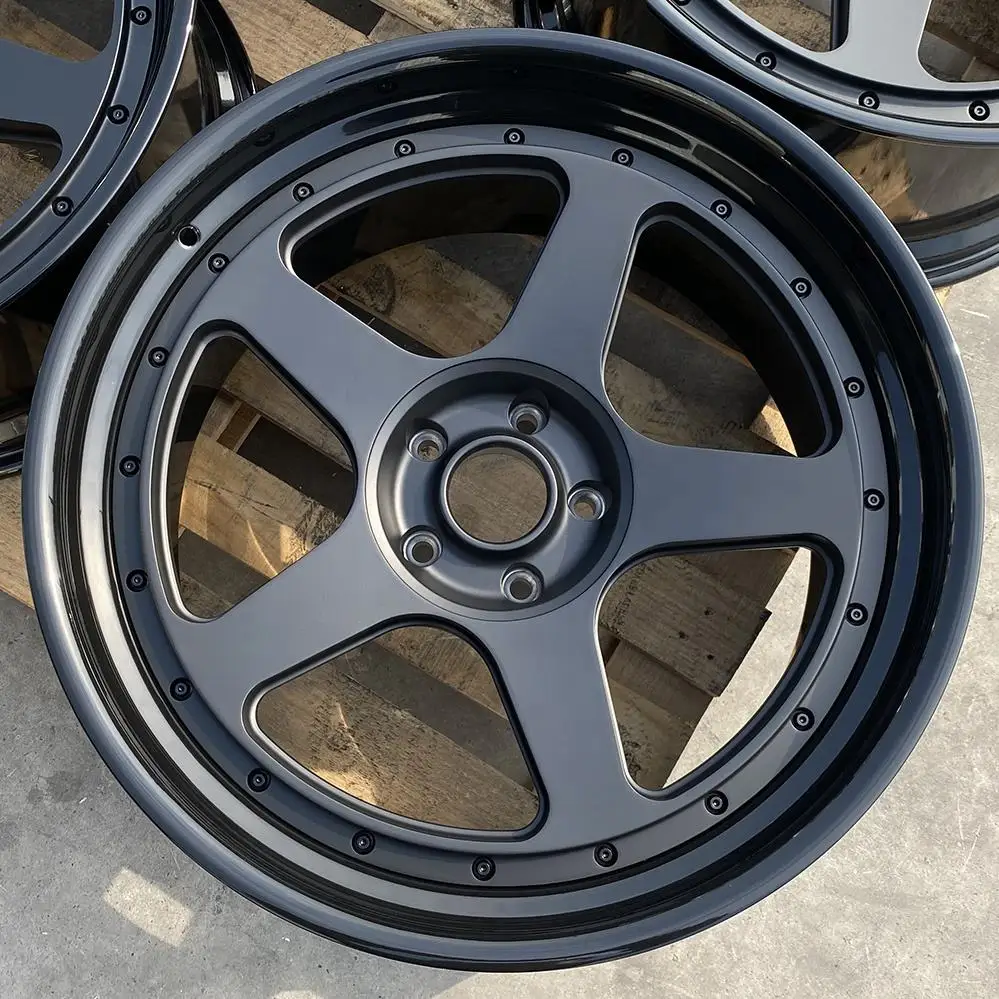
Personalizimi përfaqëson një rrjedhë të konsiderueshme të të ardhurave në tregun e automjeteve luks, ku blerësit zakonisht specifikojnë dizajne të veçanta rrotash, offsete të personalizuara dhe kombinime unike përfundimtare të përfundimeve. Rrotat e forguara mbështesin këtë model biznesi përmes fleksibilitetit të prodhimit: e njëjta bazë e forguar mund të përpunohet për të prodhuar shumë dizajne përfundimtare, specifikime offseti dhe modele të bulonave pa ndryshime në veglat që do të bënin prodhimin me volum të ulët ekonomikisht të papranueshëm në rastin e hedhjes. Kjo adaptueshmëri lejon prodhuesit e luksit dhe markat e specializuara të rrotave të ofrojnë produkte të vërtetë të personalizuara, në vend që të zgjedhin nga opsione të kufizuara të parapërcaktuara. Për markat e makinave eksotike që prodhojnë vetura në qindra, jo në mijëra, çdo vit, kjo fleksibilitet e prodhimit është thelbësore për ofrimin e personalizimit që justifikon çmimet premium.
Konsiderata Ekonomike dhe të Pronësisë në Tregjet Premium
Analiza e Kostit Total të Përbashkët
Megjithëse rrotat e forguara kërkojnë çmime në treg 50–150% më të larta se rrotat e funduara të ngjashme, analiza e kostos totale të pronësisë zbulon propozicione vlerësimi më komplekse. Pronarët e veturave të luxit zakonisht i mbajnë këto vetura për periudha të gjata — pesë deri në dhjetë vjet ose edhe më shumë — gjatë të cilave rrotat pësojnë mijëra cikle tensioni, shumë ndryshime gomash dhe nganjëherë dëmtime. Rrotat e forguara tregojnë shkallë shumë më të ulët dështimesh gjatë kësaj periudhe pronësie, me të dhëna industriale që tregojnë se nevoja për zëvendësim ndodh 60–70% më rrallë se në rastin e rrotave të funduara. Kur kostoja e zëvendësimit të një rrote individuale arrin $1.500–3.000 për aplikime të luxit, kjo ndryshim në besueshmëri përkthehet në kursime të konsiderueshme që kompensojnë pjesërisht premiun fillestar të blerjes.
Rezistenca superiore ndaj dëmtimit e rrotave të forguara ndikon gjithashtu në konsideratat e sigurimeve dhe në ruajtjen e vlerës së revendosjes. Individët me të ardhura të larta shpesh sigurojnë veturat e luxit nën polica me vlerë të pajtuar, të cilat marrin parasysh specifikimet e pajisjeve për përcaktimin e premiave dhe të pagesave të kërkesave. Rrotat origjinale ose ato të forguara premium të tregut pasprodhimit ruajnë më mirë vlerën e tyre se sa alternativat e gjuara, duke mbështetur çmime më të larta të revendosjes kur pronarët i shesin përfundimisht veturat e tyre. Kjo ruajtje e vlerës bëhet veçanërisht e rëndësishme për eksotikët me prodhim të kufizuar, ku ruajtja e specifikimit origjinal ose përmirësimi me komponentë premium ndikon drejtpërdrejt në mbledhësi dhe në çmimet e tregut. Blersit e njohin gjithnjë më shumë se investimi në rrota të forguara paraqet një alokim kapitali drejt komponentëve që ruajnë, në vend që të konsumojnë, vlerën gjatë periudhës së pronësisë.
Pozicionimi i Markës dhe Perceptimi i Tregut
Markat e makinave të luxit investojnë miliarda dollarë për të vendosur pozicionet e tyre në treg bazuar në shkëlqimin e inxhinierisë, udhëheqjen në performancë dhe cilësinë pa kompromis. Zgjedhja e pjesëve komunikon këto vlera te blerësit e informuar, të cilët kuptojnë implikimet teknike të materialeve dhe metodave të prodhimit. Përcaktimi i rrotave të forguara si pajisje origjinale dërgon sinjale të qarta rreth angazhimit të prodhuesit ndaj performancës dhe cilësisë, duke ndarë produktet e tij nga konkurrentët që përdorin rrota të gjuara, të optimizuara nga ana e kushtit. Kjo pozicionim shtrihet jashtë avantazheve objektive të performancës për të përfshirë edhe vlerën e perceptuar – vlerësimet e paprekshme cilësore që ndikojnë në vendimet e blerjes në tregjet ku analiza racionale e kostos-krahasuar me përfitimin dorëzohet faktorëve emocionalë dhe afinitetit ndaj markës.
Marrëdhënia midis rrotave të forguara dhe aplikimeve me performancë të lartë krijon efekte halo që përfitojnë markat e luksit në të gjithë portofolin e tyre produktesh. Kur një model i mëkatarës së prodhuesit përdor rrota të forguara për të arritur performancë rekord, prania e kësaj teknologjie në modele më të arritshme të luksit sugjeron kapacitet dhe thellësi inxhinierike që justifikon çmimet premium në të gjithë gamën. Materialet e marketingut që theksojnë rrotat e forguara si teknologji të përbashkët midis supermakinave prej 300 000 dollarësh dhe sedanëve sportive prej 80 000 dollarësh krijojnë narrativa të bindshme rreth performancës të demokratizuar dhe integritetit inxhinierik. Kjo pozicionim strategjik i komponentit transformon rrotat e forguara nga elemente mekanike të thjeshta në mjete për tregimin e historisë së markës, të cilat forcojnë perceptimet e dëshiruara të tregut.
Aspekte mjedisore dhe të qëndrueshmërisë
Blerësit e sotëm të luksit vlerësojnë gjithnjë e më shumë përgjegjësinë mjedisore dhe praktikat e prodhimit të qëndrueshëm. Rrotat e forguara i përgjigjen këtyre shqetësimeve nëpërmjet disa rrugëve: jetëgjatësia e tyre e zgjatur zvogëlon shpeshërinë e zëvendësimit dhe konsumin e lidhur me materiale, pesha e tyre e lehtë përmirëson efikasitetin e karburantit dhe zvogëlon emisionet gjatë operimit të mjetit, ndërsa procesi i prodhimit të tyre prodhon sasi minimale mbetjesh në krahasim me operacionet e hedhjes që mund të humbasin 30–40% të materialeve hyrëse. Ligjirat e aluminit të përdorura në rrotat e forguara ruajnë plotësisht reciklimin pa degradim të performancës, duke mbështetur parimet e ekonomisë rrethore që prekin konsumatorët e luksit të ndërgjegjshëm ndaj mjedisit.
Implikimet e efikasitetit të karburantit nga rrotat e forguara me peshë të ulët bëhen të matshme gjatë tërë periudhës së pronësisë së mjetit. Zvogëlimi i peshës së rrotave me 10 kilogramë në të katër këndet përkthehet në përmirësim të konsumit të karburantit me 0,2–0,3 litra për 100 kilometra në aplikime tipike të mjeteve luks. Gjatë 100 000 kilometrave të pronësisë, ky fitim efikasiteti parandalon emetimin e disa qindra kilogramësh CO₂ — i modest në termat absolutë, por i rëndësishëm për blerësit që kërkojnë të minimizojnë ndikimin mbi ambientin pa hequr nga performanca. Me ngushtimin global të rregullave për emetime dhe me rritjen e presionit ndaj prodhuesve të mjeteve luks për të treguar menaxhimin ekologjik, specifikimi i rrotave të forguara kontribuon në objektivat korporative të qëndrueshmërisë, duke ofruar njëkohësisht avantazhet e performancës që kërkojnë blerësit.
Inovacioni në Prodhim dhe Tendencat e Zhvillimit të Ardhshëm
Zhvillim i Ligjallave Avancuara
Shkenca e materialeve vazhdon të zhvillohet rrota të forguara kapacitete përmes përbërjeve të reja të llojeve të metalit, të optimizuara për karakteristikat e veçanta të performancës. Rrotat e forguara moderne përdorin kryesisht legirë alumini 6061-T6 ose 7075-T6, por formulimet e reja përfshijnë skandium, litium dhe modifikatorë të grurit me pronësi të rezervuara, të cilët e shtojnë raportin fortësi-peshë në drejtim të kufijve teorikë. Këto legira të avancuara lejojnë dizajne rrotash që zvogëlojnë më tej peshën me 10–15% në krahasim me standardet aktuale, duke ruajtur ose përmirësuar rezistencën ndaj goditjeve dhe jetëgjatësinë në kushte ciklike. Për prodhuesit e mjeteve eksotike që kërkojnë çdo avantazh të mundshëm në performancë, këto inovacione materiale ofrojnë diferencim konkurrues përmes komponentëve që sigurojnë përmirësimet e maturshme në shpejtësim, manovrabilitet dhe efikasitet.
Hulumtimet mbi metodat e ndërtimit hibrid kombinon elementë strukturorë të rrotave të forguara me materiale kompozite për aplikime jostukturale. Sekcionet e barrave të fibrit të karbonit, prurësit e titanit dhe nënstrukturat e magnezit shfaqen në mjete ekzotike me prodhim të kufizuar, duke shtyrë reduktimin e peshës së papërdorur në nivele ekstreme që më parë nuk ishin të arrijshme me ndërtimin monolitik metalik. Megjithëse këto materiale ekzotike aktualisht kërkojnë kostove të papranueshme për prodhimin në masë, prania e tyre në mjete të klasës së lartë tregon lideritet teknologjik dhe zhvillon ekspertizë prodhimi që në fund do të shpërndahet edhe në aplikime më të gjera luksuese. Shtegu evolucionar nga rrotat e zakonshme të forguara te këto struktura hibride të avancuara pasqyron trendet e përgjithshme të industrisë automobilistike drejt ndërtimit me shumë materiale, i optimizuar për kërkesa specifike performancësh.
Prodhimi Digjital dhe Teknologjitë e Personalizimit
Teknologjitë e prodhimit shtesë dhe të përpunimit të avancuar me CNC po transformojnë ekonominë e prodhimit të rrotave të forguara, veçanërisht për aplikimet luksuese me volum të ulët. Megjithëse forguarja mbetet e domosdoshme për të arritur vetitë optimale të materialeve, prodhimi digital lejon prodhimin ekonomik të dizajneve të personalizuara pa investime të mëdha në veglat që tradicionalisht kërkohej për specifikimet unike. Blersit luksues priten gjithnjë e më shumë mundësi personalizimi, të cilat më parë rezervoheshin për marka ekstremisht ekskluzive — offsete të bëra me porosi, numër i personalizuar i spikave, elemente aerodinamike të integruara — dhe prodhimi digital bën këto mundësi finansiarisht të realizueshme edhe në vëllime prodhimi më të vogla se 100 njësi. Kjo evolucion teknologjik mbështet modelet e biznesit ku rrotat e forguara kalohen nga komponentët standardizuar në shprehje të personalizuara të preferencave të pronarit.
Softueri i simulimit tani lejon inxhinierëve të optimizojnë dizajnet e rrotave të forguara për aplikime të veçanta të mjeteve me saktësi të paparë. Analiza e elementit të fundëm parashikon shpërndarjen e tensioneve nën kushtet reale të ngarkesës, duke lejuar dizajnerët të heqin materialin nga zonat me tension të ulët, ndërkohë që forcimi i shtegjeve kryesore të ngarkesës bëhet në mënyrë të përqendruar. Ky qasje kompjuterike prodhon struktura organike, të frymuara nga biologjia, që minimizojnë peshën duke maksimizuar njëkohësisht fortësinë—gjeometri që është e pamundur të dizajnohen me metodat tradicionale të inxhinierisë. Rrotat e rezultuara tregojnë karakteristika performancësh të përshtatura për dinamikën individuale të mjetit, specifikimet e gomave dhe profilet e përdorimit të synuar. Për prodhuesit e automjeteve ekzotike që prodhojnë mjete në seria të kufizuara, kjo aftësi e personalizimit të dizajnit lejon optimizimin e komponentëve, i cili me metodat konvencionale të zhvillimit do të ishte ekonomikisht i pamundur.
Integrimi me Arkitekturën e Sistemeve të Mjetit
Rrotat e forguara të ardhmes do të përfshijnë sensorë, elektronikë dhe sisteme aktive që i shndërrojnë ato nga komponentë mekanikë pasivë në nënsisteme inteligjente të mjetit. Monitorimi i shtypjes së gomave tashmë është i përgjithshëm, por aplikimet e reja përfshijnë indikatorë të tensionit që monitorojnë ngarkesën strukturale, sensorë temperaturë që optimizojnë strategjitë e ftohjes së frenave dhe akselerometra që furnizojnë algoritmet e kontrollit të sistemit të varësisë. Rigoroziteti strukturor dhe stabiliteti dimensional i rrotave të forguara ofrojnë platforma ideale montimi për këta sensorë, duke siguruar saktësi të matjeve të paprekura nga deformimet strukturore që dëmtojnë cilësinë e të dhënave në rrotat e derdhura më të lëkundshme. Kur mjete të luksit zhvillohen drejt integrimi digital të plotë, rrotat e forguara do të marrin pjesë në rrjetet e të dhënave të tërë mjetit që optimizojnë performancën në kohë reale.
Sistemet aktive të rrotave aerodinamike përfaqësojnë një tjetër shteg zhvillimi të mundësuar nga karakteristikat strukturore të rrotave të forguara. Konceptet në zhvillim përfshijnë profile të rrotullueshme të shpatullave që modifikojnë rrjedhën e ajrit për ftohje bazuar në temperaturat e frenave, si dhe mbulesa të rrotave që deplohen në shpejtësi për të zvogëluar rezistencën aerodinamike, dhe pastaj të tërhiqen gjatë frenimit për të maksimizuar ftohjen. Këto sisteme aktive kërkojnë precizionin strukturor dhe besueshmërinë që rrotat e forguara ofrojnë, pasi dëmtimet mekanike në rrota që rrotullohen me shpejtësi autostrade mund të kenë pasoja katastrofike. Megjithëse aktualisht janë të kufizuara në veturat konceptuale dhe aplikimet e garave, këto teknologji tregojnë se si rrotat e forguara do të vazhdojnë të evoluojnë nga komponentë pasivë në pjesëmarrës aktive në optimizimin e performancës së mjetit.
Pyetje të shpeshta
Çfarë i bën rrotat e forguara më të forta se rrotat e derdhura?
Rrotat e forguara arrijnë një qëndrueshmëri superiore përmes një procesi prodhimi që shtyp blloqet e ligaturës së aluminit nën shtypje ekstreme, zakonisht mbi 10.000 tonë. Ky proces i forguar eliminon porozitetin dhe hapësirat bosh të pranishme në metalin e derdhur, ndërkohë që rregullon strukturën e grurit të materialit sipas shtigjeve të ngarkesës që përputhen me gjeometrinë e rrotës. Mikrostruktura e rezultuar tregon vlera të fortësisë së terheqjes 30–50% më të larta se ato të rrotave të derdhura dhe rezistencë ndaj lodhjes tre deri pesë herë më të madhe, duke ofruar margjinat strukturore të nevojshme për aplikimet e mjeteve të luksit dhe të ekzotike që gjenerojnë kushte ngarkese ekstreme gjatë drejtimit agresiv.
Sa peshë kursen rrotat e forguara në krahasim me alternativat e derdhura?
Rrotat e forguara zakonisht peshojnë 15–30% më pak se rrotat e gjuara të madhësisë dhe klasifikimit të ngarkesës së njëjtë, me kursime absolute të peshës që variojnë nga 2 deri në 5 kilogramë për rrotë, varësisht nga diametri dhe dizajni. Ky ulje e peshës sjell përfitime disproportionalisht të mëdha në performancë, pasi rrotat përbëjnë edhe masën e papërshtatshme (unsprung mass) edhe masën e rrotullueshme (rotating mass)—ulja e peshës së një rrote me një kilogram përmirëson shpejtësimin sa heqja e 3–5 kilogramëve nga trupi i mjetit. Për mjetet luksuzoze dhe ekzotike, ku optimizimi i performancës justifikon investime të konsiderueshme, këto kursime të peshës përkthehen në përmirësime të matshme në shpejtësim, frenim, përgjigje të manovrimit dhe efikasitetin e konsumit të karburantit në të gjitha kushtet e drejtimit.
A mund të riparohen rrotat e forguara nëse dëmtohen, apo duhet të zëvendësohen?
Rrotat e forguara zakonisht mund të riparohen për dëmtimet e vogla, si p.sh. shkëputjet nga trotuari, vrazhdimet dekorative dhe lakimet e vogla, me kusht që integriteti strukturor të mos jetë i dëmtuar. Instalimet specializuar për riparimin e rrotave përdorin teknika si ngjitja, drejtimi dhe përpunimi përsëri, të cilat rivendosin rrotat e forguara në gjendje të përdorshme me kosto që është shumë më e ulët se zëvendësimi. Megjithatë, vlerësimi i dëmtimit kërkon një evaluim profesional—plasaritjet, goditjet e ashpra dhe deformimet strukturore kërkojnë zakonisht zëvendësim, jo riparim, për të ruajtur margjinat e sigurisë. Karakteristikat e dëmtimit të duktil të rrotave të forguara do të thonë se ato shpesh mbijetojnë incidente që do të shkaktonte thyerje katastrofike të rrotave të gjuara, duke dhënë poseduesve mundësi riparimi në vend të zëvendësimit të detyruar pas incidenteve të vogla të dëmtimit.
Pse prodhuesit e makinave të luxit specifikojnë rrotat e forguara si pajisje origjinale, edhe pse kushtojnë më shumë?
Prodhuesit e automjeteve të luksit specifikojnë rrotat e forguara sepse ato ofrojnë avantazhe performancë që janë në përputhje të drejtpërdrejtë me pozicionimin e markës dhe pritjet e konsumatorëve në segmentet e tregut premium. Zvogëlimi i peshës përmirëson shpejtësinë e nisjes, manovrabilitetin dhe treguesit e efikasitetit që blerësit përdorin për të krahasuar automjetet, ndërsa qëndrueshmëria superiore siguron marzina sigurie të përshtatshme për aplikime me performancë të lartë. Gjithashtu, rrotat e forguara lejojnë profile të holla të spikave dhe dizajne komplekse që komunikojnë cilësinë dhe ekskluzivitetin përmes prezencës vizuale. Shtesa e kostos së këtij komponenti, edhe pse është e konsiderueshme në vlera absolute, përfaqëson një pjesë të vogël të çmimit total të automjetit, duke ofruar në të njëjtën kohë përfitime të palpshme që justifikojnë pozicionimin si produkt i luksit dhe mbështesin strategjitë e çmimit premium në të gjithë portofolin e produkteve të prodhuesit.
 Lajme të nxehta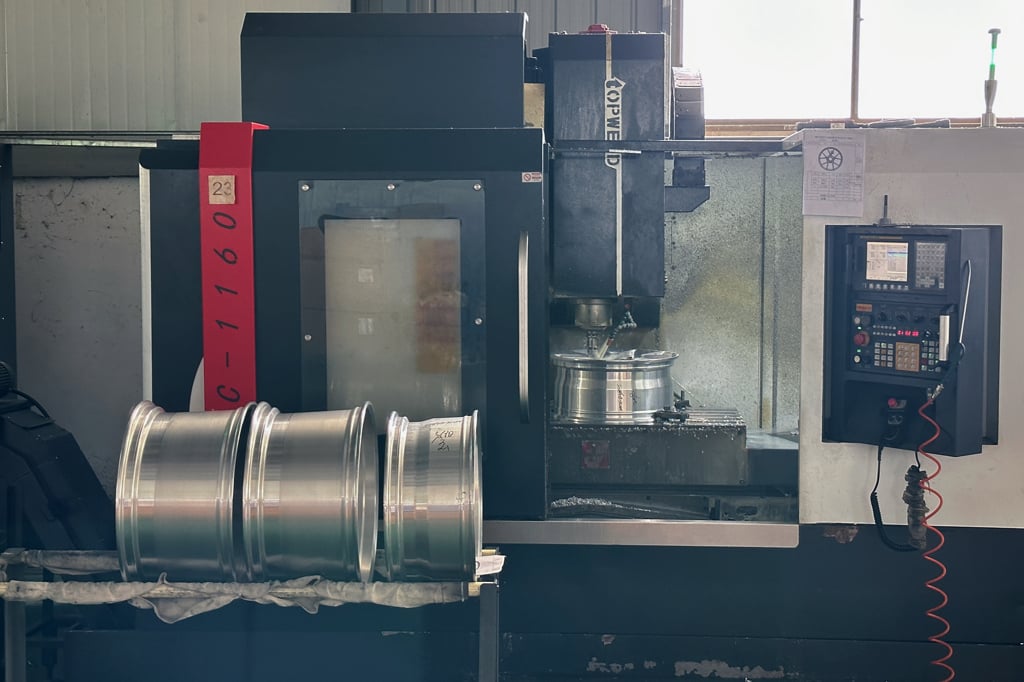
 ONLINE