כיצד שופרות הגלגלים המוברשות של 3 חלקים משפרות עמידות ואיכות נסיעה?
אוהבי רכבות מודרניים ובעלים של כלי רכב ביצועיים מכירים ביתר שאת את ההשפעה המהפכנית של טכנולוגיית גלגלים מתקדמת על חוויית הנהיגה שלהם. בין שיטות הבנייה השונות של גלגלים הזמינות כיום, גלגלים מוכתבים של 3 חלקים מייצגים את שיא ההנדסה, ומציעים עמידות חסרת תחרות ואיכות נסיעה מעולה. צמדים מתוחכמים אלו של גלגלים משולבים מתכות מתקדמות עם טכניקות ייצור מדויקות כדי ליצור רכיבים שמتفوقים בצורה משמעותית על אלטרנטיבות מסורתיות יצוקות או חד-פיסיות. שיטת הבנייה הייחודית של גלגלים מוכתבים של 3 חלקים מאפשרת ליצרנים לדייק את תכונות החומר תוך כדי שהיא מספקת הזדמנויות התאמה אישית ללא תחרות ללקוחות קפדנים.
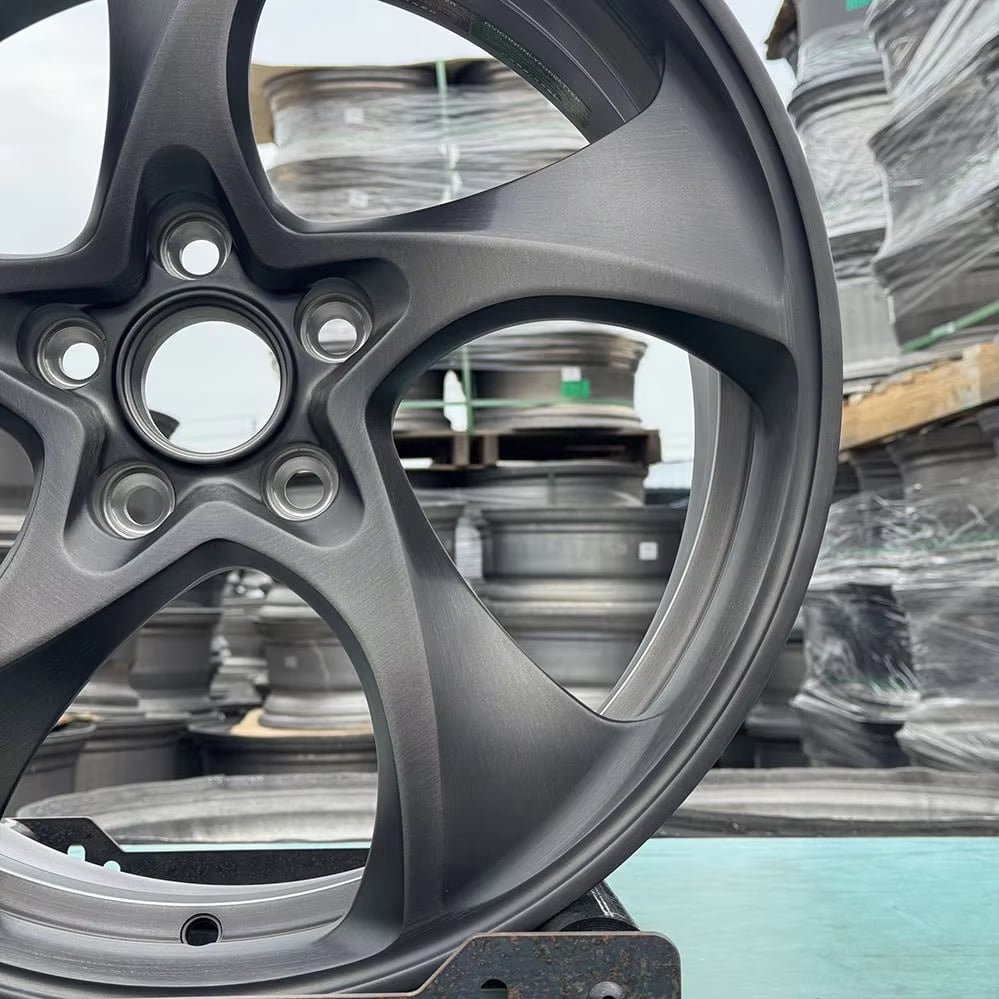
הבנת טכנולוגיית הבנייה של גלגלים מוכתבים של 3 חלקים
תהליך דיקור מתקדם ומדעי חומרים
תהליך הייצור של גלגלים מוכתמים בן 3 חלקים מתחיל עם גושי אלומיניום איכותיים שעוברים תהליכי כיתוך אינטנסיביים בתנאי לחץ וטמפרטורה קיצוניים. תהליך הכיתוך משנה באופן בסיסי את מבנה הגרעינים של האלומיניום, ויוצר חומר צפוף וחזק יותר עם תכונות מכניות עליונות בהשוואה לחלופות המוצקות. פעולת הכיתוך מסירה נקבוביות ומייצרת זרימת גרעינים אחידה העוקבת אחר קווי הגלגל, מה שמביא לגדילה בבלאי ובהתנגדות לכ удар. יצרנים מקצועיים משתמשים בכורות כיתוך ממוחשבות מתוחכמות שיכולות להפעיל כוחות העולים על 10,000 טון, ומבטיחות תכונות חומר אחידות בכל רכיב.
כל רכיב בהרכבת הגלגלים המוכתמים בני שלושה חלקים עובר אופטימיזציה נפרדת בתהליך ההכתייה, מה שמאפשר להנדסאים להתאים את תכונות החומר לדפוסי מתח ספציפיים ולחוזק נדרשים. לחלק המרכזי יש תנאים שונים של עומס בהשוואה לגוף החיצוני, והגישה המשולבת הזו מאפשרת הפצה מדויקת של חומר דווקא באזורים שבהם יש צורך בחוזק מרבי. תהליכי עיבוד קירור מתקדמים משפרים עוד יותר את התכונות המכניות, עם מחזורי זיקנה מבוקרים שמקסמים את החוזק תוך שמירה על דUCTILITY. גישה מדעית זו לעיבוד חומרים יוצרת גלגלים שיכולים לעמוד בתנאי עבודה קיצוניים תוך שמירה על שלמות המבנית לאורך תקופות שירות ארוכות.
הרכבה מודולרית ואינטגרציה של רכיבים
שיטת הבנייה של שלושה חלקים מפרידה את הגלגל למרכיבים נפרדים: החלק המרכזי, הצינור הפנימי והצינור החיצוני, כשכל אחד מיוצר לפי مواصفות מדויקות לפני ההרכבה הסופית. גישה מודולרית זו מאפשרת התאמות מדויקות להרכבה ומאפשרת לייצרנים ליצור תצורות 오סט מותאמות אישית מבלי לעצב מחדש מבנים שלמים של גלגלים. ברגים בעלי עמידות גבוהה ובתקן תעשיית התעופה מחברים את המרכיבים זה לזה, ויוצרים חיבורים מכניים שפועלים על פיזור עומסים באופן אחיד לאורך כל ההרכבה, תוך מתן אפשרות להתרחבות ולכיווץ תרמי. בניית הברגים גם מקלה על תחזוקה ושיפוץ, כיוון שניתן לשרת או להחליף מרכיבים בודדים מבלי לפגוע בהרכבת הגלגל כולה.
אמצעי בקרת איכות לאורך תהליך ההרכבה מבטיחים שכל יחידת גלגלים מוברשות בתלת-חלקים עונה על סטנדרטים קפדניים של ביצועים לפני עזיבתה של מתקנת הייצור. פעולות מכונת دقיקה יוצרות משטחים מתאימים באופן מושלם בין רכיבים, בעוד שדרישות טורק לברגים של ההרכבה מכוילות בקפידה כדי להשיג שלמות מיטבית של המפרק. אופיו המודולרי של הגלגלים האלה מאפשר גם אפשרויות גימור מתקדמות, עם טיפולים שונים במשטח שמיושמים לרכיבים einzel לפני ההרכבה הסופית. גמישות בתהליכי ייצור וגימור תורמת הן להטמעות הביצועים והן ליופי האסתטי שמפצים את הגלגלים הללו למיקוח עליון בקרב חובבי רכב.
יתרונות עמידות של מבנה מוברש רב-חלקי
עמידות משופרת בפני עייפות והתפלגות מתח
ההתנגדות העדיפה של גלגלים מוכתבים בני שלושה חלקים לאבידה נובעת מהמבנה האופטימלי של הגרעינים שנוצר בתהליך ההכיתוב ומהפצה החכמה של המאמצים שמאפשרת העיצוב הרב-חלקי. בניגוד לגלגלים ייחודיים מוצקים, שבהם חייבים להקריב על תכונות החומר לאורך כל המבנה, הגישה המשולבת מאפשרת אופטימיזציה של כל רכיב לפי תנאי העומס הספציפיים שלו. מבנה הגרעינים המוכתבים מסיר את הכשלים המיקרוסקופיים והחדירות הנפוצים בגלגלים מוזקים, ויוצר חומר אחיד יותר שמונע התפתחות ופריסה של סדקים. שלמות החומר הזו, ש verbata, תורמת ישירות לחיים ארוכים יותר של הגלגל, גם בתנאי נהיגה קיצוניים שיגרמו לאבידה מהירה של עמידות בגלגלים פחות איכותיים.
נקודות ריכוז מתח, שעתים קרובות גורמות לכישלון מוקדם בעיצובי גלגלים מסורתיים, מטופלות ביעילות באמצעות העיצוב האינטיליגנטי של החיבורים בין רכיבי הגלגל. חיבורים בבורג יוצרים מסלולי עומס מבוקרים שמפזרים את הכוחות באופן אחיד יותר לאורך כל המבנה, ומנעים ריכוזי מתח העלולים להתרחש במעבר מהדיסקית לטבלית בעיצובי גלגל חד-חלקיים. אנליזה מתקדמת של איבר סופי מדריכה את העיצוב של נקודות החיבור הקריטיות הללו, ומבטיחה כי רמות המתח ישארו בהרבה מתחת לגבולות החומר בכל תחום ההפעלה. גישה הנדסית זו מניבה גלגלים ששומרים על שלמות מבנית גם כאשר הם נתונים להשפעת כוחות צידיים קיצוניים, עומסי בלימה כבדים ואירועי התנגשות שיפגעו בעיצובי גלגל פחותים.
עמידות בהתנגשויות וסובלנות לנזק
העמידות הרבה בהתנגשויות של גלגלים מתופחים בני 3 חלקים נובע הן מתכונות החומר המעולות שנוצרו במהלך הזיוף והן ממאפייני ספיגת האנרגיה של המכלול הרב-רכיבי. כאשר הוא נתון לעומסי פגיעות, מבנה האלומיניום המחושל מפגין גמישות מעולה בהשוואה לחומרים יצוקים שבירים, מה שמאפשר לגלגל להתעוות מעט ולספוג אנרגיה במקום להישבר באופן קטסטרופלי. המבנה המפולח מספק נתיבי פיזור אנרגיה נוספים באמצעות עיוות מבוקר של ממשקי המפרקים, מה שיכול לסייע בשמירה על שלמות הגלגל במהלך אירועי פגיעות חמורים. סבילות נזק זו חשובה במיוחד ביישומי נהיגה בעלי ביצועים גבוהים שבהם עומסי הגלגל יכולים לעלות על פרמטרי התפעול הרגילים.
האופי המודולרי של רכיבי הגלגלים האלה מספק גם יתרונות משמעותיים במקרה של נזק, שכן ניתן להחליף לעיתים קרובות רכיבים בודדים במקום לזרוק את כל ערכת הגלגלים. גורם הניתנות לתיקון לא רק מפחית את עלות הבעלות לאורך זמן, אלא גם תומך בעקרונות ייצור בר-קיימא על ידי הארכת מחזור החיים של הרכיבים. שירותי שיקום גלגלים מקצועיים יכולים לעתים קרובות לשחזר גלגלים מוכתבים מתוצרת 3 חלקים למצב כחדש, דבר שאינו אפשרי עם גלגלים מוצקים או מוגבשים שנפגעו. היכולת לשרת רכיבים בודדים מאפשרת גם תוכניות תחזוקה מונעת שמסוגלות לזהות ולטפל בבעיות פוטנציאליות לפני שהן מובילות לכשל מוחלט, ובכך משפרות עוד יותר את האמינות והבטיחות הכוללת של מערכות הגלגלים המתקדמות האלה.
שיפור איכות הנסיעה באמצעות הנדסה מתקדמת
אופטימיזציה של המשקל וצמצום המסה שאינה נתונה על הקפיצים
אחת מתכונות הביצועים החשובות ביותר של גלגלים מוכתבים מ-3 חלקים נמצאת בהתפלגות המשקל הממוצעת והמסה הלא מתנדנדת המצומצמת ביחס לחלופות גלגלים מסורתיות. תהליך ההכתה יוצר חומר צפוף וחזק יותר, המאפשר הסרה אגרסיבית יותר של חומר באזורים שאינם קריטיים, מה שיוצר גלגלים שיותר קלים וחזקים בהשוואה לגלגלים מוזהבים. הפחתת המשקל משפיעה ישירות על שיפור בביצועי התלייה, כיוון שגלגלים קלים יותר זקוקים לכוח קטן יותר להאצתם ולהאטתם במהלך תנועה אנכית על פני לא מישורים בכביש. הפחתת האינרציה מגבירה גם את יכולת מערכת התלייה לשמור על יצירת קשר של הצמיגים עם משטח הכביש, ובכך משפרת את הא grip ואת דינמיקת הרכב בכלל.
הצבת החומר באסטרטגיה מדויקת בתהליכי ייצור של גלגלים מוכתבים משלושה חלקים מבטיחה אופטימיזציה של עוצמה וחלוקת משקל, מה שמשפר את דינמיקת הסיבוב. כלי עיצוב ממוחשבים מאפשרים לمهندסים להסיר חומר מאזורים הנמצאים תחת לחץ מועט, תוך שמירה או אף הגדלת עובי החומר באזורים הנושאים עומס כבד. הפצה סלקטיבית זו של החומר יוצרת גלגלים עם התמד סיבוב נמוכה יותר, מה שמפחית את האנרגיה הנדרשת להאצה ולבלימה, וכן משפרת את תגובה ההיגוי והריאקטיביות הכוללת של הרכב. חיסכון במשקל שנובע מאופטימיזציה זו יכול לעלות על 20% בהשוואה לגלגלים יצוקים שקולים, ומביא לשיפורים מדידים בצרכת הדלק ובביצועים בכל תנאי הנהיגה.
כיבוי רעדים ופחת רעש
הבנייה מרובת החלקים של הגלגלים המתקדמים הללו מספקת מאפייני דämpינג מובנים שתרמו בצורה משמעותית לשיפור איכות הנסיעה ולצמצום רמות הרעש בקабינה. הממשקים מבוקריים בין רכיבי הגלגל יוצרים מנגנוני דämpינג טבעיים שמפזרים וסופגים אנרגיית רטט לפני שהיא עוברת דרך מערכת התלייה אל מבנה הרכב. בידוד הרטט הזה אפקטיבי במיוחד בצמצום תנודות בתדר גבוה שיוכלו לגרום לרזוננס לא נעים בקابינה ובשחיקה מוקדמת של רכיבי התלייה. החיבורים הבולטים בין חלקי הגלגל מספקים precload ניתן להתאמה שניתן לכוונן ליישומים ספציפיים כדי למקסם את יעילות הדämpינג.
חומרים מתקדמים ועיבודים שטحيים המופנים על גבי גלגלים מוכתבים מ-3 חלקים משפרים עוד יותר את תכונות הרעש והרטט שלהם, באמצעות שיפור באיכות הסיומת השטחית וביציבות הממדים. עיבוד הדקיקות שניתן להשיג בחומרים מוכתבים יוצר משטחי שיפוע חלקים וממדים מדויקים יותר, מה שמפחית מקורות של אי-איזון דינמי העלולים ליצור רטטים לא רצויים. עיבודים שטחיים מיוחדים יכולים גם לשנות את התכונות האקוסטיות של אסימבל הגלגל, ועוזרים לשבור תדרי רesonנס שעלולים להגביר רעשי כביש. שיטות שיפור אלו בייצור ובסיומה תורמות לחוויית נהיגה מושלמת יותר, עם הפחתה בהפרעה של רעש ושיפור בנוחות במהלך נסיעות ממושכות.
יישומי ביצועים ואפשרויות התאמה אישית
מורשת מוטוספורט וביצועים במסלול
התפתחות טכנולוגיית גלגלים מוכתבים מתפריטים הושפעה רבות מיישומים בספורט מוטורי, שם דרישות הביצועים הקיצוניות מובילות לחדשנות מתמדת בחומרים ובתהליכי ייצור. קבוצות מרוץ מקצועיות דורשות גלגלים שיכולים לעמוד בטענונים עצומים תוך שמירה על יציבות ממדים מדויקת בתנאי טמפרטורה משתנים, והבנייה המוכתבת ממספר חלקים הוכחה כמעל לכל חלופה בסביבות הדemandativas הללו. האפשרות להתאים אישית את הפרמטרים של אוברסט, רוחב וקוטר באמצעות בחירת רכיבים הופכת את הגלגלים האלה לא lýדיאליים לצורך עדכון מדויק של מאפייני הניהול של הרכב בהתאם לעקומות ספציפיות ולסגנונות נהיגה שונים.
יישומים בתחום מרוצי מכוניות דחפו גם את ההתקדמות במערכות החיבור המשמשות לחיבור רכיבי גלגל, עם מחברי אטימה מיוחדים ועיצובי חיבורים שמحمים על שלמותם תחת עומסי צד קיצוניים ושינויי טמפרטורה. השיעורים שנלמדו בסביבות תחרותיות משתקפים ישירות ביישומים לכביש, שכן עקרונות ההנדסה שמאפשרים הצלחה במסלול תורמים לשיפור האמינות והביצועים של נהגי רכב חובבים. יכולות ניהול הטמפרטורה שפותחו ליישומי מרוצים עוזרות להבטיח שגלגלים מוכתבים משלושה חלקים שומרים על שלמות המבנית שלהם גם במהלך נהיגה אגרסיבית בכביש, שיכולה ללחוץ יתר על המידה על עיצובי גלגל קונבנציונליים.
התאמה מותאמת וגמישות אסתטית
האופי המודולרי של בניית גלגלים מוכתבים משלושה חלקים מאפשר הזדמנויות להתאמה אישית ללא תקדים, שפורצות מעבר להבדלים פשוטים בגודל וכוללות שינויי עיצוב וביצועים מתוחכמים. ניתן ליישם אפשרויות גימור שונות על רכיבים בודדים, וכתוצאה מכך נוצרים אפקטים חזותיים ייחודיים שלא ניתן להשיג בעיצוב גלגל חד-חלקי. האפשרות לציין עומק גליל והגדרות זווית הטייה שונות מאפשרת התאמה מדויקת לגאומטריות של מערכת תלויים معدلות או התקנות בלמים מותאמות, מה שהופך את הגלגלים האלה לאידיאליים לבנייה מותאמת ברמה גבוהה או פרויקטים של שיקום.
טכניקות ייצור מתקדמות מאפשרות יצירת דפוסי חישורים מורכבים ופרטי עיצוב מורכבים המציגים את האופי היוקרתי של הבנייה המזויפת תוך שמירה על שלמות מבנית. ניתן לשלב חריטה מותאמת אישית, ציפויים מיוחדים ושילובי חומרים ייחודיים ברכיבים בודדים לפני ההרכבה, וליצור מערכות גלגלים מותאמות אישית באמת המשקפות את העדפות הבעלים ואת נושאי הרכב. גמישות זו באפשרויות העיצוב והגימור, בשילוב עם מאפייני הביצועים המעולים של הבנייה המזויפת, הופכת את הגלגלים המזויפים בעלי 3 חלקים לבחירה המועדפת על חובבי חישוקים בעלי ערך רב הדורשים ביצועים יוצאי דופן ומראה ייחודי כאחד.
שאלה נפוצה
מה גורם לגלגלים מוברגים בני 3 חלקים להיות עמידים יותר מגלגלים מוזקים מסורתיים?
העומס העדיף של גלגלים מודקיקים בני שלושה חלקים נובע מתהליך הידוק בלחץ גבוה שיוצר מבנה אלומיניום צפוף וחזק יותר, עם זרימת גרגרים משופרת וחוסר תרסיסיות. שיטת הייצור הזו יוצרת גלגלים בעלי עמידות גבוהה בהרבה בפני עייפות, נזקי התנגשות וכשלים הקשורים למתח, בהשוואה לחלופות המוצקות. הבנייה מרובת החלקים גם מפזרת את העומסים בצורה יעילה יותר ומאפשרת אופטימיזציה ספציפית לרכיבים של תכונות החומר.
איך גלגלים אלו משפרים את איכות הנסיעה בהשוואה לסוגי גלגלים אחרים?
גלגלים מת forging מ-3 חלקים משפרים את איכות הנסיעה על ידי הפחתת המשקל שאינו תלוי, מה שמשפר את ביצועי התלייה ואת אחיזת הצמיגים בד-road. הבנייה המורכבת ממספר רכיבים מספקת דämping טבעי של רטיטות, אשר מפחית רעש ותחושת הקשיות המועברת לתא הנוסעים. ייצור מדויק יותר אפשרי באמצעות חומרים מתופחמים יוצר דיוק מימדי טוב יותר ואיכות גימור משופרת של הפנים, מה שתרום לפעילות חלקה יותר ולצמצום אי-איזון דינמי.
האם גלגלים מתופחמים מ-3 חלקים מתאימים לנהיגה יומית או רק ליישומים של ביצועים?
בעוד גלגלים מוברגים מתוצרת 3 חלקים מצטיינים ביישומים בדרישות ביצועים גבוהות, הם שווים גם כן לנהיגה יומית הודות לעמידותם הגבוהה, מאפייני הנוחות שלהם ותקופת השירות הארוךה. איכות רכיבה משופרת, דרישות תחזוקה נמוכות יותר והיכולת לשחזר רכיבים בודדים הופכים אותם להשקעה מעולה לכל בעלים של רכב שמقدر איכות וביצועים. המבנה החזק שלהם הופך אותם למעשה לנوثרים יותר לשימוש יום-יומי בהשוואה לרבות מהחלופות הקלות יותר.
אילו שיקולים תחזוקה חלים על רכיבים מרובי חלקים גלגל מתוקן אסמבליות?
דוכנים מוברגים מרובים חלקים דורשים בדיקה תקופתית של דרישות מומנט הברגים ושלמות המפרקים, בדרך כלל במהלך תוספות שירות צמיגים רגילות. היכולת לשרת רכיבים בודדים היא למעשה יתרון, שכן ניתן לתקן או להחליף מקטעים פגומים מבלי להחליף את כל הדופן. טכניקות ניקוי מתאימות אינן צריכות לכלול חומרים כימיים חריפים שעלולים להשפיע על הח sealing של המפרקים, ומומלץ לבצע בדיקה מקצועית אם ארעה נזק כתוצאה מפגיעה כדי להבטיח המשך בטיחות וביצועים.
מוצרים מומלצים
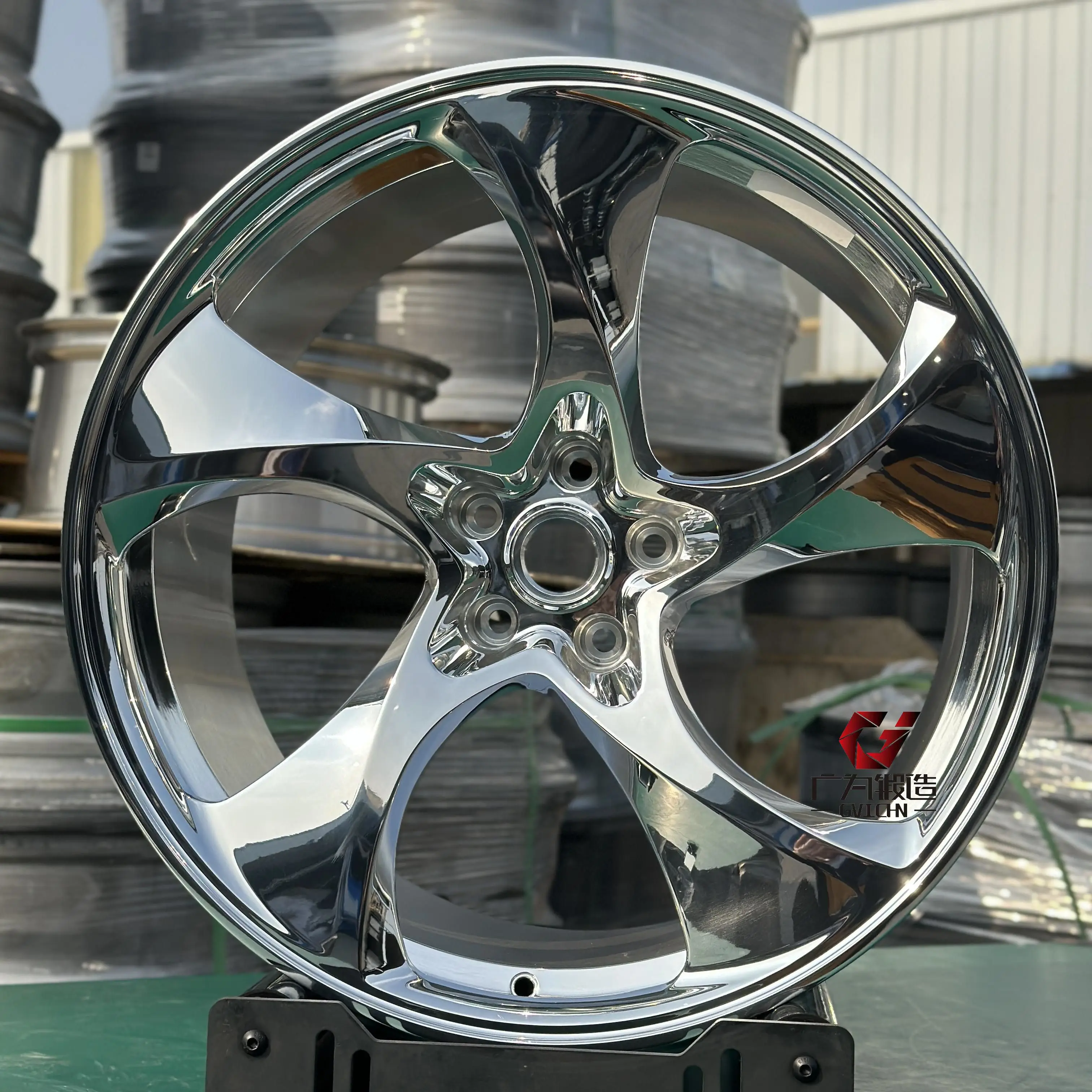
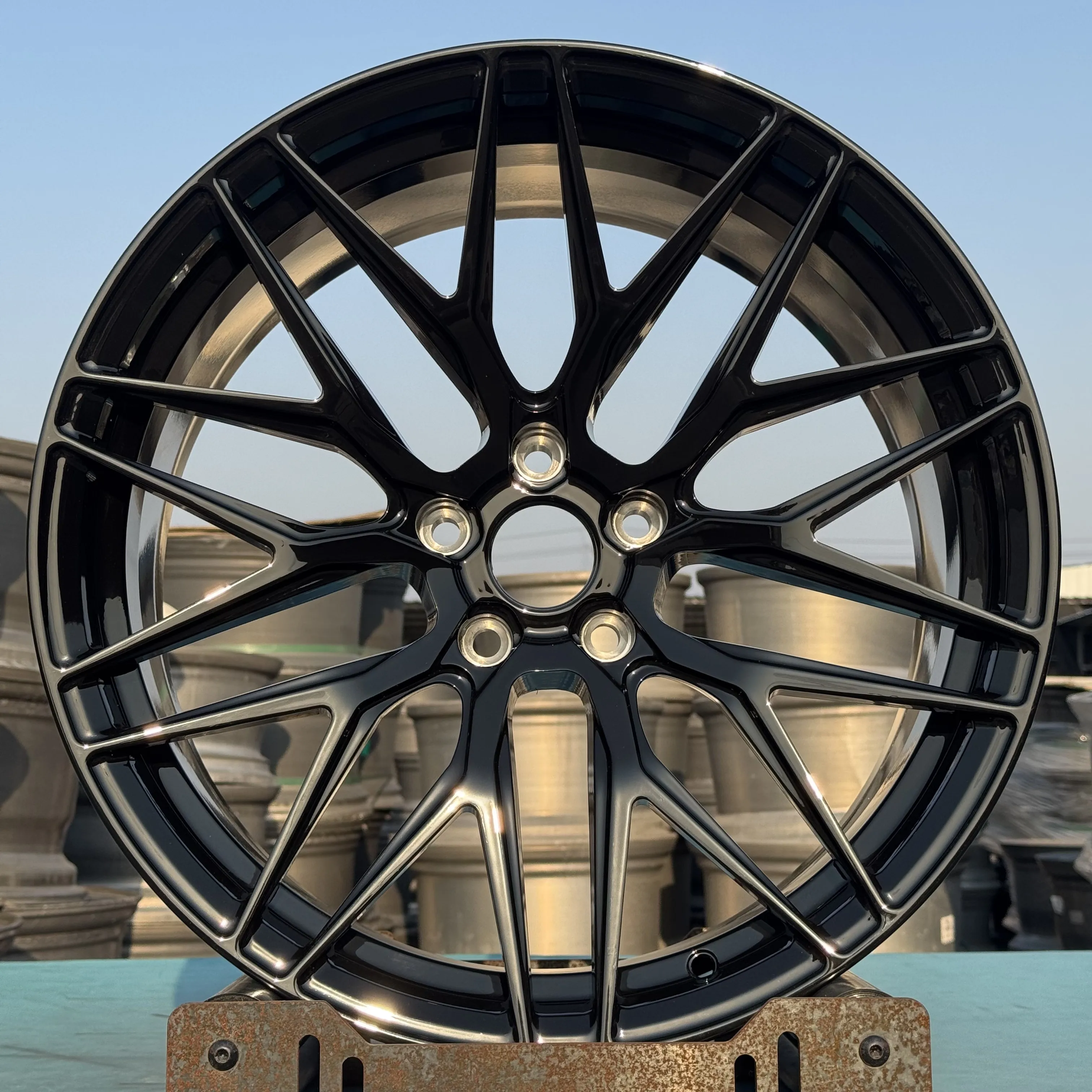
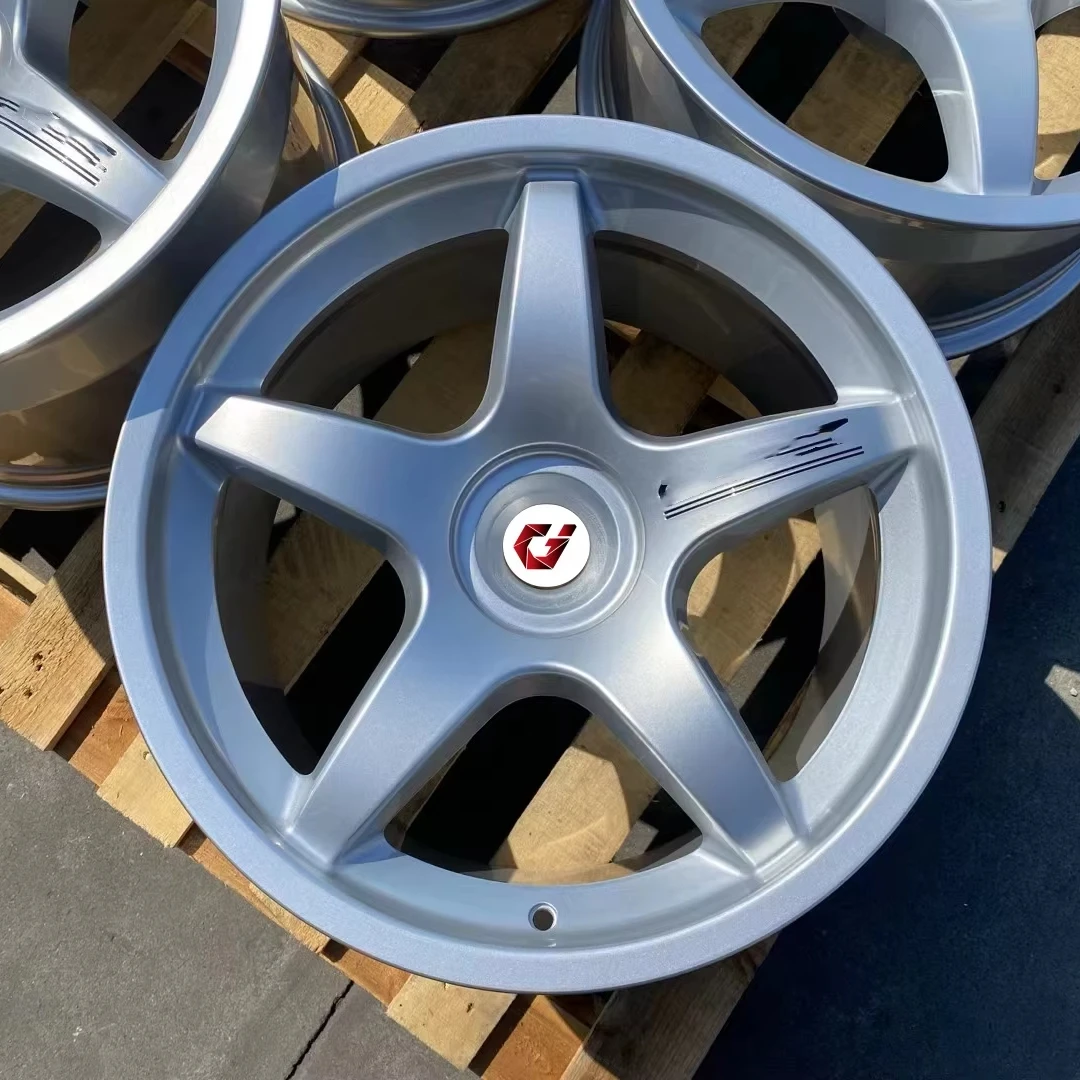
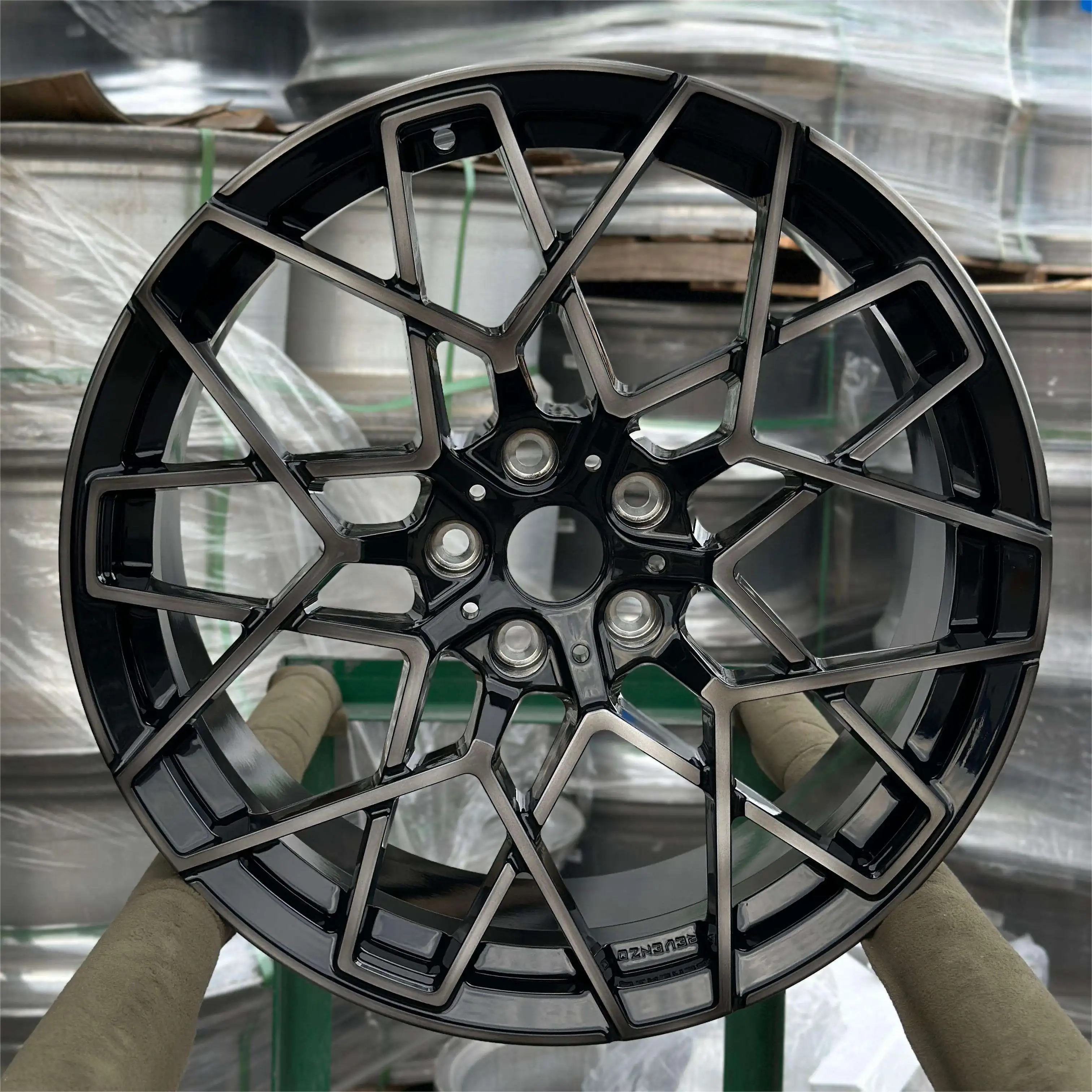
קונטיננטל עבור BMW G82 M3 G87 מסגרות מרוץ 19-21 אינץ' עיצוב קון קב יתאמה תואמת לכל המודלים מסגרת כרום מוצקת 35 מ"מ ET
 חדשות חמות
-
מוצרי פחמן מזויפים
2024-05-21
-
אביזרי שטח מזויפים
2024-05-21
-
GVICHN מציגה מוצר דו-חלקי מזויף מהפכני
2024-05-21
 באינטרנט