ทำไมล้อแบบโมโนบล็อกที่ผ่านกระบวนการตีขึ้นรูปจึงเบากว่าล้อแบบหลายชิ้นที่ผ่านกระบวนการตีขึ้นรูป?
การเข้าใจความแตกต่างของน้ำหนักระหว่างการออกแบบล้อแต่ละแบบมีความสำคัญอย่างยิ่งสำหรับวิศวกรยานยนต์ ทีมแข่งขัน และผู้ชื่นชอบสมรรถนะสูง ซึ่งต้องการความแม่นยำในทุกชิ้นส่วน ล้อหล่อ คำถามที่ว่าทำไมล้อแบบโมโนบล็อกจึงเบากว่าล้อแบบหลายชิ้นที่ผ่านกระบวนการตีขึ้นรูปนั้น ขึ้นอยู่กับหลักการผลิตพื้นฐาน ประสิทธิภาพของการออกแบบโครงสร้าง และการเพิ่มประสิทธิภาพวัสดุ แม้ว่าล้อทั้งสองประเภทจะใช้กระบวนการตีขึ้นรูปขั้นสูงเพื่อให้ได้อัตราส่วนความแข็งแรงต่อน้ำหนักที่เหนือกว่าล้อที่ผลิตด้วยวิธีการหล่อ แต่ล้อแบบโมโนบล็อกที่ผ่านกระบวนการตีขึ้นรูปนั้นสามารถกำจัดความจำเป็นในการใช้ฮาร์ดแวร์ยึดติดเพิ่มเติม ชิ้นส่วนซีล และโครงสร้างเสริมที่จำเป็นสำหรับการประกอบแบบหลายชิ้นได้ ข้อได้เปรียบเชิงโครงสร้างโดยธรรมชาตินี้ทำให้ผู้ผลิตสามารถลดมวลรวมลงได้ ขณะเดียวกันก็ยังคงรักษามาตรฐานสมรรถนะไว้ หรือแม้แต่เกินกว่ามาตรฐานที่กำหนดสำหรับการใช้งานแบบสมรรถนะสูง
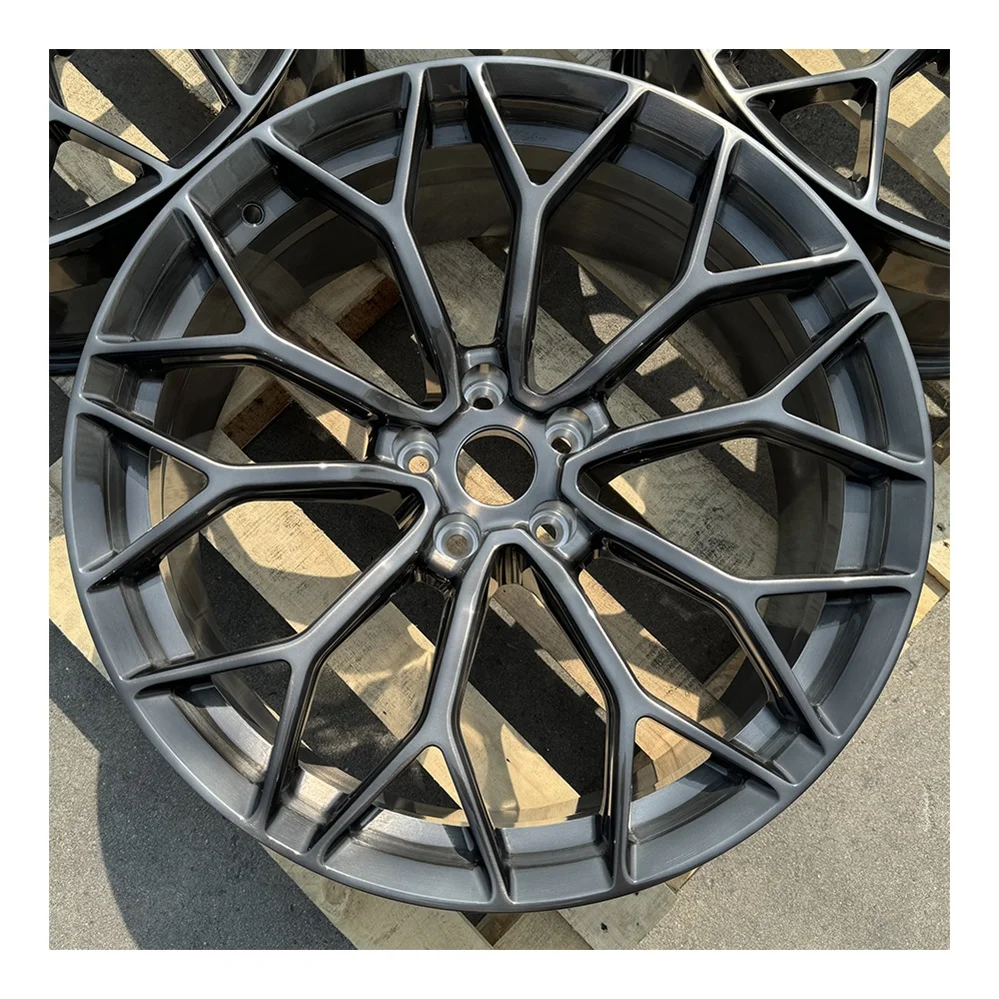
การลดน้ำหนักที่ได้รับจากการใช้ล้อแบบโมโนบล็อกที่ผ่านกระบวนการตีขึ้นรูป (monoblock forged wheel) เกิดจากวิธีการผลิตแบบชิ้นเดียวซึ่งรวมส่วนศูนย์กลางล้อ ขอบล้อ (barrel) และขอบด้านนอก (outer lip) เข้าด้วยกันเป็นโครงสร้างต่อเนื่องเพียงชิ้นเดียว ขณะที่ล้อแบบตีขึ้นรูปแบบหลายชิ้น (multi-piece forged wheels) ไม่ว่าจะเป็นแบบสองชิ้นหรือสามชิ้น จำเป็นต้องใช้สกรู ซีล และความหนาของวัสดุเพิ่มเติมบริเวณจุดเชื่อมต่อ เพื่อให้มั่นใจในความแข็งแรงของโครงสร้างและความสามารถในการปิดผนึกอากาศอย่างสมบูรณ์ องค์ประกอบเหล่านี้เพิ่มน้ำหนักที่วัดได้ ซึ่งไม่สามารถตัดออกได้โดยไม่กระทบต่อข้อกำหนดด้านการทำงานของล้อ นอกจากนี้ ล้อแบบโมโนบล็อกที่ผ่านกระบวนการตีขึ้นรูปยังได้รับประโยชน์จากแนวการไหลของเกรน (grain flow) ที่ถูกปรับให้เหมาะสมทั่วทั้งโครงสร้างล้อระหว่างกระบวนการตีขึ้นรูป ทำให้เกิดการกระจายตัวของวัสดุอย่างสม่ำเสมอ จึงสามารถใช้วัสดุโดยรวมน้อยลงแต่ยังคงให้ระดับความแข็งแรงเทียบเท่ากันได้ บทความนี้จะพิจารณาเหตุผลด้านวิศวกรรม ความแตกต่างในการผลิต และผลกระทบเชิงปฏิบัติที่อธิบายว่าทำไมล้อแบบโมโนบล็อกที่ผ่านกระบวนการตีขึ้นรูปจึงมีน้ำหนักเบากว่าล้อแบบหลายชิ้นเสมอ
ปรัชญาการออกแบบเชิงโครงสร้างและการกระจายมวล
การรวมชิ้นส่วนเข้าด้วยกันแบบชิ้นเดียว ทำให้ไม่จำเป็นต้องใช้ชิ้นส่วนสำหรับการประกอบ
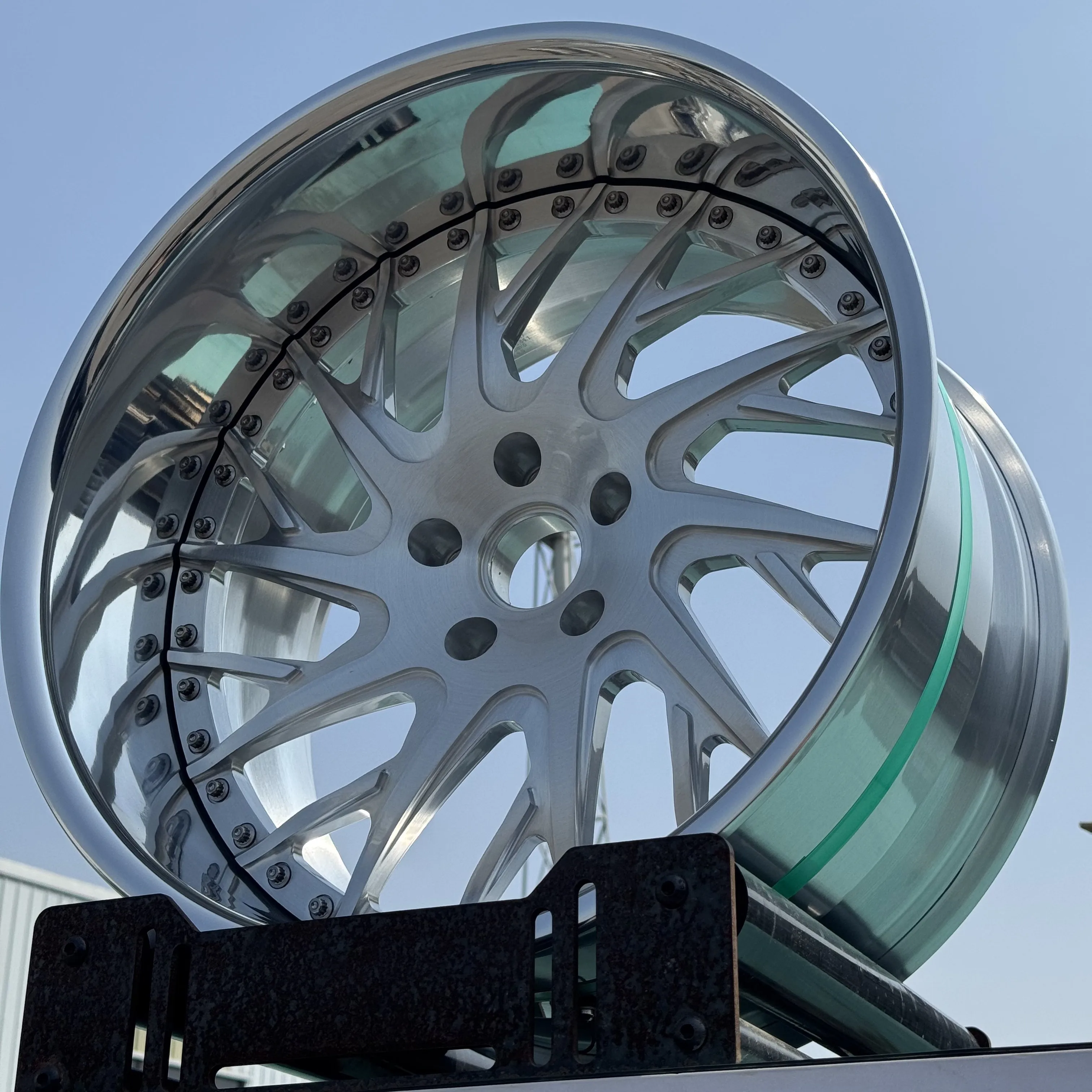
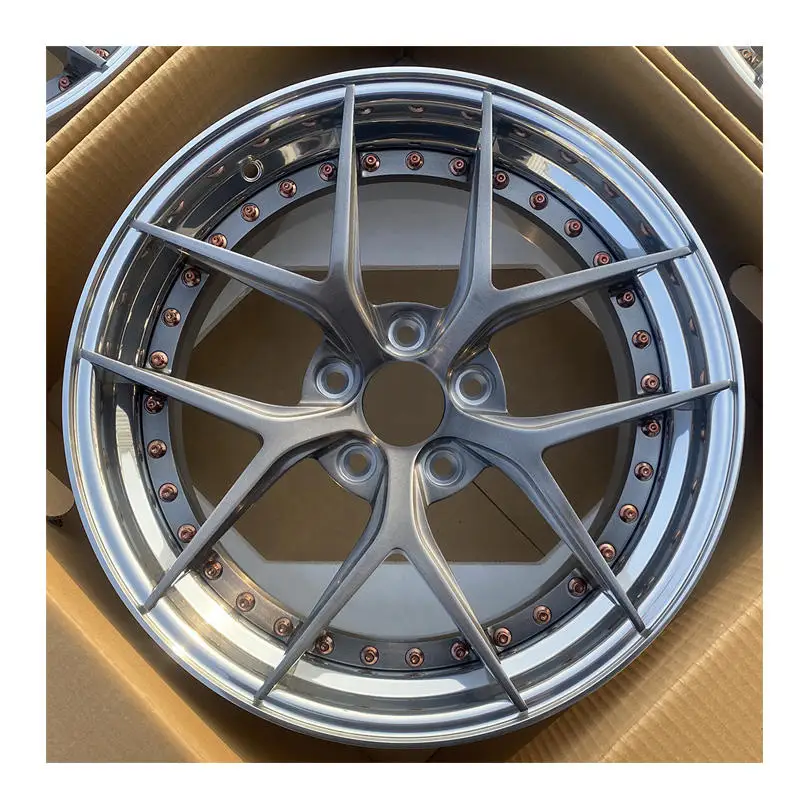
เหตุผลพื้นฐานที่ล้อแบบโมโนบล็อกที่ผ่านกระบวนการตีขึ้นรูป (monoblock forged wheel) สามารถบรรลุน้ำหนักที่เบากว่า อยู่ที่แนวทางการผลิตแบบบูรณาการทั้งชิ้น ซึ่งขจัดความจำเป็นในการใช้ระบบยึดแน่นทั้งหมดออกไปอย่างสิ้นเชิง ล้อแบบตีขึ้นรูปแบบหลายชิ้น (multi-piece forged wheels) จำเป็นต้องใช้สลักเกลียวที่มีความแข็งแรงสูง โดยทั่วไปมีจำนวนตั้งแต่ 20 ถึง 40 ตัว ขึ้นอยู่กับเส้นผ่านศูนย์กลางของล้อและข้อกำหนดด้านการออกแบบ เพื่อยึดแผ่นหน้า (face plate) เข้ากับโครงล้อ (barrel assembly) แต่ละตัวของสลักเกลียวไม่เพียงเพิ่มน้ำหนักของตัวมันเองเท่านั้น แต่ยังจำเป็นต้องมีฐานยึดเสริม (reinforced mounting bosses) และปลอกเกลียวฝังใน (threaded inserts) ภายในโครงสร้างล้ออีกด้วย บริเวณที่เสริมความแข็งแรงเหล่านี้จำเป็นต้องมีความหนาของวัสดุเพิ่มขึ้นเพื่อรองรับแรงยึดแน่นและแรงเครียดจากการใช้งานจริงที่ถ่ายทอดผ่านการยึดด้วยสลักเกลียว จึงก่อให้เกิดบริเวณที่มีมวลเกินจำเป็นในระดับท้องถิ่น ซึ่งทำหน้าที่เฉพาะด้านโครงสร้างเท่านั้น ไม่ได้มีส่วนสนับสนุนประสิทธิภาพโดยตรง
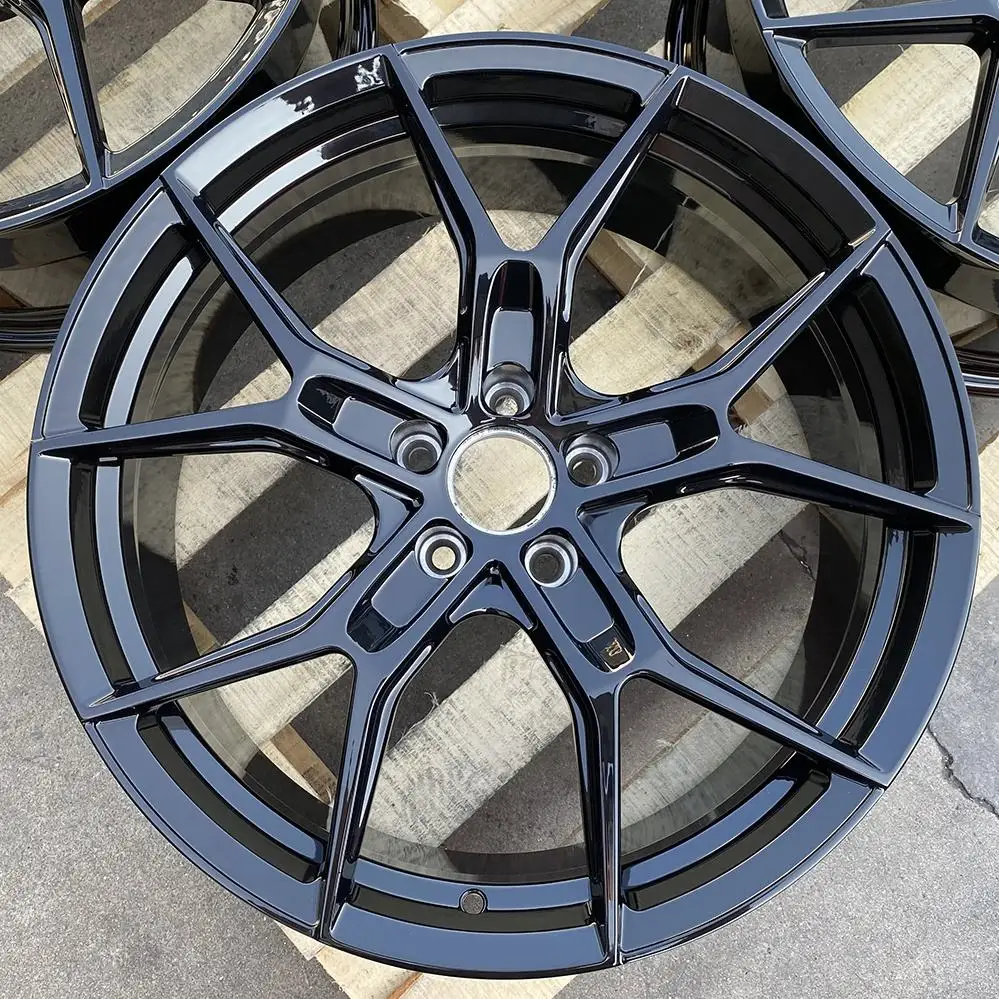
เอ ล้อหล่อแบบ Monoblock ขจัดระบบยึดแนวนี้ทั้งหมดโดยการขึ้นรูปหน้าล้อ ซี่ล้อ และขอบล้อจากบิลเล็ตอลูมิเนียมที่ผ่านกระบวนการตีขึ้นรูป (forged aluminum) แบบชิ้นเดียว กระบวนการผลิตนี้ใช้แรงอัดซึ่งสร้างรูปแบบการไหลของเม็ดเกรนอย่างต่อเนื่องทั่วทั้งเรขาคณิตของล้อ ทำให้วิศวกรสามารถลดความหนาของผนังในบริเวณที่การออกแบบแบบหลายชิ้นจำเป็นต้องเสริมความแข็งแรง ความอิสระในการออกแบบนี้ช่วยให้สามารถปรับแต่งน้ำหนักได้อย่างเหมาะสม ซึ่งหากนำไปใช้กับโครงสร้างแบบแยกชิ้นจะส่งผลให้ความสมบูรณ์เชิงโครงสร้างลดลง ทั้งนี้ การไม่มีรูสำหรับสกรูยังช่วยขจุดจุดที่เกิดความเครียดสะสม (stress concentration points) ซึ่งโดยทั่วไปจำเป็นต้องกำหนดระยะปลอดภัย (safety margins) ที่มากพอในความหนาของวัสดุ อันเป็นอีกปัจจัยหนึ่งที่ส่งผลให้น้ำหนักรวมลดลง
ข้อกำหนดของระบบปิดผนึกในชิ้นส่วนประกอบแบบหลายชิ้น
ล้อแบบตีขึ้นรูปแบบหลายชิ้นต้องมีระบบซีลแบบครบวงจรระหว่างส่วนขอบล้อ (barrel) กับส่วนหน้าล้อ (face) เพื่อรักษาแรงดันลมยางและป้องกันไม่ให้มีความชื้นแทรกซึมเข้าไป ซึ่งอาจก่อให้เกิดการกัดกร่อนบริเวณรอยต่อของการประกอบ วิธีการซีลดังกล่าวมักประกอบด้วยโอริงพิเศษ สารซีล หรือระบบที่รวมทั้งสองอย่างเข้าด้วยกัน ซึ่งเพิ่มน้ำหนักที่วัดได้ให้กับชิ้นส่วนประกอบสุดท้าย ร่องสำหรับติดตั้งซีลเองยังต้องใช้วัสดุเพิ่มเติมอีกปริมาณหนึ่ง รวมทั้งต้องผ่านการตกแต่งผิวเฉพาะที่เพิ่มความซับซ้อนในการผลิต และทำให้ไม่สามารถลดน้ำหนักอย่างรุนแรงในบริเวณสำคัญเหล่านี้ได้ ขณะที่ล้อแบบตีขึ้นรูปแบบโมโนบล็อก (monoblock forged wheel) ซึ่งเป็นชิ้นเดียวที่ปิดสนิทแบบไร้รอยต่อตามหลักการออกแบบ จึงไม่จำเป็นต้องมีโครงสร้างซีลใดๆ เหล่านี้ ส่งผลให้ประหยัดน้ำหนักโดยตรง ซึ่งปริมาณน้ำหนักที่ลดลงจะเพิ่มขึ้นตามขนาดเส้นผ่านศูนย์กลางของล้อ
ผลกระทบด้านน้ำหนักที่เกิดจากระบบการปิดผนึกนั้นขยายออกไปไกลกว่าเฉพาะวัสดุซีลเองเสียอีก โครงสร้างล้อแบบหลายชิ้นต้องรักษาความคลาดเคลื่อนเชิงมิติและระดับความเรียบของพื้นผิวที่บริเวณจุดสัมผัสกันให้คงที่ เพื่อให้มั่นใจในประสิทธิภาพการปิดผนึกที่เชื่อถือได้ภายใต้สภาวะการรับโหลดแบบไดนามิกและการเปลี่ยนแปลงอุณหภูมิ ข้อกำหนดด้านความแม่นยำเหล่านี้มักจำเป็นต้องใช้วัสดุเพิ่มเติมบริเวณส่วนฟลานจ์ ซึ่งหากเป็นล้อแบบโมโนบล็อกที่ผลิตด้วยกระบวนการตีขึ้นรูป (forged) ที่ออกแบบเพื่อการลดน้ำหนักอย่างเหมาะสมแล้ว วัสดุส่วนนี้อาจถูกตัดทิ้งไปได้ นอกจากนี้ ความเป็นไปได้ที่ซีลจะเสื่อมสภาพลงตามกาลเวลา ทำให้ล้อแบบหลายชิ้นจำเป็นต้องรักษาค่าปัจจัยความปลอดภัยที่ระดับค่อนข้างรัดกุมไว้ในการออกแบบเชิงโครงสร้าง ในขณะที่ล้อแบบโมโนบล็อกที่ผลิตด้วยกระบวนการตีขึ้นรูปสามารถทำงานได้ภายใต้ขอบเขตประสิทธิภาพที่แคบกว่า เนื่องจากไม่มีโหมดความล้มเหลวที่เกิดจากพื้นผิวการประกอบร่วมกัน
การปรับแต่งความหนาของวัสดุผ่านโครงสร้างแบบต่อเนื่อง
โครงสร้างแบบต่อเนื่องของล้อหล่อขึ้นรูปแบบโมโนบล็อก (monoblock forged wheel) ช่วยให้วิศวกรสามารถนำกลยุทธ์การปรับความหนาของผนังแบบแปรผันมาใช้ได้ ซึ่งทำให้การกระจายวัสดุสอดคล้องกับรูปแบบการกระจายแรงเครียดได้อย่างแม่นยำ การวิเคราะห์แบบจำลององค์ประกอบจำกัดขั้นสูง (advanced finite element analysis) ช่วยให้นักออกแบบสามารถลดความหนาของส่วนที่รับแรงต่ำ ขณะเดียวกันก็รักษาระดับความหนาหรือเพิ่มความหนาเฉพาะในบริเวณที่ความต้องการเชิงกลกำหนดไว้เท่านั้น แนวทางการจัดวางวัสดุแบบเจาะจงนี้ไม่สามารถทำได้ในล้อหล่อขึ้นรูปแบบหลายชิ้น (multi-piece forged wheels) เนื่องจากการแยกส่วนระหว่างองค์ประกอบต่าง ๆ จำเป็นต้องใช้ความหนาแบบสม่ำเสมอทั้งในส่วนของทรงกระบอก (barrel sections) และแผ่นหน้า (face plates) เพื่อให้มั่นใจว่าจะมีความแข็งแรงเพียงพอทั่วทั้งบริเวณรอยต่อของการประกอบ ผลที่ตามมาคือ ล้อแบบหลายชิ้นต้องใช้วัสดุเกินความจำเป็นในบริเวณที่ล้อแบบโมโนบล็อกสามารถทำงานได้อย่างปลอดภัยด้วยความหนาน้อยที่สุด
ข้อมูลการผลิตจากผู้ผลิตล้อชั้นนำระบุว่า ล้อแบบโมโนบล็อกที่ผ่านกระบวนการตีขึ้นรูป (forged) โดยทั่วไปสามารถลดความหนาของผนังส่วนก้านล้อ (spoke) และส่วนขอบล้อ (barrel) ได้ร้อยละสิบห้าถึงยี่สิบห้า เมื่อเปรียบเทียบกับล้อแบบหลายชิ้นที่มีขนาดและคุณสมบัติเทียบเท่ากัน การปรับปรุงประสิทธิภาพนี้เกิดขึ้นได้เนื่องจากกระบวนการตีขึ้นรูปสร้างโครงสร้างเม็ดเกรน (grain structure) ที่ไหลต่อเนื่องกันอย่างไม่ขาดตอนจากศูนย์กลางล้อผ่านก้านล้อไปยังขอบล้อ ซึ่งเลียนแบบเส้นทางการกระจายแรงเครียดตามธรรมชาติที่เกิดขึ้นระหว่างการใช้งานยานพาหนะ ขณะที่ล้อแบบตีขึ้นรูปหลายชิ้นไม่สามารถสร้างความต่อเนื่องของโครงสร้างเม็ดเกรนข้ามรอยต่อของการประกอบได้ วิศวกรจึงจำเป็นต้องเพิ่มวัสดุบริเวณจุดเชื่อมต่อเพื่อชดเชยจุดอ่อนนี้ ส่งผลให้น้ำหนักเพิ่มขึ้น แต่ให้ความแข็งแรงเชิงโครงสร้างที่จำเป็นในบริเวณดังกล่าว
ข้อได้เปรียบของกระบวนการผลิตและความประหยัดวัสดุ
ความต่อเนื่องของโครงสร้างเม็ดเกรนจากการตีขึ้นรูปแบบชิ้นเดียว
กระบวนการตีขึ้นรูปที่ใช้ผลิตล้อแบบโมโนบล็อกที่ผ่านการตีขึ้นรูป (monoblock forged wheel) จะสร้างโครงสร้างเม็ดผลึกที่มีทิศทางเฉพาะซึ่งสอดคล้องกับรูปแบบแรงเครียดที่กระทำต่อล้อ ทำให้เกิดประสิทธิภาพสูงสุดในการใช้วัสดุ และสามารถลดน้ำหนักได้โดยไม่สูญเสียความแข็งแรงแต่อย่างใด เมื่อแท่งอะลูมิเนียม (aluminum billets) ถูกตีขึ้นรูปภายใต้แรงดันสูงมาก โครงสร้างผลึกของโลหะจะยืดออกและจัดเรียงตัวตามทิศทางที่สอดคล้องกับแรงที่กระทำ ในการผลิตล้อแบบโมโนบล็อกที่ผ่านการตีขึ้นรูป แนวการไหลของเม็ดผลึก (grain flow) นี้จะต่อเนื่องอย่างไม่ขาดตอนจากส่วนฮับสำหรับยึดติด (mounting hub) ผ่านก้านแต่ละข้อ (spoke) ไปจนถึงส่วนขอบภายนอก (outer barrel) ซึ่งสร้างเส้นทางที่มีความแข็งแรงเพิ่มขึ้นตามแนวที่ตรงกับทิศทางของแรงปฏิบัติการจริงที่ล้อต้องรับขณะเร่งความเร็ว หยุดรถ และเลี้ยว
ล้อแบบตีขึ้นรูปหลายชิ้น แม้จะใช้เทคโนโลยีการตีขึ้นรูปแบบเดียวกันสำหรับแต่ละส่วนประกอบ แต่ก็ไม่สามารถบรรลุข้อได้เปรียบของการไหลของเม็ดโครงสร้างอย่างต่อเนื่องได้ ผิวด้านหน้าของล้อจะผ่านกระบวนการตีขึ้นรูปเพื่อสร้างโครงสร้างเม็ดที่เหมาะสมที่สุดภายในส่วนประกอบนั้น ในขณะที่ส่วนขอบล้อ (barrel) ก็ได้รับการปฏิบัติแบบเดียวกัน แต่การเชื่อมต่อระหว่างชิ้นส่วนเหล่านี้กลับทำให้เกิดการหยุดชะงักของความต่อเนื่องของเม็ดโครงสร้าง การหยุดชะงักนี้ถือเป็นข้อจำกัดพื้นฐานที่จำเป็นต้องให้วิศวกรออกแบบส่วนประกอบทั้งสองให้มีความแข็งแรงเกินความจำเป็น เพื่อชดเชยการสูญเสียประสิทธิภาพเชิงโครงสร้างที่บริเวณรอยต่อ วัสดุส่วนเพิ่มเติมที่ต้องใช้เพื่อเอาชนะข้อจำกัดนี้ ส่งผลโดยตรงต่อน้ำหนักที่สูงขึ้นของล้อแบบตีขึ้นรูปหลายชิ้น เมื่อเทียบกับล้อแบบโมโนบล็อกที่มีสมรรถนะเทียบเท่ากัน
การกำจัดการเสริมความแข็งแรงเชิงโครงสร้างที่ซ้ำซ้อน
ล้อแบบโมโนบล็อกที่ผ่านกระบวนการตีขึ้นรูปมีข้อได้เปรียบจากความสมบูรณ์เชิงโครงสร้างโดยธรรมชาติ ซึ่งช่วยกำจัดความจำเป็นในการออกแบบโซนความแข็งแรงที่ทับซ้อนกัน ซึ่งจำเป็นในกรณีของชิ้นส่วนแบบหลายชิ้นที่มาประกอบกัน ในล้อแบบสองชิ้นและสามชิ้น ทั้งแผ่นหน้า (face plate) และทรงกระบอก (barrel) ต้องมีความแข็งแรงเพียงพอที่จะรับภาระบางส่วนของช่วงโหลดทั้งหมดได้อย่างอิสระ ทำให้เกิดการสำรองความแข็งแรงโดยเจตนา เพื่อให้มั่นใจว่าชุดล้อจะยังคงรักษาความสมบูรณ์ไว้ได้ แม้การยึดด้วยสลักเกลียวจะเกิดการกระจายโหลดใหม่หรือการคลายตัวบางส่วนตามระยะเวลา การออกแบบเชิงวิศวกรรมแบบรัดกุมนี้ แม้จะเหมาะสมอย่างยิ่งจากมุมมองด้านความปลอดภัย แต่ก็ส่งผลให้เกิดการใช้วัสดุซ้ำซ้อน ซึ่งล้อแบบโมโนบล็อกที่ผ่านกระบวนการตีขึ้นรูปไม่จำเป็นต้องใช้
ผลกระทบต่อความหนักที่เกิดจากโครงสร้างเสริมซ้ำซ้อนนี้จะมีความสำคัญอย่างยิ่งโดยเฉพาะในล้อที่มีเส้นผ่านศูนย์กลางขนาดใหญ่ เนื่องจากระดับแรงคาน (lever arms) เพิ่มขึ้น และขนาดของโมเมนต์ดัด (bending moments) เพิ่มขึ้นอย่างมาก ผลจากการทดสอบแสดงให้เห็นว่าล้อแบบหลายชิ้นที่ผ่านกระบวนการตีขึ้นรูป (multi-piece forged wheels) มักมีปริมาณวัสดุมากกว่าล้อแบบชิ้นเดียวที่ผ่านกระบวนการตีขึ้นรูป (monoblock forged wheel) ร้อยละยี่สิบถึงสามสิบในบริเวณรอยต่อระหว่างหน้าล้อ (face) กับขอบล้อ (barrel) เมื่อเปรียบเทียบกับบริเวณที่เทียบเคียงกันในล้อแบบชิ้นเดียว วัสดุส่วนเกินนี้มีวัตถุประสงค์หลักเพื่อบรรเทาความเข้มข้นของแรงเครียด (stress concentrations) ที่เกิดขึ้นบริเวณจุดยึดด้วยสลักเกลียว (bolted connections) มากกว่าการต้านทานโหลดหลักที่เกิดขึ้นระหว่างการใช้งานยานพาหนะ ด้วยการตัดการใช้โครงสร้างเสริมบริเวณรอยต่อเหล่านี้ออกไปโดยสิ้นเชิง ล้อแบบชิ้นเดียวที่ผ่านกระบวนการตีขึ้นรูปจึงสามารถบรรลุข้อได้เปรียบด้านน้ำหนักที่วัดค่าได้จริง ซึ่งข้อได้เปรียบนี้ยิ่งเพิ่มขึ้นตามขนาดเส้นผ่านศูนย์กลางของล้อ
ความคลาดเคลื่อนในการผลิตและขอบเขตความปลอดภัยของวัสดุ
ข้อกำหนดในการประกอบล้อที่ผลิตจากการตีขึ้นรูปแบบหลายชิ้นทำให้ต้องพิจารณาความคลาดเคลื่อนในการผลิต ซึ่งจำเป็นต้องเพิ่มขอบวัสดุ (material margins) เพิ่มเติมที่ไม่จำเป็นในกระบวนการผลิตล้อแบบโมโนบล็อกที่ผลิตจากการตีขึ้นรูป แต่ละส่วนประกอบในระบบล้อแบบหลายชิ้นจะต้องถูกผลิตให้มีค่าความคลาดเคลื่อนเชิงมิติ (dimensional tolerances) ที่เฉพาะเจาะจง เพื่อให้มั่นใจว่าจะสามารถติดตั้งได้อย่างเหมาะสม สร้างแรงบีบอัดของซีลได้ตามต้องการ และกระจายแรงบิดของสลักเกลียวอย่างสม่ำเสมอเมื่อประกอบเข้าด้วยกัน แม้ว่าค่าความคลาดเคลื่อนเหล่านี้มักวัดเป็นเศษหนึ่งในร้อยของมิลลิเมตร แต่ก็ยังก่อให้เกิดความไม่แน่นอนต่อการกระจายแรงเครียด (stress distribution) ที่แท้จริงทั่วโครงสร้างที่ประกอบเสร็จแล้ว จึงจำเป็นต้องกำหนดปริมาณวัสดุสำรองไว้อย่างระมัดระวัง เพื่อให้มั่นใจว่าล้อจะสามารถทำงานได้อย่างมีประสิทธิภาพภายใต้สถานการณ์ที่เลวร้ายที่สุด ซึ่งเกิดจากความคลาดเคลื่อนสะสม (tolerance stack-up) ทั้งหมด
ล้อแบบโมโนบล็อกที่ผ่านกระบวนการตีขึ้นรูป (forged) ซึ่งผลิตขึ้นเป็นชิ้นส่วนเดียวที่ผ่านการกลึงอย่างแม่นยำ ทำให้สามารถควบคุมมิติสุดท้ายและการกระจายแรงเครียดได้อย่างแม่นยำยิ่งขึ้น วิศวกรสามารถระบุความหนาขั้นต่ำของผนังได้อย่างมั่นใจมากขึ้น เนื่องจากการไม่มีตัวแปรที่เกิดจากการประกอบช่วยลดแหล่งที่มาหลักของความไม่แน่นอนด้านสมรรถนะลงอย่างมีนัยสำคัญ ความแม่นยำนี้ทำให้ล้อแบบโมโนบล็อกที่ผ่านกระบวนการตีขึ้นรูปสามารถทำงานใกล้เคียงกับขีดจำกัดน้ำหนักต่ำสุดเชิงทฤษฎีได้ ในขณะที่ยังคงรักษาอัตราส่วนความปลอดภัยที่กำหนดไว้ ข้อมูลจากอุตสาหกรรมชี้ว่า ข้อได้เปรียบนี้มักส่งผลให้น้ำหนักรวมลดลง 5 ถึง 10 เปอร์เซ็นต์ โดยเกิดขึ้นโดยตรงจากการตัดขอบเขตความปลอดภัยที่ต้องเพิ่มเข้าไปเพื่อรองรับความคลาดเคลื่อน (tolerance) ซึ่งการออกแบบล้อแบบหลายชิ้นจำเป็นต้องรวมไว้
ผลกระทบต่อสมรรถนะและข้อแลกเปลี่ยนด้านวิศวกรรม
การลดโมเมนต์ความเฉื่อยของการหมุนและการตอบสนองแบบไดนามิก
น้ำหนักที่ลดลงของล้อแบบโมโนบล็อกที่ผ่านกระบวนการตีขึ้นรูป (Forged) ช่วยเพิ่มประสิทธิภาพในการขับขี่อย่างวัดค่าได้ โดยเฉพาะการลดความเฉื่อยของการหมุน (Rotational Inertia) ซึ่งส่งผลโดยตรงต่ออัตราเร่งของยานพาหนะ ประสิทธิภาพในการเบรก และลักษณะการตอบสนองของระบบกันสะเทือน มวลที่หมุนได้มีอิทธิพลต่อพลศาสตร์ของยานพาหนะมากเป็นพิเศษ เนื่องจากมวลดังกล่าวต้องถูกเร่งทั้งในแนวเส้นตรงและแนวหมุนพร้อมกัน ทำให้อิทธิพลต่อความต้องการกำลังขับเคลื่อนและการใช้พลังงานเพิ่มขึ้นอย่างมีนัยสำคัญ งานวิจัยระบุว่า การลดน้ำหนักออกจากชุดล้อที่หมุนได้ 1 กิโลกรัม จะให้ประโยชน์ด้านประสิทธิภาพเทียบเท่ากับการลดน้ำหนักของตัวรถที่ไม่หมุน (static vehicle mass) 5–7 กิโลกรัม ดังนั้น ข้อได้เปรียบด้านน้ำหนักของล้อแบบโมโนบล็อกที่ผ่านกระบวนการตีขึ้นรูปจึงมีคุณค่าอย่างยิ่งในแอปพลิเคชันที่เน้นสมรรถนะ
การกระจายน้ำหนักภายในโครงสร้างล้อยังช่วยเพิ่มประสิทธิภาพของข้อดีเหล่านี้อีกด้วย ล้อแบบโมโนบล็อกที่ผ่านกระบวนการตีขึ้นรูป (monoblock forged wheel) สามารถจัดวางมวลที่จำเป็นให้ใกล้เคียงกับแกนการหมุนมากขึ้นผ่านการปรับแต่งตำแหน่งของวัสดุอย่างเหมาะสม ในขณะเดียวกันก็ลดน้ำหนักบริเวณเส้นผ่านศูนย์กลางด้านนอกซึ่งเป็นจุดที่ผลกระทบจากความเฉื่อยของการหมุน (rotational inertia) มีค่าสูงสุด อย่างไรก็ตาม ล้อแบบตีขึ้นรูปหลายชิ้น (multi-piece forged wheels) ซึ่งถูกจำกัดด้วยความจำเป็นในการรักษาความแข็งแรงเชิงโครงสร้างที่บริเวณรอยต่อระหว่างชิ้นส่วนต่าง ๆ ไม่สามารถบรรลุระดับการรวมมวลเข้าสู่ศูนย์กลางได้เท่ากับล้อแบบโมโนบล็อก เนื่องจากสลักเกลียว ซีล และโซนการเชื่อมต่อที่เสริมความแข็งแรงจำเป็นต้องตั้งอยู่ที่รัศมีที่ใหญ่กว่าจากจุดศูนย์กลางของล้อ ทำให้มวลถูกจัดวางไว้ตรงบริเวณที่ก่อให้เกิดโทษจากความเฉื่อยของการหมุนสูงสุด ข้อเสียเชิงเรขาคณิตนี้ยิ่งทวีความรุนแรงขึ้นเมื่อรวมกับความต่างของน้ำหนักรวมโดยสัมบูรณ์ ส่งผลให้เกิดช่องว่างด้านสมรรถนะเชิงพลศาสตร์ที่กว้างกว่าสิ่งที่การเปรียบเทียบน้ำหนักเพียงอย่างเดียวอาจบ่งชี้ไว้
การเพิ่มประสิทธิภาพอัตราส่วนความแข็งแรงต่อน้ำหนัก
แม้ว่าทั้งล้อแบบโมโนบล็อกที่ขึ้นรูปด้วยวิธีการตีขึ้นรูป (monoblock forged wheel) และล้อแบบหลายชิ้นที่ขึ้นรูปด้วยวิธีการตีขึ้นรูป (multi-piece forged wheel) จะสามารถบรรลุระดับความแข็งแรงสูงมากผ่านกระบวนการตีขึ้นรูปได้เท่าเทียมกัน แต่ล้อแบบโมโนบล็อกให้อัตราส่วนความแข็งแรงต่อน้ำหนักที่เหนือกว่า เนื่องจากการใช้วัสดุอย่างมีประสิทธิภาพมากขึ้นในเชิงโครงสร้าง แนวการรับแรงที่ต่อเนื่องกันในล้อแบบโมโนบล็อกที่ขึ้นรูปด้วยวิธีการตีขึ้นรูป ทำให้วิศวกรสามารถออกแบบให้รองรับการกระจายแรงจริงได้ แทนที่จะต้องคำนึงถึงสถานการณ์ที่เลวร้ายที่สุดที่จุดต่อของชิ้นส่วนขณะประกอบ การออกแบบที่แม่นยำเช่นนี้หมายความว่า ทุกกรัมของวัสดุในล้อแบบโมโนบล็อกที่ขึ้นรูปด้วยวิธีการตีขึ้นรูป ล้วนมีส่วนร่วมในการรับน้ำหนัก ในขณะที่ส่วนหนึ่งของมวลในล้อแบบหลายชิ้นนั้นทำหน้าที่ในการเชื่อมต่อและซีล มากกว่าที่จะทำหน้าที่หลักในเชิงโครงสร้าง
การทดสอบที่ดำเนินการตามมาตรฐานสากล เช่น SAE J2530 แสดงให้เห็นว่าการออกแบบล้อแบบโมโนบล็อกที่ผ่านกระบวนการตีขึ้นรูป (forged) สามารถบรรลุข้อกำหนดด้านความต้านทานแรงกระแทกและอายุการใช้งานภายใต้ภาวะความเหนื่อยล้าได้อย่างสม่ำเสมอ ขณะเดียวกันยังคงมีมวลรวมต่ำกว่าทางเลือกแบบหลายชิ้น (multi-piece) ข้อได้เปรียบด้านอัตราส่วนความแข็งแรงต่อน้ำหนักโดยทั่วไปอยู่ในช่วงร้อยละสิบสองถึงสิบแปด ขึ้นอยู่กับพารามิเตอร์การออกแบบเฉพาะและวัตถุประสงค์การใช้งานที่กำหนด ขอบประสิทธิภาพนี้ทำให้ผู้ผลิตสามารถเลือกเพิ่มปัจจัยความปลอดภัยในแอปพลิเคชันที่มีความสำคัญสูง หรือลดน้ำหนักอย่างเข้มงวดยิ่งขึ้นในบริบทของการแข่งขันมอเตอร์สปอร์ต ซึ่งทุกกรัมล้วนมีผลต่อผลลัพธ์ในการแข่งขัน ความสามารถของล้อแบบโมโนบล็อกที่ผ่านกระบวนการตีขึ้นรูปในการมอบทั้งน้ำหนักที่เบากว่าและความแข็งแรงที่เหนือกว่าพร้อมกันนั้น สะท้อนถึงข้อได้เปรียบเชิงวิศวกรรมพื้นฐานที่เกิดจากโครงสร้างแบบบูรณาการ (unified structural architecture) ของมัน
ความยืดหยุ่นในการผลิตและการปรับแต่งเพื่อการใช้งานเฉพาะ
กระบวนการผลิตล้อแบบโมโนบล็อกที่ผ่านการตีขึ้นรูป (forged) ให้ความยืดหยุ่นในการออกแบบ ซึ่งช่วยให้สามารถนำกลยุทธ์การปรับน้ำหนักเฉพาะการใช้งานมาประยุกต์ใช้ได้อย่างมีประสิทธิภาพ ซึ่งกลยุทธ์เหล่านี้อาจเป็นไปไม่ได้ หรือทำได้ยากมากในล้อแบบหลายชิ้น สามารถนำเทคนิคการขึ้นรูปด้วยการไหล (flow-forming) ขั้นสูงมาใช้กับส่วนทรงกระบอกของล้อโมโนบล็อกที่ผ่านการตีขึ้นรูปแล้วหลังจากขั้นตอนการตีขึ้นรูปเบื้องต้น โดยจะยืดและลดความหนาของวัสดุไปพร้อมกันกับการเพิ่มความแข็งแรงของวัสดุผ่านการขึ้นรูป (work-hardening) เพื่อให้ได้ระดับความแข็งแรงที่ชดเชยความหนาที่ลดลง กระบวนการรองนี้ ซึ่งสร้างล้อที่ผู้เชี่ยวชาญในอุตสาหกรรมเรียกว่า 'ล้อที่ผ่านการตีขึ้นรูปและขึ้นรูปด้วยการไหล' สามารถลดน้ำหนักได้เพิ่มเติมอีกร้อยละ 10 ถึง 15 เมื่อเทียบกับข้อกำหนดมาตรฐานของล้อโมโนบล็อกที่ผ่านการตีขึ้นรูป โดยยังคงรักษาสมรรถนะเชิงโครงสร้างที่จำเป็นไว้ได้
ล้อแบบตีขึ้นเป็นชิ้นส่วนหลายชิ้นไม่สามารถรองรับกระบวนการฟลอว์-ฟอร์มมิ่งได้อย่างสะดวก เนื่องจากเทคนิคนี้จะเปลี่ยนค่าความคลาดเคลื่อนเชิงมิติที่สำคัญและสภาพผิวที่จำเป็นสำหรับการซีลการประกอบอย่างเชื่อถือได้และการยึดสลักให้มั่นคง ลักษณะของส่วนทรงกระบอก (barrel) ที่คงที่ในล้อแบบหลายชิ้นยังจำกัดความสามารถในการปรับเปลี่ยนรูปทรงและขนาดความหนาของผนังส่วนทรงกระบอกเพื่อให้เข้ากับยางชนิดต่าง ๆ โดยไม่ต้องสร้างแม่พิมพ์ใหม่ทั้งหมด ในขณะที่การผลิตล้อแบบโมโนบล็อกที่ตีขึ้นสามารถรองรับการปรับแต่งที่หลากหลายมากขึ้นภายในชุดการผลิตเดียวกัน ความยืดหยุ่นนี้ช่วยให้ผู้ผลิตสามารถออกแบบล้อแบบโมโนบล็อกที่ตีขึ้นแต่ละแบบให้เหมาะสมกับความต้องการเฉพาะของการใช้งานนั้น ๆ ได้อย่างเต็มที่ จึงสามารถลดน้ำหนักได้สูงสุดโดยไม่กระทบต่อมาตรฐานประสิทธิภาพ
ปัจจัยทางเศรษฐศาสตร์และประโยชน์ใช้สอย
ประสิทธิภาพด้านต้นทุนวัสดุและเศรษฐศาสตร์การผลิต
ข้อได้เปรียบด้านน้ำหนักของดีไซน์ล้อแบบโมโนบล็อกที่ผ่านกระบวนการตีขึ้นรูปโดยตรง (forged) สามารถแปลงเป็นการประหยัดต้นทุนวัสดุได้ทันที ซึ่งส่งผลประโยชน์ทั้งต่อผู้ผลิตและผู้ใช้งานปลายทาง อัลลอยด์อลูมิเนียมเกรดอวกาศที่นิยมใช้ในการผลิตล้อแบบตีขึ้นรูปนั้นมีราคาสูงเป็นพิเศษ ทำให้การลดน้ำหนักลงแต่ละกิโลกรัมมีความสำคัญเชิงเศรษฐกิจอย่างมาก ล้อแบบโมโนบล็อกที่ผ่านกระบวนการตีขึ้นรูปสำหรับการใช้งานเชิงสมรรถนะทั่วไปอาจมีน้ำหนักเบากว่าล้อแบบตีขึ้นรูปแบบหลายชิ้น (multi-piece forged wheel) ที่เทียบเคียงกันได้ถึงสองถึงสี่กิโลกรัม ซึ่งหมายถึงการประหยัดวัสดุอย่างมีนัยสำคัญ และเมื่อคูณด้วยปริมาณการผลิตจำนวนมากแล้ว จะยิ่งเพิ่มประสิทธิภาพด้านต้นทุนมากยิ่งขึ้น ประสิทธิภาพด้านวัสดุเหล่านี้ช่วยชดเชยต้นทุนเริ่มต้นที่สูงขึ้นสำหรับแม่พิมพ์ที่เกี่ยวข้องกับการผลิตล้อแบบโมโนบล็อกที่ผ่านกระบวนการตีขึ้นรูปบางส่วน ทำให้เทคโนโลยีนี้มีความคุ้มค่าทางเศรษฐกิจสำหรับการผลิตในระดับกลางถึงขนาดใหญ่
นอกเหนือจากต้นทุนวัตถุดิบแล้ว น้ำหนักที่เบากว่าของล้อแบบโมโนบล็อกที่ผ่านกระบวนการขึ้นรูปด้วยการตีขึ้นรูป (forged) ยังช่วยลดค่าใช้จ่ายด้านการจัดส่งและทำให้การจัดการง่ายขึ้นตลอดห่วงโซ่การกระจายสินค้า อัตราค่าขนส่งในภาคอะไหล่รถยนต์หลังการขายมีแนวโน้มสะท้อนโครงสร้างการกำหนดราคาตามน้ำหนักมากขึ้น โดยเฉพาะสำหรับการจัดส่งระหว่างประเทศ ซึ่งค่าขนส่งทางอากาศถือเป็นองค์ประกอบสำคัญของต้นทุนโดยรวม การประหยัดน้ำหนักรวมทั้งชุดล้อสี่วง ซึ่งโดยทั่วไปอยู่ระหว่างแปดถึงสิบหกกิโลกรัม เมื่อเปรียบเทียบกับล้อแบบหลายชิ้น (multi-piece) นำมาซึ่งข้อได้เปรียบด้านต้นทุนโลจิสติกส์ที่วัดผลได้จริง และส่งผลให้ความสามารถในการแข่งขันของผลิตภัณฑ์โดยรวมดีขึ้นในกลุ่มตลาดที่มีความไวต่อราคา
ปัจจัยด้านการบำรุงรักษาและการทำงานอย่างเชื่อถือได้ในระยะยาว
โปรไฟล์การบำรุงรักษาของล้อแบบโมโนบล็อกที่ขึ้นรูปด้วยวิธีการตีขึ้นรูป (forged) ยังช่วยเพิ่มข้อได้เปรียบเชิงปฏิบัติอีกด้วยเมื่อเปรียบเทียบกับการออกแบบแบบหลายชิ้น ล้อแบบหลายชิ้นที่ขึ้นรูปด้วยวิธีการตีขึ้นรูปจำเป็นต้องตรวจสอบและปรับแรงบิดของสกรูที่ใช้ประกอบใหม่เป็นระยะๆ เพื่อรักษากำลังการยึดจับให้เหมาะสม และป้องกันไม่ให้สกรูหลวมจากแรงสั่นสะเทือนขณะใช้งานและการเปลี่ยนแปลงอุณหภูมิซ้ำๆ ความสมบูรณ์ของซีลต้องได้รับการตรวจสอบอย่างสม่ำเสมอ และอาจจำเป็นต้องเปลี่ยนหรือปรับปรุงใหม่ในช่วงการให้บริการเพื่อป้องกันการรั่วของอากาศและการแทรกซึมของความชื้น ข้อกำหนดในการบำรุงรักษาเหล่านี้ แม้จะไม่ถือว่าหนักหนาสาหัสแต่อย่างใด ก็ยังคงเป็นภาระที่ต้องดำเนินการอย่างต่อเนื่อง ซึ่งล้อแบบโมโนบล็อกที่ขึ้นรูปด้วยวิธีการตีขึ้นรูปสามารถกำจัดข้อจำกัดดังกล่าวออกไปได้ทั้งหมด เนื่องจากโครงสร้างแบบชิ้นเดียว
การไม่มีรอยต่อสำหรับการประกอบในล้อแบบโมโนบล็อกที่ขึ้นรูปด้วยวิธีการตีขึ้นรูป (forged) ยังช่วยกำจัดเส้นทางที่อาจเกิดการกัดกร่อนซึ่งอาจเกิดขึ้นระหว่างโลหะที่ต่างชนิดกัน หรือในร่องแคบๆ ที่ความชื้นและสิ่งสกปรกจากถนนสะสมอยู่ อีกทั้งล้อแบบหลายชิ้นที่ขึ้นรูปด้วยวิธีการตีขึ้นรูป (multi-piece forged wheels) แม้จะมีการเคลือบผิวขั้นสูงและระบบปิดผนึกที่ซับซ้อน ก็ยังคงมีแนวโน้มเกิดการกัดกร่อนแบบกาล์วานิก (galvanic corrosion) ที่บริเวณรอยต่อระหว่างอลูมิเนียมกับเหล็ก ซึ่งเกิดขึ้นบริเวณที่สลักเกลียวเจาะผ่านโครงสร้าง การกัดกร่อนประเภทนี้จำเป็นต้องมีการตรวจสอบอย่างสม่ำเสมอ และบางครั้งอาจต้องถอดชิ้นส่วนออกทั้งหมดเพื่อทำความสะอาดและตกแต่งใหม่ โดยเฉพาะในสภาพแวดล้อมการใช้งานที่รุนแรง ซึ่งเกลือโรยถนนและสารเคมีต่างๆ จะเร่งกระบวนการเสื่อมสภาพ ดังนั้น ความทนทานของล้อแบบโมโนบล็อกที่ขึ้นรูปด้วยวิธีการตีขึ้นรูปต่อโหมดการล้มเหลวเหล่านี้ จึงส่งผลให้ต้นทุนรวมในการเป็นเจ้าของผลิตภัณฑ์ลดลงตลอดอายุการใช้งาน
ความเหมาะสมในการประยุกต์ใช้งานและบริบทด้านประสิทธิภาพ
การเข้าใจช่วงเวลาที่ล้อแบบโมโนบล็อกที่ผ่านกระบวนการตีขึ้นรูป (forged) ให้ข้อได้เปรียบด้านน้ำหนักสูงสุด จะช่วยสนับสนุนการเลือกใช้งานที่เหมาะสม สำหรับการแข่งขันมอเตอร์สปอร์ต ซึ่งกฎระเบียบการแข่งขันมักกำหนดน้ำหนักขั้นต่ำของยานพาหนะไว้ ล้อแบบโมโนบล็อกที่ผ่านกระบวนการตีขึ้นรูปจึงให้ประโยชน์อย่างมากจากการลดน้ำหนัก ซึ่งสามารถนำน้ำหนักที่ลดลงไปจัดสรรใหม่อย่างกลยุทธ์เพื่อปรับสมดุลการกระจายมวล หรือรองรับอุปกรณ์เพิ่มประสิทธิภาพอื่นๆ ได้ เช่นเดียวกัน รถยนต์สปอร์ตที่เน้นการขับขี่บนสนามแข่ง (track-focused sports cars) และยานพาหนะสำหรับการวัดเวลาแบบเร่งความเร็ว (time-attack vehicles) ก็ใช้ประโยชน์จากค่าความเฉื่อยของการหมุนที่ลดลง เพื่อให้ได้อัตราเร่งที่รวดเร็วขึ้นและคุณลักษณะการทรงตัวที่ตอบสนองได้ดีขึ้นโดยตรง ซึ่งส่งผลให้เวลาในการแล่นรอบสนาม (lap times) ดีขึ้น
การใช้งานในบริบทของการแสดงบนท้องถนนก็ได้รับประโยชน์อย่างมากจากการลดน้ำหนักของล้อแบบโมโนบล็อกที่ผ่านกระบวนการตีขึ้นรูป (forged) แม้ว่าข้อได้เปรียบเหล่านี้จะแสดงออกแตกต่างออกไปเมื่อเทียบกับการใช้งานในบริบทของการแข่งขันอย่างแท้จริง คุณภาพการขับขี่ที่ดีขึ้นซึ่งเกิดจากการลดมวลที่ไม่ถูกรองรับ (unsprung mass) ช่วยยกระดับความสบายในการขับขี่ประจำวัน ขณะเดียวกันก็เพิ่มความสม่ำเสมอของพื้นที่สัมผัสระหว่างยางกับพื้นผิวถนนเมื่อขับขี่บนถนนที่ขรุขระ ประสิทธิภาพการใช้เชื้อเพลิงดีขึ้นแม้จะมีสัดส่วนที่ค่อนข้างเล็ก แต่เมื่อสะสมไปเรื่อยๆ ตลอดอายุการใช้งานของยานพาหนะ ก็จะเห็นผลอย่างมีน้ำหนัก ความทนทานของระบบเบรกเพิ่มขึ้นเนื่องจากการลดภาระความร้อนที่เกิดจากมวลหมุนที่เบาลง ข้อได้เปรียบแบบสะสมเหล่านี้จึงทำให้ราคาที่สูงกว่าปกติสำหรับผลิตภัณฑ์ล้อแบบโมโนบล็อกที่ผ่านกระบวนการตีขึ้นรูปนั้นคุ้มค่าสำหรับผู้หลงใหลยานยนต์ที่ให้ความสำคัญกับการปรับแต่งประสิทธิภาพโดยรวมของยานพาหนะ มากกว่าการเพิ่มประสิทธิภาพเพียงด้านเดียว
คำถามที่พบบ่อย
ล้อแบบโมโนบล็อกที่ผ่านกระบวนการตีขึ้นรูปนั้นเบากว่าล้อแบบหลายชิ้นที่ผ่านกระบวนการตีขึ้นรูปเท่าใด
ความต่างของน้ำหนักระหว่างล้อแบบโมโนบล็อกที่ผ่านกระบวนการตีขึ้นรูป (monoblock forged wheel) กับล้อแบบหลายชิ้นที่ผ่านกระบวนการตีขึ้นรูป (multi-piece forged wheel) โดยทั่วไปอยู่ในช่วงสองถึงสี่กิโลกรัมต่อล้อ ขึ้นอยู่กับเส้นผ่านศูนย์กลาง ความกว้าง และพารามิเตอร์การออกแบบเฉพาะ ซึ่งคิดเป็นการลดน้ำหนักประมาณสิบห้าถึงยี่สิบห้าเปอร์เซ็นต์ในแอปพลิเคชันล้อประสิทธิภาพสูงส่วนใหญ่ ล้อที่มีเส้นผ่านศูนย์กลางใหญ่ขึ้นมักแสดงความต่างของน้ำหนักได้ชัดเจนยิ่งขึ้น เนื่องจากต้องใช้สกรูยึดจำนวนเพิ่มขึ้นและขอบเขตการซีลที่กว้างขึ้นในโครงสร้างแบบหลายชิ้น ข้อได้เปรียบด้านน้ำหนักที่แน่นอนจะแปรผันตามปรัชญาการออกแบบของผู้ผลิตและแอปพลิเคชันที่ตั้งใจไว้ โดยการออกแบบล้อแบบโมโนบล็อกที่ผ่านกระบวนการตีขึ้นรูปสำหรับการแข่งขันมอเตอร์สปอร์ตอย่างเข้มข้นสามารถบรรลุขีดสูงสุดของช่วงนี้ผ่านเทคนิคการปรับแต่งอย่างละเอียด
น้ำหนักที่เบากว่าของล้อแบบโมโนบล็อกที่ผ่านกระบวนการตีขึ้นรูปทำให้ความแข็งแรงหรือความทนทานลดลงหรือไม่?
น้ำหนักที่เบากว่าของล้อแบบโมโนบล็อกที่ผ่านกระบวนการตีขึ้นรูปไม่ส่งผลให้ความแข็งแรงหรือความทนทานลดลงเมื่อมีการออกแบบที่เหมาะสม ตรงกันข้าม โครงสร้างเกรนที่ต่อเนื่องและรูปแบบการกระจายวัสดุที่ถูกปรับให้เหมาะสมมักส่งผลให้อัตราส่วนระหว่างความแข็งแรงต่อน้ำหนักเหนือกว่าล้อแบบหลายชิ้น การลดน้ำหนักเกิดจากการตัดส่วนประกอบที่ใช้ในการประกอบออกอย่างไม่จำเป็น และการจัดวางวัสดุให้เหมาะสม มากกว่าการลดความหนาของโครงสร้างโดยทั่วไปอย่างสม่ำเสมอ ผลิตภัณฑ์ล้อแบบโมโนบล็อกที่ผ่านกระบวนการตีขึ้นรูปจะต้องผ่านมาตรฐานการทดสอบที่เข้มงวดเท่าเทียมกับล้อแบบหลายชิ้น ซึ่งรวมถึงการทดสอบความล้าในแนวรัศมี การทดสอบความล้าขณะเลี้ยว และการทดสอบความต้านทานต่อแรงกระแทก ทั้งนี้ การไม่มีรอยต่อระหว่างชิ้นส่วนที่ต้องประกอบกันนั้น ยังช่วยกำจัดกลไกความล้มเหลวที่อาจเกิดขึ้นจากสกรูหลวมหรือการเสื่อมสภาพของซีล ซึ่งอาจส่งผลให้ความน่าเชื่อถือในระยะยาวดีขึ้นในงานที่มีความต้องการสูง
ล้อแบบโมโนบล็อกที่ผ่านกระบวนการตีขึ้นรูปเหมาะสำหรับยานพาหนะทุกประเภทและสภาวะการขับขี่ทั้งหมดหรือไม่?
ดีไซน์ล้อแบบโมโนบล็อกที่ผ่านกระบวนการตีขึ้นรูป (Forged) แสดงให้เห็นว่าเหมาะสมกับยานพาหนะเกือบทุกประเภทและสภาวะการขับขี่ทุกรูปแบบ ตั้งแต่ยานพาหนะสำหรับใช้งานประจำวันไปจนถึงการแข่งขันระดับมืออาชีพ ข้อได้เปรียบด้านน้ำหนักและสมรรถนะสามารถปรับสเกลได้อย่างเหมาะสมกับการใช้งานยานยนต์ทุกรูปแบบอย่างครบถ้วน อย่างไรก็ตาม ต้นทุนที่สูงกว่าซึ่งเกิดจากกระบวนการผลิตล้อแบบโมโนบล็อกที่ผ่านการตีขึ้นรูป ทำให้ล้อประเภทนี้มีความคุ้มค่าทางเศรษฐศาสตร์มากที่สุดในงานที่เน้นสมรรถนะเป็นพิเศษ ซึ่งประโยชน์ที่ได้รับสามารถคุ้มค่ากับการลงทุนได้จริง ส่วนล้อแบบตีขึ้นรูปหลายชิ้น (Multi-piece Forged Wheels) ยังคงรักษาข้อได้เปรียบไว้ในสถานการณ์ที่ต้องการการติดตั้งพิเศษอย่างรุนแรง เช่น กรณีที่ต้องกำหนดความลึกของขอบล้อ (Barrel Depth) เป็นพิเศษ หรือในงานที่การตกแต่งใหม่เป็นระยะของชิ้นส่วนแต่ละชิ้นให้คุณค่าเชิงศิลปะ สำหรับงานด้านสมรรถนะและงานที่ผู้หลงใหลยานยนต์ส่วนใหญ่ใช้งาน ล้อแบบโมโนบล็อกที่ผ่านการตีขึ้นรูปจะมอบสมดุลที่ดีที่สุดระหว่างการลดน้ำหนัก ความแข็งแรงเชิงโครงสร้าง และความเรียบง่ายในการบำรุงรักษา
ล้อแบบโมโนบล็อกที่ผ่านการตีขึ้นรูปสามารถซ่อมแซมได้หรือไม่ หากได้รับความเสียหาย หรือจำเป็นต้องเปลี่ยนทั้งหมดแทน?
ความเป็นไปได้ในการซ่อมล้อแบบโมโนบล็อกที่ผ่านกระบวนการตีขึ้นรูปขึ้นอยู่กับลักษณะและระดับความรุนแรงของความเสียหายที่เกิดขึ้น ความเสียหายเชิงรูปลักษณ์เล็กน้อย เช่น รอยขีดข่วนจากการชนขอบทางเท้า (curb rash) รอยขีดข่วนบนพื้นผิว หรือข้อบกพร่องของผิวเคลือบ มักสามารถทำให้กลับมาใหม่ได้ผ่านบริการซ่อมล้อมืออาชีพ โดยไม่กระทบต่อความแข็งแรงเชิงโครงสร้าง อย่างไรก็ตาม ความเสียหายที่รุนแรงกว่านั้น เช่น การบิดเบี้ยวของก้านล้อ (spoke deformation) การบุบของส่วนทรงกระบอก (barrel denting) หรือรอยแตกที่เกิดจากแรงกระแทก มักจำเป็นต้องเปลี่ยนล้อทั้งวง เนื่องจากการผลิตล้อแบบชิ้นเดียว (single-piece construction) ไม่อนุญาตให้มีการเปลี่ยนชิ้นส่วนเฉพาะจุดได้เหมือนกับล้อแบบหลายชิ้น (multi-piece designs) ทั้งนี้ ล้อโมโนบล็อกที่ผ่านกระบวนการตีขึ้นรูปอย่างเหมาะสมมีคุณสมบัติทนต่อแรงกระแทกได้ดีเยี่ยมและมีอายุการใช้งานภายใต้สภาวะความเหนื่อยล้า (fatigue life) ยาวนาน จึงทำให้เกิดความเสียหายรุนแรงแบบฉับพลัน (catastrophic damage) น้อยลงเมื่อเทียบกับล้อที่ผลิตโดยวิธีการหล่อ (cast wheels) หรือล้อที่ผ่านกระบวนการตีขึ้นรูปคุณภาพต่ำกว่า อย่างไรก็ตาม การตรวจสอบโดยผู้เชี่ยวชาญหลังจากเกิดแรงกระแทกครั้งสำคัญยังคงเป็นสิ่งจำเป็นเพื่อให้มั่นใจในความปลอดภัยในการใช้งานอย่างต่อเนื่อง ไม่ว่าจะมองเห็นความเสียหายภายนอกหรือไม่
สินค้าที่แนะนำ
 ข่าวเด่น
-
ผลิตภัณฑ์คาร์บอนปลอม
2024-05-21
-
อุปกรณ์เสริมรถนอกถนน
2024-05-21
-
GVICHN เปิดตัวผลิตภัณฑ์ปลอมสองชิ้นที่ปฏิวัติ
2024-05-21
 ออนไลน์