Како ковани точкови постижу врхуна снагу и лаган дизајн
Аутомобилска индустрија стално тражи иновације које пружају и перформансе и ефикасност, а ковани точкови представљају врхунац инжењерске изврсности у овој потрази. Ове прецизно израђене компоненте комбинују напредне технике производње са врхунским материјалима како би се постигла оптимална равнотежа чврстоће и смањења тежине. За разлику од конвенционалних ливаних токова, ковани токови пролазе кроз специјализовани производни процес који фундаментално трансформише алуминијумску структуру, стварајући производ који надмашује традиционалне алтернативе у практично свакој меритој категорији. Разумевање науке која се налази иза кованих токова открива зашто су они постали омиљени избор за љубитеље перформанси, произвођаче луксузних возила и професионалце у тркама широм света.
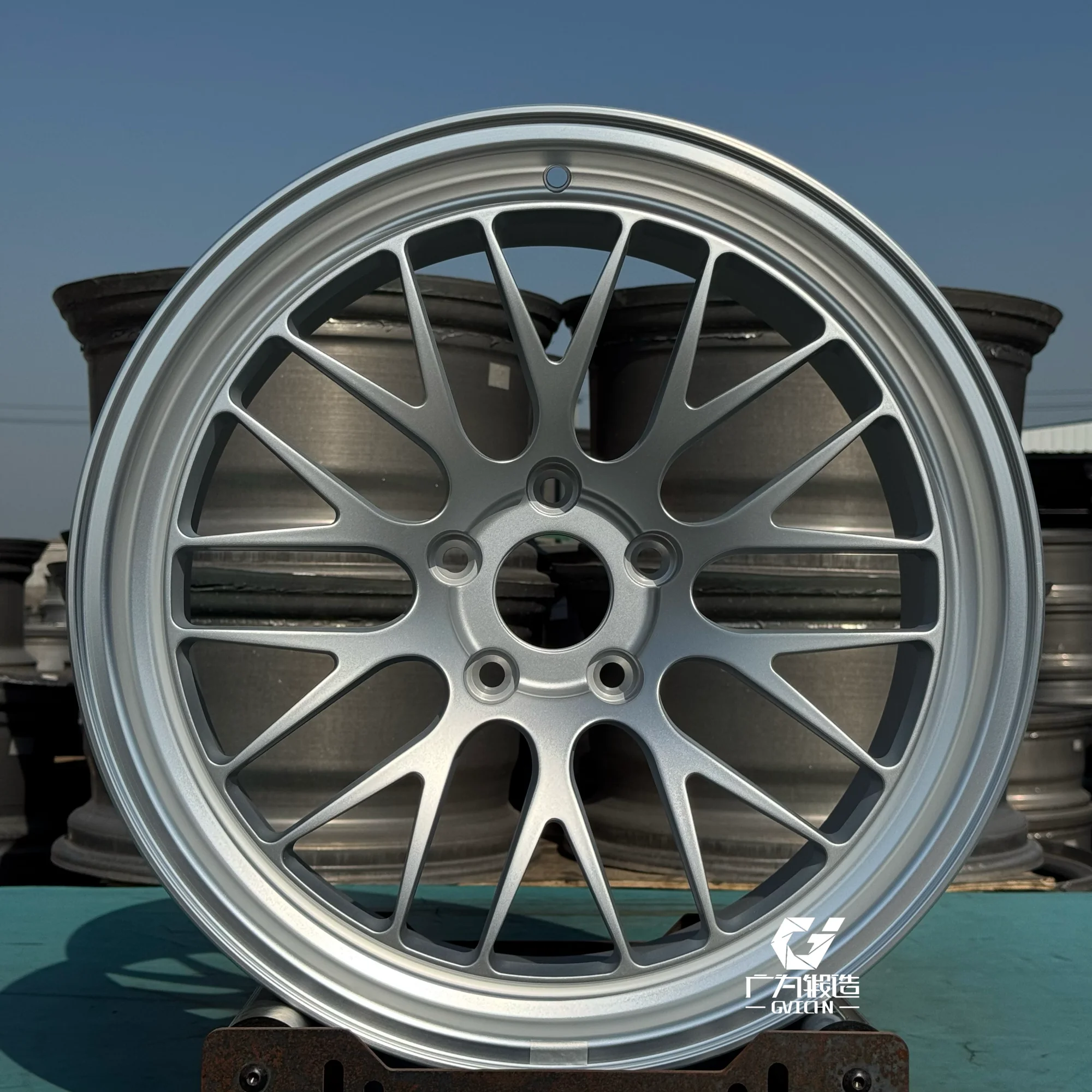
Процес ковања и наука о материјалима
Технике формирања под високим притиском
Производњи кованих точкова почиње са чврстим алуминијумским билетима који се подвргну екстремном притиску и топлотној обради како би се постигле њихове изузетне карактеристике. Током ковања, притисци који прелазе 10.000 тона компресирају алуминијумски материјал, елиминишући ваздушне џепове и стварајући густу, равномерну структуру зрна широм точкова. Овај процес фундаментално мења молекуларни распоред алуминијума, што резултира значајно побољшаним механичким својствима у поређењу са алтернативним ливкама. Окружење под високим притиском присиљава метална влакна да се ускладе у оптималним правцима, стварајући природни образац расподеле стреса који повећава целокупну интегритетност точкова.
Контрола температуре током процеса ковања игра кључну улогу у одређивању коначних својстава кованих точкова. Произвођачи пажљиво регулишу циклусе загревања како би осигурали прави проток материјала и задржали жељене металуршке карактеристике. Комбинација прецизног управљања температуром и контролисаног примене притиска ствара хомогену структуру која елиминише слабе тачке које се обично налазе у ливаним точковима. Овај научни приступ производњи осигурава да сваки производ ковано колеће испуњава строге стандарде квалитета и пружа доследне перформансе у различитим апликацијама.
Састав и својства алуминијумске легуре
Избор алуминијумских легура за коване точкове обично се фокусира на композиције које максимизују однос чврстоће и тежине, уз одржавање одличне обрадивости и отпорности на корозију. Премијум ковани точкови често користе алуминијумску легу 6061-Т6, која садржи магнезијум и силицијум као примарне легујуће елементе. Овај специфичан састав пружа изузетну чврстоћу на отпорности, обично већу од 45.000 PSI, док се одржавају карактеристике лагање неопходне за апликације високих перформанси. Т6 топлотна обрада додатно побољшава ова својства стварајући осадачно цвршћење које повећава и чврстоћу и издржљивост.
Напређени ковани точкови могу да имају специјалне композиције легура дизајниране за специфичне захтеве у погледу перформанси. Неки произвођачи развијају власничке формуле алуминијума које укључују елементе у траговима као што су бакар, хром или титан како би постигли циљана механичка својства. Ове пажљиво израђене легуре омогућавају кованим точковима да издржавају екстремна оптерећења, док се сведе на минимум тешке казне које би могле негативно утицати на динамику возила. Прецизна контрола састава легуре омогућава произвођачима да оптимизују точкове за различите примене, од високо перформансних уличних вожњи до професионалних тркачких окружења.
Карактеристике снаге и користи од перформанси
Структурна интегритет и расподела оптерећења
Превише чврстоће кованих точкова произилази из њихове рафиниране структуре зрна и одсуства порозности која обично утиче на алтернативне ливке. Током ковања, алуминијумски материјал развија континуиран ток зрна који следи контуре точкова, стварајући природне стазе за појачање који ефикасно распоређују оптерећење широм структуре. Ова оптимизована оријентација зрна омогућава кованим точковима да се носе са знатно већим оптерећењима без искушења концентрације стреса које би могле довести до неуспеха. Уклањање дефеката ливења као што су ваздушни мехурићи, инклузије и хладни затвор додатно побољшава укупни структурни интегритет ових прецизних компоненти.
Способности расподеле оптерећења кованих токова премашују индустријске стандарде за значајне марже, често показујући отпорност удара која надмашава ливене токове за 200-300%. Ова повећана чврстоћа омогућава агресивније конструкције репца и смањену дебелину материјала у некритичним областима, доприносећи укупном смањењу тежине без угрожавања безбедности или перформанси. Једноставна својства материјала широм ковани токови обезбеђује предвидиво понашање у различитим условима оптерећења, пружајући инжењерима поуздане параметре дизајна за оптимизацију.
Отпорност на умору и трајност
Отпорност на умору представља једну од најкритичнијих предности кованих точкова, посебно у захтевним апликацијама у којима се понављају циклуси оптерећења. Тешка, једнака структура настала током ковања елиминише микроскопске појачање стреса које служе као почетни тачки пукотина у нижеквалитетним точковима. Ова карактеристика омогућава кованим точковима да издржавају милионе циклуса оптерећења без развоја неуспјеха повезаних са умором, што их чини идеалним за апликације са великим километарским растојањем и вожњу. Лабораторна испитивања доследно показују да ковани точкови задржавају свој структурни интегритет много дуже од ливаних алтернатива под идентичним цикличним условима оптерећења.
Превише трајност кованих точкова доводи до продуженог живота и смањења захтева за одржавање за власнике возила. За разлику од ливаних точкова који се временом могу развити крпе или сломити на стресу, ковани точкови одржавају свој структурни интегритет током целог свог радног живота. Ова изузетна трајност постаје посебно важна у комерцијалним апликацијама где трошкови замене точкова и време простора значајно утичу на оперативну ефикасност. Инвестиције у коване токове често пружају дугорочну вредност кроз смањену учесталост замене и побољшану поузданост.
Предности лаганог дизајна
Смањење тежине кроз оптимизовану инжењерску технику
Легакост кованих точкова је резултат и супериорних својстава материјала и напредних могућности инжењерског дизајна. Повећана чврстоћа кованог алуминијума омогућава инжењерима да смање дебљину материјала у некритичним областима, уз одржавање потребних структурних перформанси. Овај процес оптимизације, често подржаван анализом коначних елемената, идентификује могућности за уклањање материјала без угрожавања безбедности или функционалности. Резултат је точкови који обично теже 20-30% мање од упоређених алтернатива, а истовремено нуде супериорне перформансне карактеристике.
Напређене производне технике омогућавају сложене геометрије и шупље конструкције које додатно смањују тежину кованих точкова. Прелепе материјалне особине омогућавају танке секције и агресивније уклањање материјала у областима где су концентрације стреса минималне. Неки произвођачи користе конструкције са више делова које оптимизују сваку компоненту за њену специфичну функцију, постижући још већу уштеду тежине. Ови инжењерски приступи показују како ковани точкови постижу оптимални однос снаге и тежине путем интелигентног дизајна, а не једноставно коришћењем више материјала.
Утицај на перформансе и ефикасност возила
Смањење тежине постигнуто кованим точковима пружа измериве побољшања у више аспеката перформанси возила, посебно у смањењу тежине без пружница које директно утиче на динамику управљања. Лажи точкови смањују ротациону инерцију, омогућавајући брже убрзање и побољшани одговор на кочење, док смањују напор на компоненте суспензије. Смањена тежина без пружина такође побољшава контакт гума са путевима, повећавајући привлачност и укупну стабилност возила. Ове предности у перформансама постају све приметне у апликацијама високих перформанси где свака килограма смањења тежине доприноси побољшању времена на кругу или ефикасности потрошње горива.
Побољшање економичности горива од лаких кованих токова резултира смањењем отпора ваљања и смањењем потреба за енергијом за убрзавање и кочење. Смањење ротационе тежине пружа посебно значајне предности јер ротациона маса захтева више енергије за убрзавање од стационарне масе. Истраживања показују да свака килограма смањења тежине у ротацији пружа користи еквивалентне уклањању четири килограма статичке тежине из возила. Овај однос чини коване точке ефикасном модификацијом за побољшање перформанси и ефикасности истовремено.
Квалитет и прецизност производње
Прецизност димензија и завршница површине
Процес ковања омогућава изузетну прецизност димензија у производњи точкова, са толеранцијама које прелазе захтеве за већину аутомобилских апликација. Контролисана деформација током ковања ствара прецизне димензије точкова који захтевају минималну обраду да би се постигле коначне спецификације. Ова прецизност се простире на критичне параметре као што су постављање рупе за бутање, површине монтаже јазбова и димензије рамена који директно утичу на равнотежу точкова и безбедност возила. Конзистентна димензионална контрола постигнута у производњи кованих токова елиминише многе проблеме квалитета повезане са производњом ливаног тока.
Квалитет површине кованих точкова надмашава лемљене алтернативе због густе, равномерне структуре материјала настале током процеса ковања. Недостатак порозности и површинских дефеката омогућава супериорну адхезију премаза и издржљивост завршног деловања. Многи ковани точкови захтевају минималну припрему површине пре наношења премаза, смањујући производне трошкове док побољшавају квалитет коначног изгледа. Побољшана интегритета површине такође доприноси бољој отпорности на корозију и дужи трајни естетски апел током целог радног живота точака.
Стандарди контроле квалитета и испитивања
Контрола квалитета производње кованих точкова укључује више стадијума инспекције како би се осигурала доследна квалитетна и безбедносна усогласност производа. Неразрушне методе испитивања као што су ултразвучна инспекција, флуоресцентно испитивање проналазача и рентгенско испитивање потврђују унутрашњи интегритет материјала током целог производњег процеса. Ови свеобухватни протоколи испитивања идентификују потенцијалне дефекте пре коначне монтаже, осигуравајући да само точкови који испуњавају строге стандарде квалитета стигну до крајњих корисника. Инвестиције у процесе контроле квалитета одражавају критичну безбедносну функцију коју кола обављају у аутомобилским апликацијама.
Индустријски стандарди за тестирање кованих точкова често прелазе минималне регулаторне захтеве, а произвођачи спроводе додатне процедуре валидације перформанси. Ови тестови могу укључивати продужено испитивање за умор, верификацију отпорности на ударе и процену отпорности на корозију под убрзаним условима. Свеобухватан приступ тестирању пружа поверење у перформансе точкова у различитим радним окружењима и обрасцима употребе. Многи произвођачи врхунских кованих точкова одржавају објекте за тестирање који симулишу екстремне услове рада како би потврдили трајност производа и безбедносне маржине.
Примене и сегменти тржишта
Апликације за перформансе и трке
Професионална трка представља најзахтљивију примену кованих точкова, где се комбинација минималне тежине и максималне чврстоће показује неопходном за конкурентни успех. Тркачке екипе се ослањају на коване токове како би издржале екстремна оптерећења која се стварају током брзе ускратања, јако кочење и брзо убрзавање, док се минимизира неодређена тежина која би могла угрозити динамику возила. Услед конзистентних карактеристика кованих точкова, возачи могу предвидети понашање у управљању и на то се ослањају за конзистентна времена и сигурно управљање на максималним брзинама.
У уличним апликацијама за перформансе значајно имају користи од предности које нуде ковани точкови, посебно у возилима високих перформанси где ентузијасти захтевају и естетску привлачност и функционалну надмоћ. Смањење тежине које се може постићи кованим точковима побољшава акцеларисање, кочење и управљање, што возачи који су оријентисани на перформансе целе током енергичне вожње. Многи произвођачи спортских аутомобила одређују коване токове као стандардну опрему на својим моделима са највишим перформансима, препознајући допринос који ове компоненте чине укупним могућностима возила и задовољству возача.
Пазари луксузних и премиум возила
Произвођачи луксузних возила све више прецизирају коване токове како би се разликовали њихови производи и пружали купцима супериорне перформансе и ексклузивност. Премијерно позиционирање кованих точкова усклађено је са вредностима луксузних брендова док пружа осетљиве предности у погледу квалитета вожње, прецизности управљања и естетске привлачности. Способност стварања сложених, карактеристичних дизајна са кованим точковима омогућава луксузним произвођачима да развију стилне елементе који ојачају идентитет бренда док пружају функционалне предности.
Схема луксузног повратног тржишта представља значајно тржиште за кола кована на основу купања, где захтевни купци траже јединствен дизајн и супериорне карактеристике перформанси. Користимни ковани точкови омогућавају власницима возила да персонализују своја возила док унапређују перформансне способности изван оригиналних спецификација опреме. Комбинација естетске флексибилности и побољшања перформанси доступних са кованим точковима чини их атрактивним за купце који захтевају и облик и функцију у својим аутомобилским модификацијама.
Često postavljana pitanja
Шта чини коване токове јачи од ливаних токова?
Ковани токови постижу врхујућу чврстоћу кроз производњини процес који подвргава алуминијумске билете екстремном притиску, обично већим од 10.000 тона. Ова формација под високим притиском елиминише ваздушне џепове и ствара густу, равномерну структуру зрна са изређеним металним влаканама која пружају природно појачање. Процес ковања такође елиминише уобичајене дефекте ливења као што су порозност, инклузије и хладни затвор који стварају слабе тачке у ливаним точковима. Резултатна материјална структура кованих токова може да се носи са 200-300% већим ударима у поређењу са ливеним алтернативама.
Колико се тежине може смањити кованим точковима?
Ковани токови обично постижу смањење тежине од 20-30% у поређењу са еквивалентним ливеним топовима, док задржавају супериорне карактеристике чврстоће. Ово смањење тежине произилази из могућности коришћења танких материјалних секција због побољшаних чврстоће својстава кованог алуминијума. Оптимизација је посебно ефикасна у смањењу неодређене тежине, где свака килограма смањења пружа предности у перформанси еквивалентне уклањању четири килограма статичке тежине из возила. Неке специјализоване апликације у тркама могу постићи још већу штедњу тежине уз помоћ напредних инжењерских техника.
Да ли су ковани точкови вредни додатних трошкова у поређењу са ливеним точковима?
Вредност кованих точкова зависи од намењених примена и приоритета перформанси. За вожњу оријентисану на перформансе, тркачке апликације или луксузна возила, предности у смислу смањене тежине, повећане чврстоће, побољшане управљања и продужене трајности често оправђују премију. Пребојна отпорност на умору и дужи животни век кованих точкова могу пружити дугорочну вредност кроз смањену учесталост замене. Међутим, за основне потребе транспорта где побољшање перформанси није приоритет, ливени токови могу пружити адекватну функционалност по нижим трошковима.
Који захтеви за одржавање имају ковани точкови?
Ковани токови обично захтевају мање одржавања од литећих алтернатива због њихове супериорне издржљивости и отпорности на оштећење. Редовно чишћење одговарајућим чистилима за токове помаже да се одржи изглед и спречи корозија, док се препоручује периодично прегледање оштећења, посебно након догађаја удара. Побољшана површина кованих точкова обично пружа бољу адхезију премаза и отпорност на корозију, продужујући интервали између захтева за рефиниш. Професионалне проверке балансирања и усклађивања треба да се обављају у складу са препорукама произвођача возила како би се осигурале оптималне перформансе и обрасце зноја гума.
Препоручени производи
 Топла вест
-
Производи од кованог угљеника
2024-05-21
-
Ковани офроуд аксесуари
2024-05-21
-
ГВИЦХН представио револуционарни ковани производ од два комада
2024-05-21
 Онлине