Kako lahko kovana jeklena kolesa izboljšajo ravnanje in odzivnost volana vašega vozila?
Upravljanje vozila in odziv volana sta ključna dejavnika zmogljivosti, ki neposredno vplivata na varnost vožnje, natančnost in celostno izkušnjo. Med različnimi sestavnimi deli, ki vplivajo na te dinamične lastnosti, kolesa igrajo presenetljivo pomembno vlogo, ki sega daleč čez njihovo estetsko funkcijo. Način izdelave, sestava materiala in konstrukcijska trdnost koles temeljito spremenita način, na katerega vozilo prenaša povratne informacije iz ceste vozniku ter kako reagira na ukaze volana. A zlepljeni kolesnik predstavlja tehnološki napredek pri izdelavi koles, ki omogoča merljive izboljšave pri upravljanju zaradi zmanjšane mase neobremenjenih delov, povečane konstrukcijske togosti in optimizirane porazdelitve mase. Razumevanje mehanskega razmerja med konstrukcijo koles in dinamiko vozila razkrije, zakaj vozniki, ki so usmerjeni v zmogljivost, in avtomobilski inženirji kolesa iz kovanega materiala sistematično prednostno izbirajo za uporabe, ki zahtevajo nadpovprečno kontrolno sposobnost in odzivnost.
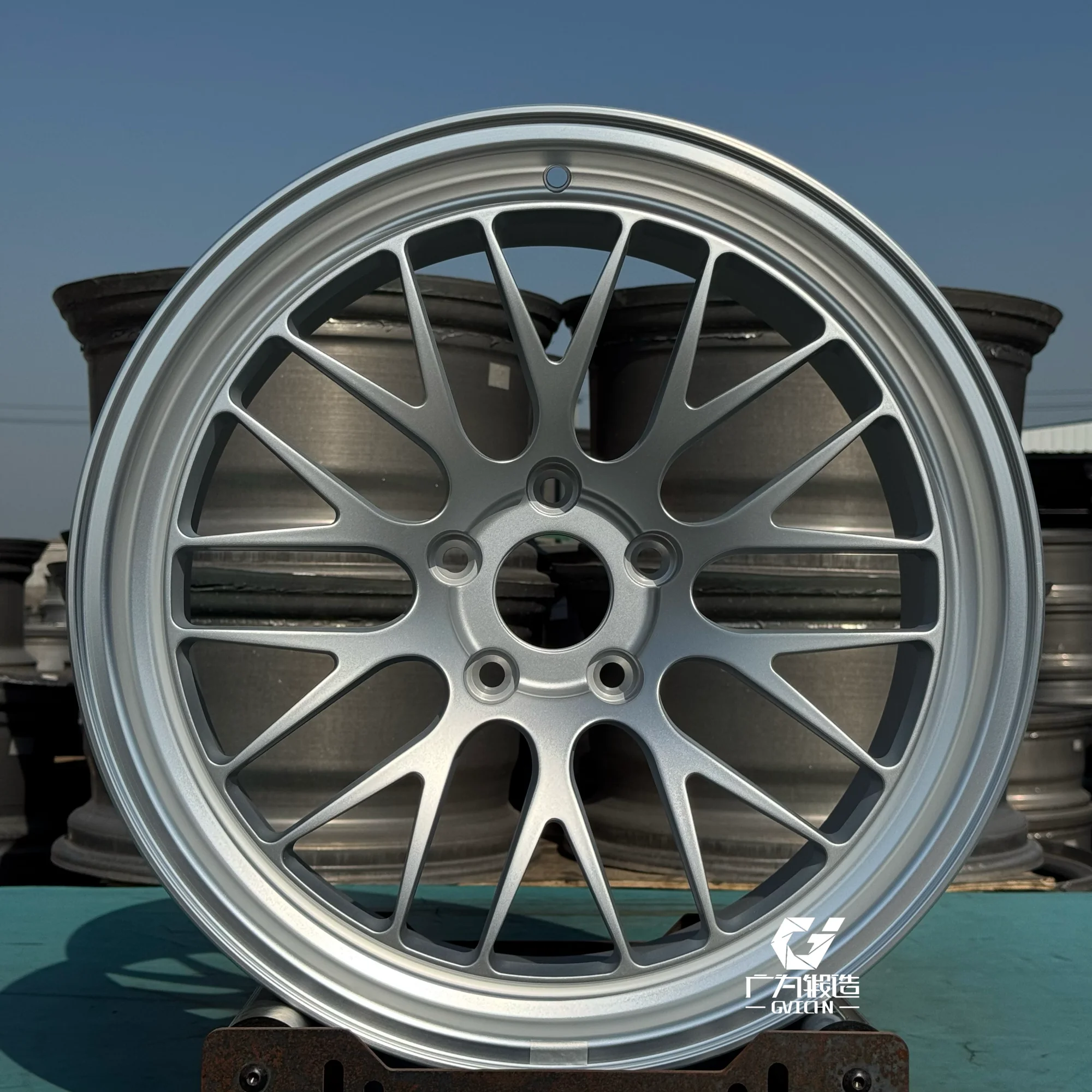
Povezava med maso kolesa in odzivom volana deluje prek osnovnih fizikalnih načel, ki uravnavajo gibanje vozila. Ko voznik začne zavijati, suspenzijski sistem mora pospešiti celotno sestavo kolesa v stranskem smeri, hkrati pa ohraniti stik pnevmatike z voziščem. Težja kolesa zahtevajo večjo silo za spremembo smeri, kar povzroča zakasnitev med ukazom za zavijanje in odzivom vozila. Ta zamik je še posebej opazen pri hitrih spremembah smeri, izrednih manevrih in zavijanju na visokih hitrostih. Kovan krogelni disk odpravi to omejitev tako, da doseže razmerje med trdnostjo in težo, ki ga litih ali tokovno oblikovanih koles ni mogoče doseči, kar povzroči takojšnje izboljšave natančnosti zavijanja in kakovosti povratne informacije, ki jih izkušeni vozniki zaznajo že v prvih obratih.
Mehanska načela, ki ležijo v ozadju prednosti kovanih koles
Zmanjšanje nespremljene mase in njen vpliv na dinamiko suspenzije
Nesprežena masa se nanaša na komponente, ki jih sistem vzmetenja vozila ne podpira, vključno s kolesi, gumami, zavornimi sklopi in deli vzmetnih drogov. Ta masa neposredno nasprotuje sposobnosti sistema vzmetenja, da ohranja stik pnevmatike z neravnimi cestnimi površinami. Ko kovano kolo zmanjša to maso za dvajset do trideset odstotkov v primerjavi s konvencionalnimi alternativami, se sistem vzmetenja hitreje prilagodi spremembam površine, kar omogoča, da ostane pnevmatika med cikli stiskanja in raztezanja trdno v stiku z voziščem. Ta izboljšana doslednost stika se odraža v napovedljivejšem obnašanju pri vožnji, še posebej po neravnih cestah, kjer tradicionalna težja kolesa omogočajo trenutno izgubo oprijema, ki moti linearnost volana.
Razmerje med nespremljeno maso in zmanskostjo vzmetenja sledi eksponentnemu, ne linearnemu vzorcu. Vsak kilogram, odstranjen s teže kolesa, prinaša napredujoče večje koristi, ko se skupna nespremljena masa zmanjšuje. Kosilno izdelano kolo običajno doseže zmanjšanje mase za štiri do osem kilogramov na vsako kolo v primerjavi z litimi aluminijastimi koli iste velikosti in oblikovne izvedbe. Na vseh štirih količah to pomeni zmanjšanje mase za šestnajst do dvaintrideset kilogramov, kar omogoča amortizerjem in vzmetim, da nadzorujejo gibanje koles z bistveno manjšim naporom ter tako ohranjajo pot vzmetenja za dejanske neravnine ceste namesto, da porabljajo energijo za nadzor vztrajnosti koles. Praktični rezultat je gladka vožnja v kombinaciji z ostrišo reakcijo pri vožnji – kombinacija, ki jo tradicionalni dizajni koles težko dosegajo hkrati.
Zmanjšanje vrtilne vztrajnosti in odziv pri pospeševanju
Poleg preprostega zmanjšanja mase ima tudi razporeditev mase znotraj zlepljeni kolesnik znatno vpliva na vrtilno vztrajnost, ki določa, kako enostavno kolo pospešuje in zavira. Masa, ki je oddaljena od vrtilne osi, za zavrtitev ali zaviranje zahteva eksponentno več energije. Proizvodne metode, uporabljene pri izdelavi kovanih koles, omogočajo inženirjem, da material natančno koncentrirajo tam, kjer strukturne zahteve to zahtevajo, hkrati pa zmanjšajo maso na zunanjem premeru kolesa. Ta optimizirana porazdelitev mase zmanjša vrtilno vztrajnost za večji odstotek, kot bi to nakazovalo samodejno zmanjšanje mase, kar povzroči opazne izboljšave pri odzivu na plin, učinkovitosti zaviranja ter sposobnosti vozila, da sledi hitrim ukazom za obračanje volana v dinamičnih vožnji.
Učinki zmanjšane vrtilne vztrajnosti postanejo še posebej opazni med prehodnimi manevri, kot so slalomski tečaji ali hitre spremembe voznega pasu. Nižja vrtilna vztrajnost pomeni, da se stična površina pnevmatike lahko hitreje prilagodi novim bočnim obremenitvenim vektorjem, ne da bi morala premagovati vztrajnost težkega kolesnega oboda. Ta lastnost omogoča, da geometrija obešanja deluje učinkoviteje in ohranja optimalne kote naklona skozi vse dogodke prenosa teže. Voziči to izkušajo kot povečano samozavest pri agresivnem zavijanju, pri čemer vozilo izgleda bolj voljno pri spreminjanju smeri brez počasnega občutka, ki je pogost pri težjih kolesnih sklopih. Skupni učinek zmanjšane vrtilne vztrajnosti na vseh štirih kolesih temeljito spremeni dinamično osebnost vozila, kar ga naredi bolj gibljivega in odzivnejšega na ukaze voznika.
Konstrukcijska togost in natančnost povratne informacije pri volanu
Kovana kolesa kažejo bistveno višjo strukturno togost kot litinske alternativne rešitve zaradi poravnave zrnaste strukture, ki jo dosežemo med kovanjem. Ta togost neposredno vpliva na kakovost povratnega signala volana tako, da zmanjša upogibanje pod bočno obremenitvijo. Ko se pri zavijanju kolo izpostavi silam, vsako upogibanje absorbira energijo in uvede poddajnost, ki zamegli neposredno mehansko povezavo med cestno površino in volanom. Toga kovana kolesa prenašajo teksturo ceste, obnašanje pnevmatik in spremembe oprijema z minimalno distorzijo ter tako vozniku zagotavljajo natančne podatke v realnem času o ravni oprijema in stanju cestne površine. Ta izboljšana povratna informacija omogoča natančnejše postavljanje vozila ter zgodnejše zaznavanje približevanja mejam oprijema – ključna dejavnika tako za vožnjo z visokimi zmogljivostmi kot za izogibanje nesrečam v izrednih situacijah.
Molekularna struktura kovanega kolesa izhaja iz stiskanja aluminijaste palice pod izjemnim tlakom, pri čemer se meje zrn poravnajo vzdolž poti napetosti namesto da bi ostale naključno usmerjene, kot je to pri litih postopkih. Ta poravnava ustvari mehanske lastnosti, ki se približujejo lastnostim letalsko-kosmičnih komponent, pri čemer vrednosti meje tekočosti pogosto presegajo 450 MPa v primerjavi z 220–280 MPa pri tipičnih litih kolesih. Višja meja tekočosti pomeni manjšo deformacijo pri enakih obremenitvah in ohranja natančno geometrijsko razmerje med pnevmatiko, kolesom in elementi obešalnega sistema. Med intenzivnim vožnjo v ovinkih ta togost preprečuje drobne, a kumulativne spremembe geometrije, ki poslabšajo natančnost ravnanja, kar zagotavlja, da obešalni sistem deluje znotraj svojih načrtovanih parametrov tudi pod izjemnimi bočnimi pospeški, ki bi ogrozili manj trpežne konstrukcije koles.
Optimizacija razporeditve mase z naprednimi kovalnimi tehnologijami
Prilagodljivost oblikovanja špic in inženirstvo poti obremenitve
Kovanski proces omogoča oblikovanje radij, ki jih zaradi omejitev litja ni mogoče izvesti, kar inženirjem omogoča optimizacijo poti obremenitve v skladu z dejanskimi vzorci razporeditve napetosti. Kovani kolesi lahko imata radije z variabilnim presekom, ki material natančno postavita tja, kjer se koncentrirajo sile, hkrati pa zmanjšata maso v območjih z majhno obremenitvijo. Ta inženirska svoboda rezultira v kolesih, ki dosegajo ciljne specifikacije trdnosti pri nižji skupni teži kot lite konstrukcije, ki za proizvodno zanesljivost zahtevajo enakomerno debelino. Napredna analiza končnih elementov vodi oblikovanje radijev tako, da učinkovito prenesejo zaviralni navor, bočne obremenitve pri zavijanju in navpične udarne obremenitve z minimalno uporabo materiala, kar neposredno prispeva k izboljšani vožnji zaradi zmanjšane nespremljane mase.
Napredne zgorovane konstrukcije koles pogosto vključujejo profilirane, podrezane rebra in zapletene trodimenzionalne geometrije, ki izboljšajo tako strukturno učinkovitost kot aerodinamsko zmogljivost. Te značilnosti zmanjšujejo turbulentni tok zraka okoli kolesa in s tem zmanjšujejo upor ter izboljšujejo učinkovitost hlajenja zavor. Boljše hlajenje zavor ohranja stalno občutek na zavorni pedal med daljšim vožnjo v športnem slogu, kar posredno podpira odlično ravnanje z vozilom, saj zagotavlja predvidljivo delovanje zavor. Možnost inženirsko oblikovati rebra, ki hkrati opravljajo več funkcij, kaže, kako tehnologija zgorovanih koles zagotavlja skupne koristi, ki segajo dlje od preproste zmanjšitve mase, in s tem obravnava dinamiko vozila iz več medsebojno povezanih vidikov, ki skupaj izboljšujejo ravnanje in odziv volana.
Oblika bobna in natančnost sedeža plastičnega obroča pnevmatike
Del cevi kovanega kolesa ohranja ožje dimenzijske tolerance kot litinske alternativne rešitve, kar zagotavlja dosledno sedežno površino za obroč gume in vpliva na ravnanje s povečano koncentričnostjo med gumo in kolesom. Celo majhna odstopanja od osi vrtenja ali nepravilni sedeži za obroč lahko povzročijo dinamično neravnovesje in subtilne vibracije, ki poslabšajo natančnost volana, zlasti pri avtocestnih hitrostih. Kovanski postopki naravno ustvarjajo gladkejše površine in enotnejše dimenzije, kar zahteva manj popravkov z rezanjem, hkrati pa dosežejo izjemne specifikacije okroglosti. Ta natančnost zagotavlja, da guma deluje tako, kot je bila zasnovana, pri čemer se geometrija stične površine ohrani dosledno skozi celoten cikel vrtenja, kar odpravi virje vibracij, ki slabšajo občutek pri vodenju in zaupanje voznika.
Sodobna izdelava kovanih koles vključuje natančno nadzorovanje nagiba oboda in oblikovanja izbokline na obroču, kar sta značilnosti, ključne za ohranjanje položaja pnevmatike med agresivnim zavijanjem. Ko bočne sile poskušajo sprostiti obroč pnevmatike, ti tehnično oblikovani elementi zagotavljajo mehansko zadrževanje, ki preprečuje izgubo zraka in ohranja pravilno stik pnevmatike z diskom. Konstruktivna trdnost kovanega kolesa omogoča, da so ti elementi zadrževanja bolj izraženi brez dodatnega prekomernega povečanja mase, kar zagotavlja dodatni varnostni pas pri ekstremnih voznih razmerah. Ta zanesljivost voznikom daje samozavest, da lahko raziskujejo meje ravnanja, saj vedo, da bo osnovni stik med kolesom in pnevmatiko ohranil svojo celovitost tudi ob približevanju najvišjim mejam bočnega oprijema, pri katerih bi manj kakovostne sklope koles ogrozile njihovo funkcionalnost.
Lastnosti materiala in njihov vpliv na dinamično obnašanje
Izbira aluminijastih zlitin in učinki toplotne obdelave
Aluminijeve zlitine, izbrane za izdelavo kovanih koles, običajno 6061-T6 ali specializirane različice, so podvržene toplotnim obdelavam, ki bistveno izboljšajo mehanske lastnosti v primerjavi z litimi aluminijevimi zlitinami. Te obdelave vključujejo toplotno obdelavo v raztopini, sledi umetno staranje, pri čemer se v aluminijevi matriki izločajo trdilne spojine. Nastali material kaže izjemno odpornost proti utrujanju, kar je ključnega pomena za komponente, ki so v času njihovega življenjskega cikla izpostavljene milijonom ciklov napetosti. Kovano kolo iz ustrezno toplotno obdelanega aluminija ohranja strukturno celovitost in dimenzijsko stabilnost znatno dlje kot litovske alternativne rešitve, kar zagotavlja dosledne lastnosti ravnanja tudi ob daljšem obdobju lastništva vozila.
Tepelna obdelava vpliva tudi na elastični modul materiala, kar vpliva na odziv kolesa na prehodne obremenitve med dinamičnim vožnjo. Višji elastični modul pomeni manjšo deformacijo pod obremenitvijo in tako ohranja natančnost poravnave pnevmatik med prenosom teže. Ta lastnost je še posebej koristna pri zaviranju v zavojih („trail braking“), kjer hkratni vnos zaviranja in krmiljenja ustvarjajo zapletene vektorje obremenitve. Kovan krogel z optimiziranimi lastnostmi materiala ohranja geometrijsko stabilnost skozi te prehode, kar omogoča delovanje vzmetenja takšno, kot je bilo zasnovano, brez potrebe po kompenzaciji deformacije kolesa. Skupni učinek skozi več zavoje med živahno vožnjo se kaže v bolj konstantnih časih kroga in večji zaupanju voznika v predvidljivost obnašanja vozila.
Upravljanje toplote in integracija zavornega sistema
Lastnost materiala in konstrukcijski načrt kovanega kolesa vplivata na toplotno upravljanje okoli zavornih komponent, posredno pa s tem tudi na vožnjo prek dosledne zavorne zmogljivosti. Relativno tanke stene bobna, ki jih omogoča kovanje, omogočajo večji pretok zraka do zavornih plošč in prijemalcev, medtem ko termična prevodnost materiala pomaga odvajati toploto iz zavornega sklopa. Dosledne zavorne temperature ohranjajo predvidljive koeficiente trenja in preprečujejo zavorni umik med zahtevnimi vožnji. Zanesljiva zavorna zmogljivost podpira izvirno vožnjo, saj vozniku omogoča natančno regulacijo hitrosti v ovinkih ter ohranjanje optimalnih kotov drsenja pnevmatik, kar maksimizira oprijem med fazo vožnje po ovinku.
Nadgradnja z radiji, značilna za kovane kolesa, omogoča inženirjem ustvarjanje odprtih arhitektur, ki usmerjajo hladilni zrak neposredno na zavorne komponente, ne da bi ogrozili strukturne zahteve. Nekatere visokoproduktivne konstrukcije kovanih koles vključujejo smerne vzorce radijev, ki aktivno črpajo zrak skozi sestavo kolesa med njegovim vrtenjem in s tem ustvarjajo prisilno konvekcijo za hlajenje, kar znatno zniža temperaturo zavor. Ta sposobnost termičnega upravljanja postane ključna pri vožnji na dirkališču ali pri spuščanju po gorskih poteh, kjer bi ponavljajoče se močne zaviranje sicer preseglo zmogljivost zavor. S tem, da ohranja učinkovitost zavornega sistema, kovano kolo posredno ohranja ravnotežje vožnje in odzivnost volana, ki sta pritegnila voznike k vozilom z izboljšanimi voznimi lastnostmi že od samega začetka.
Dejanske izboljšave pri vožnji v različnih voznih scenarijih
Mestna vožnja in manevriranje pri nizkih hitrostih
Celó pri vsakodnevnih urbanih vožnji kovana kolesa zagotavljajo opazne izboljšave pri manevriranju na nizkih hitrostih in natančnosti parkiranja. Zmanjšana vrtilna vztrajnost zahteva manj naporov pri obračanju volana med ostro zavijanjem in parkiranjem, hkrati pa izboljšana povratna informacija jasneje sporoča razdaljo do robnika. Vozniki poročajo o večji samozavesti pri vožnji skozi ozke prostore in izvajanju vzporednega parkiranja, kar pripisujejo izboljšani komunikaciji preko volana, ki jim pomaga natančneje ocenjevati razdalje. Manjša nespremljena masa tudi zmanjšuje udarne obremenitve ob prehodu čez luknje na cesti ali prevozu pregrad, saj suspenzija učinkoviteje absorbira te motnje, ne da bi prenašala trde udarce skozi konstrukcijo vozila.
Izboljšan odziv volana se zlasti pokaže pri izogibnih manevrih v izrednih primerih v urbanih okoljih, kjer nenadoma pojavljajoči se oviri zahtevajo takojšnje spremembe smeri. Kovan krmilni krog omogoča vozilu hitrejši odziv na panike krmilne ukaze, kar lahko zmanjša resnost nesreče ali celo prepreči trk. Ta varnostna prednost izhaja iz skupnega učinka zmanjšane mase, optimizirane togosti in natančnih proizvodnih toleranc, ki skupaj zmanjšujejo zakasnitev med ukazom voznika in odzivom vozila. Čeprav se ti razliki med običajnim vožnjo morda zdijo subtilne, predstavljajo pomembne varnostne meje v nepričakovanih izrednih situacijah, ki določajo razliko med skoraj nesrečo in dejansko trkom.
Stabilnost na avtocestah in samozavest pri vožnji s hitrostjo
Pri hitrostih na avtocestah kovana jeklena kolesa prispeva k izboljšani stabilnosti zaradi odlične uravnoteženosti in zmanjšane občutljivosti na bočne vetre. Ožji proizvodni dopustni odmiki, ki so značilni za postopek kovanja, povzročijo, da kolesa zahtevajo minimalno težo za uravnoteženje, kar zmanjšuje virje vibracij, ki se pri višjih hitrostih okrepijo. Ta gladkost se odraža v zmanjšanih vibracijah volana in bolj linearnem odzivu volana, kar voznikom omogoča, da ohranijo željeno smer z minimalnimi popravnimi vnosmi. Zmanjšana masa zunanjih delov suspenzije omogoča tudi boljše nadzorovanje aerodinamskega dvigovanja in turbulenc, ki jih povzročajo vozila, ki mimo vozijo, ter ohranja stalni tlak stika pnevmatik z voziščem, kar ohranja natančnost ravnanja tudi v zahtevnih razmerah na avtocestah.
Konstrukcijska celovitost kovanega kolesa postane še posebej pomembna pri dolgotrajnem vožnji s hitrostjo, kjer centrifugalne sile obremenjujejo sestavne dele kolesa. Manj kakovostna kolesa se lahko pod takšnimi pogoji postopoma deformirajo, kar povzroči nujne spremembe v uravnoteženosti in nenavadnosti pri volanu. Kovano kolo ohranja svojo natančno geometrijo tudi pri daljšem vožnji s hitrostjo, kar zagotavlja dosleden odziv volana med dolgimi vožnjami po avtocestah. Ta zanesljivost je še posebej pomembna za vozila, ki jih redno uporabljajo na nemških avtocestah (autobahn) ali pri prečnozemeljskih potovanjih, kjer utrujenost voznika in zmanjšana pozornost lahko naredita tudi majhno poslabšanje ravnanja nevarno. Zaupanje, ki ga navdaja dosledno in predvidljivo obnašanje vozila, zmanjšuje stres voznika in podpira varnejše potovanje na dolge razdalje.
Vožnja za izvirno zmogljivost in uporaba na dirkališču
V kontekstih vožnje z visokimi zmogljivostmi, bodisi na specializiranih dirkališčih ali zahtevnih gorskih cestah, se prednosti kovanih koles dramatično izpostavijo. Kombinacija zmanjšane nespremljane mase, optimizirane togosti in nadrejene toplotne upravljanja omogoča voznikom ohranjanje višjih hitrosti v ovinkih ter večjo natančnost pri postavljanju vozila. Vožnja, usmerjena v dirkališča, prinaša izboljšano doslednost krogov, kar vozniki pripisujejo napovedljivejšemu ravnanju in boljši povratni informaciji o približevanju mejam oprijema. Možnost zgodnejšega zaznavanja subtilnih sprememb oprijema omogoča gladkejše vožnje, ki ohranjajo življenjsko dobo gum, hkrati pa ohranjajo konkurenčno hitrost – kar dokazuje, kako kovana kolesa zagotavljajo tako prednosti v zmogljivosti kot tudi v učinkovitosti.
Prednost izdelanih koles glede trajnosti se izkaže za ključno pri uporabi na dirkališču, kjer kombinacija visokih hitrosti, močnega zaviranja in stranske obremenitve ustvarja izjemno napetostne pogoje. Litina kolesa lahko po večkratni uporabi na dirkališču razvijejo napetostne razpoke ali trajno deformacijo, kar postopoma poslabša natančnost vožnje. Izdelano kolo zdrži te zahteve z minimalnim obrabljanjem in ohranja izvirne specifikacije tudi po desetih dirkališčnih dneh. Ta dolga življenska doba zmanjšuje skupne stroške vožnje z namenom dosega najvišjih zmogljivosti, saj preprečuje predčasno zamenjavo koles in zagotavlja dosledno obnašanje vozila, kar voznikom omogoča, da se osredotočijo na razvijanje svojih veščin namesto na kompenzacijo spreminjajočih se lastnosti opreme. Zanesljivost konstrukcije izdelanih koles v ekstremnih pogojih končno podpira tako varnostne kot zmogljivostne cilje.
Integracija z modernimi avtomobilskimi sistemi in tehnologijami
Kompatibilnost z elektronskim sistemom za stabilnost in aktivnimi varnostnimi sistemi
Sodobna vozila močno zanašajo na elektronske sisteme za nadzor stabilnosti, ki neprekinjeno spremljajo hitrost vrtenja koles, kot volana in stransko pospeševanje, da zaznajo in odpravijo morebitno izgubo nadzora. Ti sistemi delujejo najučinkoviteje, kadar se sklopi koles predvidljivo odzovejo na nadzorne ukaze – lastnost, ki jo izboljša tehnologija kovanih koles. Zmanjšana vrtilna vztrajnost in dosledno strukturno obnašanje kovanega kolesa omogočata sistemom za nadzor stabilnosti manjše in natančnejše posege, s čimer ohranjajo stabilnost vozila brez motečih popravkov, ki jih včasih zahtevajo težji in manj togi sklopi koles. Ta sinergija med mehanskimi in elektronskimi sistemi rezultira bolj izdelano vožnjo, pri kateri varnostni posegi manj spominjajo na računalniški nadzor in več na naravno obnašanje vozila.
Napredni sistemi za pomoč vozniku, vključno z ohranjanjem v pasu in prilagodljivim tempomatov, prav tako profitirajo od izboljšane natančnosti volana, ki jo omogočajo kovane jeklene felge. Ti sistemi se zanašajo na natančno izvedbo ukazov za volan, da ohranjajo vozilo v pasu in varno prehajajo ovine pri ustrezni hitrosti. Ko kovana felga zmanjša mehansko zakasnitev med ukazanim in dejanskim kotom volana, lahko ti avtomatizirani sistemi delujejo z ožjimi tolerancami in gladkimi popravki. Rezultat je avtomatizirana pomoč pri vožnji, ki se čuti bolj naravno in s tem ustvarja več zaupanja pri vozniku ter spodbuja primerno uporabo teh varnostnih tehnologij. Ko se vozila razvijajo proti višji stopnji avtomatizacije, postaja mehanska natančnost, ki jo omogočajo komponente, kot so kovane felge, vedno pomembnejša za brezhibno integracijo med človeškim in strojnim nadzorom, kar določa napredne izkušnje pri vožnji.
Optimizacija tehnologije gum in upravljanje stičnega območja
Tehnologija visokoprizmernih pnevmatik se je izjemno razvila, saj sodobne mešanice in načini izdelave zagotavljajo izjemno oprijem. Vendar se te zmogljivosti lahko izkoristijo le takrat, ko pnevmatika deluje znotraj svojih načrtovanih parametrov, kar zahteva kolesa, ki ohranjajo natančno geometrijo pri vseh obremenitvenih pogojih. Kosilo kolo zagotavlja stabilno montažno površino, potrebno za to, da napredne pnevmatike dosežejo svoj potencial glede zmogljivosti, pri čemer ohranjajo ustrezne kote naklona (camber) in obliko stične površine skozi celoten dinamični obseg obratovanja vozila. Ta združljivost med tehnologijo koles in pnevmatik zagotavlja, da se naložbe v visokokakovostne pnevmatike s premočjo izražajo v merljivih izboljšavah ravnanja, namesto da bi bile oslabljene zaradi nezadostne togosti koles ali prevelike mase.
Interakcija med kovano kolesno diskom in sodobno tehnologijo gum postane še posebej pomembna pri gumnah za vožnjo brez tlaka in zelo visokih zmogljivosti, ki pogosto imajo trša boka in nižje razmerja višine profila. Te konstrukcije gum sile neposredneje prenašajo na kolo, kar naredi strukturno celovitost in natančnost kolesa vedno bolj kritični. Kovano kolo te povečane obremenitve zdrži brez deformacije, kar omogoča gumi, da ohrani željeno obliko stične površine tudi pri izjemno velikih obremenitvah v ovinkih. Ta mehanska sodelovanja napredne tehnologije gum in koles predstavlja trenutno najvišjo raven razvoja v področju dinamike vozil in kaže, kako kovana kolesa delujejo kot omogočujoča tehnologija za širši razvoj zmogljivosti podvozij.
Pogosto zastavljena vprašanja
Koliko teže lahko kovano kolo prihrani v primerjavi s standardnimi litimi kolesi?
Kovana kolesa običajno težijo dvajset do trideset odstotkov manj kot ustrezna litinska aluminijasta kolesa istega premera in podobne oblikovne zapletenosti. Pri običajnem 19-palčnem kolesu za visokonapetostno vožnjo to pomeni zmanjšanje mase za štiri do osem kilogramov na kolo oziroma šestnajst do trideset dva kilogramov na vseh štirih kolesih. Natančno zmanjšanje mase je odvisno od primerjanih konkretnih konstrukcij, premera in širine koles ter konstrukcijskih zahtev. Nekatere zelo lahke konstrukcije kovanega kolesa dosežejo še večje zmanjšanje mase z uporabo naprednih geometrij rebrov in tehnik optimizacije materiala, ki jih litje ne more izvesti.
Ali bom takoj po namestitvi kovanega kolesa opazil izboljšave pri vožnji?
Večina voznikov poroča takoj opazne izboljšave pri odzivnosti volana in gibljivosti vozila po namestitvi kovanega kolesa, zlasti pri prvih obratih in spremembi voznih pasov. Zmanjšana masa zunanjih delov suspenzije in vrtilna vztrajnost ustvarita bolj odzivno občutek, ki ga izkušeni vozniki zaznajo že v prvih minutah vožnje. Vendar se polna merila izboljšav pri ravnanju s časom postanejo bolj očitna, ko vozniki preizkusijo različne vožnje – od vožnje po avtocestah in dinamičnega vožnje v ovinkih do izrednih manevrov. Vozniki, ki svoja vozila pogosto upravljajo blizu meja ravnanja, običajno poročajo najbolj dramatične izboljšave; tudi konzervativni vozniki pa opazijo izboljšano kakovost vožnje in natančnost volana v vsakodnevnih vožnjah.
Ali kovana kolesa zahtevajo posebno vzdrževanje, da se ohranijo prednosti pri ravnanju?
Kovane kolesa ne zahtevajo posebne vzdrževalne nege poleg običajnih praks za nego koles, vključno z rednim čiščenjem, občasnimi preverjanji uravnoteženosti in vizualnim pregledom po poškodbah. Konstrukcijska trdnost in odpornost proti koroziji pravilno končanih kovanih koles jih dejansko naredi bolj trajnostna kot lite alternativne rešitve, kar ohranja njihove lastnosti glede zmogljivosti skozi dolgo življenjsko dobo. Vendar postane ohranjanje ustrezne tlaka v pnevmatikah in specifikacij usmeritve še pomembnejše pri kovanih kolesih, saj njihova nadpovprečna natančnost omogoča voznikom, da zaznajo subtilne spremembe v ravnanju, ki bi ostale nepazljive pri manj odzivnih sestavah koles. Redna zamenjava položaja pnevmatik in preverjanja usmeritve zagotavljata, da vozilo nadaljuje z optimalnim odzivom pri ravnanju, ki je bil glavni razlog za nadgradnjo na kovana kolesa.
Ali kovana kolesa izboljšajo tudi gorivno učinkovitost poleg izboljšane zmogljivosti pri ravnanju?
Zmanjšanje mase z uporabo kovanih koles res prispeva k skromnim izboljšavam gorivne učinkovitosti, čeprav je učinek relativno majhen v primerjavi z drugimi spremembe za varčevanje z gorivom. Zmanjšana vrtilna vztrajnost pomeni, da motor porabi manj energije za pospeševanje in zaviranje kolesnih sklopov, medtem ko manjša nespremljena masa nekoliko zmanjša energijo, ki jo absorbira gibanje suspenzije. V praksi se izboljšave gorivne učinkovitosti običajno gibljejo med eno in tri procente, odvisno od načina vožnje; največje koristi so opazne pri mestni vožnji, ki vključuje pogoste cikle pospeševanja in zaviranja. Čeprav sami prihranki goriva redko opravičijo investicijo v kovana kolesa, predstavljajo koristno sekundarno prednost, ki dopolnjuje primarne izboljšave ravnanja in zmogljivosti, ki večini kupcev omogočajo izbiro tehnologije kovanih koles.
Priporočeni izdelki
 Tople novice
-
Izdelek iz kovanega ogljika
2024-05-21
-
Izmišljeni terenski pribor
2024-05-21
-
GVICHN predstavi revolucionarni ponarejeni proizvod iz dveh delov
2024-05-21
 SPLETNO