Prečo je kovaný disk najlepšou voľbou pre výkonné jazdenie a jazdu na okruhu?
Vysokovýkonné jazdenie a jazda na pretekovej dráhe vyžadujú vybavenie, ktoré vydrží extrémne podmienky, zabezpečuje presné ovládanie a zvyšuje celkovú dynamiku vozidla. Medzi kritické komponenty, ktoré oddelujú vynikajúci výkon od priemernosti, patria kolesá, ktoré zohrávajú kľúčovú úlohu pri určovaní zrýchlenia, účinnosti brzdenia, stability v zákrutách a odvádzania tepla. Pre nadšencov a profesionálnych vodičov, ktorí svoje vozidlá vytáčajú na maximálne limity na pretekových dráhach, autocross tratiach alebo živých horských cestách, sa voľba konštrukcie kolesa stáva rozhodujúcim faktorom dosiahnutia optimálneho výkonu. kuželované koleso sa v tejto oblasti vyprofiloval ako nezvratný šampión, ponúkajúc jedinečnú kombináciu pevnosti, zníženia hmotnosti a štrukturálnej integrity, ktorú alternatívy z liatiny alebo tokovo tvoreného materiálu jednoducho nedokážu dosiahnuť.
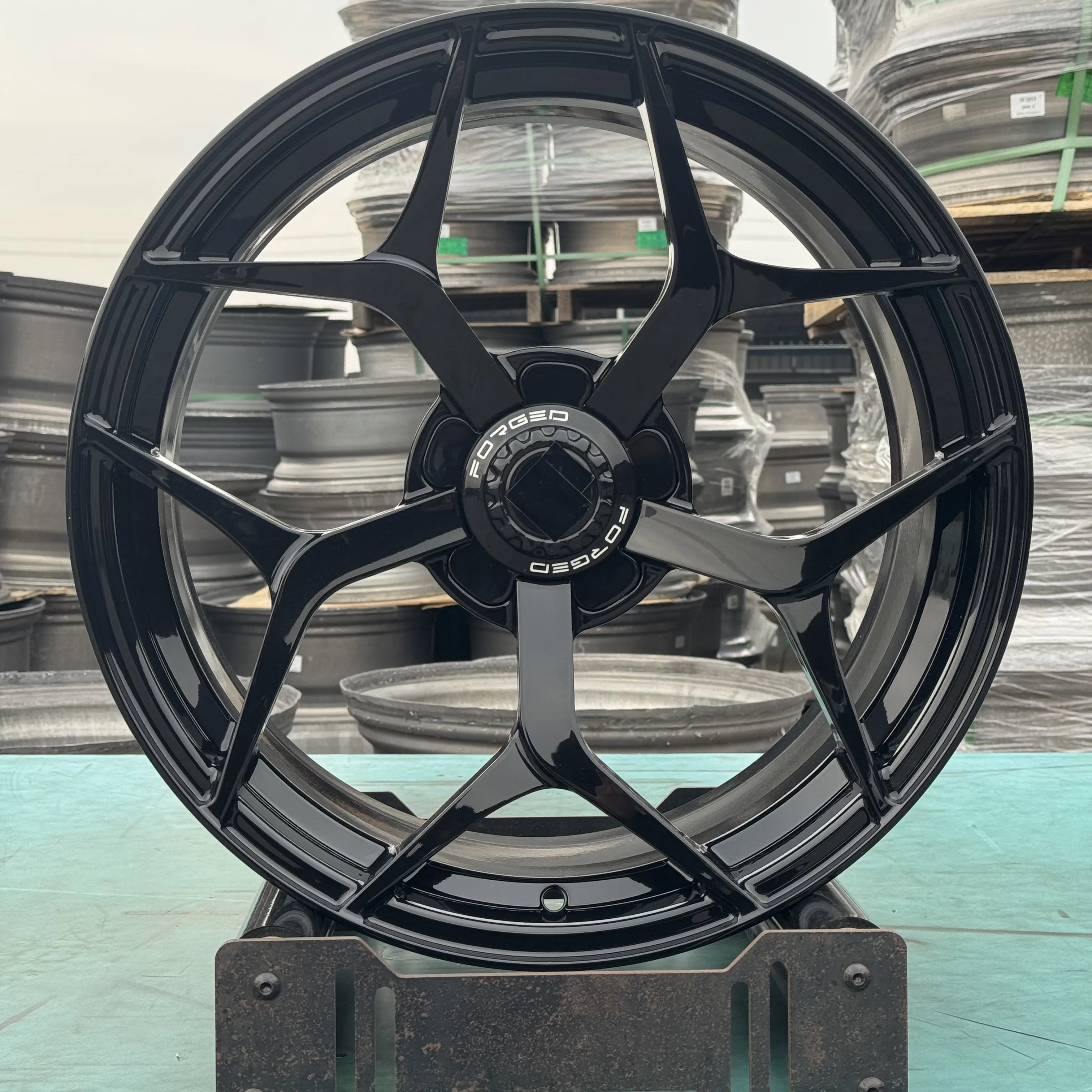
Nadradenosť kovaného kolesa v aplikáciách s vysokým výkonom vyplýva z fundamentálnych rozdielov v výrobných procesoch a materiálovej vedy. Na rozdiel od liatia, pri ktorom sa roztavený hliník vlieva do foriem, kovanie pôsobí obrovským hydraulickým tlakom na pevné hliníkové polotovary a stláča ich zrnitú štruktúru do výnimočne hustej a uniformnej matrice. Tento proces odstraňuje pórovitosť, vnútorné dutiny a slabé miesta, ktoré trápia liate kolesá, a vytvára súčiastku schopnú zvládnuť obrovské sily vznikajúce pri agresívnom jazdení. Keď vozidlá zažívajú bočné zrýchlenia (g-sily) presahujúce 1,5 g pri rýchlostnom prechádzaní zákrut, opakovane sa vystavujú tepelným cyklom spôsobeným teplom brzd dosahujúcim 800 °C a absorbujú nárazy od okraja pretekovej dráhy, stávajú sa konštrukčné výhody technológie kovaných kolies nielen výhodné, ale nevyhnutné pre bezpečnosť a konzistentný výkon.
Inžiniersky základ nadradenosti kovaných kolies
Hustota materiálu a optimalizácia zrnitej štruktúry
Výrobný proces kovaného kolesa zásadne mení hliníkovú zliatinu na molekulárnej úrovni a vytvára materiálové vlastnosti, ktoré nie je možné napodobniť inými výrobnými metódami. Keď sa pevný hliníkový polotovar zliatiny 6061-T6 podrobí kovaniu za tlakov presahujúcich 10 000 ton, kovové zrná sa predĺžia a zoradia sa v reakcii na smerové vzory mechanického namáhania. Toto kontrolované deformovanie vytvorí tok zrn, ktorý sleduje obrys kolesa a cesty rozloženia napätia, podobne ako štruktúra vlákna v dreve poskytuje smerovú pevnosť. Výsledkom je koleso s predvídateľnými mechanickými vlastnosťami a výnimočnou odolnosťou voči šíreniu trhliny, pretože potenciálne lomové čiary musia prechádzať cez tesne prepletené hranice zrn namiesto toho, aby nasledovali prirodzené poruchové línie prítomné v liatych štruktúrach.
Tento proces jemnenia zrna tiež odstraňuje pórovitosť vlastnú liatym hliníkovým výrobkom, pri ktorých sa počas tuhnutia zachytia plynové bubliny. Dokonca aj vysokokvalitné kolesá vyrobené nízkotlakovým liatím zachovávajú mikroskopické dutiny, ktoré pôsobia ako miesta koncentrácie napätia a začiatočné body únavového poškodenia. Naopak, tlakové sily použité pri výrobe kovaných kolies tieto chyby vytláčajú a vytvárajú tak materiál takmer homogénny so stálym hustotným rozložením po celej štruktúre. Laboratórne testy opakovane ukazujú, že kované kolesá dosahujú hodnoty pevnosti v ťahu o 30–40 % vyššie ako ekvivalentné liate konštrukcie, pričom zlepšenie odolnosti voči únavovému poškodeniu často presahuje 200 %. Pre jazdu na pretekovej dráhe, kde sú komponenty vystavené miliónom cyklov napätia počas jednej sezóny, sa táto odolnosť voči únavovému poškodeniu priamo prejavuje v spoľahlivosti a bezpečnostných rezervách, od ktorých závisia súťažní jazdci.
Zníženie hmotnosti optimalizovaným rozložením materiálu
Vynikajúci pomer pevnosti k hmotnosti kuželované koleso umožňuje inžinierom znížiť hrúbku materiálu v nekritických oblastiach, pričom sa zachováva štrukturálna celistvosť tam, kde sa sústreďujú zaťaženia. Táto optimalizácia zvyčajne vedie k úspore hmotnosti 25–35 % v porovnaní s liatymi kolesami rovnakej veľkosti a zaťažovacej schopnosti. V praxi môže kovové koleso s priemerom 19 palcov vážiť len 9–11 kg oproti 14–17 kg u porovnateľného liatého kolesa. Tento rozdiel sa môže zdať nepatrný, kým sa neprevezme do úvahy, že nespružená a rotujúca hmotnosť má nepomerne veľký vplyv na dynamiku vozidla. Inžinieri často uvádzajú, že zníženie nespruženej hmotnosti o 1 kg má rovnaký účinok ako zníženie hmotnosti podvozku o 3–5 kg z hľadiska zrýchlenia, brzdenia a reakcie pri jazde.
Zníženie rotačnej zotrvačnosti prostredníctvom ľahkých kovaných kolies prináša okamžité výkonnostné výhody v mnohých oblastiach. Nižšia rotujúca hmotnosť umožňuje motorom zrýchľovať kolesá rýchlejšie, čím sa skracuje celkový čas pri zrýchľovacích jazdách a zlepšuje sa reakcia na plyn pri výjazde z zákrut. Brzdové systémy sú zaťažené nižšou kinetickou energiou, čo skracuje brzdné dráhy a zníži tepelné zaťaženie brzdových komponentov pri opakovanom intenzívnom brzdení. Komponenty podvozku reagujú rýchlejšie na nerovnosti vozovky, pretože tlmiče spotrebujú menej energie na ovládanie pohybu kolies a viac energie na riadenie polohy karosérie. Analýza časov pre jednu jazdu po okruhu konzistentne ukazuje, že vozidlá vybavené kovanými kolesami dosahujú zlepšenie o 0,3–0,8 sekundy na kolo na technicky náročných okruhoch, pričom výhoda sa zvyšuje na okruhoch s množstvom zrýchľovacích a brzdných úsekov, kde sa účinky rotačnej zotrvačnosti počas celého kola kumulujú.
Tepelné riadenie a charakteristiky odvádzania tepla
Jazda na pretekovej dráhe vyžaduje mimoriadne tepelné zaťaženie, ktoré prekračuje podmienky, s ktorými sa kolesové komponenty stretávajú pri jazde v mestskom prostredí. Počas intenzívnych pretekových jazd môžu brzdové kotúče dosiahnuť teploty presahujúce 700–900 °C, pričom toto teplo sa vyžaruje do konštrukcie kolesa a prenáša sa vedením cez miesta, kde sa brzdové komponenty dotýkajú montážnej plochy kolesa. Kolesá z výkovku ponúkajú výrazné výhody pri riadení tohto tepelného prostredia vďaka svojim materiálovým vlastnostiam aj flexibilitě návrhu. Hustá, bezprázdnotová hliníková štruktúra vedie teplo účinnejšie ako pórovité liatiny, čo pomáha rozptýliť tepelnú energiu po väčšej povrchovej ploche namiesto vzniku horúcich miest v oblastiach koncentrácie napätia.
Okrem toho výhody vykovaných kolies z hľadiska pevnosti umožňujú konštruktérom začleniť do návrhu väčšie vetracie otvory a agresívnejšie profily špicov bez ohrozenia štrukturálnej integrity. Tieto dizajnové prvky podporujú prietok vzduchu cez bubon kolesa, čím vzniká konvektívne chladenie, ktoré pomáha odvádzať teplo z brzdového zariadenia. Vysokokvalitné vykované kolesá často využívajú sofistikované geometrie špicov, ktoré generujú účelový pohyb vzduchu a fungujú ako odstredivé ventilátory, ktoré aktívne nasávajú chladný vzduch do oblasti brzd a súčasne vytlačujú horúci vzduch von. Táto schopnosť riadiť teplotu sa stáva kritickou počas dlhších jazdných relácií na pretekovej dráhe, keď môže prílišné nahriatie spôsobiť zníženie brzdového účinku (brzdové únavy), čo ohrozuje nielen výkon, ale aj bezpečnosť. Schopnosť vykovaného kolesa udržiavať rozmernú stabilitu pri tepelnom cyklovaní tiež zabraňuje deformácii a skrúteniu, ktoré sa môžu vyskytnúť u liatych kolies vystavených opakovanému zahrievaniu a ochladzovaniu, a tým zabezpečuje konzistentné uloženie pneumatiky na okraji a centrovania kolesa na náboji počas náročného používania.
Výkonnostné výhody v prípadoch vysokého zaťaženia na pretekovej dráhe
Odolnosť voči bočným silám pri prechode zákrutou vo vysokých rýchlostiach
Extrémne bočné sily vznikajúce pri prechode zákrutou vo vysokých rýchlostiach predstavujú jednu z najnáročnejších zaťažovacích situácií pre konštrukciu kolies. Keď výkonnostné vozidlo prechádza širokou zákrutou rýchlosťou, ktorá generuje bočné zrýchlenie 1,5 g alebo vyššie, každé koleso pociťuje ohybové momenty a posúvajúce sily, ktoré sa snažia deformovať jeho konštrukciu. Vonkajšie plochy ramien kolesa sú vystavené ťahovým zaťaženiam, ktoré sa snažia materiál natiahnuť, zatiaľ čo vnútorné plochy ramien pociťujú tlakové zaťaženie. Súčasne kontaktná plocha pneumatiky generuje sily, ktoré sa snažia odchýliť obvod kolesa od stredovej osi náboja. Koleso zhotovené kovaním odoláva týmto kombinovaným zaťaženiam vďaka svojim vynikajúcim materiálovým vlastnostiam a optimalizovanej geometrii prierezu, čím udržiava presné zarovnanie medzi pneumatikou a podvozkovým systémom vozidla počas celého prechodu zákrutou.
Táto štruktúrná tuhosť priamo ovplyvňuje jazdné vlastnosti vozidla a sebadôveru vodiča. Keď sa kolesá ohýbajú pod priečnym zaťažením, zavádzajú do systému zavesenia pružnosť, ktorá nebola do kinematickej geometrie navrhnutá. Toto nežiaduce pretvorenie spôsobuje nepresnú reakciu riadenia, pretože pohyby riadidiel musia najprv prekonať ohýbanie kolesa, kým sa skutočne zmení smer jazdy vozidla. Pretekári popisujú tento jav ako váhavý alebo „omráčený“ pocit pri riadení, pri ktorom reakcie vozidla zaostávajú za vstupmi od vodiča. Tuhost kovového kolesa eliminuje toto parazitné pretvorenie a vytvára priamu mechanickú väzbu medzi príkazmi riadenia a polohou kontaktnej plochy pneumatiky. Profesionálne pretekárske tímy jednotne špecifikujú kovové kolesá nielen kvôli úspore hmotnosti, ale aj preto, že štrukturálna presnosť, ktorú poskytujú, umožňuje inžinierom optimalizovať geometriu zavesenia s tým, že koleso do systému nezavedie nekontrolovateľné premenné.
Odolnosť voči nárazom a odolnosť voči poškodeniu
Sledové prostredia predstavujú nebezpečenstvá pre náraz, ktoré sa v uličnom jazde vyskytujú zriedka – od agresívneho používania obrubníkov až po kontakt s odpadom a občasné výjazdy mimo dráhy. Obrubníky umiestnené na vrcholoch zákrut a na výjazdových častiach zákrut slúžia ako kritické orientačné body, ktoré jazdci využívajú na maximalizáciu rýchlosti v zákrutách, čo často vedie k opakovaným nárazom kolies pri vysokých rýchlostiach. Tieto nárazy generujú rázové zaťaženia, ktoré môžu presiahnuť 20–30-násobok statického zaťaženia kolesa a spôsobiť špičkové napätia, ktoré skúšajú schopnosť materiálu absorbovať energiu nárazu. Kolesá vyrobené kovaním poskytujú v týchto situáciách vynikajúcu odolnosť voči poškodeniu vďaka ich ductilnému (ťahovo tvárnejšiemu) správaniu materiálu a absencii vnútorných defektov, ktoré by mohli slúžiť ako miesta vzniku trhliny.
Keď sa liatym kolesom vystaví vážnemu nárazu, krehká povaha liateho hliníka v kombinácii s vnútornou pórovitosťou často vedie k katastrofálnym poruchám, pri ktorých sa veľké časti kolesa oddelia od jeho štruktúry. Naopak, kovové koleso sa pri nárazových zaťaženiach zvyčajne správa elastickou deformáciou, ktorá energiu pohltí bez trvalého poškodenia, alebo v extrémnych prípadoch kontrolovanou plastickou deformáciou, pri ktorej sa koleso ohne, avšak zachová si štrukturálnu celistvosť. Táto odolnosť voči poškodeniu poskytuje kľúčovú bezpečnostnú rezervu, pretože ohnuté kovové koleso sa často dá identifikovať na základe vibrácií a pred úplným zlyhaním ho možno opraviť alebo vymeniť. Liaté kolesá nemusia ukazovať žiadne vonkajšie znaky poškodenia až do okamihu náhleho katastrofálneho zlyhania, čo vytvára nebezpečné situácie, keď sa pri vysokých rýchlostiach od vozidla oddelia úlomky kolesa. Predvídateľné režimy zlyhania a postupné charakteristiky poškodenia kovových kolies spôsobili, že sa stali povinnou špecifikáciou v mnohých profesionálnych pretekárskych sériách, kde je bezpečnosť jazdca najvyššou prioritou.
Stálosť pri opakovaných cykloch zaťaženia
Možno najvýznamnejšou výhodou technológie kovaných kolies pre použitie na pretekovej dráhe je ich odolnosť voči únavovému zlyhaniu pri opakovanom zaťažovaní. Počas typického dňa na pretekovej dráhe môže jedno koleso zažiť 5 000 až 10 000 významných cyklov zaťaženia, keď vozidlo zrýchľuje, brzdí a prechádza zákrutami kolo za kolesom. Počas pretekovej sezóny pozostávajúcej z viacerých podujatí sa tieto cykly hromadia až do miliónov opakovaní zaťaženia. Únavové poškodenie materiálu sa v tomto prostredí s vysokým počtom cyklov stáva dominantným mechanizmom zlyhania, keď sa mikroskopické trhliny vznikajú v miestach koncentrácie napätia a postupne sa šíria cez štruktúru materiálu pri každom nasledujúcom cykle zaťaženia.
Jednotná zrnitá štruktúra a bezchybné zloženie kovaného kolesa poskytujú vynikajúcu odolnosť voči vzniku a šíreniu únavových trhlin. Inžinierske testovacie protokoly podrobuju kované kolesá radiálnym a bočným únavovým testom, ktoré simulujú milióny cyklov zaťaženia, pričom najvyššie kvalitatívne vzorky prekračujú požiadavky testov až trojnásobne až päťnásobne. Táto rezerva trvanlivosti zaisťuje, že kované kolesá uchovávajú svoju štrukturálnu celistvosť a rozmernú presnosť aj po intenzívnom použití na pretekovej dráhe, zatiaľ čo lité alternatívy môžu vyvinúť nepozorovateľné trhliny, ktoré postupne zhoršujú výkon a bezpečnosť. Nadšenci pretekovej jazdy, ktorí starostlivo monitorujú svoje vybavenie, často uvádzajú, že kované kolesá ukazujú minimálne degradácie aj po 50 až 100 pretekových jazdách, zatiaľ čo lité kolesá môžu vyžadovať výmenu už po zlomku tohto prevádzkového životného cyklu. Táto dlhá životnosť nielen zvyšuje bezpečnosť, ale zároveň ponúka výnimočnú hodnotu napriek vyššiemu počiatočnému investičnému nákladu na technológiu kovaných kolies.
Prispôsobiteľnosť návrhu a prispôsobenie pre špecifické aplikácie
Optimalizácia pasovania pre vysokovýkonné brzdové systémy
Vysokovýkonné a pretekové vozidlá často využívajú brzdové systémy s výrazne väčšími priemermi diskov a objemnejšími rozmermi brzdových kalodík v porovnaní so štandardným vybavením. Tieto vylepšené brzdové komponenty vyžadujú kolesá so špecifickými vzdialenosťami medzi bočnicami a konfiguráciami špicov, aby sa zabezpečilo ich bezproblémové umiestnenie bez mechanického zásahu do brzdového vybavenia. Výrobný proces kovových kĺbov (kovanie) poskytuje výnimočnú prispôsobiteľnosť návrhu, pretože kovacie formy je možné obrábať tak, aby vytvorili zložité tvary špicov a presné obrysy bočníc, ktoré umožňujú voľný priestor pre brzdové komponenty a zároveň zachovávajú štrukturálnu účinnosť. Táto schopnosť umožňuje inžinierom optimalizovať návrhy kolies pre konkrétne platformy vozidiel a špecifikácie brzdových systémov, čím sa zabezpečujú dostatočné vzdialenosti bez nutnosti kompromisov s nadmerným priemerom kolesa alebo jeho výstupom.
Mnoho vozidiel sústredených na preteky využíva brzdové kalodery so šesťpistónovou alebo dokonca osem-pistónovou konfiguráciou, ktoré sa výrazne vyčnievajú za montážnu plochu kolesa. Vytvorenie litých kolesových návrhov s dostatočným voľným priestorom pre tieto komponenty často vyžaduje geometriu prútov, ktorá kompromituje štrukturálnu účinnosť alebo pridáva nadbytočnú hmotnosť. Výrobcovia kovaných kolies môžu namiesto toho navrhnúť profily prútov, ktoré sa obchádzajú okolo brzdového zariadenia pomocou optimalizovaných dráh – tak, aby sa materiál zachoval v oblastiach s vysokým namáhaním a odstránil z oblastí s nižšími štrukturálnymi požiadavkami. Tento cieľový prístup vedie k výrobe kolies, ktoré sa hodia na náročné brzdové súpravy, pričom ich hmotnosť je dokonca nižšia ako u jednoduchších návrhov, čo ukazuje, ako výhody vyššej pevnosti kovaných kolies umožňujú inžinierske riešenia, ktoré sú s alternatívnymi výrobnými metódami nerealizovateľné. Nadšenci, ktorí upgradujú na výkonné brzdové systémy, často zisťujú, že kované kolesá otvárajú možnosti montáže, ktoré sú jednoducho nedostupné u litých alternatív.
Špecifikácie na mieru pre požiadavky na geometriu dráhy
Zážitkoví jazdci na dráhe a pretekové tímy často vyžadujú špecifikácie kolies, ktoré sa odlišujú od sériovo vyrábaných ponúk, aby dosiahli optimálnu geometriu zavesenia a prispôsobenie pneumatík pre ich konkrétne aplikácie. Parametre, ako je napríklad posun kolesa (offset), priemer stredovej dierky, priemer skrutkového kruhu a konfigurácia pažďov priamo ovplyvňujú kinematiku zavesenia, voľný priestor pre brzdy a aerodynamické vlastnosti. Výrobný proces kovaných kolies umožňuje ľahšie realizovať špecifikácie na mieru v porovnaní s litím, pretože náčinie na kovanie je možné upraviť alebo vyrobiť špeciálne bez dlhých vývojových cyklov a významných investícií do nástrojov, ktoré sú potrebné pri výrobe formy pre liate kolesá.
Táto možnosť prispôsobenia sa ukazuje ako obzvlášť cenná pri optimalizácii šírky stopy a geometrie zavesenia pre súťažné aplikácie. Inžinieri môžu napríklad špecifikovať zvýšený kladný offset, aby rozšírili prednú stopu a zlepšili reakciu pri vstupovaní do zákruty, alebo znížiť zadný offset, aby jemne upravili charakteristiku prebytku podmienok (oversteer). Pretekárske predpisy často vyžadujú špecifické rozmery a hmotnosti kolies, čo si vyžaduje výrobu kolies presne podľa týchto špecifikácií – tieto špecifikácie zvyčajne nesúhlasia so štandardnými ponukami z katalógu. Možnosť vyrábať prispôsobené kovové kolesá v relatívne malých množstvách umožňuje profesionálnym tímom aj vážnym nadšencom získať presne tie špecifikácie, ktoré ich aplikácie vyžadujú, namiesto toho, aby kompromisom menili nastavenie vozidla, aby sa prispôsobili dostupným možnostiam kolies. Táto prispôsobiteľnosť sa rozširuje nielen na rozmerové parametre, ale zahŕňa aj funkcie, ako sú centrálny uzáver (center-lock) pre rozpočítanie náboja, integrované výstupné miesta pre senzory tlaku v pneumatikách a konfigurácie špicov (spokes) optimalizované pre špecifické aerodynamické požiadavky, čím sa demonštruje, ako technológia kovových kolies slúži ako povolená platforma pre pokročilý vývoj vozidiel.
Estetické vyjadrenie a diferenciácia značky
Okrem funkčných výhod ponúkajú kované kolesá dizajnové možnosti, ktoré vytvárajú odlišné vizuálne výroky odrážajúce individuálny vkus a identitu značky. Výrobný proces umožňuje komplikované vzory špicov, zložité trojrozmerné obrysy a povrchové detaily, ktoré nie je možné dosiahnuť pri liatí. Výnimočné dizajny kovaných kôl často obsahujú viacúrovňové plochy špicov s hĺbkou a tieňovými čiarami, ktoré vytvárajú vizuálny záujem, pričom zachovávajú čisté profily nevyhnutné pre aerodynamickú účinnosť. Dokončovacie procesy používané pri kovaných kolesách tiež profitujú z vyššej kvality povrchu materiálu, keďže hustá, bezprázdnotová štruktúra prijíma nátery, práškové nátery a leštenie rovnomernejšie ako povrchy zliatych kôl.
Pre entuziastov, ktorí stavajú vozidlá s dôrazom na preteky na okruhu, výber kolies predstavuje viditeľný prejav ich záväzku voči výkonnosti a pozornosti k detailom. Výrazný vzhľad kvalitných kovaných kolies signalizuje odborným pozorovateľom, že vozidlo je vybavené vážnym výkonnostným vybavením namiesto povrchných úprav. Tento estetický rozmer dopĺňa funkčné výhody a vytvára komplexný balík, v ktorom sa forma riadi funkciou a zároveň pôsobí vizuálne pôsobivo. Mnoho výrobcov kovaných kolies ponúka širokú škálu povrchových úprav vrátane matového, lesklého, štetkovaného povrchu a špeciálnych farieb, čo umožňuje presné prispôsobenie farby karosérie vozidla aj osobným preferenciám. Kombinácia inžinierskej výnimočnosti a flexibilítu dizajnu vysvetľuje, prečo kované kolesá dominujú nielen v profesionálnych pretekárskych pitstopoch, ale aj pri výstavbe premium výkonnostných vozidiel, kde majitelia vyžadujú absolútne najlepšie riešenia nielen z hľadiska výkonnosti, ale aj prezentácie.
Ekonomické úvahy a dlhodobá hodnotová ponúka
Analýza celkového vlastníckeho nákladu
Hoci kované kolesá majú vyššiu cenu v porovnaní s liatymi alternatívami, komplexná ekonomická analýza ukazuje, že počiatočná investícia často prináša vyššiu hodnotu počas celého obdobia vlastníctva. Výhody trvanlivosti kovaných kôl sa priamo prejavujú v predĺženej životnosti – kvalitné príklady zvyčajne vydržia viacero sezón intenzívneho používania na pretekovej dráhe bez štrukturálneho poškodenia alebo zmeny rozmerov. Liate kolesá vystavené podobnému zaťaženiu môžu počas rovnakého obdobia vyžadovať viacnásobnú výmenu kvôli únavovým trhlinám, poškodeniam nárazom alebo deformácii spôsobenej tepelným namáhaním. Pri výpočte celkových nákladov na vlastníctvo sa často ukáže, že nákup jednej sady kovaných kôl je lacnejší než opakovaná výmena liatych alternatív.
Dodatočné ekonomické výhody vyplývajú z výkonnostných výhod, ktoré ponúkajú kované kolesá. Zníženie nezavesenej hmotnosti spomaľuje opotrebovanie komponentov podvozku, brzdových systémov a pohonných súčastí, pretože tieto systémy počas prevádzky pôsobia pri nižších záťažiach z dôvodu znižovania zotrvačnostných síl. Vylepšené tepelné riadenie brzd môže predĺžiť životnosť brzdových kociek a diskov znížením maximálnych prevádzkových teplôt a tepelných cyklov namáhania. Zlepšenie času prejdenia jedného kola, ktoré umožňuje technológia kovaných kolies, môže znížiť mieru opotrebovania pneumatík na jednotku výkonu, pretože vozidlo dosahuje kratšie časy prejdenia kola s menším šmykom a trením. Účastníci jazd na pretekovej dráhe tiež profitujú z vyšších bezpečnostných rezerv, ktoré znižujú pravdepodobnosť mechanických porúch vyžadujúcich drahé opravy alebo vznik nebezpečných situácií. Ak sa tieto sekundárne ekonomické faktory zohľadnia spolu s priamym porovnaním nákladov na výmenu, hodnotová ponúka kovaných kolies sa stáva stále presvedčivejšou, dokonca aj pre nadšencov s obmedzeným rozpočtom.
Obchodná hodnota a trhová poptávka
Premiumné trhové postavenie kovaných kolies vytvára silnú zvyškovú hodnotu na sekundárnom trhu, pretože odborní kupujúci rozpoznávajú ich vnútorné výhody a aktívne hľadajú použité exempláre pre svoje vlastné projekty. Dobrým údržbou zabezpečené kované kolesá od renomovaných výrobcov zvyčajne uchovávajú 60–75 % pôžičnej nákupnej ceny aj po niekoľkých rokoch používania – čo je výrazne viac ako liate alternatívy, ktoré často dosahujú len 30–40 % pôžičnej hodnoty. Táto silná zvyšková hodnota efektívne zníži skutočnú cenu vlastníctva kovaných kolies, pretože nadšenci môžu pri aktualizácii na iné špecifikácie alebo pri prechode na novú vozidlovú platformu získať významnú časť svojej investície späť.
Robustný sekundárny trh pre kované kolesá poskytuje tiež flexibilitu nadšencom, ktorí si chcú vyskúšať rôzne špecifikácie pre rôzne jazdné situácie. Osoby zamerané na preteky na okruhu môžu mať viacero sád kôl optimalizovaných pre rôzne typy okruhov alebo počasné podmienky a podľa potreby ich striedať. Možnosť predávať kolesá, ktoré už nezodpovedajú aktuálnym požiadavkám, a zakúpiť iné špecifikácie bez toho, aby sa museli výrazne znížiť hodnoty kvôli odpisom, umožňuje tento stratetický prístup. Okrem toho vozidlá vybavené kvalitnými kovanými kolesami často dosahujú vyššie predajné ceny, keďže potenciálni kupujúci uznávajú hodnotu výkonnej techniky, ktorá bola správne udržiavaná. Táto trhová dynamika vytvára virtuózny kruh, v ktorom pôžičková investícia do kovaných kôl zvyšuje nielen jazdný komfort, ale aj ekonomické výsledky počas celého obdobia vlastníctva.
Zníženie rizika a poistenie
Bezpečnostné výhody vyplývajúce z konštrukcie kovaných diskov poskytujú nehmotnú, no významnú ekonomickú hodnotu prostredníctvom zníženia rizika. Jazda na pretekovej dráhe je z povahy veci spojená s vyšším rizikom v porovnaní s jazdou v uliciach, pričom mechanické poruchy môžu mať za následok drahé poškodenie vozidla, zranenia a s tým súvisiace náklady. Konštrukčná spoľahlivosť a predvídateľné režimy porúch kovaných diskov výrazne znížia pravdepodobnosť katastrofálnych porúch diskov, ktoré by mohli spôsobiť straty ovládania vozidla pri vysokých rýchlostiach. Toto znižovanie rizika má hmatateľnú hodnotu, ktorá by mala byť zohľadnená pri rozhodovaní o nákupe, najmä u osôb, ktoré sa pravidelne zúčastňujú podujatí vysokej výkonnosti v automobilovom športe.
Niektorí poisťovní a organizátori pretekárskych dní uznávajú bezpečnostné výhody kvalitných kovaných kolies, čo môže viesť k výhodnejším podmienkam poisťovných politík alebo zníženým poisťovným sadzbám pre vozidlá vybavené certifikovanými komponentmi premium triedy. Pretekárske série často stanovujú povinné špecifikácie kolies, vrátane minimálnych požiadaviek na materiál a certifikácií testovania; kované kolesá zvyčajne tieto požiadavky výrazne presahujú. Možnosť preukázať dodržiavanie bezpečnostných noriem prostredníctvom dokumentácie špecifikácií kovaných kolies a údajov z testovania môže zjednodušiť proces technickej kontroly a zvýšiť prípadnú kvalifikáciu na súťažné podujatia. Aj keď sa tieto výhody v oblasti riadenia rizík a administratívne výhody ťažko presne kvantifikujú, prispievajú k komplexnej hodnote ponúkanej technológiou kovaných kolies, ktorá sa rozširuje ďaleko za okamžité výkonnostné výhody, a tým potvrdzuje, prečo si nároční nadšenci tradične vyberajú túto technológiu pre svoje najnáročnejšie aplikácie.
Často kladené otázky
Čo robí kované disky silnejšími ako liate disky pre použitie na pretekovej dráhe?
Kované disky dosahujú vyššiu pevnosť vďaka výrobnému procesu, pri ktorom sa na pevné hliníkové polotovary pôsobí extrémnym hydraulickým tlakom, čím sa zrnná štruktúra stlačí do hustej a rovnomernej matrice bez pórovitosti a vnútorných prázdnot, ktoré sú prítomné u litých diskov. Tento proces vytvára vzory toku zrn, ktoré sa zoradia podľa rozloženia napätia, čo vedie k zvýšeniu pevnosti v ťahu o 30–40 % a k zvýšeniu odolnosti voči únavovému poškodeniu o viac ako 200 % v porovnaní s litými alternatívami. Absencia mikroskopických chýb, ktoré slúžia ako miesta vzniku trhliny, poskytuje kovaným diskom výnimočnú trvanlivosť pri opakovaných cykloch vysokého zaťaženia, aké sa vyskytujú pri jazde na pretekovej dráhe.
Koľko hmotnosti môžem ušetriť výmenou za kované disky?
Typické úspory hmotnosti pri výmene liatych kolies za kované sa pohybujú v rozmedzí 25–35 % na jedno koleso, čo zodpovedá celkovým úsporám 15–25 kg pre kompletnú sadu štyroch kolies. Presná výška úspor závisí od priemeru, šírky a konštrukčných špecifikácií kolies, avšak bežný príklad je zníženie hmotnosti z 15 kg na jedno liate koleso na 10 kg na jedno kované koleso s priemerom 19 palcov. Keďže ide o nezavesenú a rotujúcu hmotnosť, vplyv na výkon presahuje absolútny rozdiel v hmotnosti – inžinieri odhadujú, že každý kilogram úspory hmotnosti kolies má rovnaký efekt ako úspora 3 až 5 kg hmotnosti podvozku z hľadiska jazdných vlastností, zrýchlenia a brzdenia.
Oplatia sa kované kolesá vyššie náklady pre automobily s výkonnostnou výbavou určené na používanie na verejných cestách?
Pre vozidlá, ktoré sa pravidelne používajú na pretekovej dráhe alebo pri športovom jazdení, kované kolesá ponúkajú hmatateľné výhody, ktoré ospravedlňujú ich vyššiu cenu zlepšenou presnosťou riadenia, zníženou nespruženou hmotnosťou, lepším chladením brzd a vyššou trvanlivosťou. Investícia sa stáva obzvlášť výhodnou pri výmene na vysokovýkonné brzdové systémy, pretože kované kolesá umožňujú flexibilitu v návrhu pre optimálny priestor a riadenie tepla. Avšak pre vozidlá používané výlučne na neformálne mestské jazdenie bez využitia na pretekovej dráhe môžu výkonnostné výhody presahovať skutočné požiadavky a premium liaté alebo pretlačované kolesá by mohli ponúknuť lepšiu cenu za výkon. Rozhodnutie by malo zodpovedať intenzite jazdy, výkonnostným cieľom a tomu, akú hodnotu kladiete na optimálne vybavenie, aj keď jeho maximálne možnosti využívate len zriedka.
Je možné opraviť kované kolesá, ak sú poškodené počas jazdy na pretekovej dráhe?
Menšie estetické poškodenie, ako je napríklad poškodenie okraja kolesa (tzv. curb rash) a povrchové škrabance na kovových kolesách vyrobených kovaním, sa zvyčajne dá opraviť prostredníctvom profesionálnych služieb na obnovu povrchu, ktoré odstránia poškodený materiál a obnovia ochranné povlaky. Avšak štrukturálne poškodenie, ktoré zahŕňa ohýbanie, praskliny alebo výraznú deformáciu, zvyčajne vyžaduje výmenu kolesa namiesto jeho opravy, pretože proces opravy môže kompromitovať zrnovú štruktúru materiálu a jeho únavové vlastnosti. Renomovaní výrobcovia a odborníci na kolesá môžu posúdiť závažnosť poškodenia pomocou metód, ako je skúška penetráciou farbiva a overenie rozmerov. Štiepnosť kovaného hliníka znamená, že nárazy často spôsobia viditeľné ohnutie namiesto katastrofálneho prasknutia, čo poskytuje varovné signály, ktoré umožňujú preventívnu výmenu ešte pred úplným zlyhaním – to predstavuje významnú bezpečnostnú výhodu oproti liatym kolesám, ktoré sa môžu náhle zlomiť bez predchádzajúcich varovných znakov.
Odporúčané produkty
 Horúce novinky
-
Kované výrobky z uhlíka
2024-05-21
-
Kované terénne príslušenstvo
2024-05-21
-
GVICHN predstavil revolučný dvojdielny produkt
2024-05-21
 ONLINE