Kolmiosaisen valssatun renkaan avaintaustat korkean suorituskyvyn jälkimarkkinoiden toimittajille
Autoteollisuuden jälkimarkkina-ala on nähnyt valtavaa kasvua kysynnässä korkean suorituskyvyn renkaisuun, joka tarjoaa poikkeuksellista lujuutta, mukauttamismahdollisuuksia ja esteettistä houkuttelevuutta. Nykyään saatavilla olevien eri renkarakennemallien joukossa 3-osaiset valssatut renkaat edustavat teknisen erinomaisuuden huippua ja tarjoavat jälkimarkkinoiden toimittajille premium-tuoteluokkaa, joka takaa korkeampia katteita samalla kun se täyttää vaativimmat suorituskyvyn vaatimukset. Nämä kehittyneet renaskokoonpanot yhdistävät edistyneen metallurgian ja modulaariset suunnitteluperiaatteet luodakseen tuotteita, jotka toimivat paremmin perinteisiin valurunkoisiin tai yhden palan valssattuihin vaihtoehtoihin verrattuna käytännössä kaikissa mitattavissa olevissa kategorioissa.
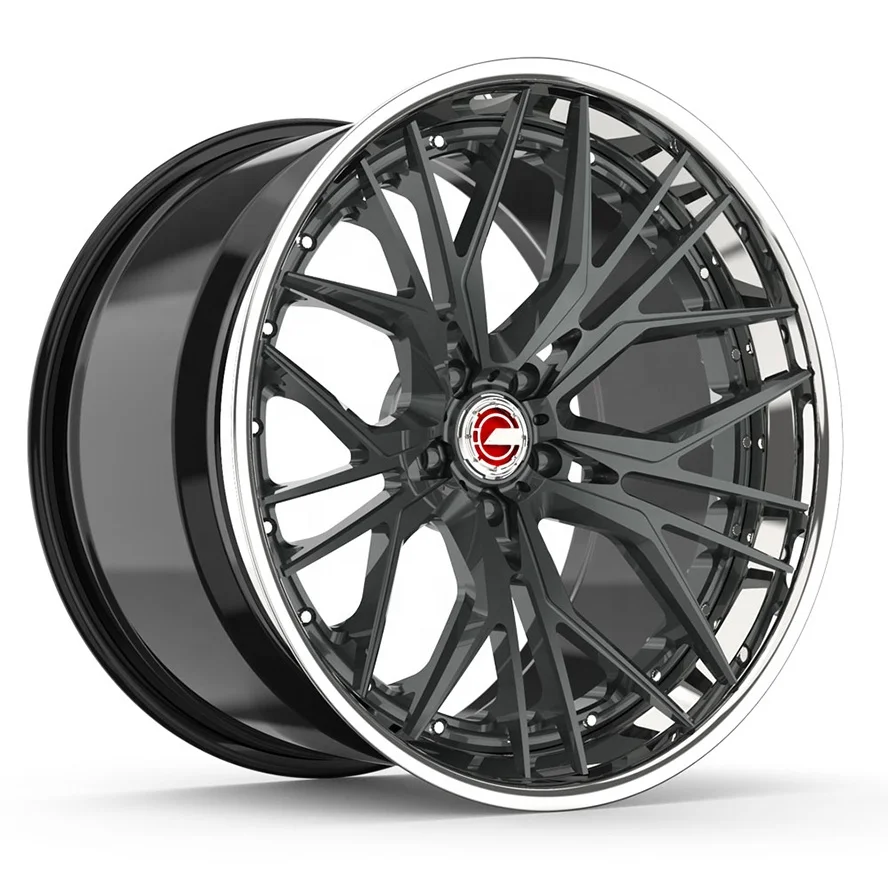
Kolmiosaisten taottujen vanteiden valmistusmenetelmään kuuluu kolmen erillisen komponentin luominen, jotka koneistetaan tarkasti ja kootaan käyttämällä suurlujuuspultteja tai erikoistuneita kiinnitysjärjestelmiä. Tämä lähestymistapa antaa valmistajille mahdollisuuden optimoida kunkin komponentin materiaaliominaisuudet ja tarjoaa jälkimarkkinoiden toimittajille ennennäkemättömiä räätälöintimahdollisuuksia, jotka voivat vastata erilaisiin asiakasvaatimuksiin useilla ajoneuvoalustoilla ja suorituskykysovelluksissa.
Erinomaiset lujuus- ja paineominaisuudet
Edistyneet materiaaliominaisuudet valssauksen kautta
Kolmiosaisiin kyljistettyihin pyöriin käytetty kyljitysprosessi luo rakeisrakenteen, joka seuraa pyörän muotoilun ääriviivoja, mikä johtaa parempiin mekaanisiin ominaisuuksiin verrattuna valumuotoisiin vaihtoehtoihin. Tämä valmistustekniikka puristaa alumiiniseosta erittäin suuressa paineessa, poistaen huokoisuuden ja luoden tiheämmän materiaalirakenteen, joka kestää korkeampia kuormitusrasituksia samalla kun säilyttää alhaisemman painon. Parannettu lujuus-painosuhde on erityisen edullinen korkean suorituskyvyn sovelluksissa, joissa jousittoman massan vähentäminen vaikuttaa suoraan ajoneuvon dynamiikkaan ja kiihtyvyyteen.
Ammattimaiset kilpailutiimit ja suorituskykävälit valitsevat johdonmukaisesti löydetty Rengas ratkaisut, koska materiaaliominaisuudet johtavat mitattaviin suorituskykyparannuksiin sekä rata- että kadunkäyttösovelluksissa. Keveysvalmistuksen tuoma pienempi pyörivä hitausmomentti mahdollistaa moottorien nopeamman kierrosten nousun samalla kun jarrutustehokkuutta parannetaan vähentämällä sitä liikemäärää, jonka jarrujärjestelmien on hidastettaessa voitettava.
Rakenteellinen eheys ääriolosuhteissa
Kolmiosainen rakennetapa jakaa rasitusten kuormat useiden komponenttien ja kiinnityspisteiden kesken, mikä luo rengasjärjestelmän, joka kestää äärimmäisiä sivuvoimia myös aggressiivisessa mutkissa ajossa. Yksiosaisiin rengaisiin verrattuna, jotka saattavat kehittää rasituskeskittymiä kriittisiin kohtiin, modulaarinen 3-osainen kovaletuista rengasta -rakenne mahdollistaa jokaisen osan taipua itsenäisesti samalla kun koko kokoonpanon rakenne säilyttää eheytensä.
Tämä parannettu kestävyys on erityisen tärkeää jälkimarkkinoiden toimittajille, jotka palvelevat asiakkaita, jotka osallistuvat moottoriurheilutoimintaan tai käyttävät ajoneuvoja vaativissa olosuhteissa, joissa pyörän rikkoutuminen voisi johtaa katastrofaalisiin seurauksiin. Ylivoimaisista valmistusmenetelmistä saatava lisävarmuus perustellaan jälkimarkkinoiden toimittajien soveltama korkeampi hinnoittelu näille edistyneille pyöräratkaisuille.
Räätälöinnin joustavuus markkinaerottelua varten
Komponenttikohtaiset räätälöintivaihtoehdot
Modulaarinen rakenne 3-osaiset taottujen pyörien mahdollistaa jälkimarkkinoiden toimittajien tarjota laajat räätälöintivaihtoehdot ilman suuria varastoinvestointeja. Jokainen komponentti voidaan valmistaa eri pinnoitteilla, väreillä ja teknisillä tiedoilla, mikä mahdollistaa toimittajien luoda ainutlaatuisia yhdistelmiä, jotka täyttävät tiettyjen asiakkaiden toiveet samalla kun ylläpidetään tehokasta tuotanto- ja varastonhallintakäytäntöä.
Ulompi rengas, keskilevy ja sisempi rengas -komponentit voidaan yhdistää lähes rajattomasti eri konfiguraatioihin luodakseen renkaat, jotka täydellisesti sopivat ajoneuvon ulkonäköön ja samalla täyttävät tarkan asennustarpeen. Tämä joustavuus ulottuu myös pintakäsittelyvaihtoehtoihin, joissa toimittajat voivat tarjota erilaisia käsittelyjä kullekin komponentille, luoden näin huomiota herättäviä kaksivärityyliä tai monipintaisia ulkonäköjä, jotka mahdollistavat korkeamman hinnoittelun kilpailukykyisillä markkinoilla.
Markkinoiden kehitystä koskeva nopea reaktio
Komponenttiperusteinen valmistustapa mahdollistaa jälkimarkkinoiden toimittajien nopean reagoinnin muuttuviin markkinapreferensseihin uusien kokoelmien suunnittelun uudelleen tekemättä. Kun uudet pintakäsittelytrendit nousevat esiin tai asiakasmieltymykset siirtyvät kohti erilaisia esteettisiä lähestymistapoja, toimittajat voivat muokata yksittäisiä komponentteja samalla kun säilytetään todennetut keskilevyn ja renkaan suunnitteluratkaisut, jotka on jo hyväksytty tietyille ajoneuvosovelluksille.
Tämä suorituskyky tarjoaa merkittäviä kilpailuetuja markkinoilla, joissa kuluttajien mieltymykset muuttuvat nopeasti ja jossa toimijoiden on erottava tarjontansa ylläpitääkseen markkinaosuuttaan. Uusien muunnosten esittely ilman kattavia työkaluinvestointeja mahdollistaa pienemmille jälkimarkkinoiden toimittajille tehokkaan kilpailun suurempia valmistajia vastaan, joilla on huomattavasti suuremmat kehitysresurssit.
Parannetut suorituskykyominaisuudet
Lämpönsiirto ja termisen hallinnan hoito
Kolmiosaisiin valssattuihin vanteisiin käytetty rakennusmenetelmä luo erinomaiset lämmönhajotusominaisuudet, jotka ovat ratkaisevan tärkeitä korkean suorituskyvyn sovelluksissa, joissa jarrujen lämpötila voi ylittää tavanomaisten vanteiden turvalliset käyttörajat. Monikomponenttirakenteella luotu suurempi pinta-ala tarjoaa lisää lämpökapasiteettia, ja samalla alumiiniseoksen rakenne johtaa lämpöä tehokkaasti pois jarrukomponenteista.
Ammattimaiset kilpa-ajosovellukset osoittavat tehokkaan lämmönhallinnan tärkeyden, sillä jarrujen heikkeneminen voi vaarantaa turvallisuuden ja suorituskyvyn pitkien korkean nopeuden ajojen aikana. Väännetyistä kehystä saatava parantunut lämmönhajotus pidentää jarrukomponenttien käyttöikää ja ylläpitää tasaisia suoritusominaisuuksia vaativissakin olosuhteissa.
Tarkka tasapainotus ja dynaamiset ominaisuudet
Tarkkavalmisteisen vääntämisen ja koneen käsittelyn prosessit mahdollistavat valmistustoleranssit, joilla saavutetaan sellaiset kehyskokoonpanot, jotka vaativat vähäisiä tasapainotuspainoja ja säilyttävät erinomaiset dynaamiset ominaisuudet korkeissa pyörimisnopeuksissa. Väännetyssä rakenteessa luonnostaan oleva materiaalin tiheyden tasaisuus ja tarkka mittojen hallinta poistavat valukkeiden tuotteissa yleisesti esiintyvät vaihtelut, jotka voivat aiheuttaa värähtelyongelmia ja ennenaikaista renkaiden kulumista.
Nämä parannetut dynaamiset ominaisuudet johtavat parempaan ajomukavuuteen ja käsittelyyn, jotka vaativat asiakkaat voivat helposti havaita tavallisissa ajotilanteissa. Tasapainotuspainojen vähäisempi tarve edistää myös yleistä painon alentamista samalla kun se yksinkertaistaa renkaiden ja vaihteiden asennusta huoltopalveluille.
Markkijakautuminen ja voittomahdollisuudet
Premium-tuoteryhmien kehittäminen
Jälkimarkkinoiden toimittajat, jotka sisällyttävät kolmiosaiset valssatut pyörät tuotevalikoimaansa, voivat luoda premium-sijainnin markkinoilla, mikä oikeuttaa korkeampiin katteisiin samalla kun ne houkuttelevat asiakkaita, jotka arvostavat laatua ja suorituskykyä enemmän kuin hintaa. Ylivoimainen valmistustekniikka ja parannetut suoritusominaisuudet tarjoavat konkreettisia arvotarjouksia, jotka tietoiset kuluttajat ymmärtävät ja arvostavat.
Premium-asemointi on erityisen tehokasta, kun toimittajat osaavat esittää tekniset edut ja suorituskykyetulyöt, jotka taotuista valmistusmenetelmistä seuraavat verrattuna perinteisiin vaihtoehtoihin. Kasvatusmarkkinointistrategiat, jotka korostavat näiden tuotteiden takana olevaa teknistä ylivaltaa ja valmistuksen monimutkaisuutta, auttavat perustelemaan korkeampia hinnoittelutasoja samalla kun ne rakentavat asiakaskeskuutta parhaiden tuotekokemusten kautta.
Pitkäkestoiset asiakassuhteet
Kolmiosaisilla taotuilla pyörillä on poikkeuksellisen pitkä käyttöikä ja suorituskykyominaisuudet, mikä luo tyytyväisiä asiakkaita, jotka puoltavat niitä toimittajia, jotka tarjosivat parempia tuotteita ja palvelukokemuksia. Taottujen pyörien tyypillinen pidentynyt käyttöikä ja johdonmukainen suorituskyky vähentävät takuuväitteitä samalla kun ne synnyttävät positiivista suullista markkinointia, joka houkuttelee lisää asiakkaita ilman merkittäviä mainospanostuksia.
Nämä pitkäkestoiset asiakassuhteet muodostuvat yhä arvokkaammiksi, kun autonjälkimarkkinat tulevat kilpailukykyisemmiksi ja asiakkaiden hankintakustannukset jatkavat nousuaan kaikilla markkinasegmenteillä. Toimittajat, joilla on maine korkealaatuisten kovan valmistettujen pyörien tarjoamisesta, huomaavat usein, että tyytyväiset asiakkaat palautuvat lisähankintoihin sekä suosittelevat ystäviä ja kollegoita, joilla on samankaltaiset laatuvaatimukset.
Valmistus- ja toimitusketjun edut
Laadunvalvonnan ja johdonmukaisuuden
Kovan valmistusprosessi tarjoaa sisäisesti parempaa laadunvalvontaa verrattuna valumuotimetodeihin, sillä korkea-paineen muovaus poistaa monet vioista, jotka liittyvät yleisesti vaihtoehtoisiin tuotantomenetelmiin. Tämä johdonmukaisuus vähentää takuutapahtumia ja palautuksia samalla kun rakennetaan toimittajien luotettavuutta, joka muodostuu arvokkaaksi kilpailueduksi ruuhkautuneilla jälkimarkkina-alueilla.
Kolmiosaisiin valssattuihin renkaisiin vaadittavat tarkkuuden valmistuskapasiteetit viittaavat usein siihen, että toimittajilla on kumppanuuksia valmistajiin, jotka ylläpitävät edistyneitä laadunhallintajärjestelmiä ja kehittyneitä testausprotokollia. Nämä kumppanuudet antavat jälkimarkkinatoimittajille luottamusta siihen, että heidän tuotteensa toimivat johdonmukaisesti ja täyttävät suorituskykyä arvostavien asiakkaiden tiukat vaatimukset.
Varastonhallinnan tehokkuus
Kolmiosaisiin valssattuihin renkaisiin liittyvä komponenttipohjainen rakenne mahdollistaa tehokkaammat varastonhallintastrategiat verrattuna valmiisiin rengaskokoonpanoihin, joita on pidettävä varastossa jokaisessa mahdollisessa konfiguraatiossa. Toimittajat voivat ylläpitää komponenttivarastoa, josta voidaan koota useita erilaisia lopullisia konfiguraatioita, mikä vähentää kokonaisia varastoinvestointeja ja parantaa asiakaspalvelukykyä nopeammalla tilausten täyttämisellä.
Tämä varastonkäytön tehokkuus on erityisen tärkeää pienemmille jälkimarkkinatoimittajille, joilla ei ole varaa ylläpitää laajaa valmiiden tuotteiden varastoa useiden eri renkaanrakenteiden ja teknisten määritelmien osalta. Komponenttivarastosta räätälöityjen konfiguraatioiden mahdollistaminen antaa näille toimittajille mahdollisuuden kilpailla tehokkaasti suurempia kilpailijoita vastaan samalla kun ne säilyttävät terveet käteisvirran ominaisuudet.
Teknologian integrointi ja tulevaisuuden kehitys
Kehittyneet valmistustekniikat
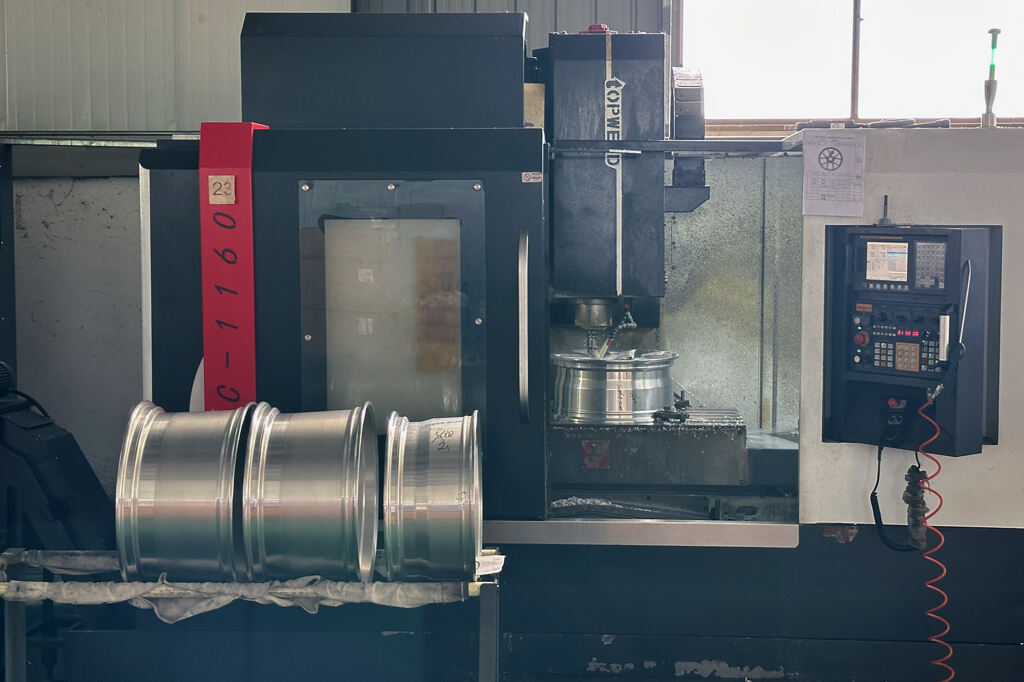
Kolmiosaisia kovalitettuja renkaita valmistavat valmistusprosessit kehittyvät edelleen edistyneiden teknologioiden, kuten tietokoneohjattujen koneiden, tarkkuusmittausjärjestelmien ja kehittyneiden laadunvarmistusprotokollien, integroinnin kautta. Nämä teknologiset parannukset mahdollistavat valmistajille tiukempien toleranssien saavuttamisen samalla kun tuotantokustannuksia alennetaan tehostetun tehokkuuden ja vähentyneen jätemäärän myötä.
Jälkikäsittelytoimittajat, jotka luovat suhteita teknisesti kehittyneisiin valmistajiin, saavat jatkuvaa pääsyä tuotekehitykseen, mikä auttaa ylläpitämään kilpailuetuja ajan myötä. Valmistustekniikan jatkuva kehittyminen takaa, että kovanpyörien tuotteet paranevat laadussa ja voivat samalla tulla edullisemmiksi, kun valmistusmenetelmät kehittyvät.
Materiaalitieteiden kehittyminen
Alumiiniseosten teknologian tutkimus- ja kehitystoiminta tuottaa edelleen materiaaleja, joilla on parantuneet lujuusominaisuudet ja pienempi paino verrattuna aiempiin sukupolviin kovaseoksia. Nämä materiaaliparannukset muuttuvat suoraan käyttäjille etuina, samalla kun jälkikäsittelytoimittajille avautuu mahdollisuuksia esitellä seuraavan sukupolven tuotteita, jotka asettavat uudet suorituskykyvertailuperusteet.
Edistyneiden materiaalien yhdistäminen todettuihin kolmiosaisiin kovalletuiksi renkaisiin valmistusmenetelmiin luo tuotteita, jotka rikkovat aiemmin saavutettuja rajoja renkaiden suunnittelussa ja suorituskyvyssä. Toimittajat, jotka pysyvät ajan tasalla näissä kehityksissä, voivat tarjota asiakkaille pääsyn uusimpiin teknologisiin edistysaskeleisiin samalla kun säilytetään luotettavuus ja kestävyys, joiden varaan premium-renkaat perustuvat.
UKK
Miksi kolmiosaiset kovalletut renkaat ovat parempia valuratkaisuihin verrattuna
Kuumanvalmistusprosessi luo korkeampaa materiaalitiheyttä ja jauhamarakennetta verrattuna valumiseen, mikä johtaa vahvempiin ja kevyempiin renkaisiin, jotka tarjoavat myös paremman väsymisvastuksen. Kolmiosainen rakenne mahdollistaa komponenttikohtaisen mukauttamisen ja helpomman korjattavuuden yksiosaisiin vaihtoehtoihin verrattuna, mikä tekee niistä ideaalin ratkaisun korkean suorituskyvyn sovelluksiin, joissa luotettavuus ja mukauttamismahdollisuudet ovat kriittisiä vaatimuksia.
Miten jälkimarkkinoiden toimittajat hyötyvät kovallettujen renkaiden tarjoamisesta
Vaatimattomat renkaat mahdollistavat toimittajille premium-segmentin aseman luomisen korkeamman katetuoton avulla samalla kun houkutellaan suorituskykyä arvostavia asiakkaita, jotka asettavat laadun hintaa tärkeämmäksi. Ylivoimainen kestävyys vähentää takuukorjauksia ja palautuksia, samalla luoden tyytyväisiä asiakkaita, jotka tuottavat positiivisia suosituksia ja toistuvia liiketoimintamahdollisuuksia, joilla rakennetaan pitkän aikavälin kannattavuutta.
Mitä räätälöintivaihtoehtoja on saatavilla kolmiosaisen renkarakenteen kanssa
Modulaarinen rakenne mahdollistaa ulkoisen putken, keskilevyn ja sisäisen putken komponenttien riippumattoman räätälöinnin pintojen, värien ja teknisten tietojen osalta. Tämä joustavuus mahdollistaa toimittajille ainutlaatuisten yhdistelmien luomisen ilman runsasta varastointia, samalla kun reagoidaan nopeasti muuttuviin markkinatrendeihin ja asiakasmieltymyksiin erikoisten renkappearencejen osalta.
Sopivatko 3-osaiset vaatimattomat renkaat katukäyttöön
Kyllä, nämä renkaat soveltuvat erinomaisesti sekä kadun että radan käyttöön niiden korkean lujuuden, kevyemmän painon ja parantuneen lämmönhajotuksen ansiosta. Parantunut ajo-ominaisuus ja käsittelyominaisuudet ovat helposti havaittavissa tavallisissakin ajotilanteissa, kun taas erinomainen kestävyys takaa pitkän käyttöiän vaativissakin arkipäivän käyttöolosuhteissa, mikä oikeuttaa harkinnan arvoisen sijoituksen.
Suositellut tuotteet
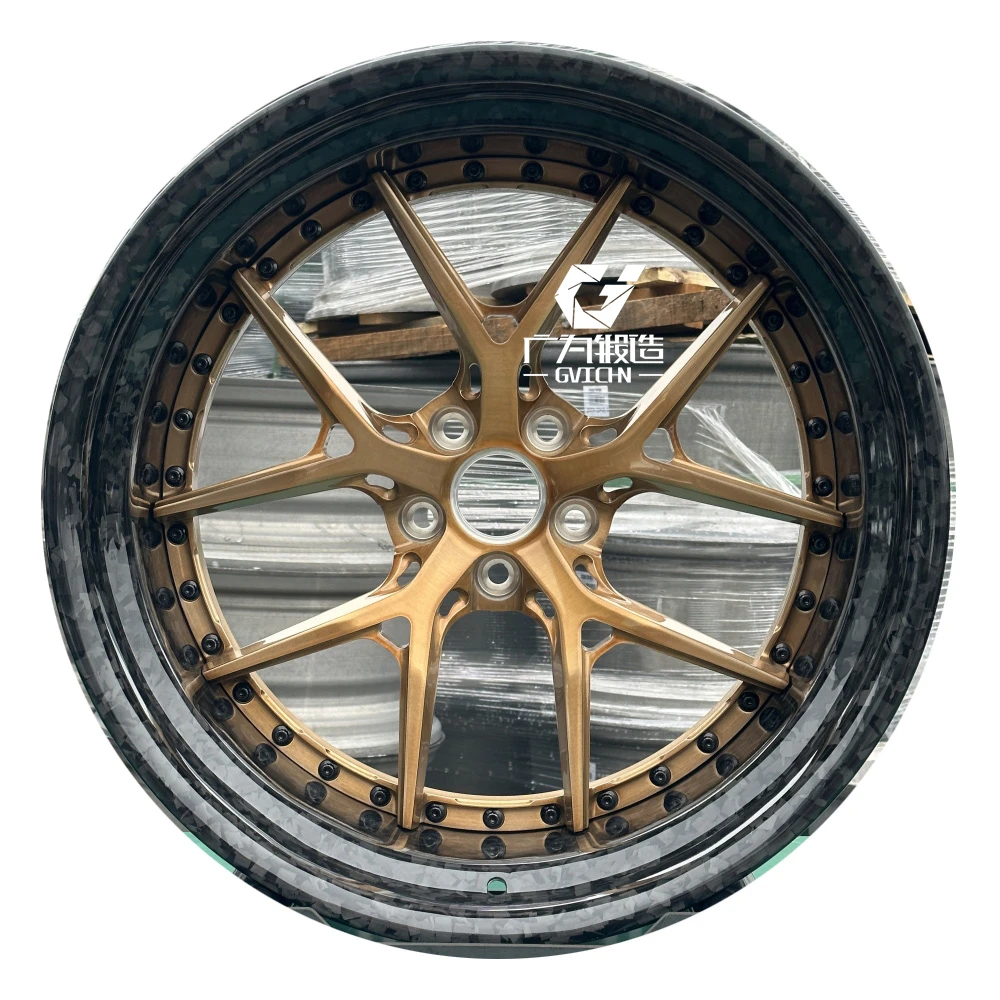
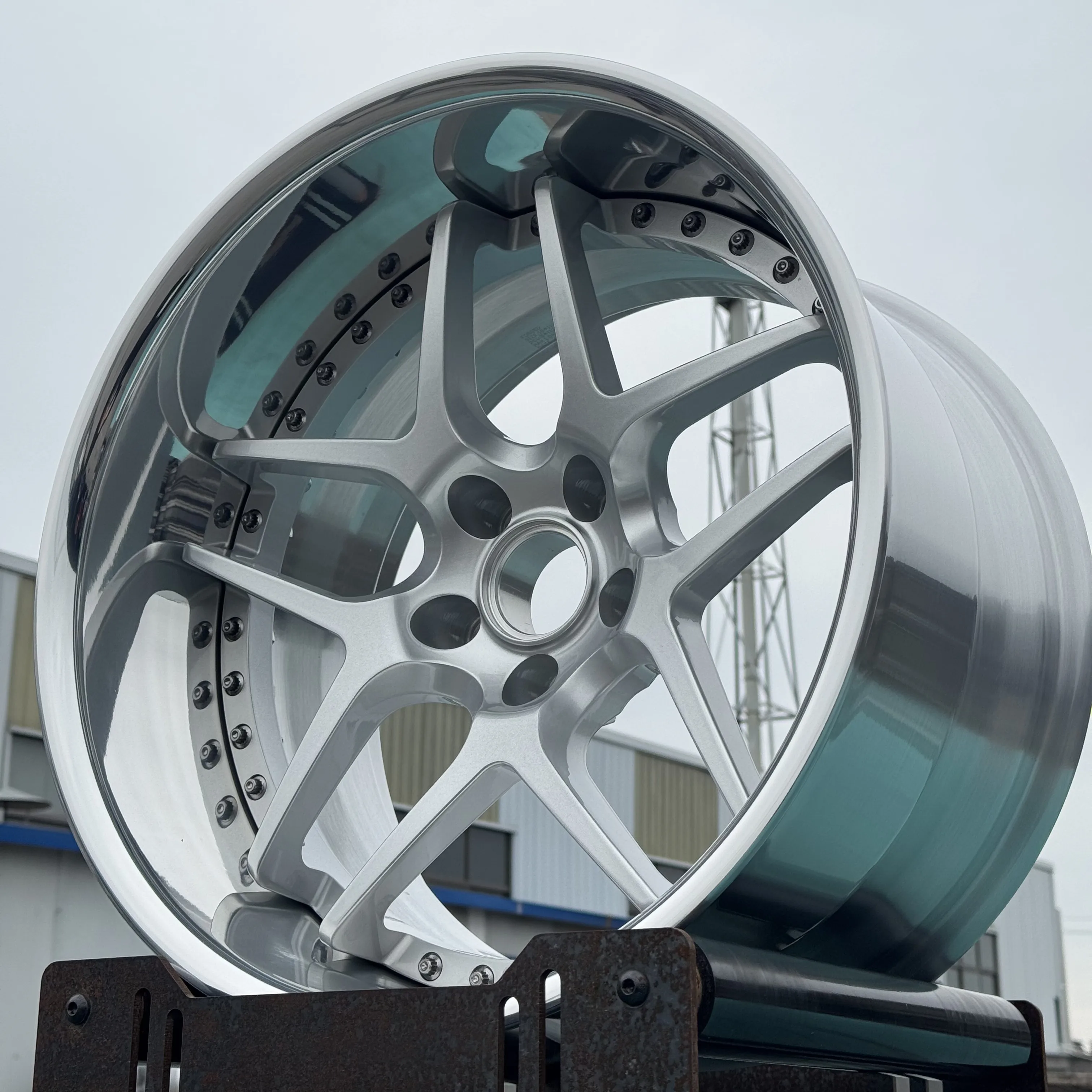
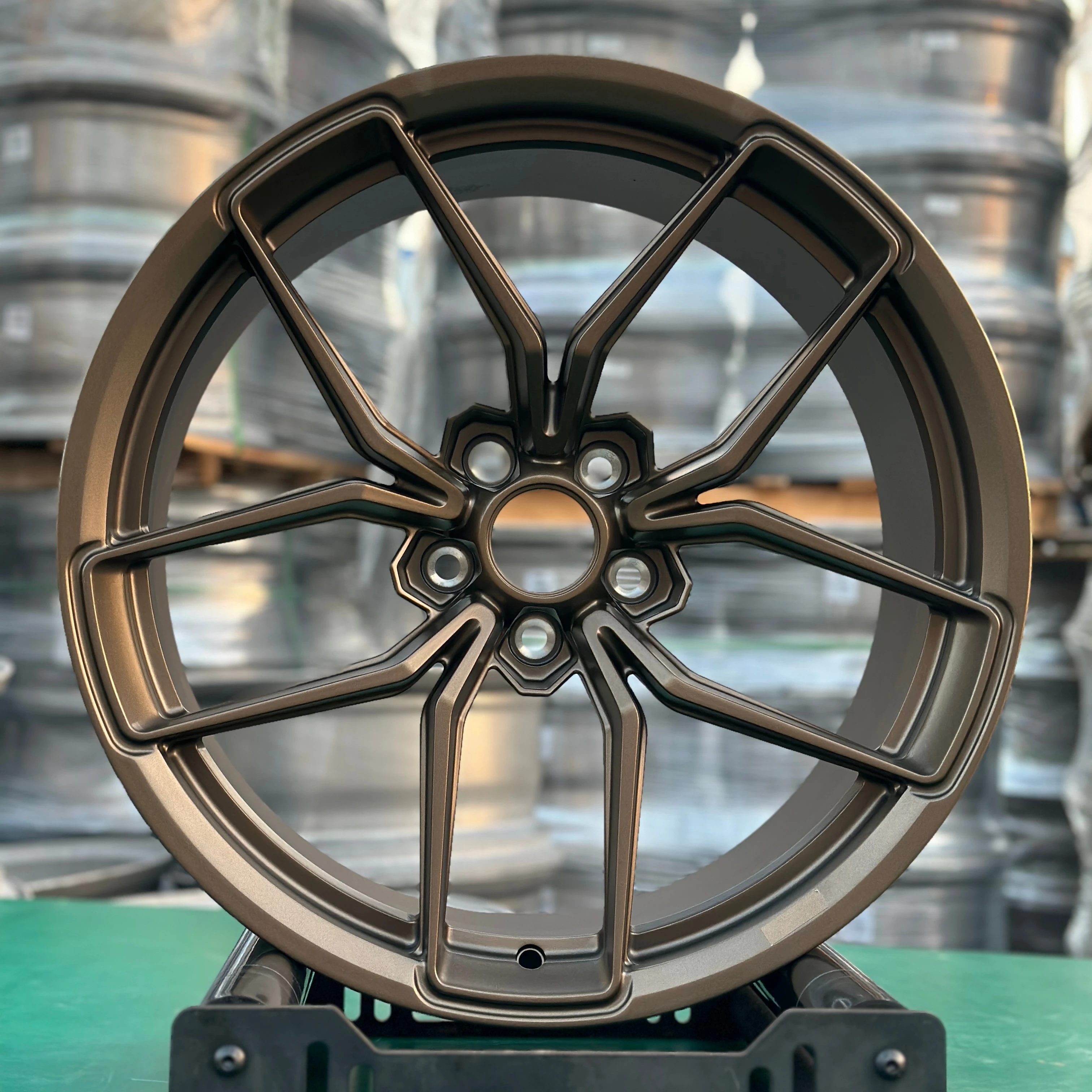
 Uutiset
-
Taotut hiilituotteet
2024-05-21
-
Taotut off-road-tarvikkeet
2024-05-21
-
GVICHN esittelee vallankumouksellisen taotun kaksiosaisen tuotteen
2024-05-21
 VERKKOYHTEYDEN KAUTTA