¿Cómo afecta el proceso de forja (en caliente frente a en frío) la resistencia final de la llanta?
El proceso de forjado constituye una de las decisiones de fabricación más críticas que influye directamente en la integridad estructural y las características de rendimiento de las ruedas automotrices. Cuando los fabricantes eligen entre forjado en caliente y forjado en frío para producir ruedas forjadas llantas de Aleación , están determinando, esencialmente, la estructura molecular, los patrones de flujo de grano y las propiedades mecánicas que definirán cómo se desempeñarán dichas ruedas bajo condiciones reales de esfuerzo. Comprender cómo las variaciones de temperatura durante el proceso de forjado afectan la resistencia final de las ruedas es fundamental para los ingenieros automotrices, los especialistas en adquisiciones y los entusiastas que exigen tanto seguridad como rendimiento de sus componentes vehiculares.
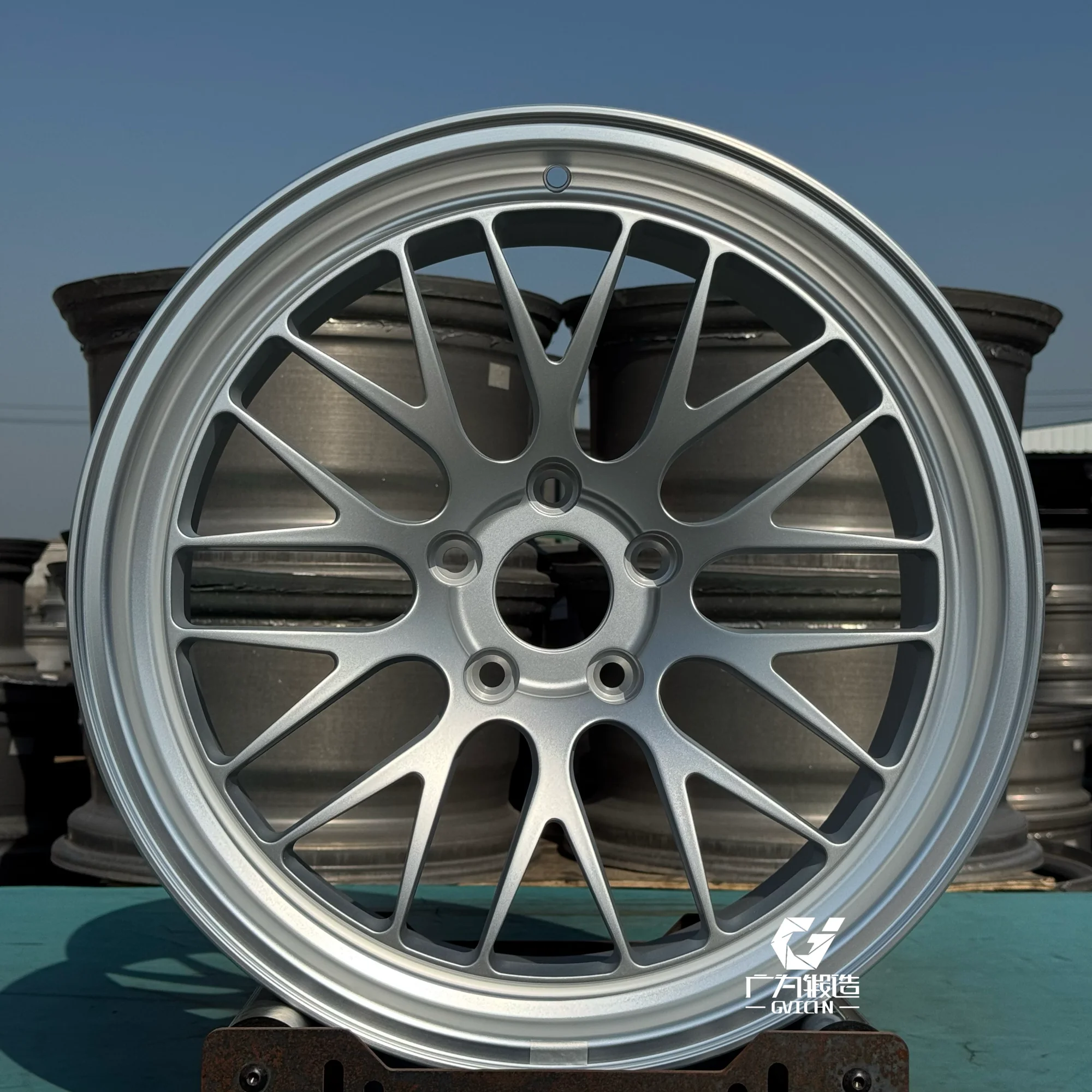
Las diferencias metalúrgicas entre los procesos de forja en caliente y en frío generan características microestructurales distintas que se traducen en variaciones medibles de la resistencia a la tracción, la resistencia a la fatiga y la durabilidad al impacto. En la forja en caliente, los lingotes de aleación de aluminio se calientan a temperaturas comprendidas entre 350 °C y 500 °C, lo que permite que el material se deforme con mayor facilidad bajo fuerzas de compresión, al tiempo que se refina su estructura de granos mediante procesos de recristalización. Por el contrario, en la forja en frío, el material se conforma a temperatura ambiente o cercana a ella, provocando un endurecimiento por deformación de la aleación de aluminio y obteniendo tolerancias excepcionalmente ajustadas, junto con perfiles de resistencia diferentes. Cada enfoque aporta ventajas y limitaciones específicas que afectan directamente la respuesta de una llanta forjada de aleación ante cargas laterales, fuerzas de impacto y ciclos de esfuerzo sostenidos a lo largo de su vida útil operativa.
Diferencias metalúrgicas fundamentales entre la forja en caliente y la forja en frío
Comportamiento del material dependiente de la temperatura en las operaciones de forja
La temperatura a la que se somete una aleación de aluminio durante la forja modifica fundamentalmente su estructura cristalina y sus mecanismos de deformación. En las operaciones de forja en caliente, las temperaturas elevadas reducen la resistencia a la fluencia del material aproximadamente un 60-70 %, lo que permite a los fabricantes conformar geometrías complejas de ruedas con menor fuerza, al tiempo que favorecen la recristalización dinámica. Este proceso térmico descompone la estructura original de grano fundido y genera nuevos granos más pequeños que crecen en una orientación controlada, alineada con la dirección de la presión de forja. El flujo de grano resultante en una rueda de aleación forjada en caliente sigue los contornos del perfil de la rueda, creando vías de refuerzo natural que incrementan la resistencia exactamente donde se producen concentraciones de tensión durante su funcionamiento.
La forja en frío opera según principios metalúrgicos completamente distintos, basándose en el endurecimiento por deformación para incrementar la resistencia del material. Cuando una aleación de aluminio se deforma a temperatura ambiente, las dislocaciones se multiplican dentro de la estructura de la red cristalina, creando barreras que impiden una deformación adicional y aumentan significativamente la dureza y la resistencia a la tracción del material. Una llanta de aleación forjada en frío presenta características de endurecimiento por deformación en todas las zonas conformadas, con incrementos de resistencia del 20 al 40 % en comparación con el material inicial recocido. Sin embargo, este proceso también introduce tensiones residuales y reduce la ductilidad, lo que exige una consideración ingenieril cuidadosa para equilibrar las ganancias de resistencia frente al riesgo de fallo frágil bajo condiciones extremas de impacto.
Evolución de la estructura de granos y su impacto directo en la resistencia de la llanta
La estructura de grano que se desarrolla durante la forja constituye el factor determinante principal de las características de rendimiento mecánico de una llanta de aleación forjada. La forja en caliente produce una estructura de grano equiaxial con tamaños de grano relativamente uniformes que oscilan entre 50 y 150 micrómetros, según el perfil térmico específico y la velocidad de deformación empleados. Estos granos refinados generan numerosos límites de grano que actúan como barreras frente a la propagación de grietas, mejorando significativamente la resistencia de la llanta a la fatiga bajo cargas cíclicas. El patrón continuo de flujo de grano establecido durante la forja en caliente implica que la transmisión de tensiones se produce a lo largo de trayectorias metalúrgicas, y no a través de interfaces bruscas, reduciendo los factores de concentración de tensión aproximadamente un 30-45 % en comparación con las llantas fundidas.
Las ruedas forjadas en frío desarrollan estructuras de grano alargadas que se alinean con la dirección principal de deformación, creando propiedades mecánicas anisotrópicas que varían según la orientación. Esta estructura direccional del grano puede resultar ventajosa cuando la dirección principal de carga coincide con el alargamiento del grano, pudiendo alcanzar resistencias a la tracción superiores a 450 MPa en aplicaciones de aleación de aluminio 6061. Sin embargo, la microestructura endurecida por deformación también presenta mayores densidades de dislocaciones y tensiones internas que pueden actuar como puntos de iniciación de grietas por fatiga si no se gestionan adecuadamente mediante procesos posteriores de tratamiento térmico. Comprender estas diferencias microestructurales permite a los ingenieros seleccionar el método de forja más adecuado según los requisitos específicos de rendimiento y los escenarios de carga previstos para cada aplicación de rueda forjada en aleación.
Características del proceso de forja en caliente e implicaciones para la resistencia
Parámetros del procesamiento térmico y efectos de la recristalización
La forja en caliente de ruedas de aleación de aluminio comienza típicamente con el calentamiento de lingotes a temperaturas comprendidas entre 380 °C y 480 °C, controlado cuidadosamente para mantenerse por debajo del punto de fusión incipiente, garantizando al mismo tiempo una plasticidad suficiente del material. A estas temperaturas elevadas, la aleación de aluminio presenta una tensión de fluencia notablemente reducida, requiriendo presiones de forja de tan solo 150-250 MPa, frente a los 400-600 MPa necesarios en los procesos de forja en frío. Esta menor exigencia de presión permite a los fabricantes conformar geometrías complejas de radios y diseños intrincados de ruedas que serían imposibles o económicamente inviables mediante procesos de conformado en frío. Además, la energía térmica activa mecanismos de difusión atómica que posibilitan la recristalización dinámica continua, en la cual nuevos granos libres de deformación nuclean y crecen simultáneamente con el proceso de deformación.
El fenómeno de recristalización que ocurre durante la forja en caliente contribuye directamente a una resistencia superior a la fatiga en la llanta de aleación forjada terminada. A medida que el material experimenta deformación plástica a temperaturas elevadas, la energía de deformación acumulada impulsa la formación de nuevos límites de grano que consumen y eliminan la estructura endurecida por deformación. Este efecto de auto-recocido produce una microestructura libre de tensiones con tensiones residuales mínimas, reduciendo la probabilidad de agrietamiento por corrosión bajo tensión y mejorando la resistencia de la llanta a los fallos provocados por cargas cíclicas. Las llantas forjadas en caliente fabricadas con aleación de aluminio 6061-T6 suelen alcanzar vidas a la fatiga superiores a dos millones de ciclos según los protocolos estándar de ensayo automotriz, lo que equivale aproximadamente a 200 000 kilómetros de condiciones normales de conducción antes de que se produzca cualquier iniciación detectable de grietas.
Forja isotérmica y sus beneficios premium de resistencia
Técnicas avanzadas de forja en caliente, como la forja isotérmica, mantienen tanto la pieza de trabajo como las matrices de forja a temperaturas elevadas durante todo el ciclo de conformado. Esta uniformidad térmica elimina los gradientes térmicos que, de otro modo, provocarían un flujo de material no uniforme y propiedades mecánicas variables en distintas secciones de la rueda. En la forja isotérmica de rueda de aleación forjada componentes, los fabricantes pueden lograr tamaños de grano tan finos como 30-50 micrómetros con una uniformidad excepcional, lo que se traduce en resistencias al límite elástico cercanas a 380-420 MPa en condiciones de tratamiento térmico, manteniendo valores de alargamiento superiores al 10 % para unas excelentes características de tenacidad.
El entorno térmico controlado en la forja isotérmica también permite capacidades de fabricación casi en forma final, reduciendo la cantidad de mecanizado posterior requerido y preservando los beneficiosos patrones de flujo de grano establecidos durante la forja. Este enfoque resulta especialmente valioso para aplicaciones de ruedas forjadas de aleación de alto rendimiento, donde la reducción de peso y la optimización de la resistencia son consideraciones fundamentales. Las ruedas resultantes presentan relaciones resistencia-peso que superan en aproximadamente un 8-12 % a las de las ruedas forjadas en caliente convencionales, lo que convierte a la forja isotérmica en el método preferido para aplicaciones en automovilismo, plataformas de vehículos de lujo y diseños avanzados de vehículos eléctricos, donde la reducción de la masa no suspendida afecta directamente a la dinámica de conducción y a la eficiencia energética.
Características del proceso de forja en frío y desarrollo de la resistencia
Mecanismos de endurecimiento por deformación y mejora de la resistencia
La forja en frío logra una mejora de la resistencia mediante el endurecimiento por deformación, un fenómeno en el que la deformación plástica a temperatura ambiente incrementa la densidad de dislocaciones dentro de la estructura cristalina de la aleación de aluminio. A medida que el material sufre compresión durante el proceso de forja, las dislocaciones se multiplican e interactúan, formando enredos y redes que obstaculizan un movimiento adicional de dislocaciones. Esta resistencia progresiva a la deformación se manifiesta como un aumento de la dureza y de la resistencia a la tracción en las zonas deformadas de la llanta forjada de aleación de aluminio. Dependiendo del grado de deformación y de la composición específica de la aleación de aluminio, la forja en frío puede incrementar la resistencia al fluencia del material en un 25-50 % respecto a las condiciones recocidas, alcanzando algunas aleaciones de alta resistencia valores de resistencia al fluencia superiores a 400 MPa en estado recién forjado.
El efecto de endurecimiento por deformación en las ruedas forjadas en frío no es uniforme en todo el componente, lo que genera gradientes de resistencia que corresponden a distintos grados de deformación plástica en las diferentes secciones de la rueda. Las pestañas del borde y las zonas de unión de los radios, que experimentan la deformación más severa durante la forja, presentan los valores más altos de dureza y resistencia, mientras que las regiones sometidas a una deformación mínima conservan propiedades más cercanas a las del material inicial. Esta distribución de resistencia puede aprovecharse estratégicamente por diseñadores experimentados para colocar la máxima resistencia exactamente donde el análisis de tensiones indica que se producen las cargas más elevadas. Sin embargo, la menor ductilidad asociada al endurecimiento por deformación exige un análisis ingenieril riguroso para garantizar que la rueda de aleación forjada mantenga una tenacidad suficiente como para absorber la energía de impacto sin sufrir una fractura catastrófica, especialmente en escenarios de impacto contra baches o golpes contra bordillos.
Ventajas de la precisión dimensional y la integridad superficial
La forja en frío ofrece una precisión dimensional excepcional y una calidad de acabado superficial que los procesos de forja en caliente no pueden igualar, logrando tolerancias dentro de ±0,1 mm sin necesidad de operaciones posteriores de mecanizado. Esta precisión se debe a la ausencia de efectos de dilatación y contracción térmicas, lo que permite que las llantas forjadas en frío mantengan exactamente sus especificaciones dimensionales durante todo el ciclo de fabricación. El acabado superficial superior, que típicamente alcanza valores de rugosidad inferiores a 1,6 micrómetros Ra en estado forjado, elimina numerosas operaciones de mecanizado y conserva la capa superficial endurecida por deformación, que contribuye a una mayor resistencia a la fatiga. Esta integridad superficial resulta especialmente valiosa en la cara de montaje del cubo y en las zonas de asiento de los pernos de sujeción de una llanta de aleación forjada, donde una geometría de contacto precisa y una alta dureza superficial son esenciales para mantener cargas de apriete adecuadas y prevenir la fatiga por fretting.
La capa superficial endurecida por deformación, creada durante la forja en frío, también proporciona una mayor resistencia a los daños localizados causados por impactos de piedras y eventos de abrasión menor. Las llantas forjadas en frío suelen presentar valores de dureza superficial un 15-25 % superiores a los de sus equivalentes forjadas en caliente, lo que genera una envoltura exterior duradera que protege el material subyacente frente a la degradación ambiental y al desgaste mecánico. Esta característica hace que la forja en frío sea especialmente atractiva para las llantas de vehículos comerciales y para aplicaciones en las que se valora, junto con el rendimiento estructural, la durabilidad estética y la retención a largo plazo de la apariencia. La combinación de precisión dimensional y dureza superficial posiciona a la fabricación de llantas de aleación forjadas en frío como una opción óptima para aplicaciones que requieren un mínimo procesamiento posterior a la forja, al tiempo que garantizan propiedades mecánicas consistentes y predecibles en volúmenes de producción.
Análisis comparativo de resistencia: llantas forjadas en caliente frente a forjadas en frío
Comparación de resistencia estática y características de fluencia
Al comparar las propiedades de resistencia estática de las llantas forjadas en caliente frente a las forjadas en frío, los resultados revelan perfiles de rendimiento distintos, adecuados para distintos requisitos de aplicación. Las llantas forjadas en caliente, fabricadas con aleación de aluminio 6061 y posteriormente tratadas térmicamente en condición T6, suelen alcanzar resistencias a la tracción última entre 310 y 350 MPa, con resistencias al límite elástico en el rango de 275 a 310 MPa. Estos valores, combinados con porcentajes de alargamiento del 10 al 15 %, representan un excelente equilibrio entre resistencia y ductilidad, lo que garantiza un rendimiento fiable en diversos escenarios de carga. La estructura de grano refinada y equiaxial resultante de la forja en caliente asegura propiedades relativamente isotrópicas, es decir, la llanta de aleación forjada exhibe una resistencia constante independientemente de la dirección de la carga o de la ubicación específica sometida a esfuerzo.
Las llantas forjadas en frío presentan mayores resistencias a la tracción última, alcanzando frecuentemente valores de 380-450 MPa en secciones fuertemente deformadas, pero con valores correspondientemente reducidos de alargamiento del 6-8 % en estado tras la forja. Este compromiso entre resistencia y ductilidad requiere una consideración cuidadosa durante el diseño y la selección de aplicaciones. Para llantas de vehículos de pasajeros sometidas predominantemente a patrones de carga predecibles y a impactos ocasionales, la mayor resistencia de los componentes forjados en frío puede permitir una reducción de peso mediante espesores de sección optimizados, sin comprometer los factores de seguridad. Sin embargo, para aplicaciones todo terreno o para vehículos comerciales de servicio severo que experimentan impactos de alta energía con frecuencia, la mayor tenacidad y capacidad de absorción de energía de las llantas forjadas en caliente pueden ofrecer un rendimiento a largo plazo más fiable, pese a sus valores absolutos de resistencia ligeramente inferiores.
Resistencia a la fatiga y comportamiento bajo cargas cíclicas
La resistencia a la fatiga representa el parámetro de resistencia más crítico para las ruedas automotrices, ya que estos componentes experimentan millones de ciclos de esfuerzo a lo largo de su vida útil. Las llantas de aleación forjadas en caliente demuestran sistemáticamente un rendimiento superior frente a la fatiga en comparación con las alternativas forjadas en frío, presentando límites de resistencia típicamente un 15-25 % mayores bajo condiciones de ensayo de fatiga por flexión rotativa. Esta ventaja se debe a la estructura de grano refinada, los patrones continuos de flujo de grano y el estado de tensiones residuales mínimas característicos de procesos de forja en caliente correctamente ejecutados. La microestructura recristalizada proporciona numerosos límites de grano que obstaculizan la propagación de grietas, mientras que el estado de alivio de tensiones elimina las concentraciones internas de esfuerzo que podrían actuar como puntos de iniciación de grietas por fatiga.
Las llantas forjadas en frío pueden alcanzar un rendimiento por fatiga comparable o incluso superior cuando se aplica un tratamiento térmico posterior al forjado adecuado para aliviar las tensiones residuales y restaurar parte de la ductilidad, sin eliminar por completo los beneficios del endurecimiento por deformación en frío. Un recocido parcial o un tratamiento térmico de alivio de tensiones a 250-280 °C durante 2-4 horas puede reducir las tensiones residuales en un 60-70 %, conservando aproximadamente el 70-80 % del aumento de resistencia inducido por la deformación en frío. Este procesamiento térmico genera una microestructura híbrida que combina aspectos beneficiosos de ambos métodos de fabricación, obteniendo productos de llantas de aleación forjadas cuyas vidas por fatiga son comparables a las de las llantas forjadas en caliente, manteniendo al mismo tiempo la precisión dimensional y las ventajas de coste del conformado en frío. Los fabricantes avanzados emplean cada vez más estas rutas de procesamiento híbrido para optimizar la relación resistencia-costo según segmentos de mercado específicos y requisitos de rendimiento.
Integración del Tratamiento Térmico y Optimización Final de las Propiedades
Efectos del tratamiento de solución y envejecimiento sobre la resistencia de las llantas forjadas
Independientemente de que se emplee forja en caliente o en frío, prácticamente todas las llantas forjadas de aleación de alto rendimiento someten a un tratamiento térmico de solución y envejecimiento artificial para desarrollar propiedades óptimas de resistencia mediante mecanismos de endurecimiento por precipitación. El proceso de tratamiento de solución consiste en calentar las rueda forjada a 520-540 °C durante un tiempo suficiente para disolver elementos de aleación, como magnesio y silicio, en solución sólida dentro de la matriz de aluminio. Este ciclo térmico también sirve para homogeneizar la microestructura y, en el caso de las llantas forjadas en frío, recristalizar completamente la estructura endurecida por deformación en una configuración de grano refinado. El enfriamiento rápido subsiguiente, normalmente con agua o soluciones de agente refrigerante polimérico, congela la solución sólida sobresaturada en un estado metaestable que prepara el terreno para el endurecimiento por precipitación durante el envejecimiento.
Envejecimiento artificial, realizado a temperaturas entre 160 y 180 °C durante 8-18 horas, según el equilibrio deseado de propiedades, precipita finas partículas de Mg2Si en toda la matriz de aluminio. Estas precipitaciones a escala nanométrica actúan como barreras eficaces al movimiento de dislocaciones, aumentando drásticamente la resistencia de la aleación mediante endurecimiento por precipitación. La condición de tratamiento térmico T6, la más comúnmente especificada para aplicaciones de ruedas forjadas de aleación, desarrolla resistencias al límite elástico de 275-310 MPa, con excelentes combinaciones de resistencia, ductilidad y resistencia a la fatiga. El tratamiento térmico normaliza eficazmente muchas de las diferencias microestructurales entre el forjado en caliente y el forjado en frío, lo que significa que las ruedas correctamente tratadas térmicamente, independientemente del proceso empleado, pueden alcanzar propiedades finales similares, siendo la selección del método de procesamiento determinada más por consideraciones económicas y dimensionales que por capacidades últimas de resistencia.
Gestión de tensiones residuales mediante procesamiento térmico
Las tensiones residuales introducidas durante la forja, especialmente en componentes forjados en frío, pueden afectar significativamente la resistencia final y la durabilidad de las llantas de aleación forjadas si no se gestionan adecuadamente mediante procesamiento térmico. La forja en frío introduce intrínsecamente tensiones residuales de tracción en las capas superficiales y tensiones de compresión en las regiones interiores, generando campos de tensión internos que se suman algebraicamente a las cargas de servicio aplicadas. Si no se abordan, estas tensiones residuales pueden reducir la resistencia efectiva a la fatiga de una llanta de aleación forjada en un 10-20 % y provocar modos de fallo impredecibles bajo condiciones de carga complejas. El ciclo de tratamiento térmico de solución elimina eficazmente estas tensiones residuales mediante mecanismos de relajación térmica, restableciendo el material a un estado de referencia libre de tensiones antes del envejecimiento final y el desarrollo de propiedades.
Las llantas forjadas en caliente generalmente contienen tensiones residuales más bajas debido a la relajación de tensiones inherente al proceso de conformado a alta temperatura, pero no están completamente libres de tensiones, especialmente en geometrías complejas donde un enfriamiento no uniforme tras la forja puede introducir tensiones térmicas. Los fabricantes de llantas forjadas de aleación premium suelen emplear protocolos de enfriamiento controlados inmediatamente después de la forja en caliente para minimizar las tensiones inducidas por gradientes térmicos, utilizando en ocasiones cámaras de enfriamiento controladas por ordenador que modulan las velocidades de enfriamiento en distintas secciones de la llanta según predicciones basadas en modelos térmicos. Esta atención a la gestión de las tensiones residuales durante toda la secuencia de fabricación —desde la forja inicial hasta el tratamiento térmico final— garantiza que la llanta terminada alcance todo su potencial teórico de resistencia sin concentraciones ocultas de tensión que podrían comprometer su fiabilidad a largo plazo o su desempeño en materia de seguridad.
Consideraciones específicas según la aplicación para la selección del método de forja
Requisitos de los Vehículos de Rendimiento y Optimización del Proceso de Forjado
Las aplicaciones de alto rendimiento y del automovilismo imponen los requisitos más exigentes a las llantas forjadas de aleación, lo que exige una evaluación cuidadosa de cómo la selección del proceso de forja afecta los parámetros de rendimiento específicos críticos para estas aplicaciones. Los vehículos orientados al circuito requieren llantas capaces de soportar operaciones sostenidas a alta velocidad, cargas agresivas en curvas que superan una aceleración lateral de 1,5 g y ciclos repetidos de frenado intenso que generan una carga térmica significativa. Las llantas forjadas en caliente suelen resultar superiores para estas aplicaciones debido a su excelente resistencia a la fatiga bajo ciclos mecánicos y térmicos combinados, con una estructura de grano refinada que garantiza propiedades consistentes incluso cuando la temperatura de las llantas supera los 150 °C durante sesiones prolongadas en pista. La mayor ductilidad de los componentes forjados en caliente también proporciona una mejor tolerancia a los daños, permitiendo que las llantas absorban impactos provocados por escombros en pista o contacto con bordillos sin sufrir una falla catastrófica.
Para aplicaciones de arrastre y aceleración en línea recta, donde la reducción de peso es primordial y los patrones de carga son más predecibles, las llantas forjadas en frío pueden ofrecer ventajas gracias a sus valores absolutos superiores de resistencia, lo que permite una eliminación más agresiva de material en secciones no críticas. La mayor precisión dimensional del forjado en frío también facilita tolerancias más ajustadas en las superficies de montaje centradas en el cubo, reduciendo así el potencial de desequilibrio dinámico, problema que se vuelve cada vez más grave a medida que aumenta la velocidad del vehículo. Algunos fabricantes avanzados emplean en ocasiones enfoques híbridos: utilizan forjado en caliente para el tambor y los bordes de la llanta, donde la geometría compleja y una resistencia superior a la fatiga son esenciales, mientras que aplican forjado en frío al disco central, donde la precisión dimensional y una alta resistencia localizada en los orificios de los pernos constituyen los requisitos principales, creando así diseños optimizados de llantas forjadas de aleación que aprovechan las ventajas específicas de cada proceso.
Requisitos de durabilidad para vehículos comerciales y de flota
Las aplicaciones de vehículos comerciales presentan requisitos de resistencia y durabilidad completamente distintos, que influyen en la selección del proceso de forjado de maneras específicas. Los vehículos de flota, las furgonetas de reparto y los camiones ligeros someten las ruedas a cargas estáticas más elevadas, impactos contra bordillos con mayor frecuencia y, en general, condiciones operativas más severas que las que experimentan los vehículos de pasajeros. La mayor tenacidad y resistencia al impacto del forjado en caliente hacen de este el método de fabricación preferido para estas aplicaciones, donde la capacidad de absorber impactos de alta energía sin agrietarse prevalece sobre las ventajas absolutas de resistencia mecánica del forjado en frío. La mayor ductilidad de las ruedas forjadas en caliente, típicamente del 10 al 15 % de alargamiento en condición T6, proporciona un margen de seguridad más amplio frente a la fractura frágil cuando las ruedas encuentran baches, bordes de muelles de carga u otros peligros por impacto comunes en los entornos de servicio comercial.
Las consideraciones sobre el costo total de propiedad también favorecen la forja en caliente para aplicaciones comerciales, ya que la mayor tolerancia al daño se traduce en una mayor vida útil y una menor frecuencia de reemplazo, a pesar de los potencialmente mayores costos iniciales de fabricación. Los gestores de flotas que evalúan opciones de ruedas de aleación forjadas deben priorizar la resistencia a la fatiga y la durabilidad ante impactos por encima de la reducción absoluta de peso, puesto que las modestas ganancias en eficiencia energética derivadas de las ruedas forjadas en frío más ligeras suelen verse compensadas por mayores costos de mantenimiento si dichas ruedas resultan más susceptibles a daños por impacto que requieren su reemplazo anticipado. El perfil integral de resistencia ofrecido por la forja en caliente —que combina una buena resistencia absoluta con una excelente ductilidad y resistencia a la fatiga— se alinea bien con las prioridades centradas en la fiabilidad propias de las operaciones comerciales de flota, donde un rendimiento predecible y a largo plazo justifica la selección de componentes premium.
Preguntas frecuentes
¿Cuál es la diferencia típica de resistencia entre ruedas de aleación de aluminio forjadas en caliente y forjadas en frío?
La diferencia de resistencia entre las llantas de aleación de aluminio forjadas en caliente y las forjadas en frío depende en gran medida de la composición específica de la aleación y del tratamiento térmico posterior, pero las llantas forjadas en frío suelen exhibir un 15-25 % más de resistencia a la tracción en estado forjado debido a los efectos del endurecimiento por deformación. Sin embargo, tras someterse ambos tipos al tratamiento térmico estándar T6, los valores de resistencia convergen hacia rangos similares (resistencia al fluencia de 275-310 MPa para la aleación 6061), manteniendo las llantas forjadas en frío una ligera ventaja de aproximadamente un 5-10 % en resistencia última a la tracción. La diferencia más significativa radica en la ductilidad y la tenacidad, donde las llantas forjadas en caliente conservan un alargamiento del 10-15 %, frente al 6-10 % de las alternativas forjadas en frío, lo que proporciona una mejor absorción de energía durante eventos de impacto. En aplicaciones automotrices prácticas, la resistencia a la fatiga y la tolerancia al daño de las llantas forjadas en caliente suelen resultar más valiosas que la ventaja absoluta de resistencia estática de los componentes forjados en frío.
¿Afecta la temperatura de forjado al rendimiento de una rueda sometida a cargas de impacto?
Sí, la temperatura de forjado influye significativamente en el rendimiento ante impactos mediante su efecto sobre la microestructura y la ductilidad. Las llantas forjadas en caliente, procesadas a 350-500 °C, desarrollan estructuras de grano equiaxial refinado con tensiones residuales mínimas y mayor ductilidad, lo que les permite deformarse y absorber energía durante los impactos en lugar de fracturarse. Esta característica resulta crítica al atravesar baches o al golpear bordillos, donde la llanta debe absorber una cantidad sustancial de energía sin agrietarse. Las llantas forjadas en frío, conformadas a temperatura ambiente, presentan mayor dureza y resistencia, pero menor ductilidad, lo que las hace algo más susceptibles a la fractura frágil bajo condiciones extremas de impacto, pese a su superior resistencia estática. Los datos de ensayo indican que las llantas forjadas en caliente pueden absorber típicamente un 20-30 % más de energía de impacto antes de la iniciación de la falla, comparadas con sus equivalentes forjadas en frío de diseño similar. Para aplicaciones sometidas con frecuencia a impactos, la mayor tenacidad de las llantas forjadas en caliente ofrece una ventaja significativa en términos de seguridad y durabilidad.
¿Se pueden tratar térmicamente las llantas forjadas en frío para igualar la tenacidad de las llantas forjadas en caliente?
Las llantas forjadas en frío pueden mejorar sustancialmente mediante un tratamiento térmico adecuado, aunque normalmente no logran igualar plenamente la tenacidad de sus equivalentes forjadas en caliente mientras conservan sus ventajas de resistencia. El tratamiento térmico de solución a 520-540 °C recristaliza completamente la estructura deformada por trabajo en frío de las llantas forjadas en frío, eliminando así los beneficios de resistencia derivados del trabajo en frío, pero también suprimiendo las tensiones residuales y restaurando la ductilidad. Un enfoque más habitual consiste en aplicar un tratamiento térmico de alivio de tensiones a 250-280 °C, que reduce las tensiones residuales en un 60-70 % y mejora la ductilidad aproximadamente un 30-40 %, manteniendo al mismo tiempo el 70-80 % del incremento de resistencia inducido por el trabajo en frío. Esto genera una microestructura de compromiso que ofrece una mayor tenacidad que el material forjado en frío sin tratamiento posterior, al tiempo que conserva cierta ventaja de resistencia frente a las llantas forjadas en caliente. Cuando ambos procesos de fabricación culminan en un tratamiento térmico completo T6, las propiedades finales resultan muy similares, aunque las llantas forjadas en caliente conservan una ligera ventaja del 10-15 % en ductilidad y tenacidad al impacto, debido a su estructura de grano y patrones de flujo intrínsecamente más favorables, establecidos durante la conformación a alta temperatura.
¿Qué método de forja es mejor para las ruedas ligeras de alto rendimiento?
El método de forjado óptimo para ruedas ligeras de alto rendimiento depende de las prioridades específicas de rendimiento y de las condiciones operativas. En general, el forjado en caliente resulta superior para aplicaciones centradas en circuito que requieren una resistencia máxima a la fatiga bajo ciclos prolongados de carga elevada, ya que la estructura de grano refinada y la excelente ductilidad garantizan un rendimiento fiable durante operaciones prolongadas a alta velocidad y curvas agresivas. Los patrones continuos de flujo de grano en las ruedas forjadas en caliente permiten a los diseñadores optimizar la geometría de los radios y eliminar material en zonas de baja tensión sin comprometer la integridad estructural, logrando relaciones resistencia-peso de 180-220 kN·m/kg. El forjado en frío ofrece ventajas en aplicaciones donde se prioriza la reducción absoluta de peso y los patrones de carga son más predecibles, ya que la mayor resistencia última permite secciones más delgadas en áreas específicas, pudiendo alcanzar un ahorro adicional de peso del 5-8 % en diseños óptimos. Muchos fabricantes premium emplean enfoques híbridos: forjan en caliente la sección de la llanta para lograr una resistencia superior a la fatiga, mientras que forjan en frío el disco central para obtener una mayor precisión dimensional y una resistencia localizada en las zonas de los orificios de los pernos, creando así diseños optimizados de ruedas de aleación forjadas que equilibran peso, resistencia y durabilidad para aplicaciones de rendimiento específicas.
Productos recomendados
 Noticias de actualidad
-
Productos de carbono forjado
2024-05-21
-
Accesorios forjados para todo terreno
2024-05-21
-
GVICHN presenta un producto forjado de dos piezas revolucionario
2024-05-21
 EN LÍNEA