Защо трябва да преминете към кованти колелета за тежкотоварни камиони и SUV?
Тежките камиони и SUV-овете се изправят пред изискващи условия, които изпитват до предела стандартните фабрични колелета. Независимо дали се движат по неравен терен, превозват тежки товари или издържат екстремни атмосферни условия, колелетата на тези превозни средства поемат непрекъснат стрес. Замяната с ковано колело представлява ключово подобрение, което решава въпросите за структурна цялост, ефективност на работата и дълготрайност. За разлика от литите колелета, произведени чрез традиционни процеси на леене, кованите колелета се подлагат на интензивно компресиране и формоване, което фундаментално преобразува алуминиевия сплав в по-плътен и по-силен материал, оптимизиран за екстремни приложения.
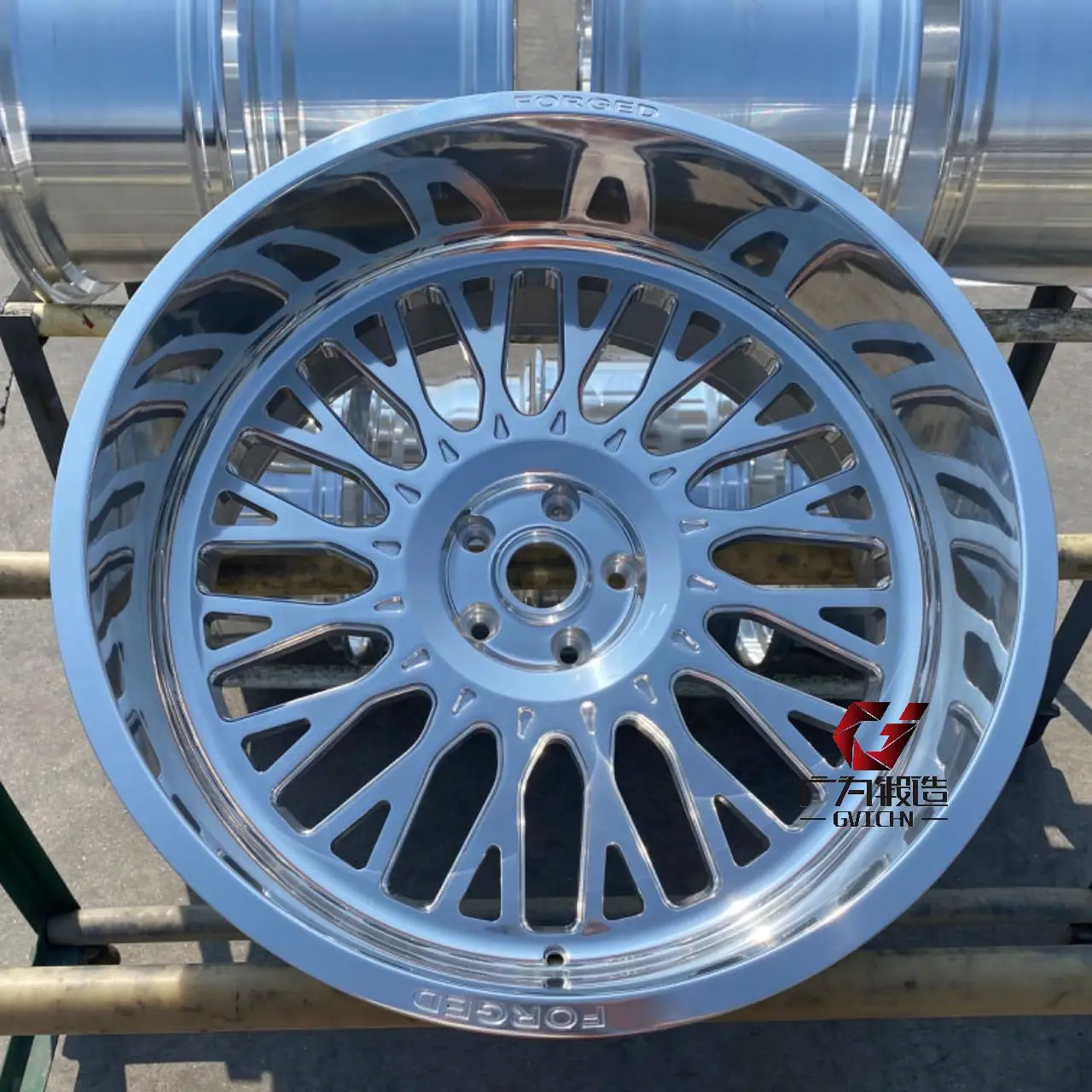
Решението да се премине от фабрично монтирани джанти към ковани джанти произлиза от измерими предимства в областта на безопасността, функционалността и експлоатационната икономика. За собствениците на камиони, които редовно надвишават стандартните натоварвания или подлагат своите превозни средства на условия извън пътя, подобрените структурни свойства на кованите джанти осигуряват съществена защита срещу катастрофален отказ. Шофьорите на SUV, които търсят подобряване на динамиката на управление и намаляване на неподрежданата маса, установяват, че кованите джанти осигуряват конкретни предимства в производителността, които преобразяват поведението на превозното средство. Разбирането защо кованите джанти имат значение изисква анализ на конкретните инженерни предимства, реалните предимства в експлоатация и икономическите аспекти, които правят тази модернизация стратегически ценна за изискващи приложения.
Инженерни предимства, които определят превъзходството на кованите джанти
Плътност на материала и структурна цялост
Процесът на ковка фундаментално променя вътрешната структура на алуминиевата сплав, създавайки материал с превъзходна насоченост на зърната и молекулярно подреждане. За разлика от литите дискове, при които разтопеният метал се затвърдява с произволни кристалични структури, при ковката се прилага огромно налягане, което компресира материала и подрежда границите на зърната по линиите на механичното напрежение. Тази насочена зърнеста структура води до производство на дискове, които устойчиво противостоят на пукане, огъване и катастрофално разрушаване при екстремни натоварвания. Приложенията в тежкотоварните камиони особено извличат полза от тази подобрена структурна цялост при преодоляване на препятствия, които генерират внезапни ударни сили.
Плътността на материала при кованите дискове обикновено надвишава тази при литите дискове с петнадесет до двадесет процента, което води до компоненти, способни да понасят по-високи концентрации на напрежение без постоянна деформация. Молекулярното уплътняване, постигнато по време на ковката обработка, елиминира микроскопичните празнини и порите, характерни за литите продукти. За SUV-овете, оборудвани с перформанс подвески, тази плътност на материала се отразява в дискове, които запазват прецизните си допуски при агресивни натоварвания при завиване. Елиминирането на вътрешни дефекти също удължава цикъла на умора, позволявайки на кованите дискове да издържат повтарящи се цикли на напрежение, които биха предизвикали разпространение на пукнатини в по-нискокачествени материали.
Намаляване на теглото без компромис с якостта
Една от най-убедителните причини за модернизация е парадоксалната комбинация от намалено тегло и увеличена якост, характерна за лите колела инженерите могат да проектират по-тънки профили на спиците и намалени напречни сечения на материала точно поради превъзходните свойства на материала, които позволяват да се поемат еквивалентни или по-големи натоварвания при по-малка маса. Типичен изковано колело за тежки условия на експлоатация тежи двайсет до трийсет процента по-малко от лито колело със съпоставима номинална товароподемност. Това намаляване на теглото се осъществява в периферията на колелото, където ротационната инерция оказва максимално влияние върху динамиката на превозното средство.
Намаляването на неподрежданата маса осигурява натрупващи се предимства в цялата автомобилна система. Компонентите на подвеската реагират по-бързо на неравностите на пътя, когато кованите колела намалят масата, която трябва да бъде контролирана. Системите за спиране постигат по-къси разстояния за спиране, тъй като трябва да бъде преодолян по-малък въртящ момент. Ускорението се подобрява, тъй като компонентите на трансмисията изразходват по-малко енергия за въртене на по-леките колела. За тежкотоварните камиони, които вече превозват значителен товар, спестяването на тегло от четири ковани колела представлява значимо увеличение на наличната товароподемност, без да се надвишават максималните допустими общи тегла на превозното средство.
Термичен мениджмънт и дисипация на топлина
Кованите колела демонстрират по-висока топлопроводност в сравнение с литите алтернативи — свойство, което става критично важно при продължително спиране или работа на високи скорости. Плътната и еднородна структура на материала осигурява ефективен отвод на топлината от спирачните компоненти към повърхността на колелото, където въздушният поток разсейва топлинната енергия. Тежките товарни автомобили, които слизат по планински склонове, подлагат спирачните системи на изключителни термични натоварвания, които могат да предизвикат намаляване на спирачната ефективност („спирачно изморяване“) или повреда на компонентите. Кованите колела активно допринасят за термичното управление, като действат като ефективни топлоотводи, които защитават спирачната ефективност.
Процесът на производство също позволява сложни дизайни на спиците, които максимизират въздушния поток през тялото на диска. Подобрени вентилационни модели насочват охлаждащия въздух директно към дисковите котлета и калперите, намалявайки работната температура при изискващи условия. Внедорожниците (SUV), оборудвани с пакети за високопроизводителни спирачки, особено извличат полза от термичните предимства на кованите дискове, тъй като по-ниските температури на спирачките удължават живота на спирачните колодки и осигуряват постоянна чувствителност на педала. Комбинацията от превъзходната топлопроводимост на материала и оптимизираната архитектура на въздушния поток прави кованите дискове задължителни за приложения, при които термичният контрол пряко влияе върху безопасността и производителността.
Експлоатационни предимства в реални приложения
Подобрена носимост
Собствениците на тежкотоварни камиони често управляват превозните си средства близо до пределните тегловни ограничения, определени от производителя, или дори ги надвишават, което създава условия, при които структурната издръжливост на колелата става ограничаващ фактор. Кованите колела имат значително по-високи натоварвания в сравнение с литите аналоги и осигуряват жизненоважни резерви за безопасност при транспортиране на максимални товари. Надпревишната материална якост позволява на производителите да проектират ковани колела с натоварвания, които отчитат както статичното тегло, така и динамичните сили, възникващи по време на ускоряване, спиране и завиване. Тази подобрена натоварваемост се оказва особено ценна за работни камиони, които редовно превозват строителни материали, селскостопанска техника или индустриални доставки.
Структурните предимства на кованите дискове се проявяват също така в намалено огъване под товар. Литите дискове могат леко да се огъват при поддържане на тежки тегла, което води до микроскопични движения, компрометиращи правилното подравняване на стъпалните лагери и ускоряващо износването им. Кованите дискове запазват размерната си стабилност дори при максималните номинални товари, което осигурява запазване на предварителното натоварване на лагерите и удължава експлоатационния живот на компонентите. За търговски оператори, управляващи паркове от превозни средства, тази издръжливост се превръща в намалени разходи за поддръжка и подобрен период на работа. Възможността да се работи уверено при пълна мощност, без да се компрометира цялостта на дисковете, представлява фундаментално икономическо предимство.
Подобрена динамика на управление и реакция на волана
Намаляването на теглото, постигнато чрез изковани дискове, значително подобрява характеристиките на управляемостта на превозното средство, особено при SUV-ове, проектирани така, че да осигуряват баланс между комфорт при движение по път и възможности за извънпътно каране. Намалената ротационна инерция позволява на дисковете по-лесно да променят посоката си в отговор на командите за завиване, което създава по-свързан и по-реактивен усет при шофиране. Ентусиастите шофьори забелязват незабавни подобрения в остротата при влизане в завой и в общата маневреност при замяна на дисковете с изковани. По-малката ротационна маса намалява и гироскопичното съпротивление, което прави смяната на лентите на висока скорост и аварийните маневри по-контролирани.
Системите за окачване функционират по-ефективно при управлението на по-леки неподрессорени компоненти. Амортисьорите поддържат по-добра връзка между гумите и пътната настилка, тъй като изразходват по-малко енергия за управляване на масата на колелата. Тази подобрена връзка се отразява в по-добра сцепяемост по време на ускорение и по-предсказуемо поведение при агресивно шофиране. За камионите, оборудвани с напреднали системи за контрол на стабилността, кованите дискове позволяват на електронните интервенции да работят по-ефективно, като намаляват инерционните маси, които тези системи трябва да управляват. Натрупаният ефект създава превозно средство, което изглежда по-стабилно, по-реактивно и по-уверено в различни експлоатационни условия.
Издръжливост при офроуд експлоатация и устойчивост към удари
Ентусиастите по оф-роуд избират ковани дискове специално поради тяхната способност да издържат удари, които биха повредили или унищожили литите алтернативи. Пълзенето по скали, високоскоростното каране в пустинята и екстремното оверленд каране подлагат дисковете на странични удари, натоварвания от компресия и внезапни тласъци, които изпитват граничните възможности на материала. Зърнестата структура и плътността на кованите дискове им позволяват да абсорбират тези удари чрез еластично деформиране, а не чрез постоянно повреждане. Докато литите дискове може да се напукат или счупят при удар в препятствия, кованите дискове обикновено се огъват и се връщат в първоначалната си форма без структурни компромиси.
Тази устойчивост на ударите удължава срока на експлоатация на оборудването в изискващи приложения. Професионалните пътни състезатели по оффроуд универсално избират кованите колела, тъй като състезателните среди редовно генерират сили, които надвишават нормалните експлоатационни условия. Същата издръжливост е от полза и за рекреационните потребители, които изследват отдалечени терени, където повреда на колелото може да остави превозното средство без помощ на значително разстояние от нея. За тежкотоварните камиони, използвани в строителството, минното дело или селското стопанство, кованите колела са устойчиви на повреди от отломки, неравни достъпни пътища и опасности на строителната площадка, които постепенно унищожават по-ниско качество компоненти. Възможността да се запази структурната цялост в продължение на години при тежки експлоатационни условия оправдава първоначалните инвестиции.
Икономически съображения и дългосрочна стойност
Анализ на общите разходи за собственост
Въпреки че кованите дискове имат по-висока първоначална цена в сравнение с литите алтернативи, комплексният икономически анализ показва благоприятни стойности на дългосрочната изгода. Продължителният експлоатационен живот на кованите дискове често надвишава този на няколко комплекта лити заместители, като разпределя покупната цена върху значително по-голям пробег. Устойчивостта към увреждания от удар и структурен отказ намалява неочакваните разходи за замяна, които нарушават бюджетите и операциите. За операторите на търговски камиони способността да поддържат дисковете в експлоатация през по-продължителни работни цикли подобрява използването на парка активи и намалява простоите.
Подобренията в икономията на гориво, резултиращи от намаляване на масата на въртящите се компоненти, водят до измерими намаления на експлоатационните разходи. Проучвания показват, че всяка отстранена паунд от въртящите се компоненти осигурява по-големи предимства за ефективността в сравнение с еквивалентно намаляване на статичната маса. През хиляди мили годишно спестяването на гориво, дължащо се на кованите колела, натрупва значителни суми, които компенсират по-високата първоначална покупна цена. Освен това по-високата товароподемност на кованите колела прави ненужни подобрения на колелата при увеличаване на товарните изисквания, което защитава първоначалната инвестиция срещу променящите се оперативни изисквания.
Стойност при повторна продажба и пазарно възприятие
Автомобилите, оборудвани с качествени ковани дискове, имат по-висока стойност при повторна продажба на вторичния пазар, тъй като проницателните покупатели разпознават предимствата в производителността и издръжливостта, които тези компоненти осигуряват. Визуалният апел на кованите дискове също подобрява общото представяне на автомобила, което допринася за по-бързи продажби и по-силни позиции при преговори. За собствениците на камиони и SUV-ове, които редовно обновяват своите автомобили, тази запазена стойност представлява възстановим капитал, който намалява реалната стойност на притежанието. Ентусиастките общности особено ценят кованите дискове като желани модификации, които оправдават по-високи цени.
Ринковото възприемане на кованите дискове като премиум компоненти излиза далеч зад простата им естетика. Осведомените покупатели разбират, че автомобилите, поддържани с качествени компоненти като кованите дискове, често получават по-добро общо обслужване и поддръжка. Тази асоциация с внимателното собственичество води до намаляване на скептицизма на покупателите и ускоряване на сроковете за транзакции. Флотските мениджъри, които заменят автомобилите след предварително определени интервали на обслужване, установяват, че единиците с ковани дискове последователно постигат по-високи търгови стойности, което подобрява общата икономика на флота и оправдава използването на премиум компоненти.
Намаляване на разходите за поддръжка
Предимствата на кованите дискове във връзка с тяхната издръжливост се отразяват директно в намаляване на изискванията за поддръжка през целия период на притежание. Литите дискове често понасят козметични и структурни повреди, които налагат повторно полирване или замяна, водейки до възникване на повтарящи се разходи. Кованите дискове са устойчиви към повреди от бордюри, корозия и пукнатини вследствие механично напрежение, които характеризират по-нискокачествените алтернативи, като запазват външния си вид и функционалност с минимално вмешателство. Елиминирането на тези поддръжки намалява както директните разходи за ремонт, така и косвените разходи, свързани с простоите на превозното средство.
Поддръжката, свързана с колелата, се разпростира и върху свързаните компоненти. Размерната стабилност на кованите колела под натоварване запазва правилното подравняване на лагерите на колелата и намалява аномалните модели на износване. Дълголетието на гумите се подобрява, когато са монтирани върху ковани колела, които запазват истинска кръглост и устойчивост на деформация. Компонентите на подвеската изпитват по-малко напрежение при управлението на по-леки неподвижни маси, което удължава експлоатационния живот на резиновите подложки, амортизаторите и механичните връзки. Тези натрупващи се предимства за поддръжката се усилват с течение на времето и създават общо предимство по отношение на разходите, което оправдава първоначалната инвестиция в ковани колела както за частни собственици, така и за оператори на автопаркове.
Предимства, специфични за конкретни области на приложение, за различни типове превозни средства
Тежкотоварни пикапи
Съвременните тежкотоварни пикапи изпълняват двойна роля – като средство за ежедневно преместване и като работно оборудване, което поражда уникални изисквания, които кованите дискове задоволяват ефективно. Носимоспособността на кованите дискове поддържа максималните конфигурации за буксиране и товарни сценарии, без да се компрометират границите на безопасността. Строителните професионалисти, които редовно превозват оборудване с прицепи, печелят от структурната цялост на кованите дискове, която предотвратява повреда на колелата по време на екстремни натоварвания. Намаляването на теглото на кованите дискове също подобрява икономичността на горивото по време на празен курс (без товар), намалявайки експлоатационните разходи при различни режими на използване.
Модификациите на подвеската от вторичния пазар, които стават все по-популярни сред собствениците на камиони, оказват допълнително натоварване върху компонентите на колелата. Повдигнатите подвески променят пътищата на предаване на товара и увеличават въздействащия момент върху точките за монтиране на колелата – условия, при които по-високата якост на кованите колела осигурява съществена защита. Собствениците на камиони, насочени към висока производителност, които инсталират по-големи тормозни системи, имат нужда от колела с достатъчно разстояние между гумата и диска (барел) и способности за термично управление – характеристики, които кованите колела лесно осигуряват. Многостранността на кованите колела ги прави идеални за камиони, които трябва да преминават безпроблемно между рекреационни, работни и високопроизводителни приложения.
Пълноразмерни SUV и люкс автомобили с универсално предназначение
Производителите на люксозни SUV все по-често предлагат кованите дискове като премиум опции, като признават предимствата им както по отношение на производителността, така и на външния вид. Намаляването на теглото подобрява ускорението, управляемостта и икономичността на горивото, без да се компрометира изискаността, очаквана в люксозните сегменти. Системите за напреднала помощ при шофиране функционират по-ефективно при управлението на по-леки неподреждащи се маси, което подобрява функциите за безопасност, които характеризират съвременните люксозни автомобили. Визуалният ефект от добре проектираните ковани дискове също допълва премиалния дизайн и външния вид, които люксозните покупатели изискват.
Пълноразмерните SUV-ове, използвани за семейни приключения и рекреационно буксиране, печелят от подобрени възможности, които позволяват кованите дискове. Повишените натоварвания поддържат по-големи каравани и лодъчни прицепи, като същевременно запазват стабилността при управление. Вариантите за безпътни условия, оборудвани с ковани дискове, преодоляват предизвикателни терени с по-голяма увереност и намален риск от повреда на компонентите. Съчетанието от производителност, възможности и издръжливост прави кованите дискове особено подходящи за SUV-ове, които трябва да осигуряват премиални преживявания в различни експлоатационни условия и среди.
Търговски и флотски приложения
Флотските мениджъри, които оценяват кованите колела за търговски камиони, се фокусират върху уравненията за общата стойност, които балансират първоначалните инвестиции спрямо разходите през целия жизнен цикъл. Удължената издръжливост на кованите колела намалява честотата на замяната, опростявайки управлението на запасите и намалявайки разходите за набавка. Устойчивостта към повреди в изискващи експлоатационни среди намалява броя на неплануваните поддръжки, които нарушават операциите и оставят шофьорите без превозно средство. За флота, който работи в сурови климатични условия или предизвикателни терени, предимствата в надеждността на кованите колела оправдават по-високите разходи за спецификация чрез подобрената наличност (uptime) и намалените разходи за аварийно обслужване.
Търговските приложения също печелят от подобренията в икономията на гориво, дължащи се на намалената маса на въртящите се части. Големите автопаркове, които изминават милиони километри годишно, постигат значителни намаления на разходите за гориво, когато са оборудвани с леки кованти колелета. Тези спестявания се натрупват по множество превозни средства и генерират възвращаемост, която надвишава допълнителната покупна премия в рамките на типичните цикли на амортизация. Професионалният външен вид на добре поддържаните кованти колелета също укрепва положителното възприемане на бранда за сервизни паркове, доставъчни превозни средства и търговски приложения, ориентирани към клиенти, където визуалното представяне на превозното средство влияе върху бизнес взаимоотношенията.
Често задавани въпроси
Колко тегло спестяват кованите колелета в сравнение с фабричните колелета?
Кованите колела обикновено тежат с двайсет до трийсет процента по-малко от еквивалентните лити колела, като реалната икономия варира в зависимост от размера и дизайна на колелото. За пълен комплект от четири колела на тежкотоварен камион това означава общо намаляване на въртящата се маса с четиридесет до осемдесет фунта. Икономията от тегло се постига предимно в периферията на колелото, където ротационната инерция оказва максимално влияние върху динамиката на превозното средство, поради което ефектът върху производителността е по-значим от еквивалентно статично намаляване на теглото в други части на превозното средство.
Изискват ли кованите колела специално поддържане или грижа?
Кованите колела не изискват специализирано поддържане освен стандартните практики за грижа за колела. Редовното почистване с pH-неутрално сапунено средство и вода запазва качеството на повърхностното покритие, докато периодичната инспекция за повреди гарантира непрекъснато безопасно функциониране. Издръжливите повърхностни покрития, нанесени върху кованите колела, по-добре устойчиви на околната среда в сравнение с много от покритията върху литите колела, всъщност намаляват изискванията за поддържане в сравнение с фабричните алтернативи. Избягването на агресивни химикали и абразивни почистващи средства пази външния вид, макар че структурната цялост на кованите колела остава неизменена при използване на типични почистващи продукти.
Могат ли кованите колела да бъдат поправени, ако са повредени?
Незначителните козметични повреди по кованите джанти често могат да бъдат поправени чрез професионални услуги за повторно покриване, макар че структурните повреди обикновено изискват замяна. Свойствата на материала, които правят кованите джанти устойчиви на пукане, също позволяват ограничено изправяне и ремонт при незначително огъване, въпреки че такива ремонти трябва да се извършват единствено от специалисти с подходящо оборудване. Надвисоката устойчивост на кованите джанти към ударни натоварвания означава, че те рядко получават повреди, които литите джанти не биха получили, поради което нуждата от ремонт е по-рядка като цяло, въпреки че при еквивалентни повреди ремонтопригодността им е подобна.
Струва ли си инвестициите в ковани джанти за превозни средства с по-ниски изисквания към производителността?
Дори превозните средства, които се експлоатират в рамките на нормалните параметри, имат полза от кованите дискове благодарение на подобрената икономичност на горивото, усъвършенстваното управление и удължения срок на експлоатация. Предимствата в отношение издръжливостта осигуряват защита срещу неочаквани повреди от дупки по пътя, чужди предмети и незначителни удари, които засягат всички превозни средства, независимо от тяхната цел за използване. За собствениците, които планират дългосрочно задържане на превозното си средство, по-дългият срок на експлоатация на кованите дискове разпределя първоначалните инвестиции върху по-голям пробег, което подобрява икономическата стойност. Решението в крайна сметка зависи от индивидуалните приоритети на собственика относно производителността, външния вид и общите разходи за притежание, а не от абсолютна експлоатационна необходимост.
Препоръчани продукти
 Горчиви новини
-
Продукти от кован въглерод
2024-05-21
-
Изкуствени аксесоари за извънпътни превози
2024-05-21
-
GVICHN представя революционен фалшиви двучастичен продукт
2024-05-21
 НА ЖИВО