كيف تختار عرض العجلة المصنوعة بالطرق الصحيح لحجم إطاراتك؟
اختيار الصحيح عجل مسبوك يُعد عرض العجلة المصنوعة بالطرق لحجم إطاراتك قرارًا هندسيًّا حاسمًا يؤثر مباشرةً على أداء المركبة وسلامتها ومدة عمر الإطارات. ويواجه العديد من عشاق السيارات ومدراء الأساطيل صعوبةً في تحديد هذه المواصفة لأن عرض العجلة يؤثر على هندسة منطقة التماس، وخصائص التحكم في القيادة، وأنماط تآكل الإطارات. ويكفل فهم العلاقة بين عرض العجلة المصنوعة بالطرق وأبعاد الإطار تركيبًا مثاليًّا يحقِّق أقصى استفادةٍ من الجاذبية البصرية والأداء الوظيفي معًا. ويوضِّح هذا الدليل المنهجية التقنية لتوافق عرض العجلة المصنوعة بالطرق مع مواصفات الإطارات، ويشمل ذلك معايير القياس، والمبادئ التوجيهية الصناعية، ومعايير الاختيار العملية التي يستخدمها المُركِّبون المحترفون يوميًّا.
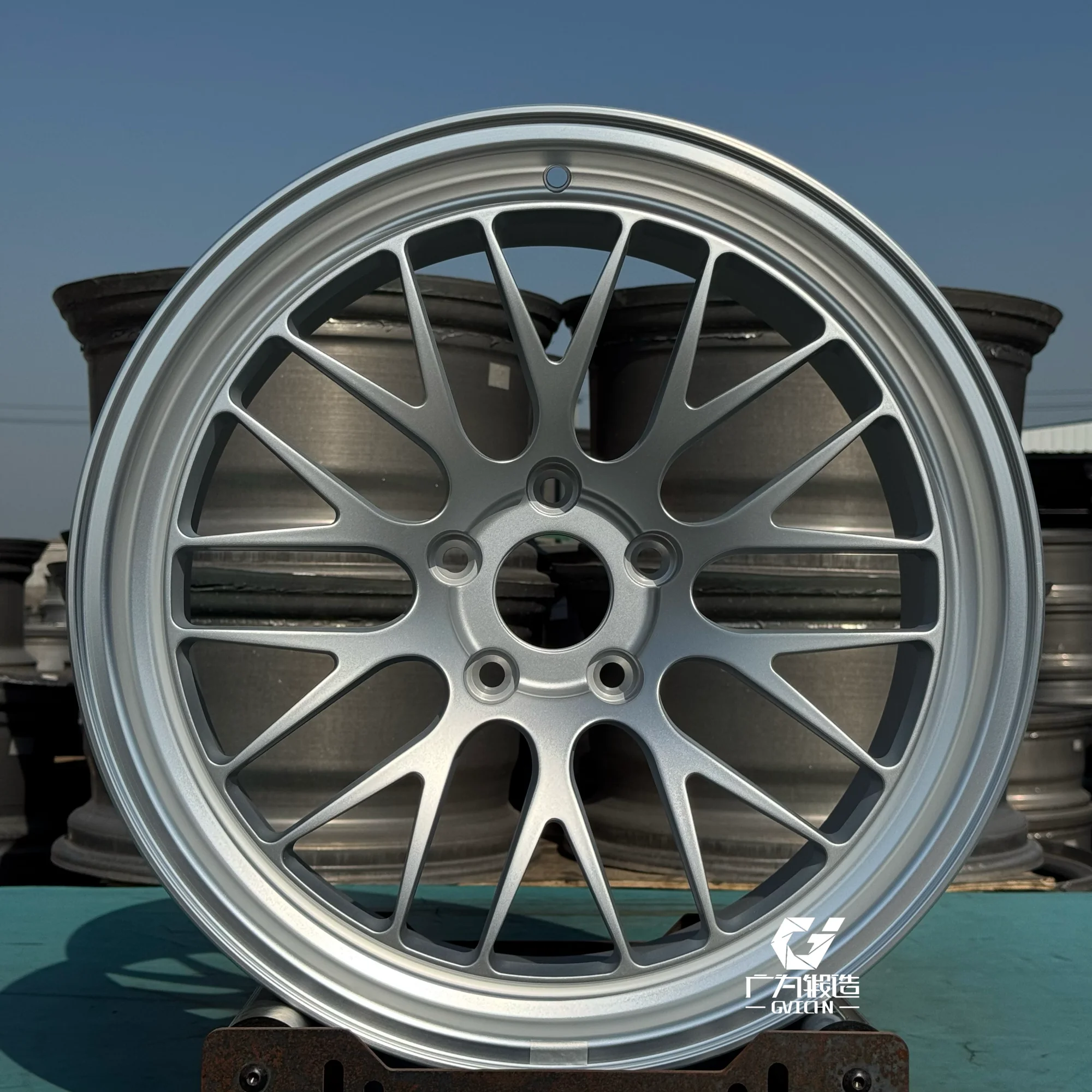
تتضمن عملية تحديد عرض عجلة مصنوعة بالطرق المناسبة تحليل عرض قسم الإطارات، ونسبة الارتفاع إلى العرض (النسبة الطولية)، والتطبيق المقصود للعجلة على المركبة. ويؤدي اختيار عرض العجلة بشكل غير صحيح إلى ضعف تثبيت حافة الإطار على العجلة، وتغيّر زوايا جوانب الإطار، وانخفاض استقرار المركبة أثناء المنعطفات. سواء كنت تقوم بالترقية من العجلات الأصلية الموردة مع المركبة أو تحدد عجلات مصنوعة بالطرق حسب الطلب لتطبيقات الأداء العالي، فيجب أن يتوافق بُعد العرض مع مواصفات الشركة المصنعة للإطارات ومع متطلبات حمل المركبة. وتقدّم هذه المقالة منهجية منهجية لحساب والتحقق من العرض الصحيح للعجلات المصنوعة بالطرق لأي مقاس إطارات، مما يضمن تركيبًا آمنًا وأداءً ميكانيكيًّا أمثلًا في السيارات الشخصية والمركبات الرياضية والتطبيقات التجارية الخفيفة.
فهم العلاقة بين عرض قسم الإطار وعرض العجلة المصنوعة بالطرق
معايير قياس عرض قسم الإطار
عرض المقطع الإطاري يمثل القياس من الجدار الجانبي الخارجي إلى الجدار الجانبي الخارجي الآخر عندما يكون الإطار مركّبًا على عرض الحافة المحدّد له ومنظّمًا بالهواء بشكلٍ صحيح. ويُعبَّر عن هذا البُعد بوحدة المليمتر في تسمية مقاس الإطار، مثل الرقم 245 في التخصيص 245/40R18. ويعتمد قياس عرض المقطع على تركيب الإطار على عرض الحافة الذي أوصى به مصنع الإطار، وهو ما يشكّل الأساس لحساب عرض العجلة المصنوعة بالطرق المناسبة. ومن الأساسي فهم أن عرض المقطع يتغير تبعًا لعرض الحافة، لأن تركيب نفس الإطار على عجلات أوسع أو أضيق يؤدي إلى تغيّر القيمة الفعلية المقاسة لعرض المقطع بمقدار تقريبي يبلغ ٥ ملم لكل تغيّر نصف إنش في عرض الحافة.
تتبع العلاقة بين عرض قسم الإطارات وعرض العجلة المصنوعة بالطرق مبادئ الهندسة التي وضعتها رابطات الإطارات والعجلات في جميع أنحاء العالم. وتُصدر هذه المنظمات مواصفات عرض الحافة القياسية التي تُعرِّف عرض العجلة القياسي المستخدم لتحديد الأبعاد الاسمية للإطار. فعلى سبيل المثال، فإن الإطار ذي عرض القسم ٢٤٥ مم يمتلك عادةً عرض حافة قياسية قدره ٨٫٠ بوصة، أي أن الأبعاد المنشورة تفترض هذا العرض المحدد للعجلة المصنوعة بالطرق. وعندما تبتعد عن عرض الحافة القياسية، تتغير الخصائص الفعلية لأداء الإطار بطريقة يمكن التنبؤ بها، ويجب أخذ هذه التغيرات في الاعتبار أثناء اختيار العجلة.
كيف يؤثر عرض العجلة على هندسة ملف الإطار
يؤثر عرض العجلة المصنوعة بالطرق مباشرةً على زاوية جدار الإطار الجانبي، وشكل منطقة التلامس، والملف العام للإطار. فعند تركيب إطارات على عجلة أضيق من عرض الحافة القياسية، فإن الجدران الجانبية للإطار تنتفخ إلى الخارج بشكل أكثر وضوحًا، ما يُنتج ملفًّا دائريًّا وعرضًا أضيق لمنطقة التلامس. وعلى العكس من ذلك، يؤدي تركيب نفس الإطار على عجلة مصنوعة بالطرق وأعرض إلى شدّ الإطار، فيصبح ملفّه مسطّحًا ويتسع عرض منطقة التلامس مع انخفاض طول الجدار الجانبي قليلًا. وتؤثّر هذه العلاقة الهندسية في استجابة التوجيه، وراحتية القيادة، وأنماط اهتراء الإطار عبر سطح النتوءات.
يُحافظ العرض الأمثل لعجلة التزوير على زوايا جدار الإطار الجانبي ضمن النطاق المصمم من قِبل الشركة المصنعة، والذي يتراوح عادةً بين ٩٠ و١١٠ درجة بالنسبة إلى سطح التثبيت. ويؤدي التمدد المفرط للإطار خارج العروض الموصى بها للعجلات إلى إضعاف قدرة حافة الإطار على الختم بشكلٍ صحيح ضد حافة الحافة (الريم)، ما قد يتسبب في فقدان الهواء أو فشل كارثي تحت التحميل. ويحسب متخصصو تركيب العجلات المحترفون النطاق المقبول لعرض عجلات التزوير بالاستناد إلى مخططات نطاق عرض الحواف الصادرة عن شركة تصنيع الإطارات، والتي تحدد أدنى عرض مسموح به وعرض القياس وأقصى عرض مسموح به لكل مقاس إطارات. وبالمكوث داخل هذه النطاقات المنشورة يُضمن أن يعمل الإطار وفق التصميم الهندسي الأصلي له، مع إتاحة مجال معقول للتخصيص وفقاً لتفضيلات الأداء أو الجماليات.
المعايير الصناعية لتصنيف عرض العجلات
يُقاس عرض العجلة المصنوعة بالطرق بالبوصة بين سطحي مقعد الحافة الداخلية حيث تتلامس حافتَا الإطار. ويختلف هذا البُعد عن عرض وجه العجلة الكلي أو القياس من حافة إلى حافة خارجية. وتشمل التصاعُدات القياسية لعرض العجلة المصنوعة بالطرق: ٦٫٠، ٦٫٥، ٧٫٠، ٧٫٥، ٨٫٠، ٨٫٥، ٩٫٠، ٩٫٥، ١٠٫٠، ١٠٫٥، ١١٫٠، و١٢٫٠ بوصة، مع كون التصاعُدات نصف البوصة هي الأشيع في تطبيقات المركبات الشخصية. وقد تحدد تطبيقات الأداء العالي والسباقات عرض العجلة المصنوعة بالطرق بوحدات ربع البوصة لتحقيق تحسين دقيق في التثبيت.
يتبع نظام التسمية لعرض عجلات التزوير المعيارَ القياسيَّ، حيث تشير العلامة «8.0J» على العجلة إلى عرضٍ قدره ٨٫٠ بوصة مع ملف تعريف مقعد الحافة من النوع «J». ويمثِّل قياس العرض المسافة بين انتفاخات أو حواف مقعد الحافة التي تحجز حافتي الإطارات أثناء الانعطاف وأحمال التصادم. ويساعد فهم هذا المعيار القياسي للقياس في تجنُّب اللبس عند مقارنة مواصفات عرض عجلات التزوير عبر شركات تصنيع مختلفة أو عند التحويل بين الوحدات المترية والإنجليزية. وتستخدم بعض الأسواق تسميات عرض العجلات بالمقياس المتري، لكن النظام القائم على البوصة لا يزال هو السائد في تطبيقات المركبات الخفيفة في أمريكا الشمالية وأوروبا.
حساب النطاق الأمثل لعرض عجلات التزوير لأي مقاس إطارات
باستخدام طريقة صيغة صناعة الإطارات
تستخدم صناعة الإطارات منهجًا رياضيًّا بسيطًا لتحديد عرض العجلة المصنوعة بالطرق المناسبة استنادًا إلى عرض قسم الإطار. والصيغة الأساسية تقسم عرض قسم الإطار بوحدة الملليمتر على العدد ٢٥,٤ للتحويل إلى البوصة، ثم تضرب الناتج في معامل يتراوح بين ٠,٧٠ و٠,٨٥ لتحديد مدى العرض المثالي للإطار (الحلقة الخارجية). فعلى سبيل المثال، يُحوَّل إطارٌ عرض قسمه ٢٤٥ ملليمترًا إلى ٩,٦٥ بوصة، وعند ضرب هذه القيمة في ٠,٧٠ نحصل على ٦,٧٦ بوصة كأدنى عرض موصى به للعجلة المصنوعة بالطرق، بينما يُعطينا الضرب في ٠,٨٥ قيمة ٨,٢٠ بوصة كأقصى عرض موصى به.
توفر هذه الطريقة الحسابية مدىً نظريًّا يتطابق انسجامًا وثيقًا مع مواصفات الشركة المصنِّعة لمعظم مقاسات الإطارات. وعادةً ما يقع عرض حافة العجلة المستخدمة في القياس قرب المعامل ٠٫٧٥ ضمن هذا النطاق، وهو ما يمثل النقطة التصميمية الاسمية. ويُحسِّن المُركِّبون المحترفون هذا الحساب بالاستعانة بجداول تركيب الإطارات الخاصة بكل شركة مصنِّعة، والتي تأخذ في الاعتبار الاختلافات في طريقة التصنيع وتصميم النتوءات (الأسهم) والفئة المقصودة للاستخدام. وغالبًا ما تسمح إطارات الأداء الفائق جدًّا باستخدام نطاق أوسع من عروض العجلات المصنوعة بالطرق مقارنةً بإطارات القيادة السياحية أو الإطارات الشتوية/الموسمية الكاملة ذات نفس عرض المقطع، وذلك بسبب بنية الجوانب المُعزَّزة ومعايير التصميم الموجَّهة نحو الأداء.
تطبيق جداول نطاق عرض حافة العجلة الخاصة بالشركة المصنِّعة
تُنشر شركات تصنيع الإطارات جداول تفصيلية لمدى عرض الحواف تحدد أدنى عرض مسموح به للعجلات المصنوعة بالطرق الحراري، وعرض الحافة القياسي المستخدم للقياس، وأقصى عرض مسموح به للعجلات المصنوعة بالطرق الحراري لكل مقاس إطارات ضمن خطوط منتجاتها. وتتفوق هذه الجداول على طرائق الحساب العامة لأنها تأخذ في الاعتبار خصائص البناء المحددة، وتركيبات المركبات الكيميائية، والأهداف الأداء الخاصة بكل نموذج إطارات. ويُوفّر الوصول إلى هذه الجداول عبر مواقع الشركات المصنعة أو وثائق البيانات الفنية إرشادات قاطعة لاختيار عرض العجلات المصنوعة بالطرق الحراري الذي يضمن تغطية الضمان وأداء الإطارات الأمثل طوال فترة خدمتها.
فعلى سبيل المثال، قد يحدد إطارات الأداء بمقاس 255/35R19 مدى عرض الحافة بين 8.5 و10.0 بوصة، مع عرض حافة قياسي للقياس يبلغ 9.0 بوصة، بينما قد توصي إطارات السفر الطويل لنفس المقاس بمدى عرض يتراوح بين 8.5 و9.5 بوصة نظراً لاختلاف خصائص صلابة الجدار الجانبي. واختيار عرض العجلات المصنوعة بالطرق الحراري عند الطرف الأوسع من نطاق الشركة المصنعة، يُنتج عادةً استجابةً أكثر حدة للتوجيه واستقرارًا محسّنًا أثناء المنعطفات، بينما تفضّل الاختيارات الأضيق داخل النطاق راحة القيادة والتماسك على الطرق الرطبة. ويساعد فهم هذه المفاضلات في اتخاذ قراراتٍ مستنيرةٍ تستند إلى أولويات القيادة ومتطلبات تطبيق المركبة.
مراعاة تأثير نسبة الارتفاع إلى العرض
نسبة ارتفاع جدار الإطار إلى عرضه، والتي تمثّل ارتفاع الجدار الجانبي كنسبة مئوية من عرض المقطع، تؤثر تأثيرًا كبيرًا في مدى عرض العجلات المصنوعة بالطرق الذي يُسمح باستخدامه، وفي الاختيار الأمثل ضمن هذا النطاق. فالأطواق ذات نسبة الارتفاع المنخفضة، التي تمتلك جدرانًا جانبية أقصر وأكثر صلابةً، تتحمّل عرض عجلات أوسع بشكل أفضل مقارنةً بالأطواق ذات نسبة الارتفاع الأعلى، والتي تمتلك جدرانًا جانبية أطول وأكثر مرونةً. وعادةً ما يؤدي أطارٌ بنسبة ارتفاع 35 أو 40 إلى أداء جيد عبر كامل نطاق عرض العجلات المصنوعة بالطرق المحدَّد من قِبل الشركة المصنِّعة، بينما قد تظهر على إطار بنسبة ارتفاع 65 أو 70 مشكلات في التحكم أو تآكلٌ متسارعٌ في الكتفين عند تركيبه على عجلات تقع عند طرفي النطاق المحدَّد.
تصبح العلاقة بين نسبة العرض إلى الارتفاع وعرض العجلة المصنوعة بالطرق المثالي مهمةً بشكل خاص في تطبيقات الترقية (Plus-sizing)، حيث يزيد عشاق السيارات من قطر العجلة مع تقليل ارتفاع الجدار الجانبي. ومع انخفاض نسبة العرض إلى الارتفاع، فإن النطاق المقبول لعرض العجلة يتوسع عادةً، ما يسمح بتثبيت أكثر جرأة دون المساس بسلامة الإطار. ومع ذلك، فإن الحفاظ على زيادات متناسبة بين عرض العجلة المصنوعة بالطرق وقطرها يضمن توزيع الأحمال بشكلٍ صحيح ويمنع تركّز الإجهادات الزائدة في منطقة الحافة (Bead Area). وغالبًا ما يوصي متخصصو التثبيت المحترفون بالبقاء ضمن بوصة واحدة من عرض الحافة القياسية (Measuring Rim Width) بالنسبة لنسب العرض إلى الارتفاع التي تزيد عن 55، والسماح بتباين يصل إلى بوصتين بالنسبة لنسب العرض إلى الارتفاع التي تقل عن 40.
معايير الاختيار العملية فضلاً عن الحسابات الأساسية
التطبيق المركبي والأهداف الأداء
إن تطبيق المركبة المقصود يشكّل بشكل جوهري الاختيار الأمثل لعرض عجلات الإطارات المصنوعة بالطرق ضمن النطاق المعتمد من قبل الشركة المصنعة. فتُركّز المركبات المستخدمة يوميًّا على راحة القيادة، وطول عمر الإطارات، والكفاءة في جميع الأحوال الجوية، ما يوحي باختيار عرض عجلات الإطارات المصنوعة بالطرق قرب الحافة القياسية أو أضيق قليلًا منها. أما التطبيقات الموجَّهة نحو حلبات السباق فتستفيد من العروض الأوسع التي تُحسِّن مساحة سطح التماس إلى أقصى حد، وتقوّي التصاق الإطارات أثناء المنعطفات، وتعزِّز دقة التوجيه. وبفهم أهدافك الخاصة في الأداء، يمكنك اتخاذ قرار استراتيجي باختيار عرض عجلات الإطارات المصنوعة بالطرق بما يحقِّق أقصى استفادة من الخصائص الأكثر أهمية في بيئة قيادتك.
غالبًا ما تدفع تطبيقات المنافسة والرياضة الميكانيكية عرض العجلات المصنوعة بالطرق إلى الحد الأقصى الذي حددته الشركة المصنعة، أو حتى تجاوزه قليلًا عند استخدام إطارات تنافسية مُصنَّعة خصيصًا. وتتقبَّل هذه السيناريوهات بعض التنازلات مثل زيادة معدلات اهتراء الإطارات وانخفاض الأداء على الطرق الرطبة، مقابل تحقيق أقصى قدر من الجر على الطرق الجافة والاستقرار عند السرعات المرتفعة. أما تطبيقات الأداء على الطرق العامة فتتطلب اختيار عرض عجلات مصنوعة بالطرق بشكل أكثر توازنًا، بحيث يحافظ على عمر معقول للإطارات وهامش أمان كافٍ، مع تحقيق تحسينات ملحوظة في التحكم بالسيارة مقارنةً بالمواصفات القياسية للمصنع. ويُوصى باستشارة مُركِّبين ذوي خبرة ملمِّين بمنصة مركبتك واختيارات إطاراتك لتحديد العرض الأمثل للعجلات المصنوعة بالطرق الذي يناسب نمط استخدامك الخاص.
التحقق من المسافات البينية وهندسة نظام التعليق
يتطلب اختيار عرض عجلة مصنوعة بالطرق المناسبة التحقق من أن تجميع الإطارات والعجلات الناتج لا يصطدم بمكونات نظام التعليق، ومقابض المكابح، والألواح الخارجية للجسم خلال مدى الحركة الكامل لنظام التعليق وزاوية التوجيه القصوى. ويؤدي زيادة عرض العجلة المصنوعة بالطرق إلى دفع جدار الإطار الجانبي الخارجي إلى الخارج أكثر، ما قد يتسبب في احتكاك مع بطانات المصدات أو الألواح الخارجية للجسم أثناء انضغاط نظام التعليق أو عند إدخال زاوية التوجيه القصوى. وبإضافة إلى ذلك، فإن البُعد الجانبي للعجلة (Offset) يتفاعل مع عرض العجلة المصنوعة بالطرق لتحديد موضع البرميل الداخلي بالنسبة لأذرع التعليق، وعلب وحدات التعليق (Strut Housings)، ومكونات المكابح.
يأخذ تحليل تركيب العجلات الاحترافي في الاعتبار عرض عجلات التزوير والانزياح (أوفسيت) معًا بشكلٍ متزامن لضمان وجود مسافة كافية في جميع المناطق الحرجة. ويساعد تركيب العجلات تجريبيًّا باستخدام المسافات المناسبة (سباسرز) أو استخدام حاسبات التركيب الرقمية في التنبؤ بمشاكل التداخل قبل الشراء. وقد تحدّ بعض المركبات التي تمتلك مسافات ضيقة بين الإطارات والغطاء الجانبي (الفيندر) من العرض العملي الممكن لعجلات التزوير، بغض النظر عن مواصفات الشركة المصنِّعة للإطارات، ما يستدعي إجراء تنازلات بين العرض المرغوب فيه والقيود الفيزيائية المتعلقة بالتركيب. وبذلك، فإن فهم القيود المحددة لمسافات التخزين في مركبتك يمنع ارتكاب أخطاء مكلفة ويضمن تركيب عجلات وإطارات آمن ووظيفي يؤدي أداءً موثوقًا به في جميع ظروف التشغيل.
تصنيف الحمولة والاعتبارات الهيكلية
يجب أن تأخذ عملية اختيار عرض العجلة المصنوعة بالطرق بعين الاعتبار متطلبات حمل المركبة ومواصفات مؤشر حمل الإطارات لضمان سعة تحمل كافية. وقد يؤثر تركيب الإطارات على عجلات مصنوعة بالطرق ذات العرض الخارجة عن التوصيات الصادرة عن الشركة المصنِّعة على قدرتها على حمل الأحمال، وذلك بسبب تغيُّر ضغط جلوس الحافة (Bead Seating Pressure) وتوزيع الحمل على الجدار الجانبي للإطار. وعادةً ما تحافظ العجلات الأوسع ضمن النطاق المعتمَد أو تحسّن قدرتها على حمل الأحمال بشكل طفيف، وذلك من خلال توزيع القوى عبر مساحة اتصال أوسع؛ في حين قد تؤدي التركيبات الضيقة للغاية إلى تركيز الأحمال وزيادة خطر الفشل في ظل أقصى وزن مسموح به للمركبة.
تتطلب تطبيقات المركبات التجارية والمركبات التي تُستخدم عادةً عند الحمولة الإجمالية للمركبة أو بالقرب منها اهتمامًا خاصًّا باختيار عرض العجلات المصنوعة بالطرق في الأجزاء المحافظة من النطاق الموصى به من قِبل الشركة المصنِّعة. وتوفِّر مزايا الهيكل الناتجة عن تصنيع العجلات بالطرق نسب قوة إلى وزن متفوِّقة مقارنةً بالعجلات المصبوبة، ما يجعل العجلات المصنوعة بالطرق مناسبةً بشكلٍ خاصٍّ للتطبيقات الشاقة. ومع ذلك، يظل اختيار عرض العجلات المصنوعة بالطرق بشكلٍ صحيحٍ أمرًا جوهريًّا لضمان جلوس حافة الإطار بشكلٍ سليم والحفاظ على سلامة الختم تحت الضغوط والأحمال المرتفعة التي تواجهها في بيئات الخدمة الثقيلة.
الأخطاء الشائعة وكيفية تجنّبها
مخاطر تمدُّد الإطارات المفرط
واحد من أكثر الأخطاء شيوعًا في اختيار عرض العجلات المصنوعة بالطرق هو تركيب الإطارات عمداً على عجلات أوسع بكثير من الحد الأقصى المحدد من قِبل الشركة المصنعة لتحقيق مظهرٍ عدواني. وتُعرف هذه الممارسة باسم «شد الإطار»، وهي تُعرّض السلامة للخطر من خلال تقليل قوة احتفاظ الحافة، وتكوين تركيزات إجهادية في منطقة الحافة، وقد تؤدي إلى فقدان الهواء فجأة أو انفصال الإطار أثناء القيادة الحماسية أو عند التصادم. كما أن تركيبات الشد تُلغي ضمانات الإطارات، وقد تُحدث مشكلات تتعلق بالمسؤولية القانونية إذا أدّى الفشل إلى أضرار مادية أو إصابات.
يتم اختيار عرض العجلة المصنوعة بالطرق بشكل آمن وفقًا لمواصفات العرض الأقصى للإطار التي حددتها الشركة المصنعة، باعتبارها حدودًا مطلقة وليس اقتراحات. وعلى الرغم من أن التباينات الطفيفة التي تصل إلى ربع أو نصف بوصة فوق المواصفات القصوى قد تعمل مع بعض تركيبات الإطارات، فإن اتباع هذه الممارسة يُعرّض السلامة لخطر غير ضروري دون تحقيق فوائد أداء متناسبة. ويَرفض المُركِّبون المحترفون تركيبات الإطارات ذات الشد المفرط، لأن هامش الأمان المُدمج في تصميم الإطارات يفترض تركيبها ضمن نطاقات العرض المحددة للعجلات المصنوعة بالطرق. ويضمن الحفاظ على عرض العجلة المناسب بالنسبة لحجم الإطار جلوس الحافة (Bead) بشكل موثوق، وأداء جدار الجنب (Sidewall) الوظيفي السليم، وخصائص التحكم في القيادة المتوقعة تحت جميع ظروف القيادة.
تجاهل التوصيات الخاصة بالإطارات
خطأ شائع آخر يتمثل في تطبيق طرائق حساب عامة دون الرجوع إلى توصيات الشركة المصنعة للإطارات المحددة الخاصة بالنموذج الدقيق من الإطارات التي يتم تركيبها. فقد تتطلب تصاميم الإطارات المختلفة ذات التسميات الحجمية المتطابقة عرضًا مختلفًا للجنط، وذلك اعتمادًا على الاختلافات في البناء وفئات الاستخدام المقصودة والأهداف الأداء. فعلى سبيل المثال، قد يحدد إطارات الأداء الصيفي وإطارات السياحة لجميع الفصول، وكلاهما بحجم 245/45R18، نطاقات مختلفة مُوصى بها لعرض الجنط المُصنع بالطرق الحرارية (Forged Wheel)، رغم تشابه أبعادهما الأساسية.
يؤمِنُ الوصول إلى البيانات الفنية الخاصة بالمصنِّع أنَّ اختيار عرض العجلات المصنوعة بالطرق يتوافق مع الطريقة التي صُمِّمت ووُضِعت فيها كل إطاراتٍ معيَّنة تحت الاختبار. ويكتسب هذا الاهتمام بالتفاصيل أهميةً خاصةً عند خلط علامات تجارية مختلفة من الإطارات بين المحور الأمامي والخلفي، أو عند استبدال العجلات والإطارات كجزءٍ من تعديلات نظام التعليق. وإن أخذ الوقت الكافي للرجوع إلى المواصفات الصحيحة يمنع التوليفات غير المثلى التي قد تُضعف توازن التحكم في القيادة، أو تُسرِّع التآكل غير المنتظم، أو تُحدث مخاوف تتعلَّق بالسلامة. كما تجعل قواعد بيانات الإطارات الرقمية وموارد الدعم الفني للمصنِّعين الحصول على توصيات دقيقة بشأن عرض العجلات المصنوعة بالطرق أمراً سهلاً لأي طراز إطاراتٍ قيد الإنتاج حالياً.
إهمال التفاعل بين العرض والانزياح
يركّز العديد من عشاق السيارات بشكل حصري على عرض العجلات المصنوعة بالطرق، دون أخذ تأثير البُعد الجانبي (Offset) على هندسة تركيب العجلات ككل في الاعتبار بشكل كافٍ. ويُعرَّف البُعد الجانبي للعجلة بأنه موضع سطح التثبيت بالنسبة إلى خط منتصف العجلة، ما يؤدي فعليًّا إلى إزاحة مجموعة العجلة والإطارات بأكملها نحو الداخل أو الخارج بالنسبة إلى هيكل المركبة. وبزيادة عرض العجلات المصنوعة بالطرق مع الحفاظ على نفس القيمة للبعد الجانبي، فإن كلًّا من السطح الداخلي والخارجي للإطار يتحركان بنفس المقدار، ما قد يتسبب في احتكاكٍ مع مكوّنات نظام التعليق من الداخل، ومع ألواح الغطاء الجانبي (الفاندر) من الخارج.
يُقيّم تحليل التثبيت المناسب عرض العجلات المصنوعة بالطرق وانزياحها معًا لتحديد موضع الإطارات بشكل دقيق داخل المسافات المتاحة للتباعد. وقد تتطلب بعض التطبيقات تعديل الانزياح عند تغيير عرض العجلات المصنوعة بالطرق، وذلك للحفاظ على نصف قطر الاحتكاك (scrub radius) الصحيح والهندسة المناسبة لتوجيه العجلات. ويحسب المُركِّبون المحترفون الانزياح المثالي استنادًا إلى عرض العجلات المصنوعة بالطرق المختارة، مما يضمن هوامش تباعد كافية مع الحفاظ على هندسة نظام التعليق ضمن المواصفات التي حدّدها الصانع. ويساعد استخدام حاسبات التثبيت أو الاستعانة بخبراء متخصصين في منصة مركبتك المحددة في تحديد أفضل تركيبات العرض والانزياح التي تحقق المظهر والأداء المرغوبَيْن دون المساس بالسلامة أو عمر المكونات الافتراضي.
الأسئلة الشائعة
ماذا يحدث إذا قمت بتثبيت إطارات على عجلات مصنوعة بالطرق ضيقة جدًّا؟
يؤدي تركيب الإطارات على عجلات مصنوعة من السبائك المطروقة ذات العرض الأضيق من الحد الأدنى المحدد من قِبل الشركة المصنعة إلى انتفاخ مفرط في جوانب الإطار، مما يقلل من عرض سطح التماس، ويزيد من مقاومة الدحرجة، ويُسرّع من تآكل الكتفين. كما يصبح ملف الإطار أكثر استدارةً مع انحناءٍ أوضح في الجوانب، ما يؤدي إلى تدهور ثبات الانعطاف ودقة التوجيه. وفي الحالات القصوى، قد تمنع تركيبات العجلات الضيقة الجلوس الصحيح لحافة الإطار (Bead)، ما يسبب مشاكل في احتفاظ الإطار بالهواء ويزيد من خطر انفصال الإطار أثناء المناورات العنيفة أو عند التحميل الناتج عن الصدمات.
هل يمكن أن يؤثر عرض العجلات المصنوعة من السبائك المطروقة على كفاءة استهلاك الوقود وأنماط تآكل الإطارات؟
نعم، عرض العجلة المصنوعة بالطرق يؤثر تأثيرًا كبيرًا على كفاءة استهلاك الوقود وأنماط اهتراء الإطارات من خلال تأثيره على هندسة منطقة التماس ومقاومة الدوران. ويُعزِّز العرض الأمثل للعجلة المصنوعة بالطرق ضمن النطاق الذي أوصى به الصانع اهتراءً متساويًا لسطح الإطار عبر عرض منطقة التماس بأكملها. أما التركيبات ذات العجلات الأوسع من اللازم فتؤدي إلى اهتراء في الجزء المركزي بسبب تسطّح قمة الإطار، بينما تؤدي التركيبات الأضيق من اللازم إلى تسريع اهتراء الكتفين نتيجة زيادة الحمل على الحواف. ويحافظ الاختيار السليم للعرض على توزيع متوازن لضغط التماس، ما يُحسّن عمر الإطار ويقلل مقاومة الدوران لتحسين كفاءة استهلاك الوقود.
كيف يختلف اختيار عرض العجلة المصنوعة بالطرق بين التطبيقات الأمامية والخلفية؟
تستخدم العديد من المركبات عالية الأداء تركيبات غير متناظرة (مُتدرجة) تتميّز بعرض عجلات مصنوعة بالطرق أوسع في المحور الخلفي، وإطارات أكبر حجمًا على المحور الخلفي مقارنةً بالمحور الأمامي. ويُحسّن هذا الترتيب من قوة الجر الخلفية عند التسارع واستقرار المركبة أثناء المنعطفات في التطبيقات ذات الدفع الخلفي. وعند اختيار تركيبات عرض العجلات المصنوعة بالطرق غير المتناظرة، يجب الحفاظ على العلاقات التناسبية بين أبعاد المحور الأمامي والخلفي، مع جعل عرض العجلة الخلفية عادةً أكبر بـ ٠٫٥ إلى ٢٫٠ بوصة من العجلة الأمامية، وذلك تبعًا لتصميم المركبة وتوافر أحجام الإطارات. كما يجب أن يظل عرض العجلة المصنوعة بالطرق لكل محور ضمن النطاق الموصى به من قِبل شركة تصنيع الإطار المُستخدمة، لضمان الأداء السليم والسلامة في كلا الموضعين.
هل توجد جدول تحويل عالمي لتحويل عرض القطاع الإطاري إلى عرض العجلة المصنوعة بالطرق؟
وبينما توفر طرق الحساب العامة إرشادات أساسية، فإن أي جدول عام لا يمكنه التنبؤ بدقة بالعرض الأمثل لعجلات الإطارات المصنوعة بالطرق (Forged Wheel) عبر جميع طرازات الإطارات، لأن الاختلافات في طريقة التصنيع تؤثر تأثيراً كبيراً على التوصيف المثالي. وتنشر شركات تصنيع الإطارات جداول خاصة لمدى عرض الحواف (Rim Width Range) لكل طراز من الإطارات، وتتفوق هذه الجداول على التحويلات العامة. وتأخذ مواصفات الشركة المصنِّعة هذه بعين الاعتبار صلابة جانبي الإطار (Sidewall Stiffness)، وتصميم حزمة الأحزمة (Belt Package Design)، والخصائص الأداء المُقصودة التي تميّز كل طراز إطارات. ولذلك، يجب دائمًا الرجوع إلى بيانات الشركة المصنِّعة الخاصة بالطراز المحدد من الإطارات الذي تنوي تركيبه، بدلًا من الاعتماد فقط على صيغ التحويل العامة عند اختيار عرض عجلات الإطارات المصنوعة بالطرق.
المنتجات الموصى بها

 الأخبار الساخنة
-
منتجات الكربون المزورة
2024-05-21
-
ملحقات الطرق الوعرة
2024-05-21
-
" جي في إتش إن " تقدم منتج ثوري مزور من قطعتين
2024-05-21
 على الإنترنت