Why Are H-Shaped Wheels Becoming a Popular Choice for Custom Truck and SUV Builds?
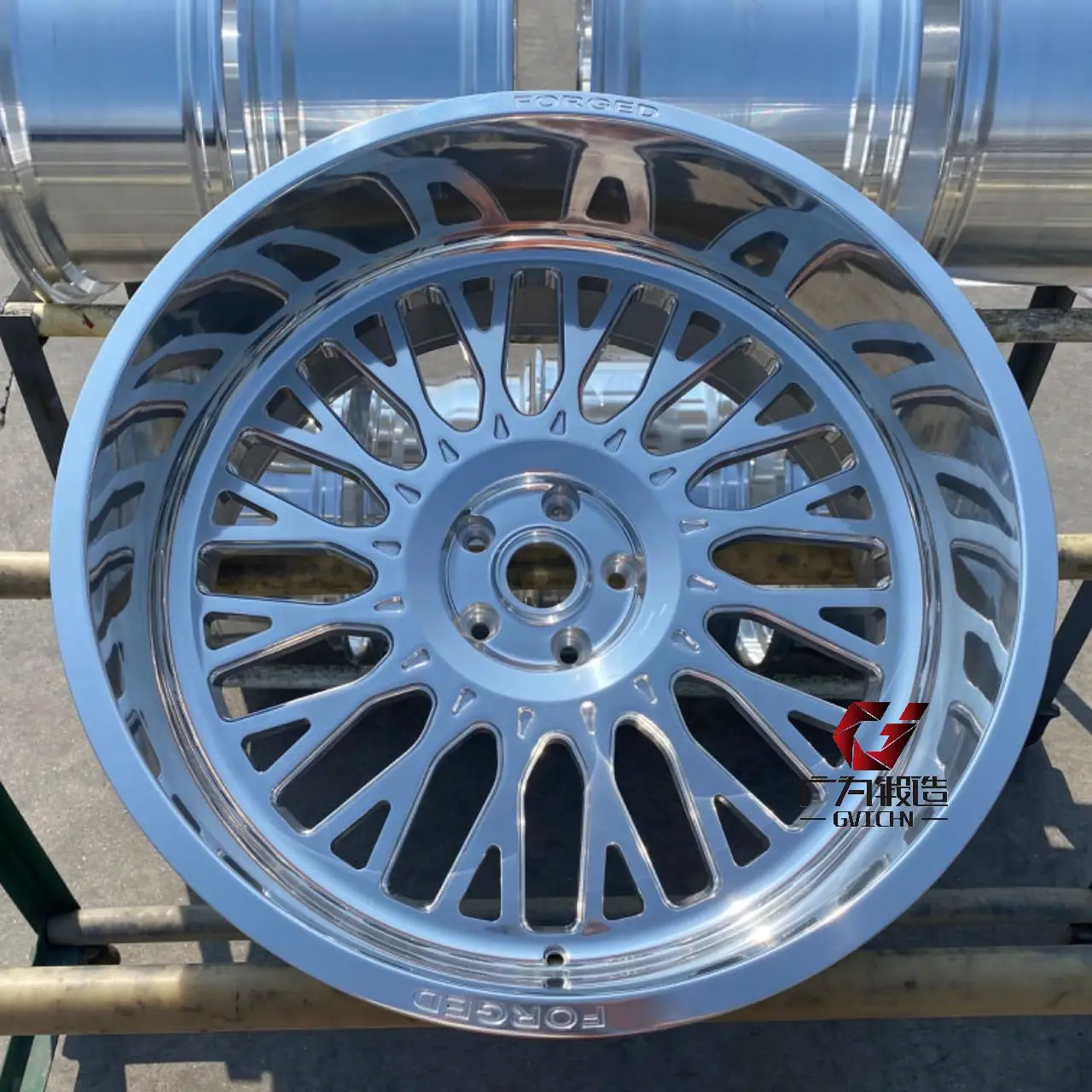
The automotive customization industry has witnessed a remarkable surge in demand for distinctive wheel designs that combine both aesthetic appeal and functional performance. Among the most sought-after options, H-shaped wheels have emerged as a dominant force in the custom truck and SUV market. These innovative wheel designs feature a unique spoke pattern that creates a bold H-formation when viewed from the front, delivering an unmistakable visual impact that sets vehicles apart from standard factory configurations. The growing popularity of H-shaped wheels reflects a broader trend toward personalization in the automotive sector, where owners seek to express their individual style while maintaining the rugged functionality their vehicles demand.
Design Innovation and Structural Engineering
Advanced Spoke Architecture
The distinctive spoke configuration of H-shaped wheels represents a significant advancement in wheel engineering and design philosophy. Unlike traditional wheel patterns that rely on radial or curved spoke arrangements, H-shaped wheels utilize a geometric framework that creates optimal load distribution across the entire wheel structure. This innovative approach to spoke placement ensures that stress forces are evenly dispersed throughout the wheel, reducing the likelihood of fatigue failure under demanding driving conditions. The H-pattern configuration also provides enhanced rigidity while maintaining appropriate flexibility for absorbing road impacts and vibrations.
Modern manufacturing techniques have enabled wheel designers to create H-shaped wheels with precise tolerances and consistent quality across production runs. Advanced computer-aided design software allows engineers to simulate stress patterns and optimize the spoke thickness, angle, and placement for maximum performance. The result is a wheel design that not only delivers exceptional visual appeal but also meets the stringent safety and performance requirements expected by truck and SUV enthusiasts who demand reliability in both on-road and off-road applications.
Material Technology Integration
The construction of H-shaped wheels typically involves high-grade aluminum alloys or forged steel materials that provide the necessary strength-to-weight ratio for heavy-duty applications. Aluminum-based H-shaped wheels offer significant weight savings compared to traditional steel alternatives while maintaining superior corrosion resistance and thermal conductivity properties. These characteristics are particularly important for truck and SUV applications where brake heat dissipation and overall vehicle weight management directly impact performance and fuel efficiency.
Advanced metallurgy techniques used in manufacturing H-shaped wheels include precision forging processes that create dense, uniform grain structures within the metal. This manufacturing approach results in wheels with enhanced fatigue resistance and improved impact strength, critical factors for vehicles that may encounter challenging terrain or heavy payload requirements. The integration of modern surface treatments and protective coatings further enhances the durability and appearance retention of H-shaped wheels throughout their service life.
Performance Advantages for Truck and SUV Applications
Enhanced Load Bearing Capacity
One of the primary reasons for the increasing adoption of H-shaped wheels in truck and SUV builds is their superior load-bearing characteristics compared to conventional wheel designs. The unique spoke configuration creates multiple load paths that effectively distribute vehicle weight and payload stresses across a broader area of the wheel structure. This distribution pattern reduces localized stress concentrations that can lead to premature wheel failure, particularly important for vehicles that regularly carry heavy loads or tow substantial trailers.
The structural efficiency of H-shaped wheels becomes particularly evident in commercial and recreational applications where vehicles operate at or near their maximum gross vehicle weight ratings. Professional contractors, outdoor enthusiasts, and fleet operators have discovered that H-shaped wheels provide enhanced reliability and reduced maintenance requirements compared to traditional alternatives. The improved stress distribution also contributes to more consistent tire wear patterns, extending tire life and reducing overall operating costs for vehicle owners.
Improved Brake Cooling Performance
The open architecture of H-shaped wheels provides excellent airflow characteristics that significantly improve brake cooling performance in heavy-duty applications. The spoke pattern creates natural ventilation channels that promote air circulation around brake components, helping to dissipate heat generated during extended braking operations. This cooling benefit is particularly valuable for trucks and SUVs that frequently operate in mountainous terrain or engage in heavy towing activities where brake temperatures can reach critical levels.
Effective brake cooling not only enhances safety but also extends the service life of brake pads, rotors, and other related components. Vehicle owners who have upgraded to H-shaped wheels often report improved brake pedal feel and more consistent braking performance, especially during demanding driving conditions. The enhanced thermal management capabilities of these wheels make them an ideal choice for performance-oriented builds and commercial applications where reliable braking performance is essential.
Aesthetic Appeal and Customization Options
Visual Impact and Design Flexibility
The bold, geometric appearance of H-shaped wheels creates an immediate visual impact that transforms the overall aesthetic of trucks and SUVs. The clean lines and symmetrical spoke pattern provide a modern, sophisticated appearance that complements both contemporary vehicle designs and classic truck styles. This versatility has made H-shaped wheels popular among a diverse range of vehicle owners, from urban professionals seeking a distinctive look for their daily drivers to off-road enthusiasts building capable adventure vehicles.
Customization options for H-shaped wheels extend far beyond basic finish selections, with manufacturers offering various spoke configurations, offset options, and size ranges to accommodate specific vehicle requirements and personal preferences. The modular nature of the H-spoke design allows for creative interpretations while maintaining the core structural benefits that make these wheels attractive for performance applications. Custom powder coating, machined accents, and specialized finishing techniques further expand the personalization possibilities for discerning vehicle owners.
Market Trends and Consumer Preferences
Consumer research indicates that truck and SUV owners increasingly prioritize unique design elements that differentiate their vehicles from mass-market offerings. H-shaped wheels satisfy this demand by providing a distinctive appearance that clearly communicates attention to detail and investment in quality components. The growing influence of social media and automotive lifestyle content has amplified consumer awareness of specialized wheel designs, driving increased interest in products that photograph well and generate positive attention.
Industry analysts note that the trend toward larger wheel diameters has created additional opportunities for H-shaped wheels to showcase their design advantages. Larger wheels provide more surface area for the H-spoke pattern to create visual impact while maintaining appropriate proportions relative to vehicle size. The combination of increased wheel diameter and distinctive spoke design creates a premium appearance that aligns with current market preferences for bold, statement-making wheel designs.
Manufacturing Quality and Industry Standards
Production Processes and Quality Control
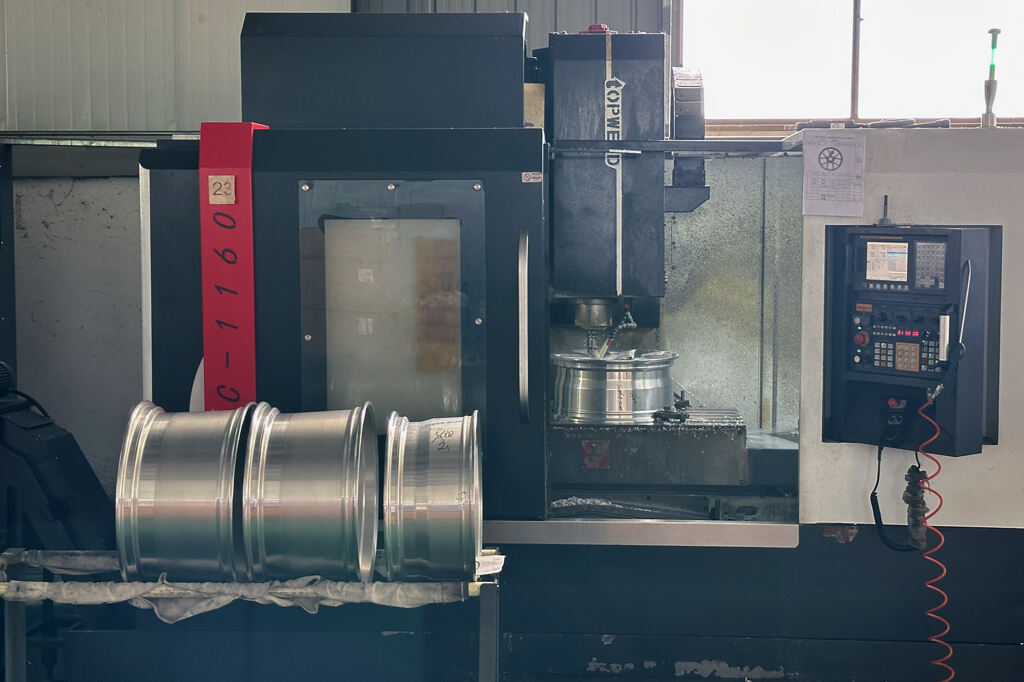
The manufacturing of H-shaped wheels requires precise control over multiple production parameters to ensure consistent quality and performance characteristics. Advanced CNC machining centers and automated quality inspection systems enable manufacturers to maintain tight tolerances while producing wheels that meet or exceed industry safety standards. Each wheel undergoes comprehensive testing procedures including dimensional verification, structural integrity assessments, and finish quality evaluations before release to the market.
Quality control protocols for H-shaped wheels typically include non-destructive testing methods such as x-ray inspection and ultrasonic evaluation to detect internal defects that could compromise wheel integrity. These advanced inspection techniques ensure that each wheel meets the demanding requirements of truck and SUV applications where component failure could have serious safety implications. Manufacturers also conduct extensive field testing and accelerated lifecycle evaluations to validate long-term performance characteristics under realistic operating conditions.
Certification and Regulatory Compliance
Professional-grade H-shaped wheels must comply with stringent industry standards and regulatory requirements established by organizations such as the Tire and Rim Association and the Society of Automotive Engineers. These standards define minimum performance criteria for load rating, impact resistance, fatigue life, and dimensional accuracy that ensure wheels provide reliable service throughout their intended lifespan. Compliance with these standards is verified through extensive testing protocols conducted by independent laboratories and certification bodies.
The certification process for H-shaped wheels includes comprehensive evaluation of materials, manufacturing processes, and finished product performance under simulated service conditions. This rigorous approach to quality assurance provides vehicle owners with confidence that their wheel investment will deliver reliable performance while maintaining safety margins appropriate for their intended applications. Regular auditing and continuous improvement processes ensure that manufacturing quality remains consistent as production volumes increase to meet growing market demand.
Installation Considerations and Technical Specifications
Fitment Requirements and Vehicle Compatibility
Proper installation of H-shaped wheels requires careful attention to vehicle-specific fitment parameters including bolt pattern, offset, center bore diameter, and load rating compatibility. Professional installers must verify that the selected wheels provide appropriate clearance for suspension components, brake systems, and body panels throughout the full range of wheel travel. This technical evaluation is particularly important for lifted or modified vehicles where altered suspension geometry may affect wheel fitment and performance characteristics.
Vehicle manufacturers typically specify acceptable ranges for wheel offset and diameter that maintain proper suspension geometry and vehicle handling characteristics. H-shaped wheels must be selected within these parameters to ensure that installation does not adversely affect vehicle safety, tire wear patterns, or mechanical component longevity. Professional consultation with experienced wheel specialists helps ensure that H-shaped wheels are properly matched to specific vehicle requirements and intended use applications.
Maintenance Requirements and Service Considerations
The open spoke design of H-shaped wheels generally simplifies cleaning and maintenance procedures compared to more complex wheel patterns with numerous small openings or intricate details. The larger spoke openings provide easy access for cleaning tools and allow effective removal of brake dust, road grime, and other contaminants that can accumulate during normal vehicle operation. Regular maintenance of H-shaped wheels typically involves basic washing with appropriate cleaning products and periodic inspection for signs of damage or wear.
Long-term maintenance of H-shaped wheels may include periodic refinishing or protective coating renewal to maintain appearance and corrosion resistance. The robust construction and quality materials used in manufacturing these wheels generally result in minimal maintenance requirements, making them an attractive option for vehicle owners who prefer low-maintenance components. Professional inspection during routine tire service appointments helps identify any developing issues before they compromise wheel performance or safety.
Cost Analysis and Value Proposition
Investment Considerations and Pricing Factors
The initial investment required for high-quality H-shaped wheels typically reflects the advanced engineering, premium materials, and specialized manufacturing processes involved in their production. While the upfront cost may exceed that of basic wheel alternatives, the enhanced performance characteristics, durability, and aesthetic appeal of H-shaped wheels provide substantial value for vehicle owners who prioritize quality and distinctive appearance. Professional-grade wheels often include comprehensive warranties and customer support services that protect the investment and provide peace of mind.
Financial analysis of H-shaped wheels should consider long-term ownership costs including maintenance requirements, potential resale value impact, and operational benefits such as improved brake cooling and tire wear characteristics. Many vehicle owners find that the enhanced performance and reduced maintenance requirements of quality H-shaped wheels result in lower total ownership costs compared to frequent replacement of lower-quality alternatives. The distinctive appearance and premium construction also contribute to improved vehicle resale value, partially offsetting the initial investment.
Market Positioning and Competitive Advantages
H-shaped wheels occupy a unique position in the custom wheel market by combining distinctive aesthetic appeal with genuine performance advantages that justify their premium pricing. This combination of form and function has created a dedicated customer base among enthusiasts who appreciate both the visual impact and practical benefits these wheels provide. The growing recognition of H-shaped wheels as a premium product category has attracted additional manufacturers and expanded available options for consumers across various price points.
Competitive analysis indicates that H-shaped wheels consistently receive positive reviews from both professional testers and end users, particularly in applications where both appearance and performance are priorities. The unique design characteristics and proven track record of reliability have established H-shaped wheels as a preferred choice among custom builders and discerning vehicle owners who demand exceptional quality and distinctive styling for their truck and SUV projects.
FAQ
What makes H-shaped wheels different from traditional wheel designs
H-shaped wheels feature a unique spoke pattern that creates an H-formation when viewed from the front, providing superior load distribution and enhanced visual appeal compared to conventional radial or curved spoke designs. The geometric framework offers improved structural integrity and better stress distribution, making them ideal for heavy-duty truck and SUV applications while delivering distinctive aesthetic characteristics that set vehicles apart from standard configurations.
Are H-shaped wheels suitable for off-road driving and heavy-duty applications
Yes, H-shaped wheels are specifically engineered to handle demanding applications including off-road driving, heavy towing, and commercial use. The advanced spoke architecture and high-grade materials provide excellent load-bearing capacity and impact resistance, while the open design promotes effective brake cooling during extended use. Many professional contractors and outdoor enthusiasts choose H-shaped wheels specifically for their proven reliability in challenging operating conditions.
How do H-shaped wheels affect vehicle performance and handling
H-shaped wheels can enhance vehicle performance through improved brake cooling, reduced unsprung weight (when manufactured from aluminum), and more consistent tire wear patterns due to superior load distribution. The structural design maintains appropriate flexibility for absorbing road impacts while providing enhanced rigidity that can improve handling precision. Proper fitment and sizing are essential to maintain optimal suspension geometry and vehicle handling characteristics.
What maintenance is required for H-shaped wheels
H-shaped wheels generally require minimal maintenance due to their robust construction and open spoke design that simplifies cleaning procedures. Regular washing with appropriate cleaning products, periodic inspection for damage or wear, and occasional protective coating renewal are typically sufficient to maintain appearance and performance. The larger spoke openings provide easy access for cleaning tools and effective removal of brake dust and road contaminants that accumulate during normal vehicle operation.
Recommended Products
 Hot News
-
Forged Carbon Products
2024-05-21
-
Forged Off-Road Accessories
2024-05-21
-
GVICHN Introduces Revolutionary Forged Two-Piece Product
2024-05-21
 ONLINE