What Custom Finishes (Polished, Painted, Brushed) Are Available for Forged Wheels?
Forged wheels represent a pinnacle of automotive performance and style, offering superior strength-to-weight ratios and design flexibility that cast wheels cannot match. Yet beyond the structural advantages lies an equally important dimension: the finish. Custom finishes for forged wheels transform functional components into visual statements, allowing vehicle owners to express personality, complement vehicle aesthetics, and protect their investment. Understanding the full spectrum of available finishes—from mirror-like polished surfaces to textured brushed effects and virtually unlimited painted options—empowers informed decisions that balance appearance, durability, and maintenance requirements.
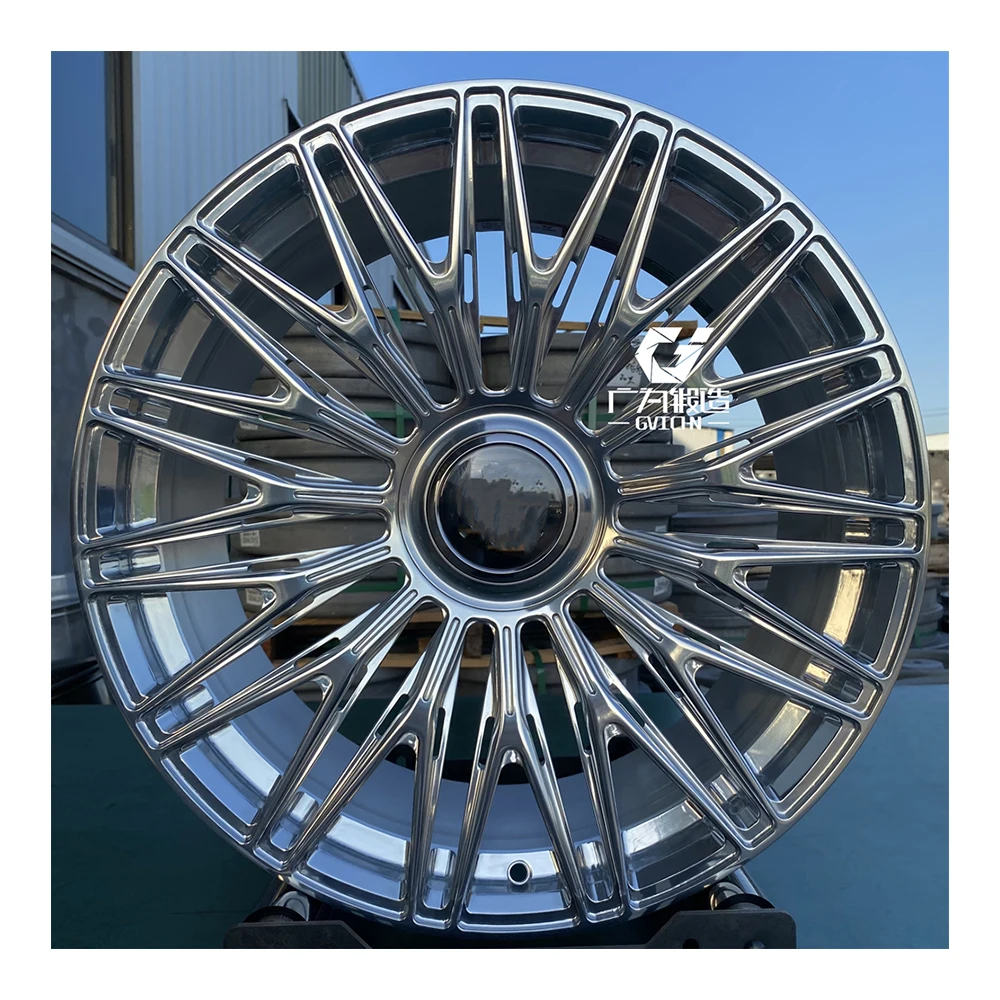
The finish you select for forged wheels extends far beyond mere color preference. Each finishing technique interacts differently with the forged aluminum substrate, affecting not only visual character but also resistance to environmental damage, ease of cleaning, and long-term appearance retention. Whether you prioritize the timeless elegance of polished aluminum, the protective versatility of painted coatings, or the modern sophistication of brushed textures, understanding how these custom finishes for forged wheels are created and what they deliver in real-world conditions ensures your wheels continue enhancing your vehicle for years to come.
Understanding Polished Finishes for Forged Wheels
The Multi-Stage Polishing Process
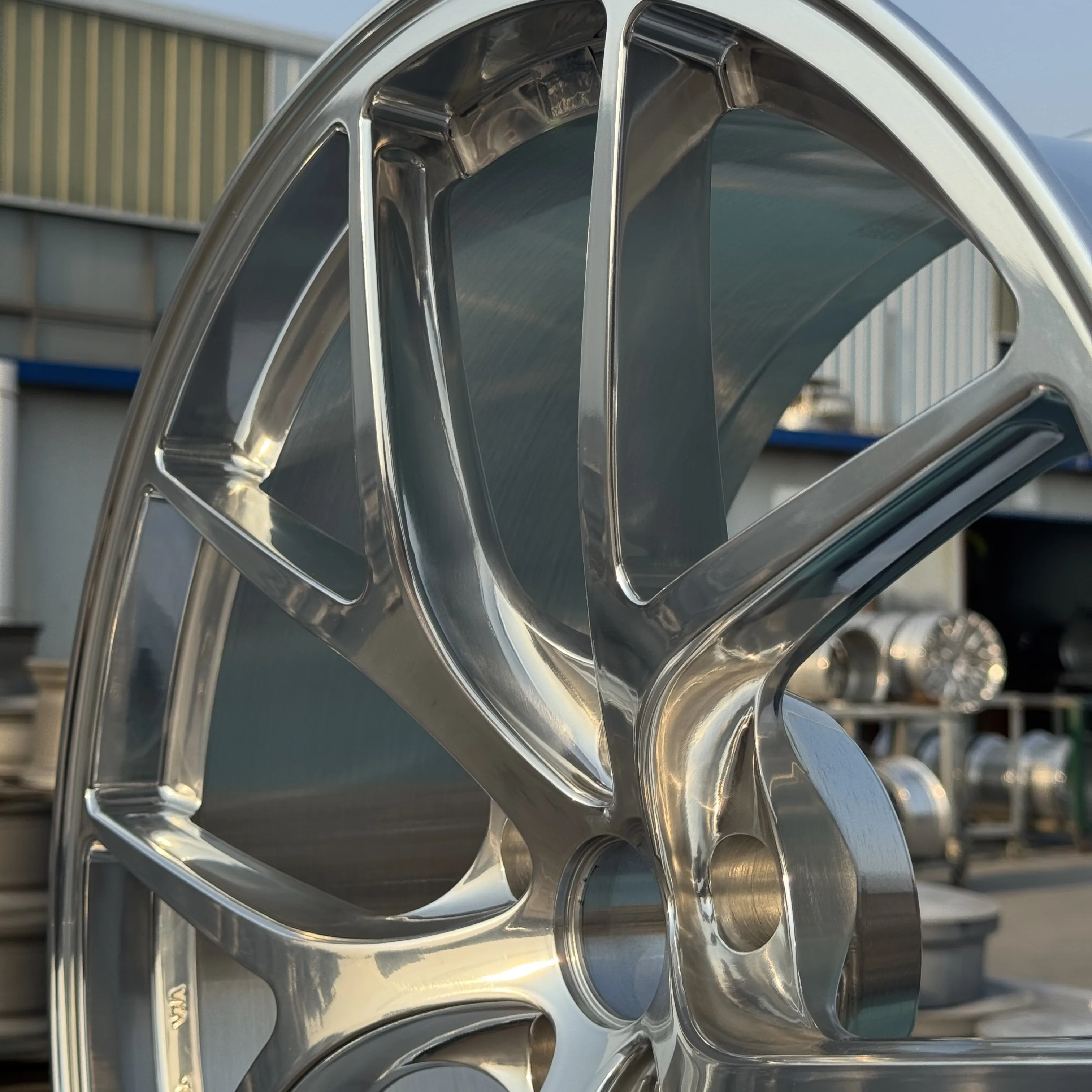
Polished finishes represent one of the most labor-intensive custom finishes for forged wheels, requiring meticulous sequential refinement to achieve mirror-like reflectivity. The process begins with initial machining to remove surface irregularities, followed by progressively finer abrasive stages that eliminate scratches from previous steps. Manufacturers typically employ rotating buffs with specialized compounds, each designed to refine the aluminum surface to higher levels of smoothness. The final polishing stages use ultra-fine compounds that remove microscopic imperfections, creating the characteristic reflective surface that distinguishes high-quality polished wheels.
Quality polished finishes depend heavily on the underlying forged aluminum's purity and grain structure. Superior forged aluminum with minimal porosity accepts polishing more uniformly, producing deeper luster without surface inconsistencies. The forging process itself contributes to this quality, as the compression and grain refinement inherent in forging create denser material that polishes to higher gloss levels than cast alternatives. Professional wheel manufacturers understand these material characteristics and adjust polishing parameters accordingly, ensuring consistent results across production runs.
The visual impact of polished custom finishes for forged wheels changes dramatically with lighting conditions and viewing angles. Direct sunlight produces brilliant highlights and sharp reflections, while diffuse lighting reveals subtle variations in surface curvature. This dynamic quality makes polished wheels particularly attractive for show vehicles and luxury applications where visual drama matters. However, the same reflective properties that create visual appeal also reveal maintenance shortcomings, as brake dust, road grime, and water spots become immediately visible on mirror-finish surfaces.
Maintenance Requirements and Durability Considerations
Polished aluminum surfaces require dedicated maintenance protocols to preserve their appearance. Unlike coated finishes, polished aluminum directly contacts environmental elements, making it susceptible to oxidation, staining, and corrosion. Regular cleaning with pH-neutral wheel cleaners prevents brake dust from etching the surface, while periodic application of metal sealants creates temporary protective barriers. Many owners of polished custom finishes for forged wheels establish weekly cleaning routines during driving seasons, recognizing that prevention proves far easier than correction once oxidation begins.
Long-term durability of polished finishes depends significantly on climate and usage patterns. Vehicles operated in coastal environments face accelerated oxidation from salt exposure, while those in industrial areas contend with acidic fallout that etches polished surfaces. Winter driving introduces road salt and de-icing chemicals that aggressively attack bare aluminum. Despite these challenges, polished finishes offer a unique advantage: they can be restored through re-polishing, unlike coated finishes that require complete stripping and reapplication when damaged. This restoration capability makes polished custom finishes for forged wheels attractive to enthusiasts willing to invest in periodic professional refinishing.
Some manufacturers offer clear-coated polished finishes that combine visual appeal with enhanced protection. These hybrid approaches apply transparent protective layers over polished aluminum, reducing maintenance while preserving reflectivity. However, clear coats introduce their own limitations, including potential yellowing over time and inability to spot-repair damage without full refinishing. The decision between traditional polished and clear-coated polished custom finishes for forged wheels ultimately depends on whether you prioritize lowest maintenance or maximum restoration flexibility.
Exploring Painted Finish Options and Technologies
Powder Coating Applications and Advantages
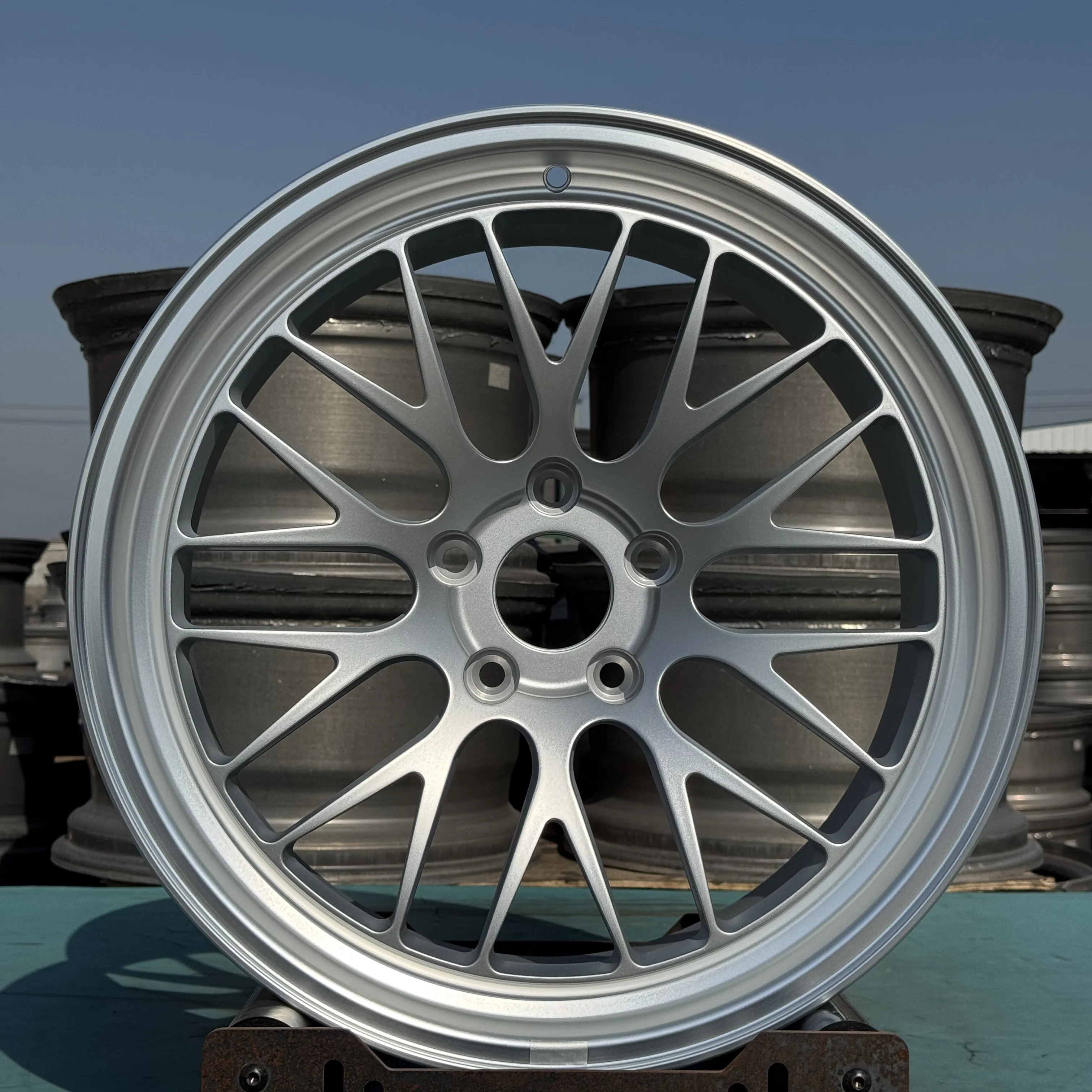
Powder coating represents the most durable and versatile category of painted custom finishes for forged wheels, utilizing electrostatically charged particles that adhere to grounded wheel surfaces before heat curing. This process creates exceptionally uniform coverage, including complex recesses and internal surfaces that liquid paints struggle to reach consistently. The resulting finish forms a molecular bond with the aluminum substrate, delivering impact resistance and chip protection far exceeding conventional wet paints. Color options span the entire spectrum, from conservative blacks and silvers to vibrant accent colors that complement specific vehicle schemes.
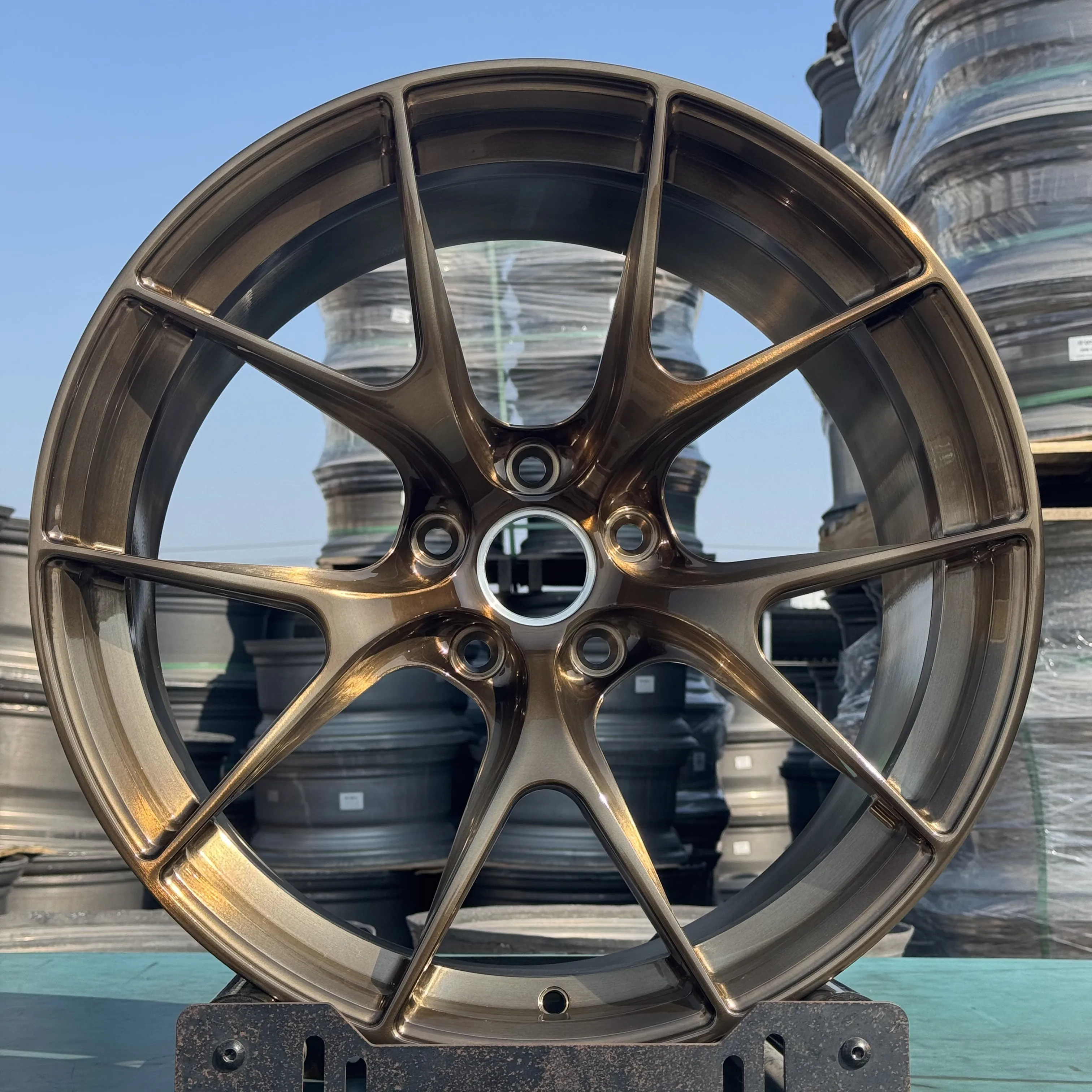
Advanced powder coating technologies enable specialized effects within painted custom finishes for forged wheels. Metallic powders incorporate aluminum flakes that create depth and sparkle, while candy finishes layer translucent colors over reflective base coats for rich, multi-dimensional appearance. Texture variations range from high-gloss smooth to matte surfaces that eliminate reflections entirely. Some manufacturers offer custom color matching services, analyzing vehicle paint codes to create wheels that precisely coordinate with body panels. This customization capability makes powder coating particularly attractive for owners seeking cohesive aesthetic integration.
The thermal curing process inherent in powder coating creates finish hardness that resists common wheel damage modes. Brake dust wipes away easily without chemical cleaners, road debris causes less surface marring, and minor abrasions often remain confined to surface layers without penetrating to substrate. These protective qualities make powder-coated custom finishes for forged wheels ideal for daily-driven vehicles, particularly those encountering harsh winter conditions or frequent gravel road exposure. Maintenance requirements remain minimal, typically requiring only regular washing with automotive soap and occasional application of wheel-specific waxes or sealants.
Liquid Paint Systems and Specialized Applications
Despite powder coating's advantages, liquid paint systems retain relevance for specific custom finishes for forged wheels where ultimate color accuracy or specialized effects matter most. Automotive-grade urethane paints enable precise color matching impossible with powder systems, critical when wheels must exactly match custom vehicle colors or complex multi-stage finishes. The application process allows skilled technicians to create gradient effects, custom graphics, and artistic elements that transform wheels into unique expressions. Multiple clear coat layers build depth and gloss levels rivaling automotive body panels, creating seamless visual integration.
Modern liquid paint technologies incorporate ceramic and nano-particle additives that enhance durability approaching powder coat levels. These advanced formulations improve scratch resistance, UV stability, and chemical resistance compared to earlier generation paints. Application requires controlled environments to prevent contamination, with professional spray booths maintaining temperature, humidity, and air filtration within strict parameters. The resulting custom finishes for forged wheels deliver show-quality appearance suitable for concours events and high-end builds where visual perfection justifies additional cost and preparation time.
Specialty liquid paint applications include chrome-effect coatings that simulate electroplated chrome appearance without the environmental concerns and cost of traditional chrome plating. These systems apply reflective base coats followed by transparent protective layers, creating brilliant mirror finishes with custom finishes for forged wheels that maintain aluminum's weight advantages. While not as durable as true chrome plating, modern chrome-effect paints offer acceptable longevity for vehicles not subjected to severe winter conditions. Color-shifting paints represent another specialty option, incorporating optical pigments that change hue based on viewing angle, creating dramatic effects particularly striking on wheels with complex spoke geometries.
Brushed and Machined Texture Finishes
Creating Directional Texture Patterns
Brushed finishes introduce controlled directional texture to wheel surfaces, creating custom finishes for forged wheels with distinctive tactile and visual character. Specialized machining equipment equipped with rotating brushes or abrasive pads contacts wheel surfaces at precise angles and pressures, removing material in uniform patterns. Radial brushing creates concentric circular patterns emanating from wheel centers, while linear brushing produces parallel lines across face surfaces. The depth and spacing of texture lines can be adjusted to create effects ranging from subtle satin appearance to pronounced groove patterns visible from distance.
The interaction between brushed textures and lighting creates dynamic visual effects that change with wheel rotation and viewing position. Light reflects differently from textured surfaces compared to smooth finishes, producing highlights and shadows that emphasize wheel geometry and spoke contours. This quality makes brushed custom finishes for forged wheels particularly effective for designs featuring intricate spoke patterns or complex three-dimensional elements. The matte-to-satin appearance also provides visual contrast when combined with polished or painted elements, enabling sophisticated multi-finish designs that add depth and interest.
Brushed finishes offer practical advantages beyond aesthetics. The textured surface naturally camouflages minor scratches and abrasions that would be immediately visible on polished or smooth painted surfaces. Brake dust accumulation appears less obvious on directional textures, extending intervals between cleaning. However, the same texture that hides minor damage can trap contaminants within its grooves, requiring more aggressive cleaning methods to fully remove embedded grime. Understanding these maintenance characteristics helps owners of brushed custom finishes for forged wheels establish appropriate care routines.
Machined Face Finishes and Hybrid Applications
Machined face finishes represent precision manufacturing processes that create perfectly smooth surfaces with subtle circular tool marks visible under close inspection. Computer-controlled lathes remove material from wheel faces in microscopic layers, achieving dimensional accuracy within thousandths of an inch while creating characteristic concentric machining patterns. These patterns catch light differently than brushed textures, producing refined appearance associated with high-precision manufacturing. Machined custom finishes for forged wheels often serve as base layers for subsequent treatments, including clear coating, polishing, or selective painting.
Hybrid finishing approaches combine machined faces with contrasting treatments on other wheel elements. A common configuration features diamond-cut machined faces with painted pockets and barrels, creating striking two-tone appearance. The machined surfaces provide bright, reflective contrast against darker painted elements, emphasizing wheel architecture and design details. Clear coats typically protect machined surfaces from oxidation while preserving their metallic luster. This combination delivers visual complexity rivaling multi-piece wheels while maintaining the structural advantages and lighter weight of one-piece forged construction.
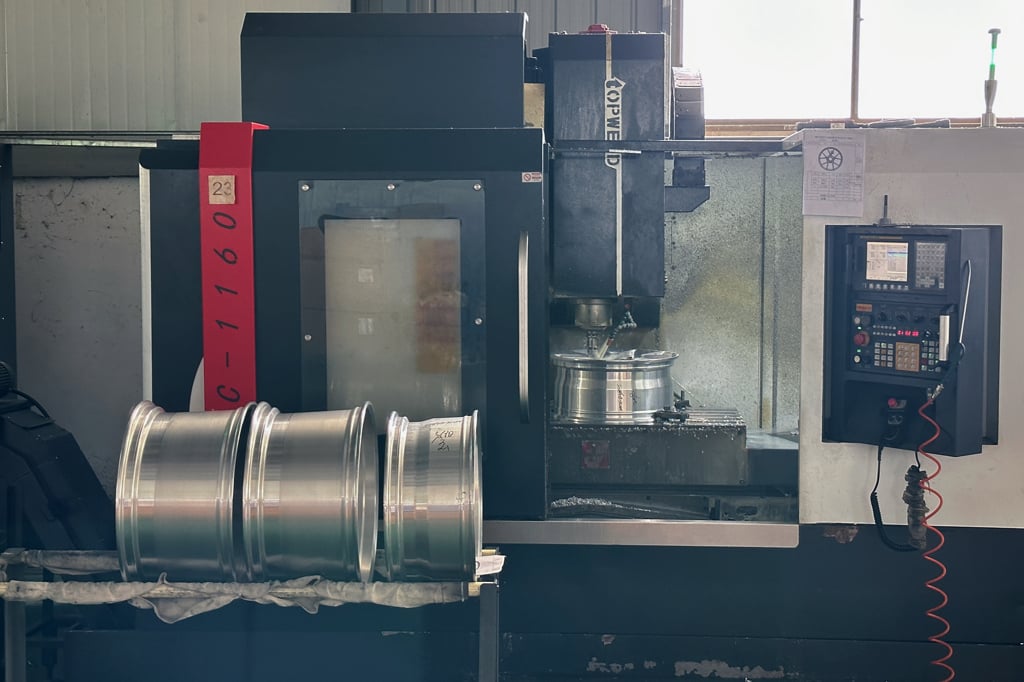
Advanced CNC machining capabilities enable customized patterns and textures within machined custom finishes for forged wheels. Programmable tool paths create geometric patterns, branded elements, or artistic details machined directly into wheel surfaces. Some manufacturers offer personalization services where customers specify custom machined designs, transforming wheels into truly unique components. The precision inherent in CNC processes ensures perfect repeatability across wheel sets while enabling design freedom impossible with traditional finishing methods. These capabilities position machined finishes at the intersection of manufacturing technology and artistic expression.
Multi-Finish Combinations and Design Integration
Contrasting Finish Elements for Visual Impact
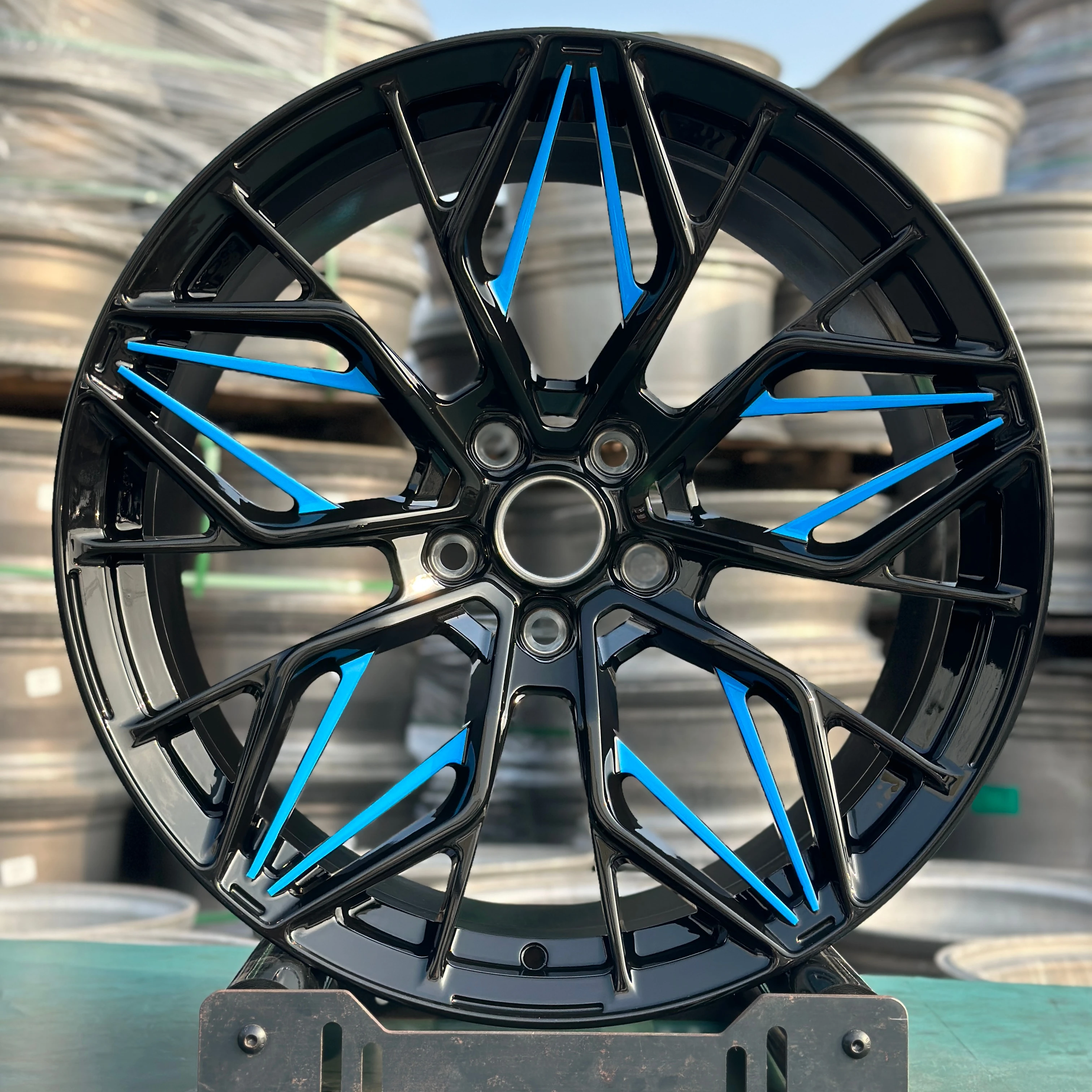
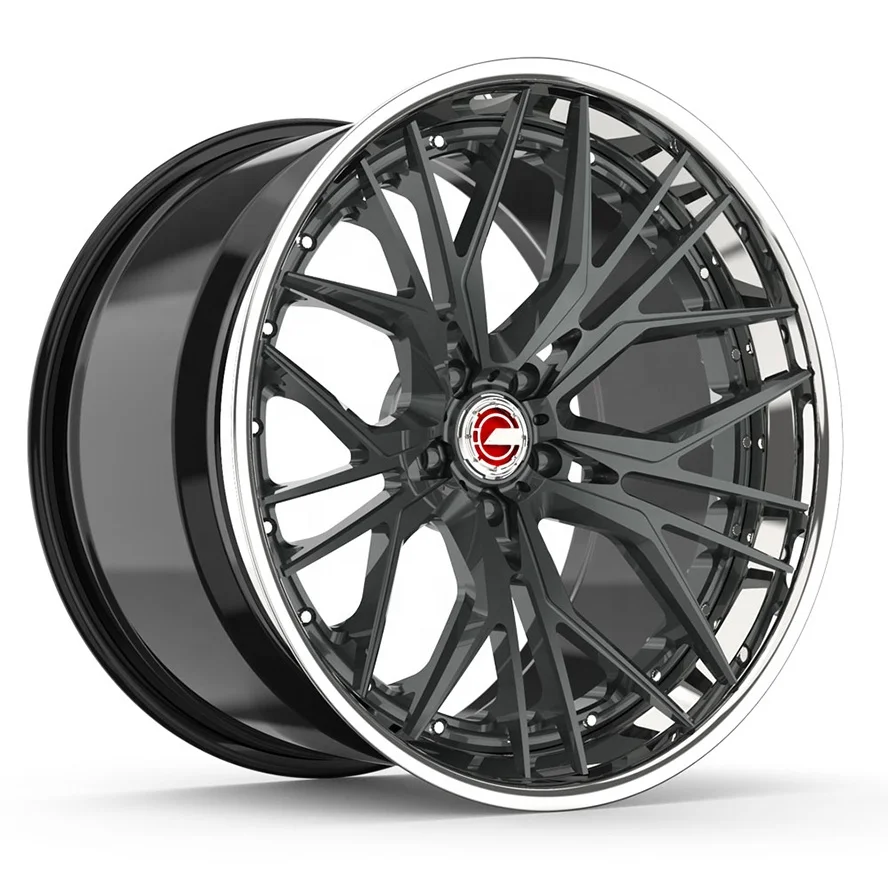
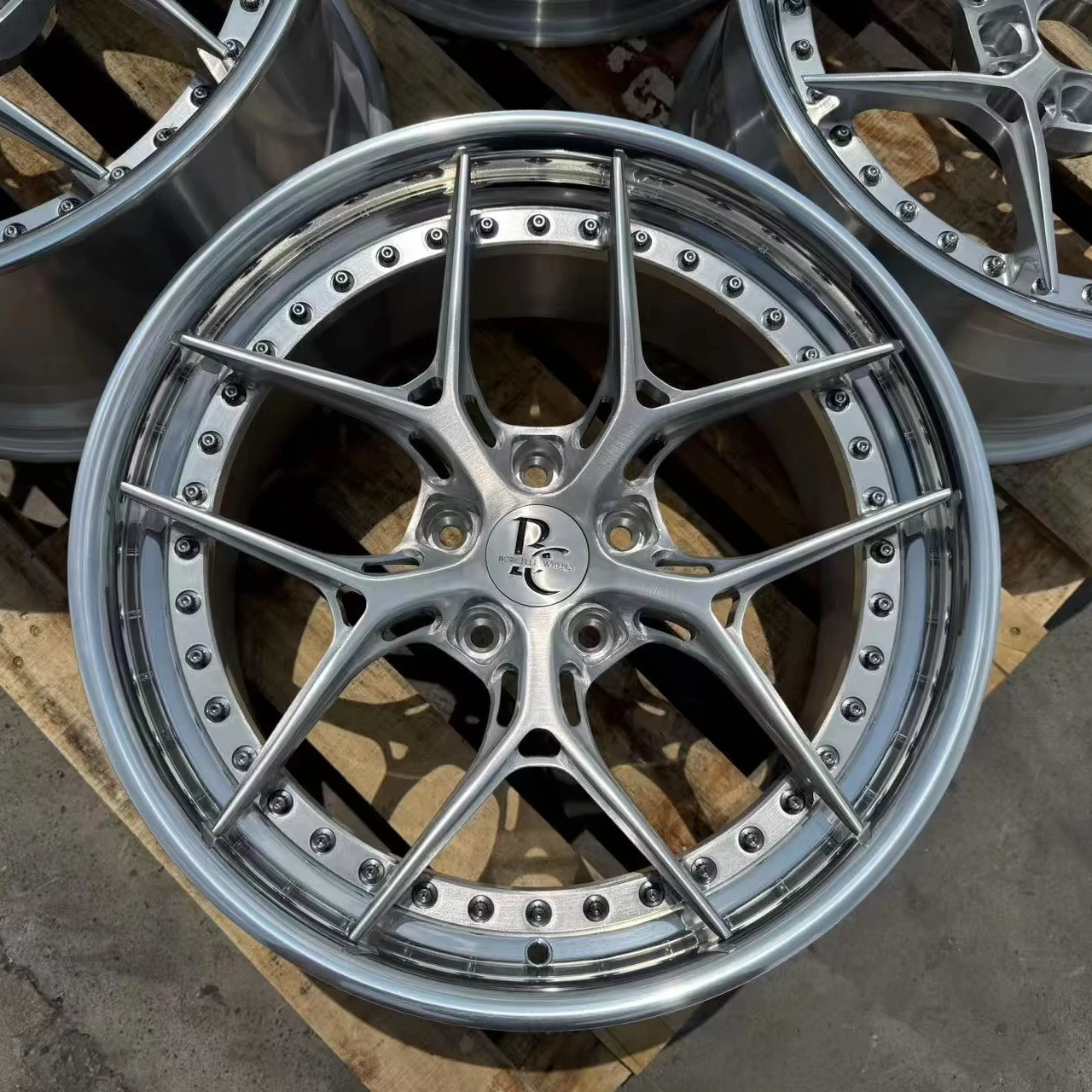
Contemporary wheel design increasingly incorporates multiple custom finishes for forged wheels within single wheel sets, creating visual complexity and design depth. Common combinations include polished faces with painted barrels, brushed spokes with gloss accents, or machined surfaces contrasted against matte elements. These multi-finish approaches allow designers to emphasize specific wheel features, create depth perception, and coordinate with vehicle color schemes. The technical challenge lies in protecting transition zones between finishes while maintaining clean demarcation lines during application processes.
Successful multi-finish designs consider how different surface treatments interact visually under various lighting conditions and viewing distances. Highly reflective polished elements draw attention and create focal points, while matte or brushed areas provide visual relief and prevent overwhelming glare. Color selection for painted components should complement rather than compete with polished or machined surfaces. Professional designers often employ computer renderings showing wheels under different lighting scenarios, ensuring custom finishes for forged wheels deliver intended visual impact both stationary and in motion.
The manufacturing complexity of multi-finish wheels requires precise masking and sequential processing. Areas designated for polishing must be protected during painting operations, while painted surfaces require masking before machining or brushing. Quality control becomes critical, as finish transitions must appear intentional and cleanly executed rather than accidental or sloppy. Reputable manufacturers invest in specialized fixturing and masking systems that enable consistent multi-finish execution across production volumes, ensuring every wheel meets exacting visual standards regardless of order size.
Coordinating Wheel Finishes with Vehicle Aesthetics
Selecting appropriate custom finishes for forged wheels requires considering overall vehicle design language, color palette, and intended character. Vehicles with chrome exterior accents often pair best with polished or chrome-effect wheel finishes that echo existing brightwork. Matte or satin vehicle wraps typically coordinate with brushed or matte painted wheels that maintain tonal consistency. Performance-oriented builds may favor aggressive dark finishes that emphasize functional aesthetics, while luxury applications might specify polished or multi-finish wheels that project refinement and exclusivity.
Color psychology influences how wheel finishes affect overall vehicle perception. Dark wheels create visual mass that grounds vehicles and emphasizes stance, while bright finishes make wheels appear larger and more prominent. Silver and gray tones provide neutral foundation that works across color palettes, while bold accent colors create focal points that can either enhance or overwhelm vehicle design depending on execution. Understanding these visual principles helps owners select custom finishes for forged wheels that achieve desired aesthetic outcomes rather than creating discord between wheels and vehicle.
Seasonal and environmental considerations also influence finish selection. Owners in harsh winter climates often prefer powder-coated or painted custom finishes for forged wheels due to superior corrosion resistance and easier maintenance compared to polished surfaces. Those in mild climates with covered storage may prioritize visual impact over durability concerns, selecting polished or multi-finish options requiring more maintenance attention. Regional aesthetic preferences vary as well, with certain markets favoring conservative silver or black wheels while others embrace bold colors and complex finishes. Balancing personal preference with practical requirements ensures long-term satisfaction with finish decisions.
Durability, Protection, and Long-Term Performance
Environmental Resistance Across Finish Types
Different custom finishes for forged wheels exhibit varying resistance to environmental degradation factors including UV radiation, chemical exposure, thermal cycling, and mechanical abrasion. Powder-coated finishes generally provide superior protection against all these factors, with thick coating layers forming effective barriers between aluminum substrate and environment. UV-stable pigments prevent color fading even under intense sunlight, while chemical resistance protects against brake dust acids, road salt, and cleaning products. The cured powder coating's flexibility accommodates thermal expansion without cracking, maintaining protective integrity through countless heat cycles.
Polished finishes face the most challenging environmental conditions, as bare aluminum directly contacts corrosive elements. Aluminum naturally forms protective oxide layers, but these appear dull compared to polished surfaces and provide only modest corrosion resistance. Aggressive environments accelerate oxidation, creating white or gray staining that requires removal and re-polishing to restore appearance. Owners maintaining polished custom finishes for forged wheels in challenging climates must commit to rigorous maintenance schedules or accept gradual appearance degradation. Alternatively, clear-coated polished finishes offer compromise solutions that reduce maintenance while accepting slightly diminished ultimate brightness.
Painted liquid finishes perform between powder coating and polished aluminum in environmental resistance, with durability depending heavily on coating quality and application methodology. Premium urethane systems with proper surface preparation and multiple clear coat layers deliver years of service with minimal degradation. Economy paint applications may show premature failure through peeling, fading, or chemical staining. The key differentiator lies in coating thickness and adhesion quality, areas where professional application in controlled environments significantly outperforms amateur efforts. Understanding these quality factors helps buyers evaluate custom finishes for forged wheels based on expected longevity rather than initial appearance alone.
Repair and Restoration Possibilities
The repairability of damaged custom finishes for forged wheels varies dramatically by finish type, influencing long-term cost of ownership. Polished finishes offer significant restoration advantages, as damage can be removed through localized re-polishing without affecting surrounding areas. Skilled technicians can blend repairs seamlessly into existing polished surfaces, making damage virtually undetectable. This spot-repair capability makes polished wheels practical for long-term ownership despite higher maintenance requirements, as periodic professional detailing can restore original appearance without complete refinishing.
Painted and powder-coated finishes present greater repair challenges, typically requiring complete stripping and reapplication to achieve uniform appearance after damage. Small chips or scratches can be touched up temporarily, but color matching and texture blending rarely achieve invisible results. Major damage necessitates full refinishing, involving chemical stripping or media blasting to remove existing coatings before reapplication. This complete refinishing process costs substantially more than polishing repairs but delivers factory-fresh appearance when executed properly. Some owners of painted custom finishes for forged wheels budget for eventual refinishing as anticipated maintenance rather than unexpected expense.
Brushed and machined finishes occupy middle ground in repair difficulty. Minor surface damage can sometimes be blended through re-brushing or re-machining affected areas, though achieving perfect pattern continuity requires skill and appropriate equipment. Clear-coated brushed or machined surfaces complicate repairs similarly to painted finishes, as coating removal and reapplication become necessary for uniform results. The decision to clear-coat textured custom finishes for forged wheels involves trading easier routine maintenance for more complex eventual repairs—a calculation where usage patterns and ownership timeframes influence optimal choices.
FAQ
How do I choose between polished, painted, and brushed finishes for my forged wheels?
The optimal choice among custom finishes for forged wheels depends on balancing aesthetic preferences with practical considerations including maintenance commitment, environmental conditions, and intended vehicle use. Polished finishes deliver maximum visual impact and restoration flexibility but require dedicated maintenance and perform poorly in harsh climates. Painted finishes, particularly powder coating, provide excellent durability and minimal maintenance while offering unlimited color options. Brushed finishes create sophisticated appearance with moderate maintenance needs and good damage concealment. Consider your willingness to maintain wheels regularly, local climate severity, and whether visual drama or practical durability matters more for your specific application. Many owners find painted custom finishes for forged wheels provide the best overall balance for daily-driven vehicles, while show cars and garage-kept collectibles can justify polished finishes' maintenance demands.
Can I change the finish on my forged wheels after purchase?
Yes, forged wheels can be refinished multiple times throughout their service life, offering flexibility to update appearance as preferences change or repair damage. The refinishing process typically involves stripping existing finishes through chemical or media blasting methods, inspecting wheels for structural damage, then applying new custom finishes for forged wheels using appropriate techniques. Professional refinishing services can transform polished wheels to painted, brushed to polished, or any other combination desired. However, refinishing quality depends heavily on technician skill and process control, making professional services preferable to DIY attempts for best results. Costs vary by finish complexity, with simple single-color powder coating being most economical and multi-finish or specialty applications commanding premium pricing. Most quality forged wheels withstand multiple refinishing cycles without structural compromise, making finish changes practical options for long-term ownership.
Do different finishes affect wheel weight or performance?
Finish selection has minimal impact on forged wheel weight and essentially no measurable effect on vehicle performance. Powder coating adds approximately 4-6 ounces per wheel depending on coverage thickness, while liquid paints contribute slightly less. Polished finishes actually reduce weight marginally by removing material during polishing processes. These weight differences remain insignificant compared to overall wheel mass and completely negligible in terms of vehicle dynamics or fuel economy. Performance considerations should focus on wheel design, diameter, width, and offset rather than finish weight contributions. The primary performance-related finish consideration involves heat dissipation from brake systems, where darker custom finishes for forged wheels may absorb slightly more heat than reflective polished surfaces, though this factor matters only in extreme track applications with inadequate brake cooling. For street use and even most motorsport applications, finish selection can be based purely on aesthetic and maintenance preferences without performance concerns.
How often should I professionally maintain or refinish custom wheel finishes?
Maintenance frequency for custom finishes for forged wheels varies significantly based on finish type, usage patterns, and environmental exposure. Polished finishes benefit from professional detailing every 6-12 months to remove oxidation and restore full luster, with intervals shortened in coastal or industrial environments. Painted and powder-coated finishes typically require only regular owner cleaning with appropriate products, with professional refinishing needed only after damage or when appearance degradation becomes unacceptable, often 5-10 years for quality applications. Brushed and machined finishes fall between these extremes, potentially benefiting from professional cleaning and protective treatment annually. Vehicles driven year-round in winter climates should receive thorough professional cleaning and inspection each spring to address salt damage before it becomes permanent. Show vehicles and collector cars maintained in controlled environments can extend service intervals significantly. Establishing relationship with reputable wheel specialists allows developing customized maintenance schedules appropriate for your specific wheels, usage, and standards.
Recommended Products
 Hot News
-
Forged Carbon Products
2024-05-21
-
Forged Off-Road Accessories
2024-05-21
-
GVICHN Introduces Revolutionary Forged Two-Piece Product
2024-05-21
 ONLINE